
How to Protect Tesla White Seats

White Tesla seats are stunning but demand proactive care to prevent stains and discoloration. The key is consistent daily habits like using floor mats and immediate spill cleanup, combined with pH-neutral cleaning products. Additionally, UV protection through window tinting is essential to combat fading, ensuring your interior stays showroom-ready for years.
Key Takeaways
- Know Your Material: Tesla white seats are typically synthetic “Premium Interior” or textile, not real leather. Each requires specific care products to avoid damage.
- Daily Habits Are Critical: Implement rules like no dark clothing, use all-weather floor mats, and wipe spills immediately to prevent permanent staining.
- Use pH-Neutral Products Only: Harsh cleaners and conditioners will degrade the material. Always choose products labeled safe for synthetic leather or vinyl.
- UV Rays Are the #1 Threat: Sun exposure causes yellowing and cracking. Professional window tinting and shaded parking are non-negotiable for long-term protection.
- Deep Clean Gently: Use a soft brush and dedicated interior cleaner monthly. For tough stains, consult material-specific guides like those for Subaru Startex or Toyota Softex.
- Consider Professional Barriers: Paint Protection Film (PPF) or ceramic coating on seats creates a sacrificial layer against wear, spills, and UV at a higher upfront cost.
- Act Fast on Spills: The first 30 seconds are crucial. Blot, don’t rub, and use the appropriate cleaner to prevent setting.
📑 Table of Contents
Understanding Your Tesla’s White Seat Material
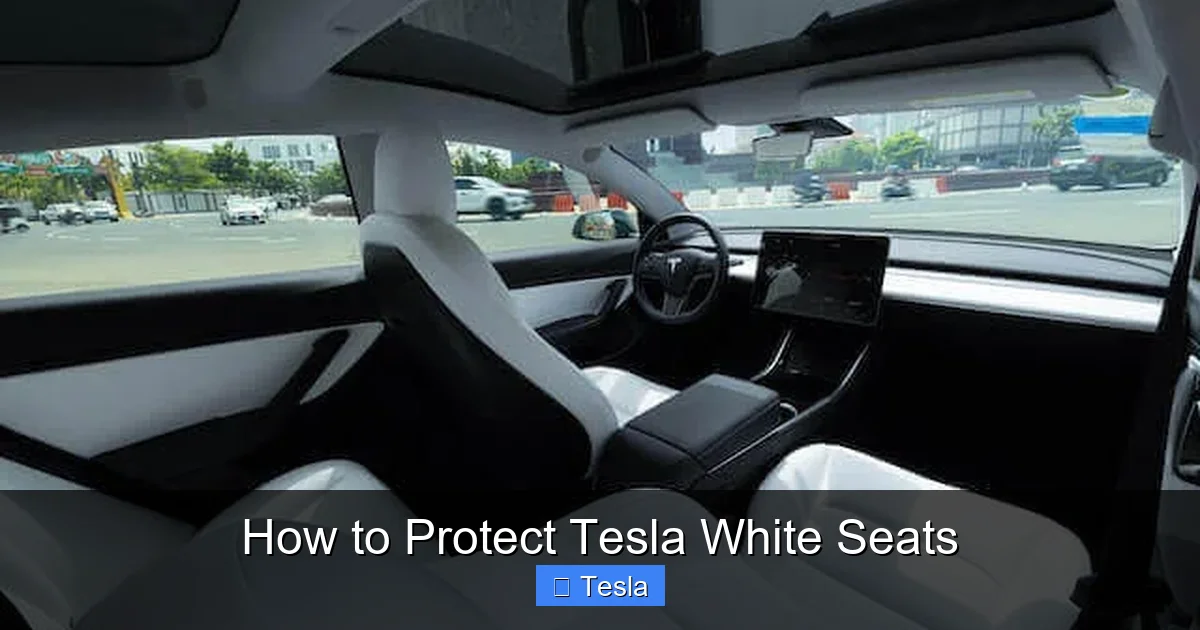
So you chose white seats. Congratulations on the stunning aesthetic! That bright, airy interior makes any Tesla feel like a first-class lounge. But let’s be honest: that beautiful canvas is also a magnet for every speck of dust, drop of coffee, and hint of denim bleed. The very first step in learning how to protect Tesla white seats is knowing exactly what you’re protecting. Tesla doesn’t use traditional animal leather in its “Premium Interior.” Instead, it’s a high-quality synthetic material, often referred to as vegan leather or leatherette. This is great news for ethical reasons, but it means the care routine differs from real leather. The material is durable but can be prone to cracking if exposed to harsh chemicals or extreme dryness. Some Tesla models, like certain Standard Range trims, may offer a cloth option. Cloth seats have a different set of challenges, primarily absorbing spills and holding odors.
The Two Main Types: Premium Synthetic and Textile
If your Tesla has the iconic white “Premium Interior,” you’re dealing with a polyurethane-based vinyl. It’s designed to look and feel like leather but is easier to maintain in many ways—no need for heavy leather creams. However, it has one major weakness: its light color. Any transfer from clothing, especially new dark jeans, will show as a blue or gray stain. This is called “dye transfer,” and it’s the bane of every white seat owner’s existence. The synthetic material also has a grain pattern that can trap dirt if not cleaned properly. For the cloth-seat owners, your battle is against absorption. Liquids sink in quickly, and oils from skin or food can become permanent fixtures. The good news? Both materials respond well to a disciplined care routine. The principles of immediate spill response, using the right cleaners, and protecting from UV apply to both, but the execution differs slightly.
Before you buy a single product, identify your exact material. Check your Tesla’s configuration in the app or window sticker. Look for terms like “Premium Interior” or “Cloth.” This knowledge will save you from accidentally using a leather conditioner on synthetic seats, which can cause a sticky, gummy residue that attracts more dirt. When in doubt, assume it’s synthetic and use gentle, pH-neutral formulas. Many detailing brands now label products specifically for “synthetic leather” or “vinyl,” which is your safest bet. Remember, the goal isn’t to alter the material but to maintain its factory condition—supple, clean, and crack-free.
Daily Habits That Make a Difference
Protection isn’t just about what you *do* occasionally; it’s about what you *do* every single time you get in the car. This is the most overlooked part of how to protect Tesla white seats. You can have the most expensive cleaner in the world, but without daily discipline, it’s a losing battle. Think of these habits as your seat’s immune system. They create a baseline of cleanliness that makes deep cleaning sessions less frequent and more effective. The moment you treat your white seats like a white t-shirt—something to be worn carefully and tended to immediately—you’ve won half the war. It’s about building a pre-flight and post-drive routine that takes less than a minute but pays dividends for years.
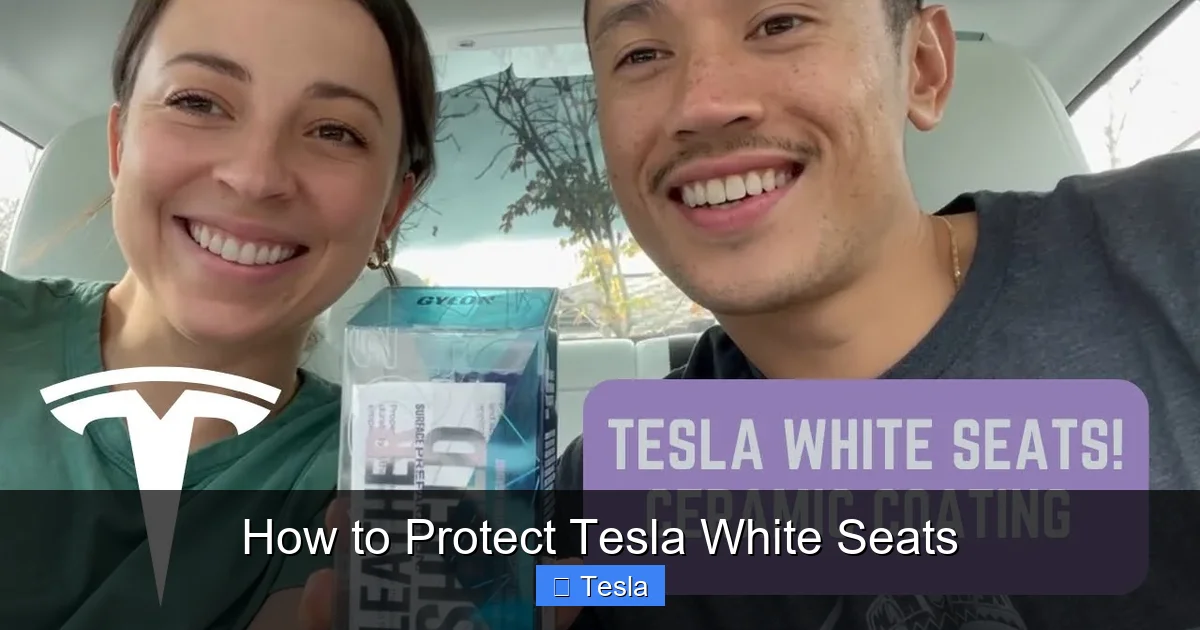
Visual guide about How to Protect Tesla White Seats
Image source: i.ytimg.com
The Golden Rules of White Seat Ownership
First, become fiercely mindful of what touches the seats. This means a strict “no dark jeans” policy for drivers and passengers. Denim is the number one cause of blue staining. Even “pre-washed” jeans can leak dye. Opt for lighter-colored pants when driving your Tesla. Second, adopt a “no liquids” rule inside the car if possible. That means no open water bottles, coffee cups, or soda cans. Use a secure cup holder and never place a drink on the seat. Third, make it a ritual to do a quick visual and tactile check every time you exit the vehicle. Scan for crumbs, dust, or any debris. Keep a small, soft microfiber cloth in the door pocket or center console. Use it to wipe down the seats and dashboard weekly. This prevents grit from grinding into the material during normal use. Finally, enforce a “clean feet” policy. If you’ve been walking in mud, grass, or snow, take a moment to wipe your shoes on the mat before climbing in. These small actions prevent a huge amount of abrasive dirt and moisture from ever reaching the seat surface.
Choosing the Right Floor Mats and Trunk Liners
Your floor mats are the first line of defense for the lower portion of your seats, which see the most abuse from shoes and spills. All-weather, custom-fit mats are a must. Look for ones with deep, sculpted channels to trap mud, water, and road salt. Brands like Tesla’s own all-weather mats or third-party companies like 3D Mats or Tuxmat are popular. They should have a non-slip backing to stay in place. Avoid cheap, flat rubber mats that allow liquids to seep underneath and sit against the carpet, causing mildew smells. For the trunk, a liner is equally important if you carry groceries, sports gear, or pets. A heavy-duty, waterproof liner with a raised lip will contain any leaks or spills from items you transport. The goal is to create a removable, washable barrier between the world and your car’s interior. Clean these mats weekly with soap and water. A dirty mat is a source of grime that will transfer to your shoes and then to your seats. Investing in high-quality, well-fitting mats is one of the most cost-effective protections you can buy.
Essential Products for White Seat Protection
Armed with good habits, you need the right tools. The product aisle at the auto store can be overwhelming, filled with bottles promising miracles. For white Tesla seats, simplicity and chemistry are key. You need a dedicated interior cleaner for regular maintenance, a protectant to create a barrier against future stains, and possibly a conditioner if your material feels stiff. Avoid anything with silicone, petroleum distillates, or harsh solvents. These can leave a greasy film that attracts dust or, worse, cause the synthetic material to degrade and crack over time. Your products should be pH-neutral, meaning they are neither acidic nor alkaline, matching the natural pH of the material. This prevents chemical breakdown. Think of it like skincare for your seats: gentle, consistent care is better than occasional harsh treatments.
Visual guide about How to Protect Tesla White Seats
Image source: koala.sh
Cleaners: pH-Neutral is Non-Negotiable
For routine cleaning (monthly or as needed), a high-quality interior cleaner is your best friend. These are water-based, concentrated formulas designed to lift dirt without stripping protective coatings. Brands like Chemical Guys InnerClean, Meguiar’s G15812 Quik Interior Detailer Wipes, or Optimum Opti-Clean are excellent choices. The process is simple: spray lightly onto a soft microfiber towel, not directly onto the seat (to prevent overspray into seams), and gently wipe in a circular motion. For textured surfaces, use a soft-bristled brush (like a dedicated interior or shoe brush) to agitate the cleaner into the grain, then wipe away the loosened dirt with a clean, damp microfiber. Always test any new product on a small, inconspicuous area like the side bolster or bottom of the seat first. If it leaves no residue or discoloration, you’re good to go. For spot cleaning spills, have a dedicated “quick response” cleaner on hand. Products like Sonax Xtreme Cockpit Care or CarPro Reset are designed for fresh messes. They work fast to prevent staining before it sets.
Conditioners and Protectants: Keeping Material Supple
Synthetic materials don’t “condition” in the same way leather does—they don’t need oils to stay soft. However, they do benefit from a protectant. A good interior protectant or dressing does two things: it adds a slight layer of UV protection and it restores a uniform, matte finish that helps repel light spills and dust. Look for water-based, non-greasy formulas. Products like 303 Multi-Surface Cleaner & Protectant or CarPro Reload are fantastic. They leave a natural, non-shiny look (avoid the “wet look” glazes that attract dirt). Apply after cleaning, using a microfiber cloth to buff it in. This step is crucial for white seats because a uniform surface is easier to keep clean; any variation in texture or finish will highlight dirt. If your seats feel particularly dry or stiff (which can happen in very cold or hot climates), you can use a dedicated synthetic leather conditioner. Again, brands like Lexol or even the conditioner from a company like Subaru (for their Startex material) can be used sparingly. The key is moderation—a light coating twice a year is plenty. Over-application is a common mistake that leads to a sticky surface.
Deep Cleaning and Stain Removal Techniques
Even with the best habits, deep cleaning is inevitable. A quarterly deep clean will keep your white seats looking fresh. This is more involved than a quick wipe-down. You’ll need your pH-neutral interior cleaner, a soft brush, multiple clean microfiber towels, and possibly an extraction tool if you have one (a small handheld extractor is a great investment). The process: start by thoroughly vacuuming the seats, getting into all crevices and seams. Dirt left behind will just turn into mud when you add liquid. Next, work section by section. Spray your cleaner onto a towel or brush, not the seat. Agitate gently to create a light lather. For heavily soiled areas, let the cleaner dwell for 30-60 seconds to break down grime, but don’t let it dry. Immediately wipe it away with a damp, clean microfiber. Rinse your cloth frequently. The goal is to remove dirt, not just move it around. For stubborn stains, you may need a dedicated stain remover. Always pre-test in a hidden spot. For organic stains (food, vomit, blood), an enzymatic cleaner can break down the proteins. For ink or dye transfer, isopropyl alcohol (70% or less) on a cotton swab can work, but test first—it can sometimes remove color from the dye itself. If the stain is large or the material is delicate, consider consulting a professional interior detailer.
Visual guide about How to Protect Tesla White Seats
Image source: evsguy.com
Tackling Common Stains: Coffee, Ink, Grease
Different stains require different tactics. For fresh coffee or tea spills: immediately blot with a dry microfiber to absorb as much liquid as possible. Do not rub. Then, use a damp cloth with a drop of your interior cleaner to gently lift the stain. For old, set-in coffee stains, you may need a dedicated coffee/tea stain remover or a paste of baking soda and water applied gently with a soft brush, left for 10 minutes, then vacuumed and wiped. Ink stains from pens are tricky. Try isopropyl alcohol on a cotton swab, dabbing *at the edge* of the stain and working inward. If the ink is from a permanent marker, you might need a stronger solvent like a dedicated ink remover, but these can be risky on synthetics—test extensively. Grease and oil stains (from food, lotion) respond well to a degreaser. Use a product like Simple Green (diluted) or an automotive interior degreaser. Apply, let sit briefly, then blot and wipe. For all stains, patience is key. Multiple gentle applications are better than one aggressive scrub that damages the material’s surface.
For a comprehensive approach to cleaning light-colored interiors, you might find techniques used for other brands’ synthetic materials helpful. For instance, the methods for caring for Subaru’s Startex material, which is a similar vinyl, are directly applicable. Guides like How To Clean Subaru Startex Seats detail gentle brushing and pH-neutral product use that translates perfectly to Tesla’s Premium Interior. Similarly, Toyota’s Softex is another synthetic leather analogue, and resources like How To Clean Toyota Softex Seats offer stain-fighting recipes safe for these materials. While your Tesla is unique, the underlying chemistry of synthetic automotive interiors is very similar across manufacturers. These external guides can provide supplementary techniques for specific stubborn stains.
Shielding from Sun Damage and Fading
If stains are the immediate threat, ultraviolet (UV) radiation is the slow, silent killer of white Tesla seats. The sun’s UV rays penetrate through the windows and break down the polymers in the synthetic material and dyes. This leads to a process called “photodegradation.” The result? Your bright white seats turn a dull, yellowish gray. They may also become dry, brittle, and prone to cracking, especially on the top of the seatbacks and bolsters where sun exposure is most direct. This damage is irreversible. You can clean the surface, but you cannot restore the original color and flexibility once the molecular structure is broken. Therefore, UV protection is arguably the most important long-term strategy in how to protect Tesla white seats. It’s not just about aesthetics; it’s about preserving the integrity of the material itself.
Why UV Rays Are the #1 Enemy of White Seats
Many Tesla owners mistakenly think the large glass roof is a benefit. It is for views, but it’s a UV greenhouse. Standard automotive glass blocks most UV-B rays but allows a significant percentage of UV-A rays to pass through. UV-A penetrates deeper and is the primary culprit for fading and material breakdown. The effect is cumulative. A car parked outside every day will show noticeable fading in as little as 1-2 years. White is particularly vulnerable because it relies on bright, opaque pigments; when those pigments break down, the underlying material (which may have a slight yellow or gray base) shows through. The seats on the driver’s side will almost always fade faster due to the combination of sun exposure and body oils. The solution is a multi-layered defense: block the rays at the glass, cover the seats when parked, and use chemical UV inhibitors in your protectants.
Window Tinting: Your First Line of Defense
High-quality window tint is the single most effective step you can take. It blocks a massive percentage of UV-A and UV-B rays before they even enter the cabin. For Tesla, this is especially important because of the panoramic roof. You’ll want a ceramic-based tint, which offers superior UV and heat rejection without interfering with the vehicle’s radio, GPS, or keyless entry signals (some metallic tints can). Look for a reputable installer who uses quality film (like 3M, Llumar, or Huper Optik) and offers a lifetime warranty. The Visible Light Transmission (VLT) percentage you choose depends on your state’s laws and personal preference for darkness. Even a light 50-70% ceramic tint can block over 99% of UV rays. The cost varies by model and tint percentage, but it’s a worthwhile investment. To understand the financial outlay, you can research typical costs. A detailed guide on How Much Does It Cost To Tint A Tesla will break down pricing for different models (Model 3, Model Y, etc.) and film types, helping you budget for this critical protection.
Seat Covers and Parking Strategies
For maximum protection when the car is parked, consider fitted seat covers. They are not the most stylish solution, but they are incredibly functional. Look for breathable, UV-resistant covers made from materials like polyester mesh or specialized UV-blocking fabrics. They should fit snugly to avoid creating a slippery surface. Use them when you know the car will be parked in direct sunlight for an extended period. A more elegant solution is a custom-fitted, light-colored blanket or throw that you can quickly drape over the seats. The key is to create a physical barrier between the sun and the vinyl. Couple this with smart parking. Whenever possible, park in a garage or under a shade structure. If that’s not an option, use a sunshade. A high-quality sunshade that covers the entire windshield and front seats (like the Tesla-made or aftermarket reflective ones) will significantly reduce interior temperatures and UV exposure on the front seats. For the rear, a shade for the back window helps. These simple, low-cost habits combined with tinting create a formidable defense against fading.
When to Consider Professional Protection
If you’ve implemented all the above and still want the ultimate peace of mind, or if your Tesla is a high-value asset you plan to keep for a decade, professional-grade protective coatings are the next level. These are not the same as the DIY protectants you apply. They are semi-permanent or permanent films and liquids applied by trained technicians that create a sacrificial barrier over the seat material. Think of it like clear bra paint protection film, but for your interior. This is a premium service with a premium price tag, but it can make your seats virtually stain-proof and offer exceptional UV resistance. It’s particularly popular among Tesla owners who use their vehicles for ridesharing, have young children, or simply want a maintenance-free interior for years.
Paint Protection Film (PPF) for Seats
Yes, the same clear film used to protect a car’s front bumper from rock chips can be applied to seats. It’s a thermoplastic polyurethane film that is virtually invisible once applied. Installers can cover high-wear areas like the seat bolsters, the top of the seatback, and the lower cushion where friction from entry/exit occurs. Some even offer full-seat coverage. The film is self-healing for minor scratches and incredibly resistant to stains, spills, and UV. A spill will bead on top and can be wiped away without penetrating. The downside is cost—full interior PPF can run several thousand dollars—and the potential for the film’s edges to peel over many years, requiring repair. It also changes the slight texture of the seat; some people notice a very subtle plastic feel. However, for white seats, the trade-off is often worth it. The film preserves the original white color perfectly and prevents any permanent staining. When the car is eventually sold, a car with PPF-protected seats will have a significant advantage in residual value.
Ceramic Coating: Liquid Armor for Your Interior
Interior ceramic coatings are silica-based liquids that chemically bond to the surface of the material, creating a hydrophobic (water-repelling) and oleophobic (oil-repelling) layer. Unlike wax or sealants that sit on top and wash away, a proper ceramic coating for interiors can last 1-2 years with proper maintenance. It doesn’t change the look—it maintains the natural matte finish—but it makes liquids bead up and roll off, giving you crucial extra time to wipe up a spill. It also adds a layer of UV protection. Application is meticulous and must be done on a perfectly clean, decontaminated surface. It’s typically applied by a professional detailer. Brands like GTechniq C4, CarPro Reload (as a topper), and Modesta offer interior-specific coatings. This is less expensive than full PPF but offers less physical protection against abrasion. It’s ideal for preventing stains from liquids and providing ongoing UV defense. It’s a fantastic middle-ground solution between DIY products and full film coverage.
Conclusion: Consistency is Your Greatest Ally
Protecting Tesla white seats is not a one-time project; it’s a philosophy of ownership. It starts with the right expectations: white will show dirt. Accept that, and you’ll be motivated to stay on top of it. The foundation is daily habits—no dark clothes, immediate spill response, and weekly light cleaning. Layer on that the correct pH-neutral products for your specific synthetic or textile material. Then, build your fortress against the sun with professional window tinting and smart parking. For the ultimate defender, consider the long-term investment of PPF or ceramic coating. Remember, the cost of prevention is always lower than the cost of restoration. A stained, faded white interior is a permanent reminder of neglect. A pristine white interior is a testament to thoughtful care. By following this guide, you can enjoy the breathtaking beauty of your Tesla’s white cabin every single day, without the anxiety. It’s about working smarter, not harder. A few minutes here and there, the right tools, and a proactive mindset will keep your seats looking as revolutionary as the day you drove your Tesla off the lot.
Frequently Asked Questions
What is the absolute best cleaner for Tesla white seats?
There is no single “best” brand, but the rule is universal: use a pH-neutral, water-based interior cleaner specifically labeled for synthetic leather or vinyl. Avoid anything with bleach, ammonia, or strong solvents. Brands like Chemical Guys, Meguiar’s, and CarPro make excellent dedicated interior cleaners. Always test on a small area first.
How often should I deep clean my Tesla white seats?
A thorough deep clean, involving extraction or heavy agitation, should be done every 3-4 months for daily drivers. For weekend cars, twice a year may suffice. The key is regular maintenance: weekly vacuuming and wiping with a damp microfiber cloth will drastically reduce the need for frequent deep cleans.
Can I use regular leather conditioner on my Tesla’s white seats?
No. Tesla’s “Premium Interior” is synthetic, not animal leather. Traditional leather conditioners contain oils and fats that can leave a sticky, gummy residue on vinyl, attracting more dirt and potentially causing the material to break down. Only use conditioners labeled for synthetic leather or vinyl, and apply very sparingly, 1-2 times per year at most.
What’s the fastest way to remove a fresh coffee spill from my white Tesla seats?
Act within 30 seconds. Blot (don’t rub) aggressively with a dry, clean microfiber cloth to absorb as much liquid as possible. Then, slightly dampen a corner of the cloth with water or a quick-detail interior spray and gently dab the area. Follow with a dry section of the cloth to remove moisture. Let the seat air dry completely.
Is professional window tinting really necessary for white Tesla seats?
Yes, it is the single most effective UV protection you can invest in. While sunshades and parking in shade help, tinting blocks the vast majority of damaging UV-A rays that pass through glass 24/7. Without it, fading and material degradation are inevitable over time. A high-quality ceramic tint is a long-term investment in your interior’s lifespan.
Should I buy seat covers for my white Tesla?
Seat covers are a practical, if not aesthetic, solution for extreme protection, especially if you frequently transport pets, children, or work in dirty conditions. Look for breathable, UV-resistant covers that fit snugly. For daily use, most owners rely on good habits, quality mats, and perhaps a throw blanket for long-term parking, as seat covers can be cumbersome and may interfere with seat heaters/ventilation.
