
How Much Does It Cost to Tint a Tesla?

Tinting your Tesla enhances comfort, privacy, and style while protecting interiors from UV rays. Costs vary by model, film quality, and location, but most owners spend between $200 and $800. Professional installation ensures a flawless finish and warranty protection.
So, you’ve got your shiny new Tesla—maybe it’s a sleek Model 3, a spacious Model Y, or even the futuristic Model X with its falcon-wing doors. You love the instant torque, the silent ride, and the minimalist interior. But have you noticed how much the sun beats down through those expansive glass panels? Or how everyone seems to be peeking into your car at the charging station?
That’s where window tinting comes in.
Tinting your Tesla isn’t just about looking cool (though, let’s be honest, it does). It’s a practical upgrade that improves comfort, protects your investment, and even helps with energy efficiency. But before you roll up to the nearest tint shop, you’re probably wondering: *How much does it cost to tint a Tesla?*
The short answer? It depends. But the good news is, we’ve done the research so you don’t have to. In this guide, we’ll break down everything you need to know—from pricing by model and film type, to installation tips, legal considerations, and long-term maintenance. Whether you’re a first-time Tesla owner or upgrading your current ride, this article will help you make an informed decision.
Let’s dive in.
Key Takeaways
- Cost Range: Expect to pay $200–$800 to tint a Tesla, depending on model size, film type, and labor rates.
- Film Quality Matters: Ceramic and carbon films offer superior heat rejection and clarity compared to dyed or metallic options.
- Model-Specific Pricing: Larger models like the Model X and S cost more due to more glass surface area.
- DIY vs. Pro Installation: While DIY kits are cheaper, professional tinting ensures longevity, no bubbles, and proper warranty coverage.
- Legal Compliance: Check local tint laws—most states limit visible light transmission (VLT) for front side windows.
- Warranty & Maintenance: High-quality films often come with 5–10 year warranties and require gentle cleaning to avoid scratches.
- Added Benefits: Tinting reduces glare, protects upholstery, improves energy efficiency, and enhances privacy.
📑 Table of Contents
Why Tint Your Tesla?
Before we talk dollars and cents, let’s talk about why tinting your Tesla is worth the investment. Teslas are known for their large glass roofs and expansive windows, which offer incredible views—but also let in a lot of heat and UV radiation.
Heat Reduction and Comfort
On a sunny day, the interior of a Tesla can heat up quickly, especially with the panoramic glass roof. This not only makes the cabin uncomfortable but also forces the air conditioning to work harder. Tinted windows, especially high-performance ceramic films, can block up to 99% of UV rays and reject significant amounts of solar heat.
For example, a ceramic tint like 3M Crystalline or Llumar Stratos can reduce interior temperatures by 10–15°F on a hot day. That means less time waiting for your car to cool down and more time enjoying your drive.
UV Protection and Interior Preservation
UV rays don’t just fade your dashboard and seats—they can also cause long-term damage to your skin. Tesla’s factory glass offers some UV protection, but it’s not enough for prolonged exposure. High-quality window films block over 99% of harmful UV rays, helping preserve your car’s interior and your health.
Think of it like sunscreen for your car. Over time, untreated interiors can crack, fade, or warp. Tinting helps maintain that showroom look for years.
Privacy and Security
Let’s face it—Teslas attract attention. Whether it’s because of the tech, the design, or the price tag, people notice. Tinted windows give you a layer of privacy, making it harder for prying eyes to see inside. This is especially useful if you keep items in your car or live in a high-traffic area.
Plus, darker tints can deter smash-and-grab thefts by making it harder to see valuables inside.
Energy Efficiency and Range Impact
Here’s a benefit many Tesla owners overlook: tinting can improve energy efficiency. When your cabin stays cooler, the HVAC system doesn’t need to work as hard. This is especially important for electric vehicles, where every watt counts.
Studies suggest that effective window tinting can reduce cabin heat gain by up to 70%, which translates to less AC usage and potentially a small boost in range—especially on hot summer days.
How Much Does It Cost to Tint a Tesla?
Visual guide about How Much Does It Cost to Tint a Tesla?
Image source: easywindowcost.com
Now, let’s get to the big question: *How much does it cost to tint a Tesla?* The answer isn’t one-size-fits-all. Pricing depends on several factors, including your Tesla model, the type of film you choose, where you live, and whether you go DIY or hire a pro.
Average Cost Breakdown by Model
Here’s a general price range based on real-world quotes from tint shops across the U.S.:
– Model 3: $250–$500
The Model 3 has the smallest glass surface area, making it the most affordable to tint. Most shops charge between $300 and $400 for a full tint job with mid-tier film.
– Model Y: $300–$600
Slightly larger than the Model 3, the Model Y includes a rear hatch and more side glass. Expect to pay about $50–$100 more than the Model 3.
– Model S: $400–$700
The Model S has a larger windshield and rear window, plus optional glass roof. Full tint jobs typically fall in the $500–$650 range.
– Model X: $500–$800
The Model X is the most expensive to tint due to its massive falcon-wing doors, panoramic windshield, and extensive glass roof. Some shops charge up to $800 for a full ceramic tint job.
These prices assume professional installation with quality film. DIY kits can be cheaper, but we’ll cover that later.
Film Type and Pricing
The biggest factor affecting cost is the type of window film you choose. Here’s a quick comparison:
– Dyed Film ($100–$250): The cheapest option. It reduces glare and offers basic UV protection, but it fades over time and doesn’t reject much heat. Not recommended for Teslas due to durability concerns.
– Metallic Film ($200–$400): More durable than dyed film and offers better heat rejection. However, it can interfere with GPS, cell signals, and Tesla’s keyless entry system—something to avoid in an EV.
– Carbon Film ($300–$500): A great mid-tier option. It doesn’t interfere with electronics, resists fading, and provides solid heat rejection. Popular among Tesla owners.
– Ceramic Film ($400–$800): The gold standard. Ceramic films like 3M Crystalline, Llumar Stratos, or Huper Optik offer superior heat rejection (up to 98%), UV protection, and clarity. They’re non-metallic, so they won’t disrupt your Tesla’s tech. This is the best choice for performance and longevity.
Labor and Location Costs
Labor makes up a significant portion of the total cost. Professional installers charge based on complexity, time, and their reputation.
– Basic Shops: $150–$300 labor
These are local tint shops that offer competitive pricing but may use lower-tier films or have less experience with Teslas.
– Premium Shops: $300–$500 labor
High-end shops specialize in luxury and electric vehicles. They use top-tier films, have trained technicians, and often provide warranties. Worth the extra cost for peace of mind.
– Mobile Tinting Services: $200–$400
Some companies offer at-home or at-work tinting. Convenient, but make sure they have experience with Teslas and use quality materials.
Location also plays a role. In cities like Los Angeles, New York, or San Francisco, prices are often 20–30% higher due to higher overhead and demand.
DIY vs. Professional Tinting: Which Is Better?
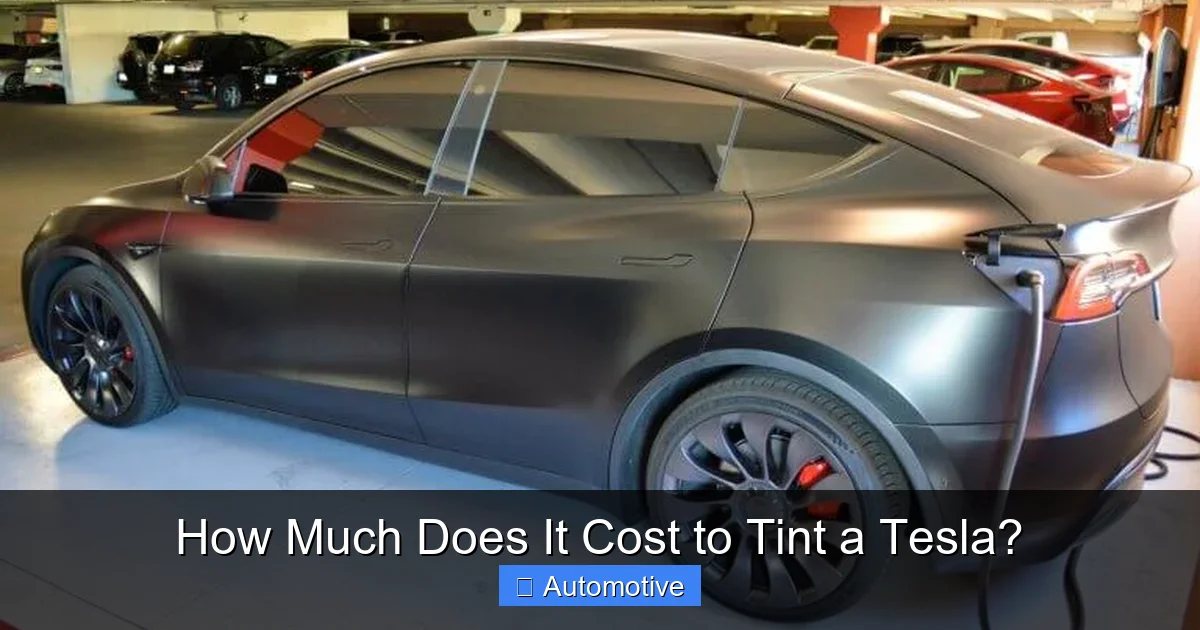
Visual guide about How Much Does It Cost to Tint a Tesla?
Image source: ezautospa.com
You might be tempted to save money with a DIY tint kit. After all, you can find full-window kits online for under $100. But is it worth it?
The Case for DIY Tinting
– Cost Savings: You can save $200–$500 by doing it yourself.
– Flexibility: Work on your own schedule.
– Satisfaction: There’s a sense of accomplishment in doing it yourself.
But here’s the catch: tinting a Tesla is harder than it looks.
Why Professional Installation Is Recommended
– Precision Matters: Teslas have curved windows, tight seals, and sensitive electronics. A poorly installed tint can cause bubbling, peeling, or even damage to window sensors.
– Film Quality: DIY kits often use dyed or low-grade films that fade quickly and offer minimal heat rejection.
– Warranty Protection: Most professional shops offer 5–10 year warranties. If the tint bubbles or peels, they’ll fix it for free.
– Experience with EVs: Not all tint shops understand the unique needs of electric vehicles. Professionals know how to avoid interference with key fobs, sensors, and autopilot cameras.
We’ve heard stories of DIYers ruining their rear windshield trying to cut film to fit the Model Y’s hatch. One owner even had to replace a window sensor after improper installation.
Bottom line: Unless you’re experienced with automotive tinting, go pro. The extra cost is worth the flawless finish and long-term reliability.
Choosing the Right Tint for Your Tesla
Visual guide about How Much Does It Cost to Tint a Tesla?
Image source: i.ebayimg.com
Not all tints are created equal. With so many options on the market, how do you pick the right one?
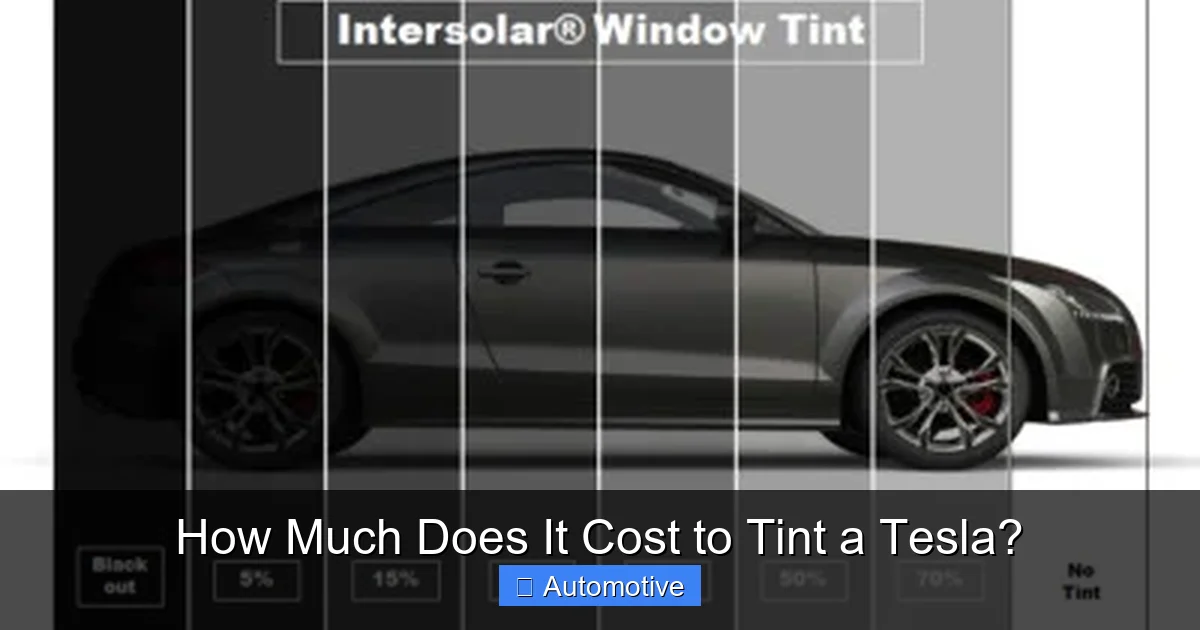
Visible Light Transmission (VLT)
VLT refers to the percentage of visible light that passes through the film. The lower the VLT, the darker the tint.
– 5% VLT: Very dark, almost opaque. Great for privacy but may be illegal for front windows.
– 20% VLT: Medium-dark. A popular choice for rear windows and sunroofs.
– 35% VLT: Light tint. Legal in most states for front side windows and offers a subtle look.
– 50–70% VLT: Very light. Often used on windshields (if allowed) or for minimal heat rejection.
For Teslas, many owners opt for 35% on front windows and 20% on rear and roof panels. This balances legality, visibility, and performance.
Ceramic vs. Carbon: Which Is Better?
Both ceramic and carbon films are excellent choices, but ceramic has the edge:
– Heat Rejection: Ceramic films reject up to 98% of infrared heat, compared to 70–80% for carbon.
– Clarity: Ceramic films are nearly invisible, with no haze or distortion.
– Durability: They resist fading and scratching better than carbon.
– Price: Ceramic is more expensive, but the performance justifies the cost for most Tesla owners.
If budget is a concern, carbon is a solid alternative. But for maximum comfort and protection, go ceramic.
Brand Recommendations
Stick with reputable brands to ensure quality and warranty support:
– 3M Crystalline: Industry leader with excellent heat rejection and clarity.
– Llumar Stratos: High-performance ceramic film with a lifetime warranty.
– Huper Optik: German-engineered, known for precision and durability.
– Avery Dennison: Offers great value with strong heat rejection.
Avoid no-name brands or “bargain” films sold on Amazon or eBay. They often fail within a year.
Legal Considerations and Tint Laws
Before you tint, check your state’s laws. Window tinting is regulated to ensure driver visibility and safety.
State-by-State Tint Laws
Tint laws vary widely. Here are a few examples:
– California: 70% VLT required for front side windows. No tint allowed on windshield except top 4–6 inches.
– Texas: 25% VLT for front side windows. Windshield tint allowed up to the AS-1 line.
– Florida: 28% VLT for front side windows. Windshield tint allowed up to 4 inches.
– New York: 70% VLT for front side windows. No windshield tint.
Most states allow darker tints (5–20% VLT) on rear windows and sunroofs.
Enforcement and Fines
Getting pulled over for illegal tint can result in fines ranging from $50 to $500, depending on the state. In some cases, you may be required to remove the tint at your own expense.
To avoid trouble, always confirm local laws before tinting. Many professional shops will verify legality as part of their service.
Tesla-Specific Considerations
Teslas have advanced driver-assistance systems (ADAS) that rely on cameras and sensors mounted behind the windshield and windows. Improper tinting can interfere with these systems.
Make sure your installer knows how to avoid blocking sensor zones. Most quality films are designed to be sensor-friendly, but placement matters.
Installation Process: What to Expect
Curious about how the tinting process works? Here’s a step-by-step overview of what happens when you take your Tesla to a professional shop.
Step 1: Consultation and Film Selection
The technician will discuss your needs—heat rejection, privacy, legality—and recommend the best film for your model and climate. They’ll also confirm VLT percentages and check local laws.
Step 2: Vehicle Preparation
Your car is cleaned thoroughly. Seats are covered, and interior trim is removed if needed. The technician will inspect windows for chips or damage that could affect adhesion.
Step 3: Film Cutting and Application
The film is precision-cut using a plotter or template. Then, it’s applied using a soapy solution that allows for repositioning. The technician uses a squeegee to remove air bubbles and ensure a smooth finish.
Step 4: Curing and Inspection
The tint needs 3–7 days to fully cure. During this time, avoid rolling down windows or cleaning the glass. The shop will inspect the work and provide care instructions.
Tips for a Smooth Experience
– Choose a reputable shop: Look for reviews, certifications, and Tesla experience.
– Ask about warranties: Most quality shops offer 5–10 year coverage.
– Schedule on a dry day: Humidity can affect adhesion.
– Be patient: Rushing the process leads to mistakes.
Maintaining Your Tinted Tesla
Once your Tesla is tinted, proper care ensures it lasts for years.
Cleaning Tips
– Use a soft microfiber cloth and ammonia-free cleaner.
– Avoid abrasive sponges or paper towels.
– Don’t use Windex or other ammonia-based products—they can degrade the film.
What to Avoid
– Rolling down windows during the curing period.
– Using sharp objects near the edges.
– Parking in direct sunlight for long periods during the first week.
Long-Term Care
With proper maintenance, high-quality tint can last 7–10 years. Watch for signs of peeling, bubbling, or discoloration. Most shops will repair minor issues under warranty.
Conclusion
So, how much does it cost to tint a Tesla? The answer ranges from $200 to $800, depending on your model, film choice, and installation method. While it’s an added expense, the benefits—comfort, privacy, UV protection, and energy efficiency—make it a smart investment for any Tesla owner.
For the best results, choose a ceramic film from a reputable brand and have it installed by a professional with Tesla experience. Avoid DIY kits unless you’re confident in your skills. And always check local tint laws to stay compliant.
Tinting your Tesla isn’t just about looks—it’s about enhancing your driving experience. Whether you’re cruising down the Pacific Coast Highway or navigating city traffic, a well-tinted Tesla keeps you cool, protected, and stylish.
So go ahead—treat your Tesla to the upgrade it deserves. Your future self (and your dashboard) will thank you.
Frequently Asked Questions
How much does it cost to tint a Tesla Model 3?
The average cost to tint a Tesla Model 3 ranges from $250 to $500, depending on the film type and installation quality. Ceramic films on the higher end can push the price closer to $500.
Can I tint my Tesla’s glass roof?
Yes, you can tint the glass roof, but it’s more expensive and complex. Expect to pay $150–$300 extra for the roof alone, especially on models like the Model X or Model S with large panoramic roofs.
Will tinting void my Tesla warranty?
No, tinting your windows will not void your Tesla warranty, as long as it’s done professionally and doesn’t damage sensors or seals. Always use a certified installer to avoid issues.
How long does it take to tint a Tesla?
Professional tinting typically takes 2–4 hours, depending on the model and number of windows. Larger models like the Model X may take longer due to complex glass shapes.
Is ceramic tint worth the extra cost?
Yes, ceramic tint is worth the investment for most Tesla owners. It offers superior heat rejection, UV protection, and clarity, and won’t interfere with electronics like metallic films can.
Can I remove tint from my Tesla?
Yes, tint can be removed, but it’s best done by a professional to avoid damaging the glass or defroster lines. DIY removal can leave adhesive residue or scratch the glass.