
How to Know When You Need a New Car Battery

Your car battery is the heart of your vehicle’s electrical system, and knowing when it’s time for a replacement can save you from unexpected breakdowns. From slow engine cranks to dim headlights, recognizing the early warning signs helps you avoid being stranded. With proper testing and maintenance, you can extend your battery’s life and ensure reliable performance year-round.
Key Takeaways
- Slow engine crank is a red flag: If your engine takes longer than usual to start, especially in cold weather, your battery may be losing power.
- Dim headlights and electrical issues: Flickering lights or weak interior electronics often point to a failing battery.
- Check Engine or Battery Warning Light: Modern cars alert you with dashboard warnings—don’t ignore them.
- Swollen battery case or corrosion: Physical damage or white, powdery buildup on terminals indicates battery stress or leakage.
- Age matters—most batteries last 3–5 years: Even if it seems fine, a battery older than five years should be tested regularly.
- Extreme temperatures shorten battery life: Both hot summers and cold winters can accelerate battery wear.
- Regular testing prevents surprises: Use a multimeter or visit a mechanic for a free battery check every six months.
📑 Table of Contents
How to Know When You Need a New Car Battery
Picture this: It’s a chilly Monday morning, you’re running late for work, and you hop into your car—only to find it won’t start. The engine groans, the dashboard lights flicker, and you’re left staring at a silent ignition. Sound familiar? If so, your car battery might be the culprit.
Your car battery is more than just a power source—it’s the lifeline that keeps your vehicle’s electrical systems running. From starting the engine to powering your headlights, radio, and even your phone charger, the battery plays a crucial role every time you drive. But like any component, it doesn’t last forever. Most car batteries last between three and five years, and knowing when to replace one can mean the difference between a smooth commute and a roadside breakdown.
The good news? You don’t have to wait for a complete failure to act. There are clear signs that your battery is on its last legs. By learning to recognize these symptoms early, you can replace your battery proactively, avoid inconvenient breakdowns, and even extend the life of your vehicle’s electrical system. In this guide, we’ll walk you through the most common warning signs, how to test your battery at home, and tips for maintaining it so you get the most out of every charge.
Common Warning Signs Your Battery Is Failing
One of the best ways to know when you need a new car battery is to pay attention to how your car behaves. Batteries don’t usually die overnight—they give you clues long before they completely give out. Here are the most common signs that your battery is struggling.
Visual guide about How to Know When You Need a New Car Battery
Image source: compressorlab.com
Slow Engine Crank
The most obvious sign of a weak battery is a slow engine crank. When you turn the key or press the start button, the engine should fire up quickly and smoothly. But if it takes longer than usual—especially if you hear a clicking sound or the engine turns over sluggishly—your battery may not have enough power to start the car.
For example, imagine you’re used to your car starting instantly, but one morning it takes three or four seconds of cranking before the engine catches. That delay is a red flag. In cold weather, this issue becomes even more pronounced because batteries lose efficiency in low temperatures. If your car struggles to start on chilly mornings, it’s time to get your battery checked.
Dim or Flickering Headlights
Your headlights are a great indicator of your battery’s health. When the battery is strong, your headlights shine bright and steady. But if they appear dim—especially when the engine is idling—or if they flicker when you turn on other electrical components like the radio or air conditioning, your battery may be failing.
This happens because the alternator powers most electrical systems while the engine is running, but the battery still supplies initial power. If the battery is weak, it can’t support the electrical load, causing lights to dim. Try this simple test: turn on your headlights with the engine off. If they’re noticeably dim, your battery likely isn’t holding a full charge.
Dashboard Warning Lights
Modern vehicles are equipped with sophisticated onboard diagnostics that monitor your battery and charging system. If your battery is failing, you may see a warning light on your dashboard—usually labeled “Battery,” “ALT,” or “Check Engine.”
Don’t ignore these lights. While they can indicate other issues like a faulty alternator, they often point to a weak or dying battery. If the battery warning light comes on while driving, it means your car isn’t charging properly, and you could lose power at any moment. Pull over safely and have your battery tested immediately.
Electrical Issues and Accessory Malfunctions
A failing battery can cause all sorts of electrical problems. You might notice that your power windows move slowly, your radio resets frequently, or your dashboard displays flicker. Even your car’s computer systems can behave erratically if the battery isn’t supplying consistent power.
For instance, if your GPS loses signal every time you start the car or your seat heaters take longer to warm up, it could be due to low voltage from a weak battery. These subtle issues are easy to overlook, but they’re often early warning signs that your battery is nearing the end of its life.
Physical Signs of Battery Problems
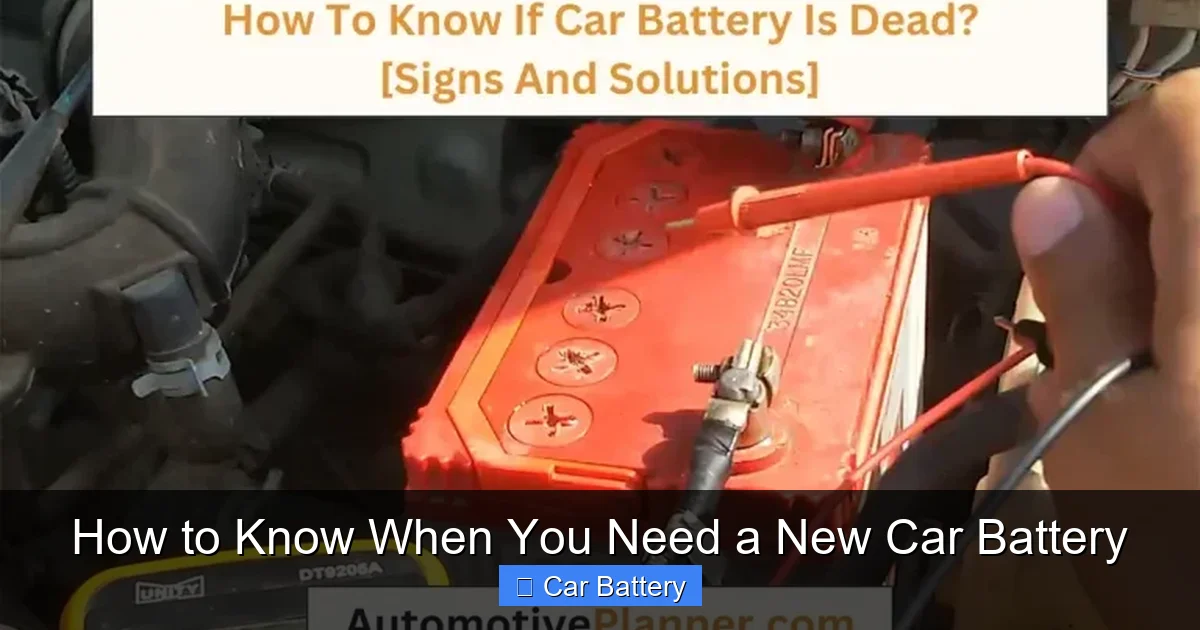
Sometimes, the signs of a failing battery aren’t just about performance—they’re visible. A quick visual inspection can reveal a lot about your battery’s condition.
Visual guide about How to Know When You Need a New Car Battery
Image source: automotiveplanner.com
Swollen or Bloated Battery Case
Batteries are sealed units, but extreme temperatures can cause them to expand. If you notice that the battery case looks swollen or bloated, it’s a sign of internal damage. This usually happens when a battery overheats—common in hot climates or if the car is parked in direct sunlight for long periods.
A swollen battery is dangerous. It can leak acid, damage surrounding components, or even explode under pressure. If you see this, don’t try to jump-start the car. Replace the battery immediately and have the charging system checked to prevent future damage.
Corrosion on Battery Terminals
Corrosion appears as a white, green, or blue powdery substance around the battery terminals. It’s caused by a chemical reaction between the battery acid and the metal connectors. While a small amount of corrosion is normal, heavy buildup can interfere with the flow of electricity, reducing your battery’s performance.
You can clean mild corrosion with a mixture of baking soda and water and a wire brush. But if the corrosion is severe or keeps returning, it may indicate a leaking battery or overcharging issue. In that case, it’s best to have a professional inspect both the battery and the alternator.
Low Battery Fluid Level
Some batteries have removable caps that allow you to check the fluid level. If the electrolyte (the liquid inside) is below the lead plates, your battery may not be functioning properly. Low fluid levels can result from overcharging, evaporation in hot weather, or a cracked case.
Never open a sealed maintenance-free battery. But if your battery has caps, check the fluid level regularly. Top it off with distilled water if needed—never tap water, which contains minerals that can damage the battery.
How Age and Usage Affect Battery Life
Even if your battery shows no obvious signs of failure, age is a major factor in determining when you need a new one. Most car batteries are designed to last between three and five years, but that lifespan can vary based on driving habits, climate, and maintenance.
Visual guide about How to Know When You Need a New Car Battery
Image source: thedailyautomotive.com
The 3-to-5-Year Rule
Think of your battery like a smartphone battery—it gradually loses capacity over time. After about three years, you may start noticing small performance dips. By year five, the risk of failure increases significantly. Even if your car starts fine, a battery older than five years should be tested regularly.
For example, if you bought your car used and don’t know when the battery was last replaced, assume it’s nearing the end of its life. A quick check at an auto parts store can tell you the battery’s age and condition. Many stores offer free battery testing, so there’s no excuse not to stay on top of it.
Impact of Short Trips and Infrequent Driving
If you mostly take short trips—like driving to work and back—your battery may not get enough time to fully recharge. The alternator needs about 20–30 minutes of driving to restore the power used during startup. Frequent short trips can leave your battery in a constant state of low charge, shortening its lifespan.
Similarly, if your car sits unused for days or weeks, the battery can slowly drain due to parasitic loads—small amounts of power used by clocks, alarms, and onboard computers. This is especially common in older vehicles or those with aftermarket electronics.
To combat this, consider using a battery maintainer or trickle charger if you don’t drive often. These devices keep your battery topped up without overcharging it, helping it last longer.
Extreme Temperatures and Battery Wear
Both extreme heat and cold can shorten your battery’s life. In hot climates, high temperatures accelerate chemical reactions inside the battery, causing it to degrade faster. In cold weather, the battery’s ability to deliver power drops significantly—by as much as 50% at 0°F (-18°C).
If you live in a region with harsh winters or scorching summers, your battery may need replacing sooner than average. Parking in a garage or using a battery insulation blanket can help protect it from temperature extremes.
How to Test Your Car Battery at Home
You don’t need to be a mechanic to test your car battery. With a few simple tools, you can check its voltage and overall health from your driveway.
Using a Multimeter
A multimeter is an inexpensive tool that measures electrical voltage. Here’s how to use it to test your battery:
- Turn off the engine and all electrical accessories.
- Set the multimeter to DC voltage (usually marked as “V” with a straight line).
- Touch the red probe to the positive terminal (+) and the black probe to the negative terminal (-).
- Read the voltage:
- 12.6V or higher: Fully charged battery.
- 12.4V: About 75% charged—still good.
- 12.2V or lower: Weak or discharged battery—needs charging or replacement.
If the voltage drops below 12V after the car has been off for a few hours, your battery may not be holding a charge. Start the engine and test again—if the voltage jumps to 13.7–14.7V, the alternator is working. If it stays low, the battery is likely failing.
Load Testing
A load test simulates the demand placed on the battery when starting the engine. While professional load testers are more accurate, some auto parts stores offer free load testing. They’ll connect a device that applies a heavy load to the battery and measure how well it holds voltage under stress.
A healthy battery should maintain at least 9.6V during a 15-second load test. If it drops below that, it’s time for a replacement.
Free Battery Testing at Auto Stores
Many national chains like AutoZone, Advance Auto Parts, and O’Reilly Auto Parts offer free battery testing. They’ll check your battery, alternator, and starter to determine if any component is failing. This is a great way to get a professional opinion without spending money.
Just drive in, and a technician will hook up a diagnostic tool to your battery. Within minutes, you’ll know if it’s time for a new one—and many stores will even install it for free with purchase.
When to Replace vs. When to Recharge
Not every battery issue requires a full replacement. Sometimes, a simple recharge is all you need.
Jump-Starting a Dead Battery
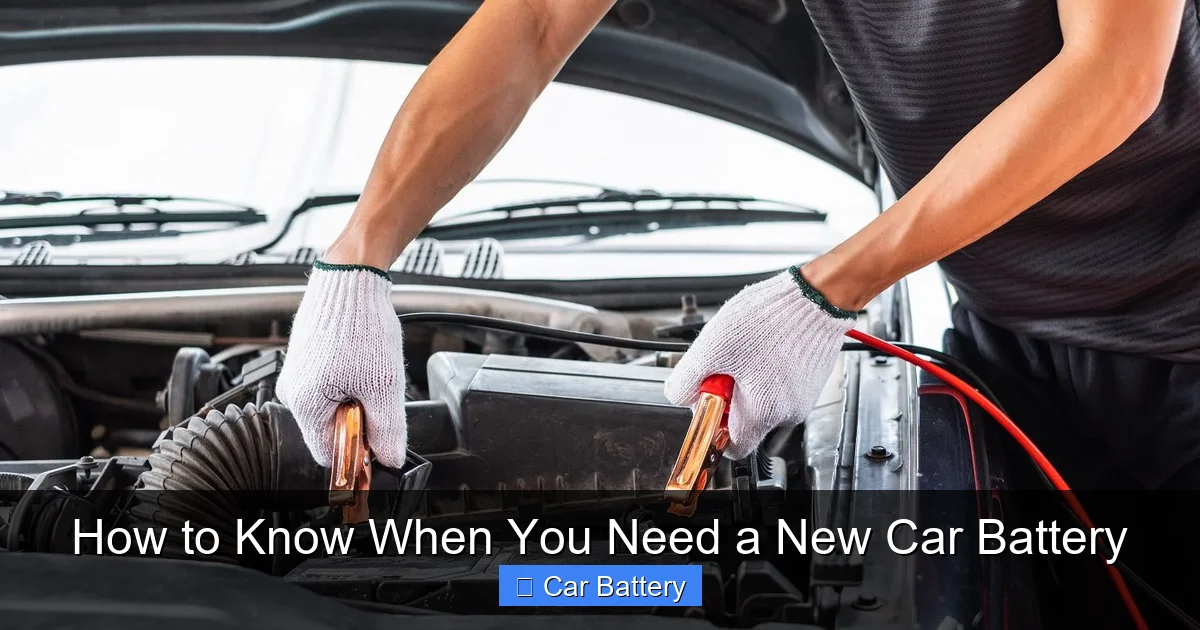
If your car won’t start but the battery isn’t old or damaged, a jump-start might get you back on the road. Use jumper cables and another vehicle (or a portable jump starter) to supply power. Once the engine is running, let it idle for 20–30 minutes to allow the alternator to recharge the battery.
However, if your battery dies frequently—even after a jump—it’s likely not holding a charge and needs replacement.
Using a Battery Charger
A battery charger can revive a weak battery, especially if it’s been drained by leaving lights on or infrequent use. Connect the charger according to the manufacturer’s instructions and let it charge for several hours. Slow charging (trickle charging) is best for maintaining battery health.
But remember: a charger can’t fix a physically damaged or aged battery. If your battery is more than five years old or shows signs of swelling or corrosion, replacement is the safer option.
Tips to Extend Your Battery’s Life
Prevention is key when it comes to battery longevity. A few simple habits can help your battery last longer and perform better.
Drive Regularly
The best way to keep your battery charged is to drive your car regularly. Aim for at least 20–30 minutes of continuous driving a few times a week. This gives the alternator enough time to recharge the battery fully.
Turn Off Accessories When Idling
Avoid using high-drain accessories like the radio, air conditioning, or heated seats when the engine is off. These can drain the battery quickly, especially if you’re parked for more than a few minutes.
Clean Battery Terminals
Check your battery terminals every few months and clean off any corrosion. Use a mixture of baking soda and water and a wire brush to scrub the terminals. Apply a thin layer of petroleum jelly or terminal protector to prevent future buildup.
Secure the Battery
A loose battery can vibrate and damage internal components. Make sure it’s securely mounted in the tray. If the hold-down clamp is loose or missing, replace it to prevent movement.
Protect from Extreme Temperatures
Park in a garage or shaded area when possible. In winter, consider using a battery warmer or insulation blanket. In summer, a reflective sunshade can help keep the engine bay cooler.
Conclusion
Knowing when you need a new car battery doesn’t have to be a guessing game. By paying attention to warning signs like slow cranking, dim lights, and dashboard alerts—and by testing your battery regularly—you can stay ahead of problems and avoid unexpected breakdowns.
Remember, your battery is a vital part of your vehicle’s health. It’s not just about starting the car—it powers everything from your safety systems to your comfort features. With proper care and timely replacement, you can ensure reliable performance and peace of mind on every drive. So don’t wait until it’s too late. Check your battery today, and keep your car running strong for miles to come.
Frequently Asked Questions
How often should I replace my car battery?
Most car batteries last between three and five years. However, factors like climate, driving habits, and maintenance can affect lifespan. Test your battery annually after the three-year mark to determine if replacement is needed.
Can a bad alternator mimic a dead battery?
Yes, a faulty alternator can cause symptoms similar to a weak battery, such as dim lights and slow cranking. A professional test can determine whether the issue is the battery, alternator, or both.
Is it safe to jump-start a swollen battery?
No, a swollen battery may be leaking or at risk of explosion. Do not attempt to jump-start it. Replace the battery immediately and have your charging system inspected.
Can I test my battery without a multimeter?
Yes, many auto parts stores offer free battery testing. They use professional equipment to check voltage, load capacity, and overall health—no tools required on your part.
What should I do if my battery keeps dying?
Frequent battery deaths may indicate a parasitic drain, faulty alternator, or old battery. Have a mechanic perform a diagnostic test to identify the root cause and recommend repairs.
Do I need to reprogram my car after replacing the battery?
Some vehicles may require reprogramming for features like radio presets, security systems, or adaptive settings. Check your owner’s manual or consult a technician to see if reprogramming is necessary.
