
Order for Jumping Car Battery

Stranded with a dead car battery? Knowing how to order for jumping car battery—whether tools, cables, or portable jump starters—can save your day. This guide covers everything from choosing the right equipment to safe jump-starting techniques and where to buy reliable gear.
Key Takeaways
- Understand your options: You can order for jumping car battery using jumper cables, portable jump starters, or battery chargers—each suited for different situations.
- Safety first: Always follow proper procedures to avoid sparks, shocks, or damage to your vehicle’s electronics.
- Check compatibility: Ensure your jump-starting device matches your car’s voltage (usually 12V) and engine size.
- Buy from trusted retailers: Purchase from reputable auto stores or online marketplaces with verified reviews and return policies.
- Maintain your tools: Store jumper cables and jump starters properly to ensure they work when needed most.
- Know when to call a pro: If your battery dies frequently, it may signal a deeper issue requiring professional diagnosis.
📑 Table of Contents
- Why You Might Need to Order for Jumping Car Battery
- Types of Equipment You Can Order for Jumping Car Battery
- How to Safely Jump-Start Your Car
- Where to Order for Jumping Car Battery Tools
- Choosing the Right Product: What to Look For
- Maintenance Tips to Keep Your Tools Ready
- When a Jump Isn’t Enough: Signs You Need a New Battery
- Conclusion
Why You Might Need to Order for Jumping Car Battery
Picture this: It’s early morning, you’re running late for work, and you turn the key—only to hear a weak click or nothing at all. Your car won’t start. Chances are, you’re dealing with a dead battery. While replacing the battery is one solution, sometimes all you need is a quick jump to get back on the road. That’s where knowing how to order for jumping car battery becomes essential.
A dead battery can happen to anyone—extreme temperatures, leaving lights on, or an aging battery are common culprits. Instead of waiting for roadside assistance (which can take hours and cost a fortune), having the right tools on hand lets you handle the situation yourself. Whether you’re preparing for winter, traveling long distances, or just want peace of mind, investing in quality jump-starting equipment is smart. And thanks to today’s online shopping options, ordering for jumping car battery has never been easier.
Types of Equipment You Can Order for Jumping Car Battery
Visual guide about Order for Jumping Car Battery
Image source: i.pinimg.com
When it comes to reviving a dead battery, you have several tools to choose from. Each has its pros and cons, so picking the right one depends on your needs, budget, and how often you expect to use it.
Jumper Cables
The classic solution—jumper cables are affordable, widely available, and effective when used correctly. They connect your dead battery to a live one from another vehicle. Most sets cost between $20 and $50, and they’re lightweight enough to store in your trunk.
However, jumper cables require a second vehicle and a good Samaritan willing to help. They also demand careful handling: connecting the clamps in the wrong order can cause sparks, damage electronics, or even explode the battery. Always follow the red-positive, black-negative rule and double-check connections before starting the donor car.
Portable Jump Starters
These compact, battery-powered devices are game-changers. A portable jump starter (also called a jump box) doesn’t need another car—it stores its own charge and delivers a powerful boost directly to your battery. Many modern models include USB ports, LED flashlights, and even air compressors.
Prices range from $50 to $200, depending on capacity and features. Look for one with at least 1000 peak amps for most sedans and SUVs. Brands like NOCO, Jump-N-Carry, and Tacklife are well-reviewed. The best part? You can recharge them via wall outlet or car charger, so they’re ready whenever you need them.
Battery Chargers
While not used for immediate jumps, battery chargers are great for long-term maintenance. They slowly restore a dead or weak battery over several hours. If your battery dies frequently, a smart charger can help extend its life by preventing sulfation (a buildup that reduces capacity).
Chargers vary from basic trickle models ($30–$60) to advanced “smart” versions ($80–$150) that automatically adjust voltage and prevent overcharging. They’re ideal for seasonal vehicles or if you live in a cold climate where batteries drain faster.
How to Safely Jump-Start Your Car
Visual guide about Order for Jumping Car Battery
Image source: i.pinimg.com
Even with the right tools, jumping a car incorrectly can be dangerous. Follow these steps to do it safely—whether you’re using jumper cables or a portable jump starter.
Step-by-Step Guide Using Jumper Cables
1. Park safely: Position the donor car close but not touching yours. Turn off both engines and engage the parking brakes.
2. Identify terminals: Open both hoods and locate the positive (+) and negative (−) battery terminals. They’re usually marked in red and black.
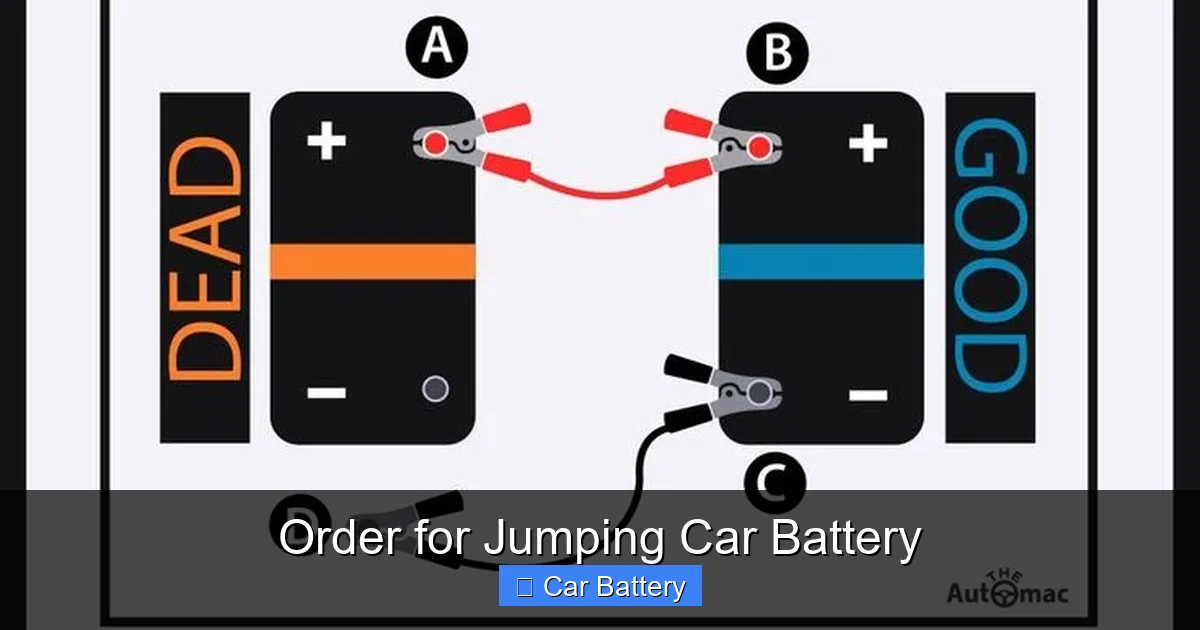
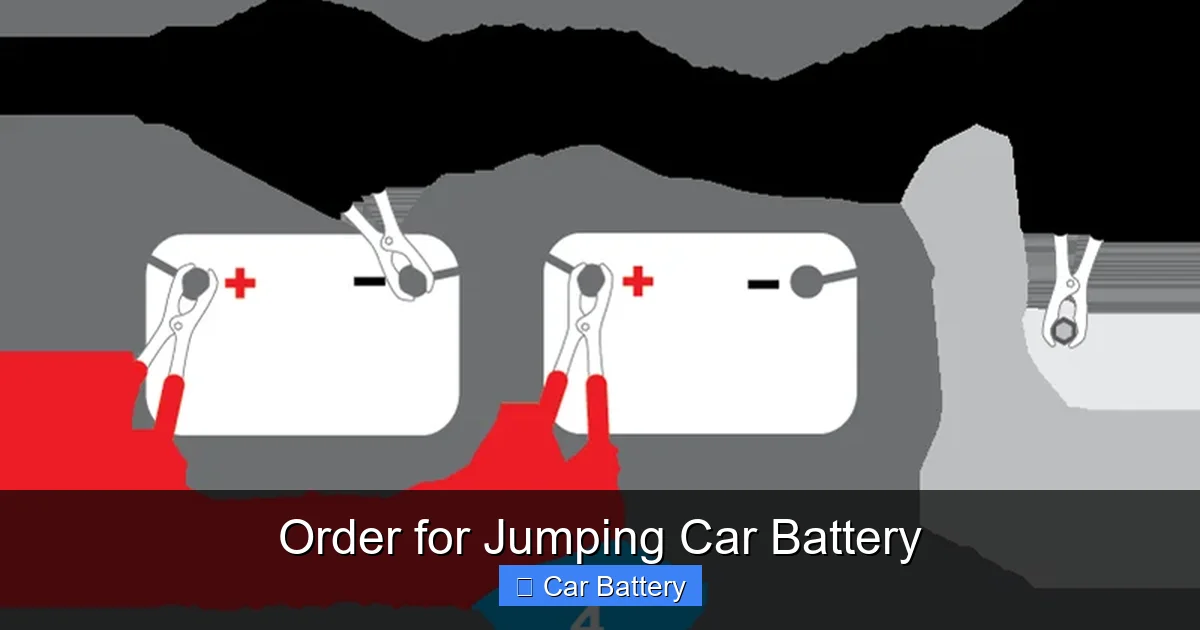
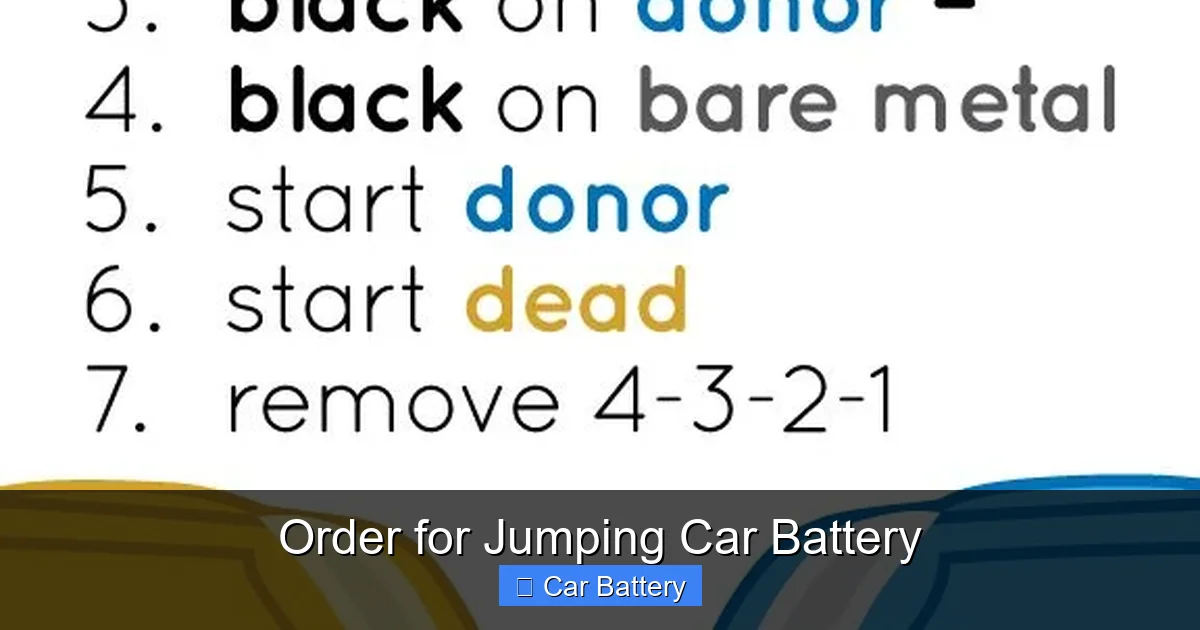
3. Connect cables: Attach one red clamp to the dead battery’s positive terminal. Connect the other red clamp to the donor battery’s positive terminal. Then, attach one black clamp to the donor’s negative terminal. Finally, connect the last black clamp to an unpainted metal surface on your car (like a bolt or bracket)—not the dead battery’s negative terminal. This reduces sparking risk.
4. Start the donor car: Let it run for 2–3 minutes to charge your battery.
5. Try starting your car: If it starts, leave it running for at least 15 minutes to recharge. If not, wait a few more minutes and try again.
6. Disconnect in reverse: Remove the black clamp from your car first, then the donor’s negative, followed by the red clamps.
Using a Portable Jump Starter
1. Charge the device: Make sure your jump starter is fully charged before use.
2. Connect the clamps: Attach red to positive, black to negative (or a metal ground if recommended by the manual).
3. Power on and start: Turn on the jump starter, wait a few seconds, then try starting your car.
4. Disconnect safely: Turn off the device and remove clamps in reverse order.
Always read your device’s manual—some jump starters have safety features like reverse polarity alarms or automatic shutoff.
Where to Order for Jumping Car Battery Tools
Visual guide about Order for Jumping Car Battery
Image source: i.pinimg.com
You don’t have to visit a physical store to get what you need. Many reliable retailers offer fast shipping and competitive prices online.
Online Retailers
Amazon, Walmart, and AutoZone’s website are top choices. They offer detailed product descriptions, customer reviews, and easy returns. Look for items with 4+ star ratings and verified purchase reviews. For example, the NOCO Boost Plus GB40 has over 50,000 reviews and is praised for its reliability and compact design.
When ordering online, check shipping times—especially if you need the item urgently. Prime members often get next-day delivery, while standard shipping may take 3–5 days. Also, watch for bundle deals: some sellers include carrying cases, gloves, or tire inflators.
Local Auto Parts Stores
Stores like Advance Auto Parts, O’Reilly Auto Parts, and NAPA allow you to order online and pick up in-store within hours. This is great if you’re stranded and need help fast. Staff can also offer advice on compatibility and usage.
Don’t forget to ask about warranties. Many jump starters come with 1–3 year guarantees, and some stores offer free testing for your car’s battery and charging system.
Choosing the Right Product: What to Look For
Not all jump-starting tools are created equal. Here’s how to pick the best one for your needs.
Amperage Rating
This measures how much power the device can deliver. For most cars, 400–600 peak amps are sufficient. Trucks and large SUVs may need 1000+ amps. Check your owner’s manual for recommendations.
Battery Type Compatibility
Ensure the device works with your battery type—lead-acid, AGM, gel, or lithium. Most modern jump starters support multiple types, but always verify.
Portability and Weight
If you travel often or have limited trunk space, opt for a lightweight model under 3 pounds. Some even fit in a glove compartment.
Additional Features
USB ports let you charge phones, tablets, or dash cams. LED lights are useful during nighttime emergencies. Some models include digital displays showing battery level or error codes.
Durability and Weather Resistance
Look for devices with rugged casings and operating temperatures between -4°F and 140°F. This ensures they work in snow, rain, or heat.
Maintenance Tips to Keep Your Tools Ready
Buying the right equipment is only half the battle—keeping it in working order is just as important.
Store Properly
Keep jumper cables coiled neatly in a dry, cool place. Avoid wrapping them tightly around metal objects, which can damage wires. For jump starters, store them at 50–80% charge in a temperature-controlled environment.
Recharge Regularly
Even if unused, recharge your jump starter every 3–6 months. Lithium-ion batteries degrade over time, and a fully drained unit may not hold a charge.
Inspect Before Use
Check cables for fraying, cracks, or loose clamps. Test your jump starter monthly by turning it on and checking the battery indicator. Replace any damaged parts immediately.
Clean Terminals
Corrosion on battery terminals can prevent a good connection. Use a wire brush and baking soda solution to clean them before jumping.
When a Jump Isn’t Enough: Signs You Need a New Battery
Sometimes, a jump start is just a temporary fix. If your battery dies repeatedly, it might be time for a replacement.
Common Warning Signs
– Slow engine crank (the car turns over sluggishly)
– Dim headlights or interior lights
– Clicking sound when turning the key
– Battery warning light on the dashboard
– Battery age over 3–5 years
Cold weather worsens these issues. If your car struggles to start below 40°F, the battery may no longer hold a charge. Visit a mechanic or auto parts store for a free battery test. Most will check voltage, cranking amps, and overall health in minutes.
Preventive Measures
– Turn off lights, radio, and accessories when the engine is off.
– Use a battery maintainer if the car sits unused for weeks.
– Park in a garage during winter to reduce cold stress.
– Have your alternator checked—it should recharge the battery while driving.
Conclusion
A dead car battery doesn’t have to ruin your day. With the right knowledge and tools, you can handle the situation confidently and safely. Whether you choose to order for jumping car battery cables, a portable jump starter, or a smart charger, being prepared saves time, money, and stress.
Remember: safety comes first. Always follow proper procedures, inspect your equipment regularly, and know when to seek professional help. Investing in quality gear from trusted retailers ensures reliability when you need it most. Keep your jump-starting tools accessible, maintain them well, and you’ll never be left stranded again.
Frequently Asked Questions
Can I order for jumping car battery tools online safely?
Yes, you can safely order for jumping car battery equipment online from reputable retailers like Amazon, AutoZone, or Walmart. Look for products with verified reviews, clear specifications, and return policies to ensure quality and reliability.
Do I need a portable jump starter or jumper cables?
It depends on your situation. Jumper cables are cheaper and work well if you have access to another vehicle. Portable jump starters are more convenient, especially for solo drivers or frequent travelers, since they don’t require a second car.
How often should I recharge my portable jump starter?
Recharge your portable jump starter every 3 to 6 months, even if you haven’t used it. This maintains battery health and ensures it’s ready when needed. Always store it at 50–80% charge for optimal longevity.
Can I jump-start a car in the rain?
Yes, but take extra precautions. Ensure all connections are dry and secure. Avoid touching metal parts while the cables are connected. Modern jump starters often have weather-resistant designs, but never submerge them in water.
What should I do if my car still won’t start after a jump?
If your car doesn’t start after a proper jump, the issue may be more than a dead battery. It could be a faulty alternator, starter motor, or electrical problem. Have a professional mechanic diagnose the issue to avoid further damage.
Are all car batteries 12 volts?
Most passenger vehicles use 12-volt batteries, but some older models or heavy-duty trucks may use 6-volt or 24-volt systems. Always check your owner’s manual or battery label before ordering for jumping car battery tools to ensure compatibility.