
What Size Wrench for Car Battery

Knowing the correct wrench size for your car battery is essential for safe maintenance and replacement. Most vehicles use 8mm, 10mm, or 13mm wrenches, but always check your owner’s manual or inspect the terminals first.
Key Takeaways
- Common wrench sizes: Most car batteries use 8mm, 10mm, or 13mm wrenches for terminal connections.
- Check your vehicle: Wrench size can vary by make, model, and year—always verify before starting.
- Use the right tool: A socket wrench or combination wrench works best; avoid adjustable wrenches if possible.
- Safety first: Always disconnect the negative terminal first and reconnect it last to prevent sparks or short circuits.
- Inspect terminals: Look for corrosion or damage—clean terminals ensure a secure connection and accurate wrench fit.
- Carry a multi-size kit: A small set with 8mm, 10mm, and 13mm sockets prepares you for most vehicles.
- Avoid over-tightening: Snug is enough—over-tightening can strip threads or crack battery posts.
📑 Table of Contents
What Size Wrench for Car Battery? A Complete Guide
Have you ever popped the hood of your car, ready to replace or clean the battery, only to realize you don’t know what size wrench to use? You’re not alone. Many drivers—even experienced ones—find themselves scratching their heads when it comes to the right tool for disconnecting car battery terminals. It seems simple, but using the wrong wrench can lead to stripped bolts, damaged terminals, or even electrical hazards.
The good news? Most car batteries use one of just a few standard wrench sizes. Once you know what to look for, you’ll be able to handle battery maintenance like a pro. Whether you’re jump-starting your car, replacing an old battery, or cleaning corroded terminals, having the correct wrench on hand makes all the difference. In this guide, we’ll walk you through everything you need to know about choosing the right wrench size, why it matters, and how to do it safely and effectively.
Why the Right Wrench Size Matters
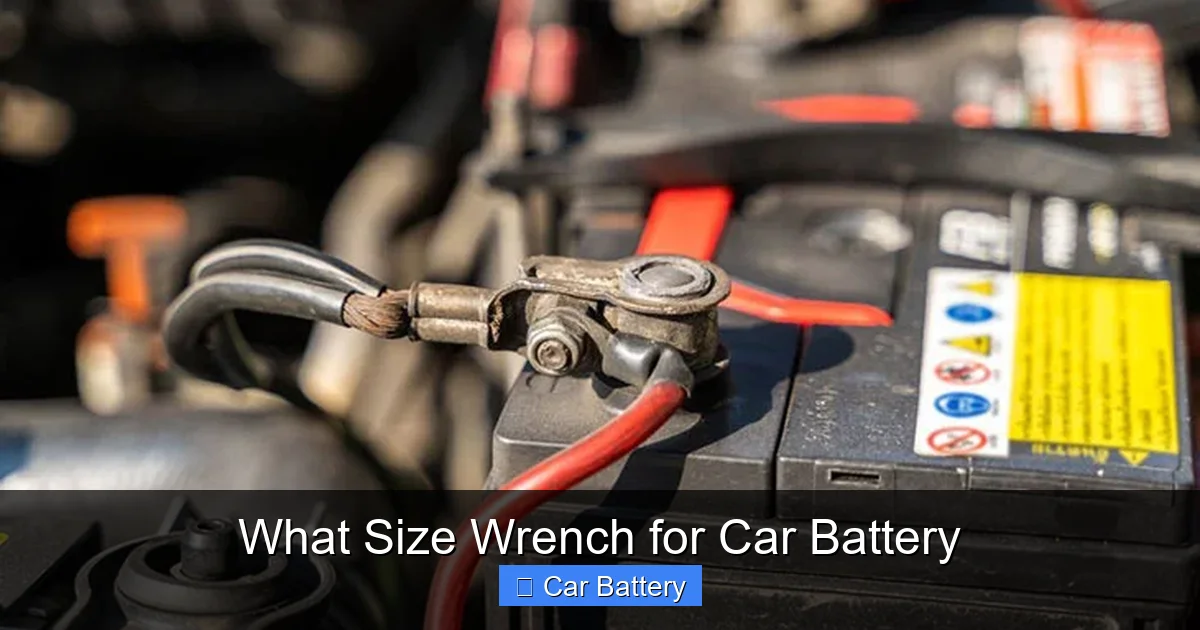
Using the correct wrench size isn’t just about convenience—it’s about safety and preventing damage. Car battery terminals are made of soft lead, which can easily strip or crack if you use a wrench that’s too big or too small. A loose fit can slip, potentially causing sparks near flammable battery gases. On the other hand, forcing a wrench that’s too tight can damage the bolt or the terminal itself.
Visual guide about What Size Wrench for Car Battery
Image source: bryansgarage.com
Additionally, modern vehicles often have sensitive electronics that can be affected by improper battery handling. A sudden short circuit or power surge during disconnection can fry control modules, sensors, or even the infotainment system. That’s why precision matters. The right wrench ensures a secure, controlled connection and disconnection, minimizing risk and maximizing efficiency.
Common Risks of Using the Wrong Wrench
- Stripped bolts: A loose-fitting wrench can round off the edges of the terminal nut, making future removal nearly impossible.
- Cracked terminals: Applying too much force with an ill-fitting tool can fracture the lead terminal, requiring costly repairs.
- Electrical shorts: Slipping wrenches can bridge the positive and negative terminals, causing sparks, heat, or even battery explosion.
- Damage to surrounding components: A slipping tool might hit nearby plastic covers, hoses, or wiring harnesses.
By using the correct wrench size, you protect both your vehicle and yourself. It’s a small step that pays big dividends in safety and peace of mind.
Most Common Wrench Sizes for Car Batteries
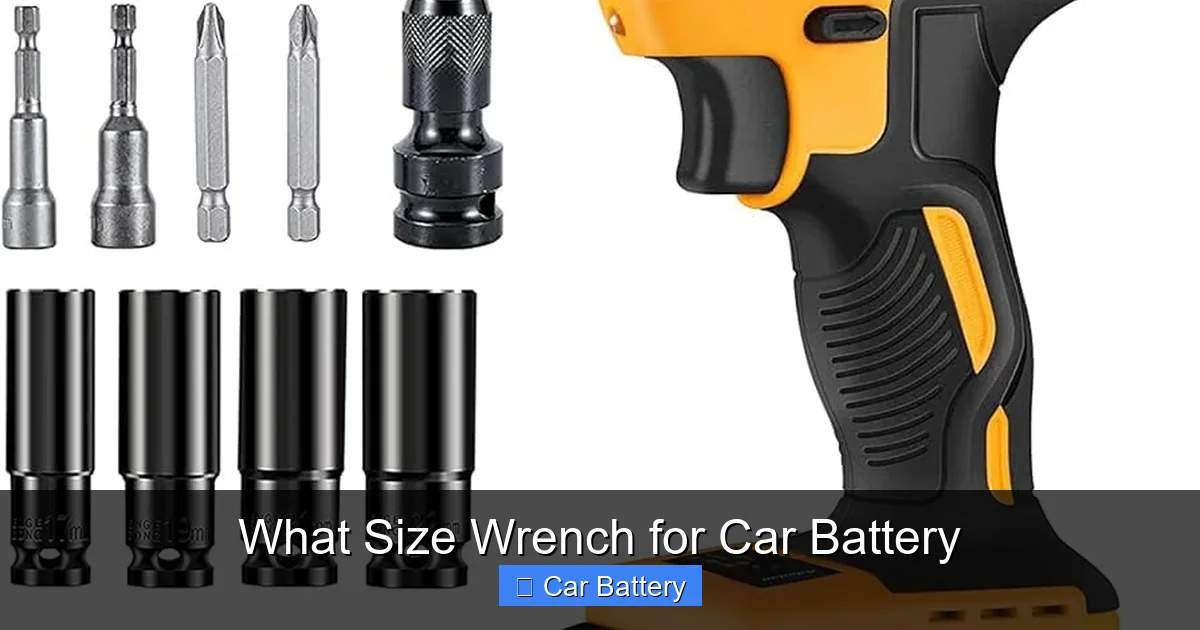
While there’s no universal standard across all vehicles, most car batteries use one of three common wrench sizes: 8mm, 10mm, or 13mm. These sizes correspond to the nuts that secure the battery cables to the positive and negative terminals. Let’s break down each one and where you’re likely to find them.
Visual guide about What Size Wrench for Car Battery
Image source: m.media-amazon.com
8mm Wrench
The 8mm wrench is commonly used in smaller vehicles, especially compact cars and some Japanese imports like Honda, Toyota, and Nissan. These cars often have tighter engine bays and smaller battery terminals to save space. If you drive a subcompact or hybrid model, there’s a good chance you’ll need an 8mm wrench.
Example: A 2018 Honda Civic typically uses an 8mm nut on both the positive and negative terminals. The compact design means every millimeter counts, and the smaller wrench fits snugly without interfering with nearby components.
10mm Wrench
The 10mm wrench is perhaps the most widely used size across a variety of vehicles. It’s common in American-made cars like Ford, Chevrolet, and Dodge, as well as many European models such as Volkswagen and BMW. This size strikes a balance between strength and accessibility, making it a go-to for many manufacturers.
Example: A 2020 Ford F-150 uses 10mm nuts on its battery terminals. The slightly larger size provides a secure grip, which is important for trucks that may experience more vibration and stress.
13mm Wrench
The 13mm wrench is typically found in larger vehicles, including SUVs, trucks, and some luxury cars. These vehicles often have higher-capacity batteries with thicker cables and larger terminals, requiring a bigger wrench for proper torque.
Example: A 2022 Chevrolet Tahoe uses 13mm nuts on its battery terminals. The larger size ensures a strong connection capable of handling the electrical demands of a full-size SUV.
How to Confirm the Right Size
Even with these general guidelines, the best way to know for sure is to inspect your battery. Open the hood and look at the nuts securing the cables to the terminals. Use a wrench or socket that fits snugly without forcing it. If you’re unsure, try each of the three common sizes in order: 8mm, 10mm, then 13mm. The correct one will fit perfectly with minimal wiggle.
Pro Tip: Bring a small flashlight and a set of combination wrenches when inspecting. Some engine bays are tight, and visibility can be poor. A well-lit view helps you avoid mistakes.
Types of Wrenches to Use
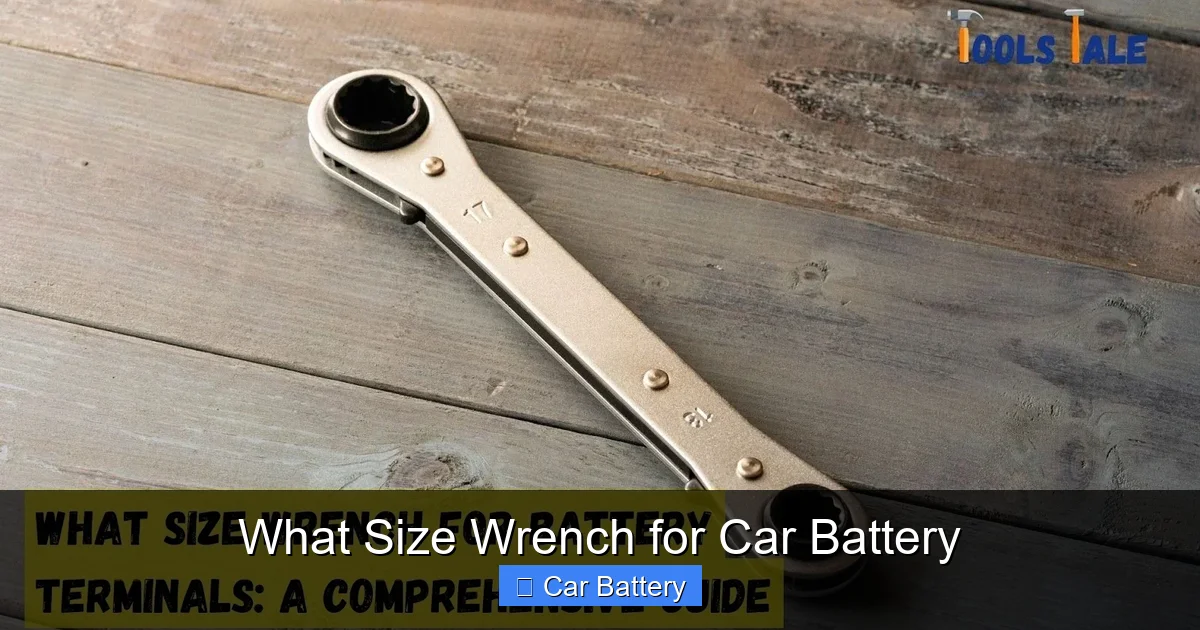
Now that you know the common sizes, let’s talk about the types of wrenches that work best for car battery maintenance. Not all wrenches are created equal, and choosing the right tool can make the job easier and safer.
Visual guide about What Size Wrench for Car Battery
Image source: toolstale.com
Socket Wrench (Recommended)
A socket wrench with a ratcheting mechanism is ideal for battery work. It allows you to turn the nut in tight spaces without removing and repositioning the tool each time. Look for a 3/8-inch drive socket wrench with interchangeable sockets in 8mm, 10mm, and 13mm.
Why it’s great: Sockets provide full contact around the nut, reducing the risk of slipping. The ratchet lets you work quickly, even in cramped areas. Many mechanics prefer this tool for battery service.
Example: A Craftsman 3/8-inch ratcheting socket wrench with a 10mm socket makes quick work of most battery terminals. The ergonomic handle reduces hand fatigue during longer jobs.
Combination Wrench
A combination wrench has an open end on one side and a box end on the other. The box end is especially useful for battery nuts because it grips all six sides of the fastener, minimizing slippage.
Why it’s great: It’s compact, affordable, and reliable. If you don’t have a socket set, a good-quality combination wrench in the right size will do the job.
Example: A GearWrench 10mm combination wrench offers a slim profile and durable construction, perfect for reaching tight battery terminals.
Adjustable Wrench (Use with Caution)
An adjustable wrench (like a Crescent wrench) can work in a pinch, but it’s not the best choice. Because the jaw moves, it can slip if not tightened properly, increasing the risk of rounding the nut or causing sparks.
When to use it: Only if you don’t have the correct fixed-size wrench and need to disconnect the battery urgently—like when jump-starting a dead battery on the roadside.
Pro Tip: If you must use an adjustable wrench, make sure it’s tightened securely on the nut and apply steady, controlled pressure. Avoid jerky movements.
Torque Wrench (For Precision)
For those who want maximum control, a torque wrench ensures you tighten the terminal nuts to the manufacturer’s specifications. Over-tightening can damage the terminal, while under-tightening can lead to loose connections and electrical issues.
Why it’s great: It prevents over-tightening and ensures a consistent, safe connection. Ideal for professional mechanics or meticulous DIYers.
Example: A Tekton 1/4-inch torque wrench with a range of 5–60 in-lb can be used to tighten battery terminals to the recommended 50–60 in-lb (inch-pounds), depending on the vehicle.
Step-by-Step Guide to Disconnecting Your Car Battery
Now that you have the right wrench, let’s walk through the proper steps to safely disconnect your car battery. Whether you’re replacing it, cleaning terminals, or performing maintenance, following this process reduces risk and protects your vehicle.
Step 1: Turn Off the Engine and Remove the Key
Always start with the engine off and the key removed from the ignition. This prevents accidental starts and reduces the risk of electrical shock.
Step 2: Locate the Battery
Most batteries are under the hood, but some vehicles (like certain BMWs or hybrids) have them in the trunk or under the rear seat. Consult your owner’s manual if you’re unsure.
Step 3: Identify the Terminals
The positive terminal is usually marked with a “+” sign and covered with a red cap. The negative terminal has a “–” sign and is often black or bare metal.
Step 4: Disconnect the Negative Terminal First
Using your correct-sized wrench, loosen the nut on the negative terminal. Turn it counterclockwise until the cable can be lifted off. Always disconnect the negative first. This breaks the ground connection and reduces the chance of a short circuit.
Step 5: Disconnect the Positive Terminal
Once the negative is off, loosen the positive terminal nut and remove the cable. Keep the cables separated so they don’t touch each other or the battery posts.
Step 6: Remove the Battery (If Needed)
If you’re replacing the battery, remove any hold-down clamps or brackets. Lift the battery straight out—batteries are heavy and contain corrosive acid, so use proper lifting technique.
Step 7: Reconnect in Reverse Order
When reinstalling, connect the positive terminal first, then the negative. Tighten the nuts securely but don’t over-tighten. A snug fit is sufficient.
Safety Reminder: Wear safety glasses and gloves. Battery acid can cause burns, and hydrogen gas emitted by batteries is flammable.
Tips for Maintaining Battery Terminals
Even with the right wrench, dirty or corroded terminals can make battery work more difficult. Regular maintenance keeps connections clean and ensures reliable performance.
Clean Corroded Terminals
Corrosion appears as a white, green, or blue powdery substance on the terminals. It can interfere with electrical flow and make it harder to remove cables.
How to clean: Mix baking soda and water to form a paste. Apply it to the terminals with an old toothbrush. Scrub gently, then rinse with water and dry thoroughly. Reconnect the cables and apply a thin layer of petroleum jelly or terminal protector spray to prevent future corrosion.
Check Cable Condition
Inspect the battery cables for cracks, fraying, or loose connections. Damaged cables can cause starting problems or electrical faults.
What to look for: Brittle insulation, exposed wires, or loose clamps. Replace damaged cables promptly.
Tighten Connections Regularly
Vibration from driving can loosen terminal nuts over time. Check them every few months, especially after replacing the battery.
Pro Tip: Use a torque wrench to tighten to the manufacturer’s specification—usually between 50 and 60 inch-pounds. This ensures a secure connection without over-stressing the terminal.
When to Replace Your Car Battery
Knowing the right wrench size is important, but so is knowing when your battery needs replacing. Most car batteries last 3–5 years, but factors like climate, driving habits, and electrical load can shorten that lifespan.
Signs Your Battery Is Failing
- Slow engine crank: The engine turns over sluggishly when starting, especially in cold weather.
- Check engine or battery light: A warning light on the dashboard may indicate a charging system issue.
- Swollen battery case: Extreme temperatures can cause the battery to swell, a sign of internal damage.
- Old age: If your battery is over 4 years old, consider testing it or replacing it proactively.
- Frequent jump-starts: Needing jumps regularly is a clear sign the battery can’t hold a charge.
Testing Your Battery
Most auto parts stores offer free battery testing. They’ll check the voltage, cold cranking amps (CCA), and overall health. A healthy battery should read around 12.6 volts when the car is off and 13.7–14.7 volts when running.
DIY Test: Use a multimeter to check voltage. If it’s below 12.4 volts, the battery may be weak or discharged.
Choosing a Replacement Battery
When replacing, match the group size, CCA rating, and terminal layout to your original battery. Consult your owner’s manual or use an online battery finder tool.
Pro Tip: Buy a battery with a warranty and consider upgrading to a higher CCA rating if you live in a cold climate.
Conclusion
Knowing what size wrench for car battery terminals is a small but crucial part of vehicle maintenance. With most cars using 8mm, 10mm, or 13mm wrenches, a simple set of these sizes prepares you for almost any situation. Using the right tool—preferably a socket or combination wrench—ensures a safe, secure connection and prevents damage to your battery or vehicle.
Remember to always disconnect the negative terminal first, wear protective gear, and inspect terminals for corrosion. Regular maintenance and timely battery replacement keep your car running smoothly and reduce the risk of unexpected breakdowns. Whether you’re a weekend mechanic or just trying to jump-start your car on a cold morning, having the correct wrench size in your toolkit makes all the difference. Stay safe, stay prepared, and keep your battery connections tight.
Frequently Asked Questions
What size wrench do I need for a car battery?
Most car batteries use 8mm, 10mm, or 13mm wrenches. The exact size depends on your vehicle’s make and model. Check the terminal nuts or consult your owner’s manual to confirm.
Can I use an adjustable wrench on a car battery?
Yes, but it’s not ideal. Adjustable wrenches can slip and round off nuts. Use a fixed-size wrench or socket for better grip and safety.
Do I need to disconnect both battery terminals?
For most maintenance tasks, disconnecting the negative terminal is enough. However, when replacing the battery, disconnect both—starting with the negative.
What happens if I use the wrong wrench size?
Using the wrong size can strip the nut, crack the terminal, or cause sparks. Always use a wrench that fits snugly to avoid damage.
How tight should battery terminal nuts be?
Tighten until snug—usually 50–60 inch-pounds. Over-tightening can damage the terminal, while under-tightening can cause loose connections.
Can I clean battery terminals without disconnecting them?
It’s safer and more effective to disconnect the negative cable first. This prevents accidental short circuits while cleaning.