
Car Battery Light Turns on and Off

The car battery light turning on and off often signals a charging system problem, not just a dead battery. It could stem from a failing alternator, loose belts, or corroded connections—issues that need prompt attention to avoid breakdowns.
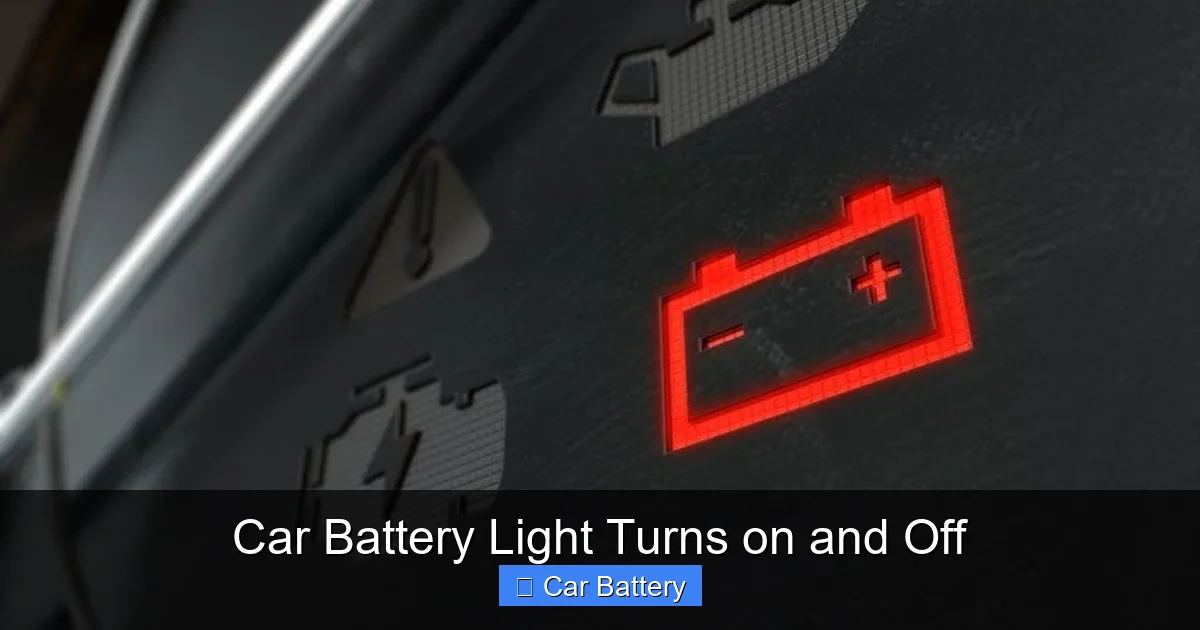
You’re driving along, maybe listening to your favorite playlist or catching up on a podcast, when suddenly—your dashboard lights up. Not the check engine light, but the one that looks like a little battery with plus and minus signs. The car battery light turns on… then off… then on again. You breathe a sigh of relief when it disappears, thinking it was just a glitch. But deep down, you know something’s not right.
That flickering battery light isn’t something to brush off. It’s your car’s way of saying, “Hey, I’m not getting the power I need to keep everything running smoothly.” While it might seem like a minor annoyance, it’s actually a warning sign that your vehicle’s charging system is under stress. And if left unchecked, it could leave you stranded at the worst possible moment—like during rush hour or in the middle of nowhere with no cell service.
So what’s really going on when the car battery light turns on and off? Is it the battery? The alternator? A loose wire? The truth is, it’s rarely just one thing. Modern cars rely on a complex electrical system where the battery, alternator, and voltage regulator work together to power everything from your headlights to your infotainment system. When one part falters, the whole system feels it—and the dashboard light is the first clue.
Key Takeaways
- It’s usually the charging system, not the battery: The light indicates the alternator isn’t supplying enough power, even if the battery seems fine.
- Intermittent flickering points to loose or worn parts: A slipping serpentine belt or bad connection can cause the light to flash on and off.
- Don’t ignore it—even if it goes off: The problem may worsen suddenly, leading to a no-start situation or electrical failure.
- Check connections first: Corroded or loose battery terminals are common, easy-to-fix culprits.
- Use a multimeter for quick diagnosis: Test battery voltage with the engine off (should be ~12.6V) and running (~13.7–14.7V).
- Seek professional help if unsure: Electrical issues can be tricky; a mechanic can run a full charging system test.
- Prevent future issues with regular maintenance: Inspect belts, terminals, and the alternator during routine service.
📑 Table of Contents
What Does the Car Battery Light Actually Mean?
The car battery light—sometimes labeled “ALT,” “GEN,” or just a battery symbol—is part of your vehicle’s onboard diagnostics system. It doesn’t necessarily mean your battery is dead. Instead, it signals that the alternator isn’t producing enough voltage to keep the battery charged and power the car’s electrical components.
Think of your car’s electrical system like a water pump and reservoir. The battery is the reservoir—it stores energy. The alternator is the pump—it refills the reservoir while the engine runs. If the pump isn’t working properly, the reservoir slowly drains, even if it was full to start. The battery light comes on when the system detects that the alternator isn’t generating enough voltage—typically below 13.5 volts while the engine is running.
Now, when the light flickers on and off, it suggests an intermittent issue. Maybe the alternator is struggling under load, or a connection is loose and only fails at certain speeds or temperatures. It’s like a flickering light in your house—sometimes it works, sometimes it doesn’t, but you know there’s an underlying problem.
It’s important to note that the battery light can come on for reasons unrelated to the battery itself. In fact, the battery is often the victim, not the cause. A failing alternator, a worn-out serpentine belt, or corroded wiring can all trigger the light. So before you rush out to buy a new battery, take a closer look at the bigger picture.
Common Causes of a Flickering Car Battery Light
Visual guide about Car Battery Light Turns on and Off
Image source: gandgautorepair.com
When your car battery light turns on and off, it’s usually due to one of several common issues. Let’s break them down so you can understand what might be happening under the hood.
1. Failing Alternator
The alternator is the heart of your car’s charging system. It converts mechanical energy from the engine into electrical energy to recharge the battery and power the vehicle’s electronics. When it starts to fail, it may produce inconsistent voltage—enough to keep things running at times, but not enough to maintain a steady charge.
A failing alternator often shows symptoms before the battery light comes on. You might notice dimming headlights, especially at idle, or electrical components like power windows or the radio acting sluggish. If the alternator is only partially working, the light may flicker as voltage dips and recovers.
For example, imagine you’re driving at night with the headlights, AC, and radio on. The alternator has to work harder to meet the electrical demand. If it’s weak, it might not keep up, causing voltage to drop and the battery light to flash. Once you turn off some accessories, the load decreases, and the light goes off—temporarily.
2. Loose or Worn Serpentine Belt
The serpentine belt is a long, ribbed belt that connects the engine’s crankshaft to accessories like the alternator, power steering pump, and air conditioning compressor. If this belt is loose, cracked, or worn, it can slip—especially under heavy load or when the engine is cold.
When the belt slips, the alternator slows down or stops spinning altogether. This causes a sudden drop in voltage, triggering the battery light. Once the belt grips again, the alternator resumes charging, and the light turns off. This cycle can repeat, leading to the on-and-off flickering you’re seeing.
A loose belt might also make a squealing noise, especially when you first start the car or turn on the AC. If you hear this, it’s a strong clue that the belt needs attention.
3. Corroded or Loose Battery Connections
Even the smallest issue at the battery terminals can cause big problems. Over time, corrosion—a white, powdery substance—can build up on the terminals, creating a poor electrical connection. Similarly, loose cables can vibrate loose from engine movement, especially on rough roads.
When the connection is weak, the alternator can’t properly charge the battery, and the system detects a voltage drop. The battery light may come on, then go off when the connection momentarily improves. This is one of the easiest fixes: cleaning the terminals with a wire brush and tightening the cables can often resolve the issue.
For instance, if you’ve recently jump-started your car or replaced the battery, it’s possible the terminals weren’t tightened properly. A quick visual inspection under the hood can reveal loose or corroded connections.
4. Faulty Voltage Regulator
The voltage regulator controls how much power the alternator sends to the battery. It ensures the voltage stays within a safe range—typically between 13.7 and 14.7 volts. If the regulator fails, it can cause the alternator to overcharge or undercharge the battery.
An undercharging regulator will trigger the battery light because the system isn’t getting enough power. An overcharging regulator can damage the battery and other electronics, but it usually doesn’t cause the light to flicker—instead, it may stay on steadily.
However, in some cases, a failing regulator can behave erratically, causing voltage to spike and drop. This can result in the battery light turning on and off unpredictably.
5. Damaged or Frayed Wiring
The electrical system relies on a network of wires to carry power from the alternator to the battery and throughout the vehicle. If any of these wires are damaged, frayed, or have corroded connectors, they can create resistance or intermittent connections.
For example, the main charging wire that runs from the alternator to the battery is critical. If it’s loose or damaged, it can cause voltage fluctuations. Similarly, ground wires that connect the engine or chassis to the battery can corrode over time, leading to poor grounding and electrical issues.
These problems are harder to spot without a thorough inspection, but they’re more common than you might think—especially in older vehicles or those exposed to moisture and road salt.
How to Diagnose the Problem at Home
Visual guide about Car Battery Light Turns on and Off
Image source: golfertroop.com
You don’t need to be a mechanic to get a basic idea of what’s causing your car battery light to turn on and off. With a few simple tools and some careful observation, you can narrow down the issue.
Step 1: Check the Battery Terminals
Start by popping the hood and inspecting the battery. Look for:
– White or greenish powder (corrosion) on the terminals
– Loose or wobbly cables
– Cracked or damaged terminal clamps
If you see corrosion, disconnect the cables (negative first, then positive), clean the terminals with a wire brush or baking soda and water solution, and reconnect them tightly. This simple fix resolves the issue in many cases.
Step 2: Test the Battery Voltage
A multimeter is a handy tool that measures electrical voltage. You can buy one for under $20 at most auto parts stores.
Here’s how to use it:
1. Turn off the engine and all electrical accessories.
2. Set the multimeter to DC voltage (usually marked “V” with a straight line).
3. Touch the red probe to the positive terminal and the black probe to the negative terminal.
4. A healthy battery should read around 12.6 volts.
Now, start the engine and repeat the test. The voltage should rise to between 13.7 and 14.7 volts. If it’s below 13.5 volts, the alternator isn’t charging properly. If it’s above 15 volts, the voltage regulator may be faulty.
If the voltage fluctuates while the engine is running—say, it drops to 12 volts and then jumps back up—that’s a clear sign of an intermittent charging issue.
Step 3: Listen for Unusual Noises
Start the engine and listen carefully. A failing alternator or loose belt may produce a whining, grinding, or squealing sound. The noise might get louder when you turn on electrical accessories like the headlights or AC.
If you hear a high-pitched squeal when you first start the car, it’s likely the serpentine belt slipping. This is especially common in cold weather when the belt is stiff.
Step 4: Observe Electrical Behavior
Pay attention to how your car’s electronics behave. Do the headlights dim when you stop at a red light? Does the radio cut out or the dashboard flicker? These are signs that the alternator isn’t keeping up with demand.
Also, note when the battery light comes on. Does it happen only at idle? Only when the AC is on? Only during cold starts? These patterns can help pinpoint the cause.
For example, if the light only flickers when the engine is cold, it could be a belt tension issue. If it happens under heavy electrical load, the alternator may be weak.
When to See a Mechanic
Visual guide about Car Battery Light Turns on and Off
Image source: thumbs.dreamstime.com
While some issues can be fixed at home, others require professional diagnosis and repair. Here’s when you should call a mechanic:
– The battery light stays on constantly, even after cleaning terminals and checking the belt.
– Your car stalls or has trouble starting.
– You notice a burning smell or see smoke under the hood.
– The multimeter shows voltage below 13 volts with the engine running.
– You’re not comfortable working with electrical systems.
A mechanic can perform a full charging system test, which includes checking the alternator output, battery health, and wiring integrity. They may also use a scan tool to check for diagnostic trouble codes related to the charging system.
In some cases, the alternator may need to be rebuilt or replaced. This can cost anywhere from $300 to $800, depending on the vehicle and labor rates. But catching the problem early can prevent more expensive damage down the road.
Preventing Future Battery Light Issues
The best way to deal with a flickering car battery light is to stop it from happening in the first place. Regular maintenance can go a long way in keeping your charging system healthy.
Inspect Belts and Hoses
Check the serpentine belt every 6 months or during oil changes. Look for cracks, fraying, or glazing (a shiny surface). If the belt looks worn, replace it. Also, make sure it’s properly tensioned—most modern cars have automatic tensioners, but they can fail.
Clean Battery Terminals
Corrosion builds up over time, especially in humid or salty environments. Clean the terminals at least once a year, or whenever you notice buildup. Use a terminal cleaner spray or a homemade solution of baking soda and water.
Test the Battery and Alternator
Most auto parts stores offer free battery and alternator testing. Take advantage of this service, especially before long trips or during seasonal changes. A weak battery or alternator can fail suddenly, especially in extreme temperatures.
Watch for Warning Signs
Don’t ignore dim lights, slow cranking, or electrical glitches. These are early signs of charging system problems. Addressing them early can save you from a breakdown.
Conclusion
When your car battery light turns on and off, it’s not just a random glitch—it’s a warning that your vehicle’s charging system needs attention. While the battery itself is rarely the culprit, issues like a failing alternator, loose belt, or corroded connections can cause voltage fluctuations that trigger the light.
The good news? Many of these problems are preventable and fixable. A quick inspection, a multimeter test, or a trip to the mechanic can get you back on the road safely. And by staying proactive with maintenance, you can avoid the stress and expense of a sudden breakdown.
So the next time that little battery symbol flickers on your dashboard, don’t just hope it goes away. Take it seriously. Your car—and your peace of mind—will thank you.
Frequently Asked Questions
Why does my car battery light come on and then go off?
The light often flickers due to an intermittent issue in the charging system, such as a loose belt, corroded terminals, or a failing alternator. It may go off temporarily when the connection improves or the load decreases.
Can a bad battery cause the battery light to flicker?
Rarely. The battery light indicates a charging problem, not a dead battery. However, a weak battery can make the alternator work harder, potentially triggering the light if the system is already strained.
Is it safe to drive with the battery light on and off?
It’s risky. While you may be able to drive short distances, the alternator may fail completely, leaving you stranded. Have the system checked as soon as possible.
How much does it cost to fix a flickering battery light?
Costs vary. Cleaning terminals is free; replacing a serpentine belt may cost $100–$200; an alternator replacement can range from $300 to $800, including parts and labor.
Can extreme weather cause the battery light to flicker?
Yes. Cold weather can stiffen belts and reduce battery efficiency, while heat can accelerate corrosion and wear on electrical components, both contributing to charging issues.
Will disconnecting the battery reset the battery light?
Disconnecting the battery may temporarily turn off the light, but it won’t fix the underlying problem. The light will likely return once the issue reoccurs.