Does Tesla Service Center Tint Windows

Contents
- 1 Key Takeaways
- 2 📑 Table of Contents
- 3 Understanding Tesla’s Factory Window Tint
- 4 Why Tesla Service Centers Don’t Offer Tinting Services
- 5 The Aftermarket Tinting Solution: Finding the Right Shop
- 6 Legal and Warranty Implications: Proceed with Caution
- 7 Cost Comparison: Factory vs. Aftermarket Tinting
- 8 Step-by-Step: How to Get Your Tesla Tinted Safely
- 9 Conclusion: A Clear Path Forward
- 10 Frequently Asked Questions

Car Cleaning Brush Set

Car Windshield Wiper Blades

Rear View Camera

Car Sunshade for Windshield
No, Tesla Service Centers do not offer window tinting as an aftermarket service. This is a strict company policy to avoid warranty complications and maintain quality control. However, Tesla vehicles come with a factory-applied light tint on rear windows. For darker tint, you must use a reputable third-party specialist. Always check your local tint laws and understand how aftermarket modifications can impact your vehicle’s warranty and electronics before proceeding.
So, you’re sitting in your shiny new Tesla, and the California sun is beating down. You think, “This cabin could use a little more privacy and a lot less heat.” The logical first question is: Can I just get this done at the Tesla Service Center? It would be so convenient. Unfortunately, the answer is a firm no. Tesla Service Centers do not perform aftermarket window tinting. This isn’t a matter of them being too busy; it’s a deep-seated corporate policy with important reasons behind it. Let’s unravel everything you need to know about tinting your Tesla, from why the factory won’t do it to how you can get it done right.
Key Takeaways
- Tesla Service Centers Do Not Tint Windows: It is against Tesla’s official policy for their service centers to perform aftermarket window tinting installations on customer vehicles.
- Factory Tint is Limited: All Teslas have a very light, legal factory tint (typically 20-30% VLT) on the rear glass only; the front driver and passenger windows are untinted.
- Third-Party is the Only Path: To get your Tesla’s front windows or entire vehicle tinted darker, you must hire a professional, experienced aftermarket tint shop.
- Warranty Implications Are Real: Improper tint installation can interfere with Tesla’s advanced camera and sensor systems (Autopilot, FSD), potentially leading to denied warranty claims for related issues.
- Legal Compliance is Your Responsibility: Tint laws vary significantly by state and country. It is the car owner’s duty to ensure the Visible Light Transmission (VLT) percentage meets local regulations.
- Costs Vary Widely by Model and Shop: Tinting a Tesla can cost anywhere from $400 to over $1,200 depending on the vehicle model, number of windows, and quality of film used.
- Choose a Tesla-Specialist Tint Shop: Not all tint shops are equal. Seek out shops with specific experience on Teslas, particularly regarding sensor/camera calibration and complex window regulators.
📑 Table of Contents
- Understanding Tesla’s Factory Window Tint
- Why Tesla Service Centers Don’t Offer Tinting Services
- The Aftermarket Tinting Solution: Finding the Right Shop
- Legal and Warranty Implications: Proceed with Caution
- Cost Comparison: Factory vs. Aftermarket Tinting
- Step-by-Step: How to Get Your Tesla Tinted Safely
- Conclusion: A Clear Path Forward
Understanding Tesla’s Factory Window Tint
Before we dive into the “why not” of service center tinting, it’s crucial to understand what your Tesla already has from the factory. Every Tesla model—Model S, Model 3, Model X, and Model Y—comes with a standard, very light tint applied directly to the rear glass at the factory. This is not an optional aftermarket add-on; it’s part of the manufacturing process.
What Percentage Tint Does Tesla Use?
The factory-applied tint is designed to comply with the strictest state regulations in the U.S., meaning it’s typically around 20-30% Visible Light Transmission (VLT) for the rear windows and rear hatch/glass. VLT is the percentage of light that passes through the window; a lower number means darker tint. For context, a clear window is 100% VLT. The front driver and passenger windows on all Teslas are shipped with absolutely no tint—they are crystal clear glass. This creates a noticeable visual and functional difference between the front and rear of the car. Many owners immediately want to tint the front windows to match the rear for aesthetic uniformity and to gain the full benefits of heat rejection and glare reduction.
This factory tint is covered under Tesla’s new vehicle warranty, just like any other original component. If the glass itself has a defect, Tesla will replace it. But this warranty does not extend to any aftermarket modifications you add later, including tint.
Why Tesla Service Centers Don’t Offer Tinting Services
This is the core of your question. You can take your Tesla in for a tire rotation, brake service, or even a major suspension repair. But ask for a window tint, and you’ll be met with a polite but definitive refusal. The reasons are multifaceted, centered on warranty integrity, quality control, and the complex nature of modern Tesla vehicles.
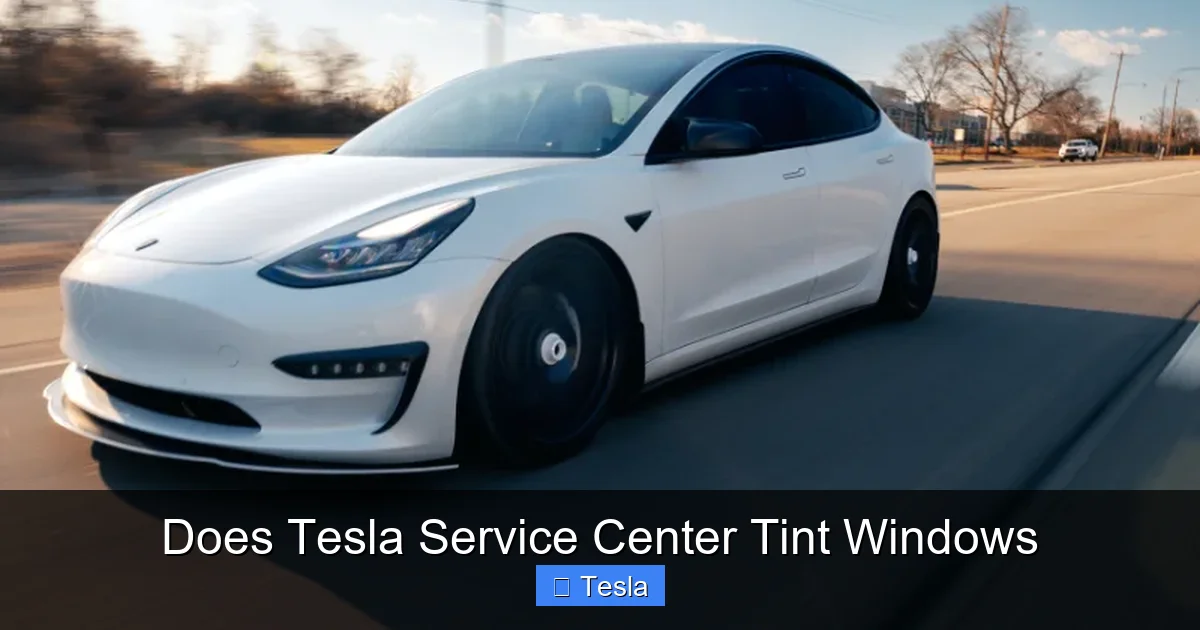
Visual guide about Does Tesla Service Center Tint Windows
Image source: californiacarpros.com
The ‘No Aftermarket Modifications’ Policy
Tesla maintains a very clear stance against performing non-factory aftermarket modifications at their service centers. This policy isn’t unique to window tinting; it extends to things like aftermarket wheels, body kits, audio systems, and performance chips. The primary driver is liability and warranty protection. Tesla’s warranty is a promise that the vehicle is free from defects in materials and workmanship. When a third-party product is installed, it introduces a new variable. If that product—or its installation—fails or causes a problem, Tesla doesn’t want to be held responsible. By refusing to install aftermarket parts, Tesla creates a clear boundary: any problem stemming from that part is not a Tesla defect and is therefore not covered under the new vehicle or battery warranty.
Window tint, while seemingly simple, is a perfect example. It’s a film applied with adhesive directly to the glass. If it bubbles, peels, or discolors prematurely, that’s a defect in the film or the installer’s workmanship, not Tesla’s glass. By not doing the install, Tesla avoids any customer expectation that they would warranty the tint itself.
Safeguarding Advanced Electronics and Sensors
This is the most critical and often overlooked reason. Modern Teslas are packed with cameras, radar sensors (in older models), and ultrasonic sensors that are absolutely essential for safety features like Autopilot, Full Self-Driving (FSD) capability, and even basic parking assist. These sensors are often located in the windshield, front bumper, and rear hatch. The windshield, in particular, houses the forward-facing camera and other optical sensors behind the rearview mirror assembly.
Applying window tint—especially metallic or “ceramic” films that contain tiny particles for heat rejection—can interfere with the signal and optical clarity these sensors rely on. Even a slight change in light transmission or polarization across the glass can confuse a camera algorithm. Tesla’s position is that if a customer installs aftermarket tint, and a subsequent sensor calibration issue or failure occurs, Tesla cannot be held accountable because the modification altered the original equipment environment. A service center technician installing tint would be directly contributing to that potential problem. Therefore, to protect their technology and avoid complex, costly diagnostics disputes, the policy is an absolute blanket ban on any aftermarket work that involves the vehicle’s glass or exterior surfaces.
Maintaining Quality Control and Brand Consistency
Tesla is a vertically integrated company that prides itself on controlling the entire customer experience, from design and manufacturing to sales and service. Allowing independent shops to perform work on customer vehicles, even if it’s popular, introduces inconsistency. The quality of tint film varies wildly, and installation is an art form. Poorly installed tint with bubbles, gaps, or peeling edges would reflect poorly on the Tesla brand, even if Tesla wasn’t at fault. By sticking to factory-installed components and Tesla-certified repairs, they maintain a uniform standard of quality and appearance across all their vehicles on the road.
The Aftermarket Tinting Solution: Finding the Right Shop
Since the Tesla Service Center door is closed for tinting, your only option is the aftermarket. This is a well-established industry, but not all tint shops are created equal, especially when it comes to a high-tech EV like a Tesla. You cannot just hand your keys to any shop that offers a low price. You need a specialist.
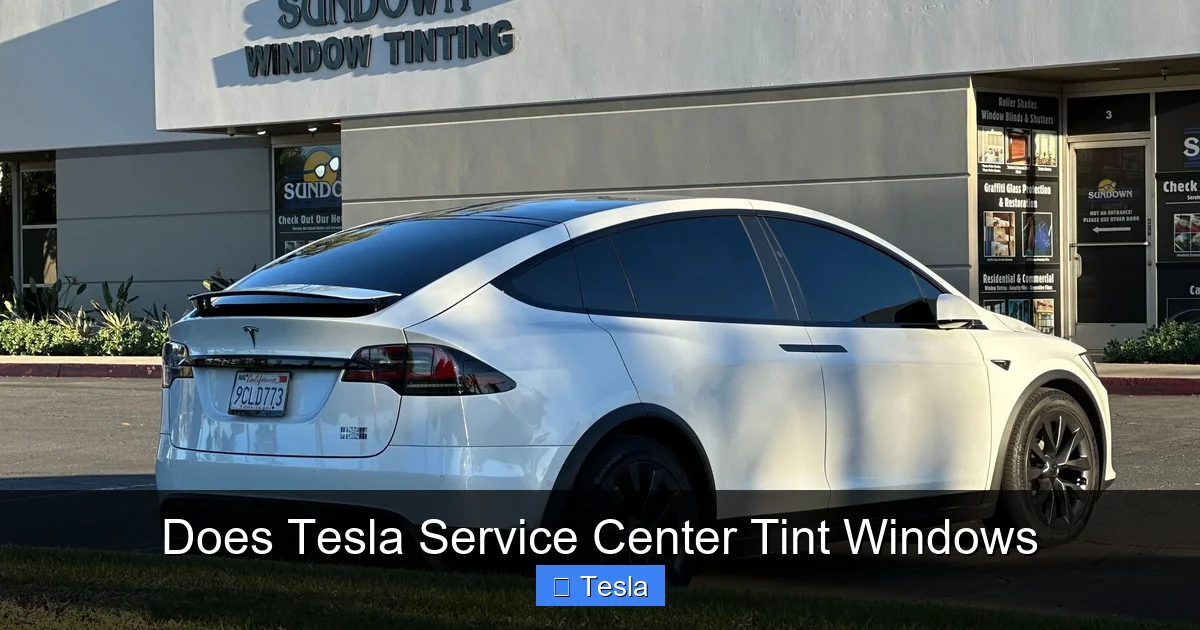
Visual guide about Does Tesla Service Center Tint Windows
Image source: irp.cdn-website.com
Why a Tesla-Specialist Tint Shop is Non-Negotiable
Tinting a Tesla presents unique challenges that a shop used to working on conventional cars may not anticipate. First, the window regulators and mechanisms can be sensitive. The rear windows on Models 3 and Y, for example, have a specific “one-touch” down/up feature that can be disrupted if the tint film is not perfectly sized and applied, potentially causing the window to bind or the motor to strain. Second, and most importantly, is the sensor issue mentioned earlier. A responsible Tesla tint shop will:
- Know the exact locations of all cameras and sensors and use film types (typically non-metallic, high-ceramic) that are proven to be sensor-safe.
- Discuss the need for a post-installation recalibration. After any work near the windshield, many Teslas require a camera recalibration procedure to ensure Autopilot and safety systems function correctly. A good shop will either perform this (if they have the proprietary Tesla diagnostic tools, which is rare) or will strongly advise you to have it done at a Tesla Service Center and explain why it’s necessary. Some shops partner with local Tesla-certified body shops for this step.
- Use precision cutting software that has the exact templates for your specific Tesla model, year, and trim to ensure a perfect, gap-free fit.
Asking a potential shop, “Have you tinted many Teslas?” and “How do you handle the forward camera calibration?” are essential qualifying questions. Look for shops with extensive photo galleries of completed Tesla work.
The Installation Process: What to Expect
A professional tint job on a Tesla is not a quick in-and-out procedure. It’s a meticulous, multi-hour process. Here’s a typical workflow:
- Consultation and Selection: You choose your desired VLT percentage (e.g., 15% for dark, 35% for medium) and film type (dyed, carbon, ceramic). Ceramic is the premium, recommended choice for Teslas due to superior heat rejection without signal interference. The shop will advise on legal limits for your state.
- Precision Cutting: The film is computer-cut to your window’s exact dimensions using a plotter, often while you wait.
- Window Prep: This is the most critical step. The interior of the glass is scrubbed and cleaned multiple times with specialized solutions to remove every speck of dust, grease, and film residue. Any contamination will cause bubbles or poor adhesion.
- Application: Using a soap/water solution and a squeegee, the technician carefully positions the film on the wet glass, squeegees out all the water and air bubbles, and trims the edges with a razor blade. This requires immense skill to avoid scratches and ensure a flawless, clear finish.
- Curing: The car is left in a controlled, dust-free environment for 1-4 hours (sometimes longer) to allow the adhesive to set. You will be instructed not to roll down the windows for at least 3-7 days, depending on the climate and film type.
Always get a written warranty from the tint shop, covering defects in film and installation (bubbling, peeling, discoloration) for at least 5 years, and a lifetime warranty on the film itself from the manufacturer.
Legal and Warranty Implications: Proceed with Caution
This is the most serious part of your tinting journey. You are navigating two complex systems: state traffic laws and a federal manufacturer’s warranty. Missteps here can lead to tickets, failed vehicle inspections, or denied warranty claims costing thousands.

Visual guide about Does Tesla Service Center Tint Windows
Image source: images.squarespace-cdn.com
State Tint Laws: Know Your VLT Limits
Window tint laws are not federal; they are set by each state (and sometimes by local municipalities). They specify the minimum VLT percentage allowed for the front driver and passenger windows, and sometimes the front windshield (for a strip at the top) and rear windows. Some states are very strict (e.g., California, New York, Virginia require at least 70% VLT on front sides), while others are very permissive (e.g., Florida, Arizona allow as low as 15% on front sides). You must comply with the laws of the state where your vehicle is registered. Tinting shops should know the law, but it is ultimately your responsibility as the vehicle owner. Getting pulled over with illegal tint can result in a fix-it ticket, a fine, and being forced to remove the tint immediately. It can also cause your vehicle to fail its annual safety inspection.
When discussing options with your tint shop, be explicit: “I need a film that is legal for front side windows in [Your State].” A reputable shop will guide you to a compliant VLT.
The Warranty Minefield: How Tint Can Void Coverage
This is the biggest fear for Tesla owners. The Magnuson-Moss Warranty Act is a federal law that states a manufacturer cannot void a warranty because you used an aftermarket part or service, unless they can prove that part caused the defect. However, the burden of proof often shifts in complex situations. Here’s the realistic scenario with a Tesla:
- Scenario A (Clear Violation): You get a 5% pitch-black tint all around. Your forward-facing camera starts malfunctioning, reporting “Camera Obstructed” errors. Tesla service runs diagnostics, sees the dark film, and immediately denies warranty coverage for the camera or any related sensor assembly, stating the aftermarket modification caused the interference. They are likely on solid ground here.
- Scenario B (The Gray Area): You get a high-quality, non-metallic 20% ceramic tint on the front windows. Six months later, your door handle fails. Tesla might still try to deny the claim, alleging the tint installation process could have damaged wiring in the door. Proving they are wrong would be a lengthy, expensive battle. While the law is on your side in theory, in practice, Tesla’s service advisors and technicians have significant discretion. Any problem near tinted areas (door panels, A-pillars, windshield) can be suspiciously linked to the tint by a service center looking to deny a claim.
The Bottom Line: There is no guarantee your warranty is safe after tinting. You assume a risk. The best mitigation is using a top-tier, sensor-safe film from a reputable, Tesla-experienced installer who understands these risks and can provide documentation (like a calibration certificate if they perform one). Some owners choose to only tint the rear windows and the rear hatch, leaving the front driver and passenger windows stock to completely avoid any potential conflict with the forward camera system and to stay clearly within the law in stricter states.
Cost Comparison: Factory vs. Aftermarket Tinting
Let’s talk numbers, because the cost is a major factor. There is no factory option to add darker tint to your front windows, so the comparison is between “no tint” and “aftermarket tint.”
How Much Does Tinting a Tesla Actually Cost?
As you explore, you’ll find costs vary dramatically. The range for a full car tint (all windows including front, rear, and sunroof if applicable) on a Tesla typically falls between $600 and $1,500. The main drivers of cost are:
- Vehicle Model: A Model 3 or Model Y is generally less expensive ($400-$900) than a Model S or Model X ($800-$1,500+) due to larger glass areas and more complex window shapes.
- Film Quality: Dyed film is the cheapest ($100-$300 total) but fades and provides minimal heat rejection. Carbon film is a mid-tier option ($300-$600). High-performance ceramic film is the gold standard for Teslas ($500-$1,000+ for the film alone), offering superior heat and UV rejection without signal interference, and it comes with a lifetime warranty.
- Shop Reputation and Location: A well-known, Tesla-specialist shop in a major metro area will charge a premium over a general auto shop in a suburban area.
For specific model pricing, you can research articles like How Much Does It Cost To Tint A Tesla Model 3 or How Much To Tint Tesla Model Y to get more precise estimates. These resources break down costs by model and film type, which is incredibly helpful for budgeting.
The “Value” of Professional Installation
It can be tempting to see a $200 “special” on Groupon or from a mobile tinter. Resist this urge for your Tesla. The value of professional installation is in the prep work, the precision cutting, the skill to avoid scratches on delicate interior panels, and the guarantee of a clean, bubble-free finish that will last 10+ years. A cheap install will peel, bubble, and scratch, requiring a costly removal and re-do. You get what you pay for. Investing $700-$1,000 with a proven specialist is far more economical in the long run than saving $300 on a bad job.
Step-by-Step: How to Get Your Tesla Tinted Safely
Armed with knowledge, here is your actionable roadmap to a successful tint.
1. Research and Shortlist Shops
Don’t just pick the first Google ad. Search for “Tesla window tint [Your City]” and look for shops with galleries showing dozens of Tesla jobs. Read reviews on Google, Yelp, and Tesla-specific forums like the TeslaMotorsClub subreddit. Look for keywords: “sensor safe,” “ceramic film,” “Tesla specialist,” “camera recalibration.” Call 3-5 shops and ask the critical questions about their Tesla experience and calibration process.
2. Get Detailed Quotes
A proper quote should specify: exact film brand and product line (e.g., 3M Crystalline, LLumar CT Film, Huper Optik D-Series), the exact VLT percentage for each window (front sides, rear sides, rear hatch, sunroof), the total cost including tax, and the warranty terms (what’s covered, for how long, is it transferable?). Get this in writing.
3. Understand the Calibration Requirement
Before you book, confirm the shop’s policy on camera calibration. The best-case scenario: they have the official Tesla diagnostic computer (a rare and expensive tool) and can perform the recalibration themselves for an additional fee ($100-$200). More likely: they will instruct you to schedule a “Camera Calibration” or “ADAS Calibration” service at your local Tesla Service Center after the tint is installed. This typically costs $150-$300 but is a crucial step to ensure your Autopilot and safety features work perfectly. Factor this time and cost into your plan. Do not skip this step.
4. Prepare Your Car and Schedule
On installation day, arrive with a clean car (inside and out). The shop will do a final clean, but less dirt on the interior makes their job easier. Plan to be without your car for at least half a day. After installation, follow the curing instructions religiously. Do not roll down windows prematurely. Once cured, schedule your Tesla Service Center appointment for the camera recalibration.
5. Post-Installation Checklist
Before you drive away, inspect the tint with the technician. Look for bubbles, debris, hair, scratches on glass or interior trim, and ensure all edges are sealed properly. Check that all windows roll up and down smoothly without binding. Only after you are 100% satisfied should you pay and take possession.
Conclusion: A Clear Path Forward
So, does Tesla Service Center tint windows? The answer is a hard no, and that’s unlikely to change. Their policy is a calculated business decision to protect their warranty, their advanced technology, and their brand reputation. But this doesn’t mean you’re out of luck. The path to a cooler, more private, and better-looking Tesla is clear, but it requires you to be a savvy consumer.
Your mission is to find a specialist, not a generalist. You must prioritize sensor-safe ceramic film and insist on understanding the camera recalibration process. You must know your state’s tint laws and accept the inherent, though small, risk to your warranty. The initial investment is significant, but for many Tesla owners, the daily benefits of reduced cabin heat, UV protection for their skin and interior, and increased privacy make it worthwhile. By doing your homework, choosing the right professional, and following the proper post-installation procedures, you can enjoy your tinted Tesla with confidence, knowing you’ve navigated the system correctly. Remember, the convenience of a one-stop-shop at Tesla simply doesn’t exist for this modification. Your diligence is the key to a successful and problem-free tint.
Frequently Asked Questions
Will tinting my Tesla windows void the entire vehicle warranty?
No, it will not void the entire warranty. However, it can void warranty coverage for any specific problem that Tesla can directly link to the aftermarket tint, such as interference with camera/sensor systems or damage to window regulators during installation. Other unrelated warranty items (like battery or motor issues) remain protected.
What is the best tint percentage for a Tesla to balance legality and performance?
For the front side windows, you must choose a VLT that is legal in your state, which is often 70% or even 88% (essentially clear) in stricter states. For rear windows and the hatch, you can go darker, with 15%-30% being popular for strong heat rejection and privacy while usually remaining legal. Always verify your local laws first.
Is ceramic tint really necessary for a Tesla?
Yes, it is highly recommended. Ceramic tint contains non-conductive, non-metallic ceramic particles that provide superior heat and UV rejection without interfering with the radio, cellular, or GPS signals that Tesla’s Autopilot cameras and sensors rely on. Metallic films can cause signal disruption and are generally advised against.
Can I tint my Tesla windows myself to save money?
We strongly advise against a DIY tint on a Tesla. The windows are large, complex, and have sensitive electronics. A poor DIY job will almost certainly result in bubbles, peeling, scratches, and potentially binding windows. The cost to professionally remove a bad DIY tint and re-do it properly will far exceed the initial savings.
Can the factory tint on the rear windows be removed or replaced?
Yes, but it’s a more involved and expensive process. The factory tint is actually a layer of film sandwiched between two layers of glass during manufacturing. To remove or change it requires removing the entire rear glass unit, which is a major procedure best done by a Tesla-certified collision/glass shop. It’s not a simple film removal.
If Tesla won’t tint, do any official Tesla partners or body shops offer it?
No. Tesla’s policy against aftermarket modifications applies to all Tesla-owned service centers and their officially certified body shop partners. They will not install any aftermarket tint. Your only option is an independent, third-party automotive tint specialist with proven Tesla experience.