
How Much Does It Cost to Tint a Tesla Model 3?

Tinting your Tesla Model 3 can cost anywhere from $200 to $800+, depending on the type of film, number of windows, and professional installation. High-quality ceramic or carbon films offer better heat rejection and UV protection but come at a premium. Always choose a reputable installer to avoid bubbles, peeling, or damage to your vehicle’s electronics.
So, you’ve got your sleek Tesla Model 3—maybe it’s the minimalist white interior, the panoramic glass roof, or just the quiet hum of electric power that won it over. But now you’re thinking: “Should I tint the windows?” And more importantly: “How much does it cost to tint a Tesla Model 3?”
Great question. And you’re not alone. Thousands of Model 3 owners face this decision every year. Tinting isn’t just about looking cool (though, let’s be honest, it does). It’s about comfort, privacy, UV protection, and even energy efficiency. But with so many options—dyed, carbon, ceramic, metallic—and varying prices from shop to shop, it’s easy to feel overwhelmed.
In this guide, we’ll break down everything you need to know about tinting your Tesla Model 3. From average costs and film types to installation tips and legal limits, we’ll help you make an informed decision that fits your budget and lifestyle. Whether you’re looking for a subtle shade or full-on heat-blocking armor, we’ve got you covered.
Key Takeaways
- Cost Range: Expect to pay between $200 and $800+ for a full tint job on a Tesla Model 3, with most owners spending $400–$600.
- Film Type Matters: Dyed films are cheapest but fade faster; carbon and ceramic films offer superior heat rejection and durability.
- Professional Installation Recommended: DIY kits may save money but often lead to bubbles, peeling, or damage to rear defrosters and sensors.
- Legal Tint Limits: Check your state’s laws—many states limit how dark you can tint front side windows, especially for driver visibility.
- Tesla-Specific Considerations: The Model 3’s frameless doors and large glass areas require skilled installers familiar with EV designs.
- Warranty & Maintenance: High-end films often come with 5–10 year warranties; avoid ammonia-based cleaners to preserve the tint.
- Added Benefits: Beyond privacy, tinting reduces interior fading, glare, and cabin temperature, improving comfort and efficiency.
📑 Table of Contents
- Why Tint Your Tesla Model 3?
- Average Cost to Tint a Tesla Model 3
- Types of Window Film: Which Is Best for Your Model 3?
- Should You Tint the Panoramic Roof?
- DIY vs. Professional Installation: What’s the Best Choice?
- Legal Tint Limits: What You Need to Know
- Tips for Choosing the Right Tint Shop
- Maintenance and Care After Tinting
- Final Thoughts: Is Tinting Your Model 3 Worth It?
Why Tint Your Tesla Model 3?
Before we dive into the price tag, let’s talk about why tinting your Model 3 is worth considering in the first place. Sure, it looks sharp—especially with that glossy black roof and frameless doors—but the benefits go far beyond aesthetics.
First, there’s **heat reduction**. The Model 3 has a massive glass roof and large side windows, which means it soaks up a lot of sunlight. On a hot summer day, the cabin can feel like an oven. A quality tint can block up to 99% of UV rays and significantly reduce interior temperatures. That means your AC doesn’t have to work as hard, which is great for battery efficiency—especially on long drives.
Then there’s **UV protection**. Prolonged exposure to UV rays doesn’t just fade your dashboard and seats; it can also harm your skin. Even though you’re inside the car, UV rays penetrate glass and contribute to skin aging and increased cancer risk. High-quality window films block over 99% of UV radiation, giving you peace of mind.
Privacy is another big factor. Whether you’re parked in a busy city or just want to keep prying eyes away from your belongings, tinted windows offer a layer of discretion. And let’s not forget **glare reduction**. Bright sunlight reflecting off the road or other cars can be distracting and even dangerous. A good tint cuts down on glare, making driving more comfortable and safer.
Finally, there’s **interior preservation**. The Model 3’s minimalist interior is beautiful, but it’s also vulnerable. Sunlight can cause leather seats to crack, plastic trim to fade, and touchscreens to overheat. Tinting helps protect these components, extending the life and value of your vehicle.
Average Cost to Tint a Tesla Model 3
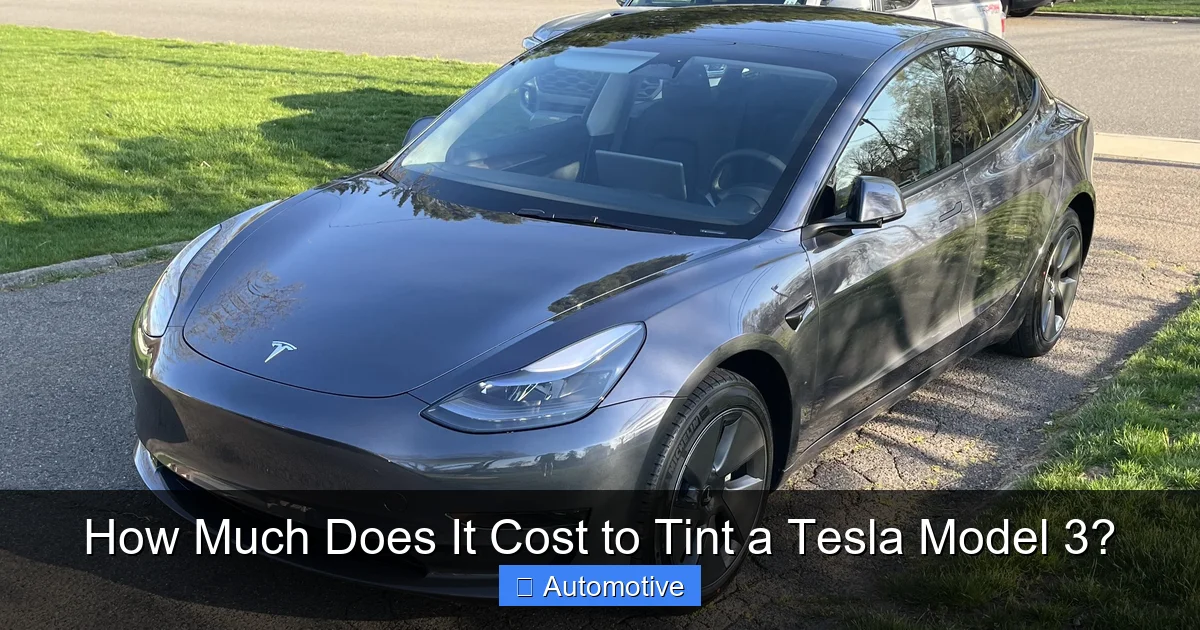
Visual guide about How Much Does It Cost to Tint a Tesla Model 3?
Image source: i.redd.it
So, how much does it actually cost to tint a Tesla Model 3?
The short answer: **between $200 and $800+**, depending on several factors.
For a basic tint job using standard dyed film on all five windows (front, rear, and two side windows), you might pay around **$200 to $350**. This is the budget-friendly option, often available at local tint shops or mobile services.
Mid-range options—using carbon or hybrid films—typically cost **$400 to $600**. These films offer better heat rejection, durability, and a more consistent appearance. They’re a popular choice for Model 3 owners who want performance without breaking the bank.
If you go premium with **ceramic film**, expect to pay **$600 to $800 or more**. Ceramic films are the gold standard—offering superior heat blocking, UV protection, and clarity. They don’t interfere with radio signals or Tesla’s built-in sensors, making them ideal for EVs.
Let’s break it down by window:
- Front side windows: $50–$150 (due to legal restrictions, these are often lighter)
- Rear side windows: $50–$120
- Rear windshield: $80–$200 (larger surface area, more complex installation)
- Panoramic roof (optional): $150–$400 (not always recommended due to heat buildup)
Keep in mind, many shops offer package deals. A full tint job (all five windows) usually costs less per window than tinting them individually.
Regional Price Differences
Where you live plays a big role in pricing. In major cities like Los Angeles, New York, or San Francisco, labor costs are higher, and so are tint prices. You might pay $600+ for a mid-tier ceramic tint in these areas.
In smaller towns or rural areas, the same job could cost $400 or less. Mobile tint services are also becoming more common—they come to your home or office, which is convenient, but may charge a small travel fee.
Always get at least three quotes from local shops. Don’t just go for the cheapest option—quality matters. A poorly installed tint can bubble, peel, or even damage your rear defroster or parking sensors.
Types of Window Film: Which Is Best for Your Model 3?
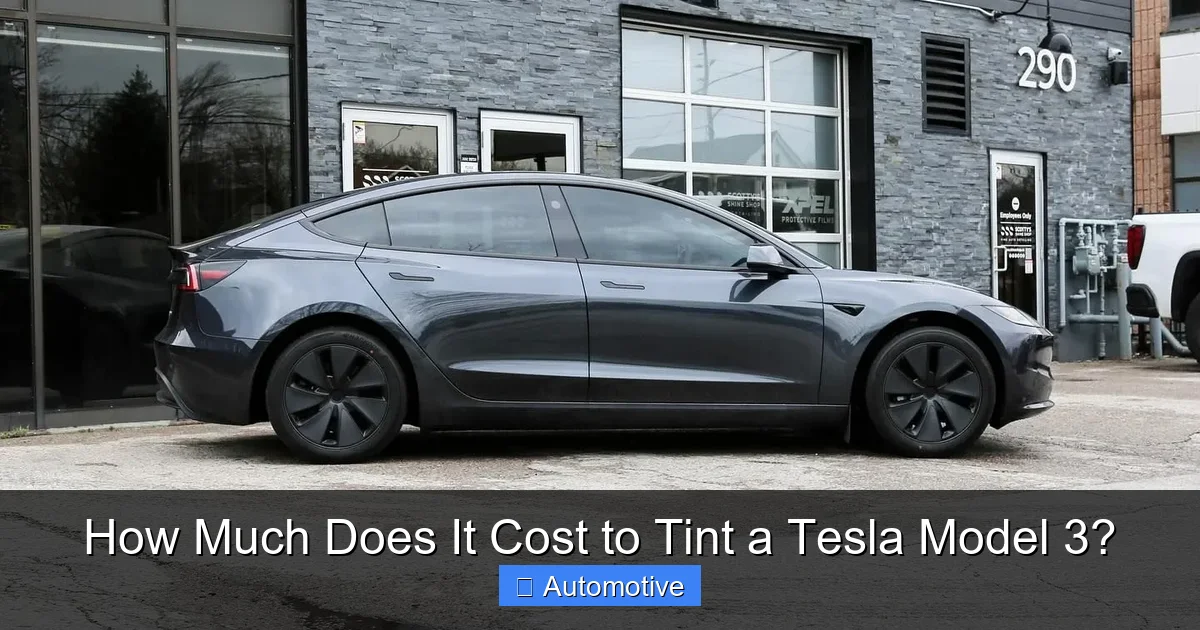
Visual guide about How Much Does It Cost to Tint a Tesla Model 3?
Image source: lirp.cdn-website.com
Not all window films are created equal. The type you choose will affect both cost and performance. Here’s a breakdown of the most common options:
Dyed Film
This is the most affordable option, typically costing $200–$350 for a full tint. Dyed films use a layer of dye between adhesive and protective layers to absorb sunlight.
Pros: Inexpensive, easy to install, provides privacy and basic UV protection.
Cons: Poor heat rejection, fades over time, can bubble in high heat, may interfere with rear defroster lines.
Best for: Budget-conscious owners who want a quick, temporary solution.
Carbon Film
Carbon films contain carbon particles that block infrared heat without metal, so they don’t interfere with electronics. They offer a matte black finish that looks sleek on the Model 3.
Pros: Better heat rejection than dyed film, no signal interference, fade-resistant, stylish appearance.
Cons: More expensive than dyed film, not as effective as ceramic.
Best for: Owners who want a balance of performance, looks, and price.
Ceramic Film
Ceramic films use nano-ceramic particles to block heat and UV rays. They’re the top-tier option, offering up to 99% UV protection and excellent infrared rejection.
Pros: Superior heat blocking, no signal interference, long-lasting, crystal-clear visibility, often comes with a 10-year warranty.
Cons: Most expensive option, requires professional installation.
Best for: Tesla owners who want maximum comfort, protection, and long-term value.
Metallic Film
Metallic films contain tiny metal particles that reflect heat. They’re effective but can interfere with GPS, cell signals, and Tesla’s Autopilot sensors.
Pros: Strong heat rejection, durable.
Cons: Can disrupt electronics, may cause signal loss, prone to corrosion over time.
Best for: Not recommended for Tesla Model 3 due to potential interference with onboard systems.
Hybrid Film
A mix of dyed and metallic layers, hybrid films offer moderate heat rejection at a lower cost than ceramic.
Pros: Better performance than dyed film, more affordable than ceramic.
Cons: May still interfere with signals, not as durable.
Best for: A middle-ground option if ceramic is out of budget.
For Tesla owners, **ceramic film is the top recommendation**. It’s safe for your car’s electronics, offers the best performance, and enhances the overall driving experience.
Should You Tint the Panoramic Roof?

Visual guide about How Much Does It Cost to Tint a Tesla Model 3?
Image source: tintgeniususa.com
The Tesla Model 3’s panoramic glass roof is one of its most striking features—but it’s also a major source of heat and glare. So, should you tint it?
The short answer: **It’s possible, but not always recommended.**
Tinting the roof can reduce cabin temperature and UV exposure, which is great. However, there are a few caveats.
First, **heat buildup**. The roof is already exposed to direct sunlight. Adding a dark tint can trap heat, potentially making the cabin hotter unless you have a high-performance ceramic film designed for roofs.
Second, **warranty concerns**. Tesla doesn’t officially endorse tinting the roof, and some owners have reported issues with the glass delaminating or cracking after tinting. This is rare, but it’s a risk.
Third, **installation difficulty**. The roof is curved and large, making it one of the hardest parts to tint without bubbles or creases. Only experienced installers should attempt it.
If you do decide to tint the roof, go with a **light to medium shade ceramic film** specifically rated for panoramic roofs. Expect to pay $150–$400 extra for this service.
Many owners opt for a **roof sunshade** instead—a removable mesh cover that blocks heat without permanent modification. These cost $100–$200 and can be taken off when not needed.
DIY vs. Professional Installation: What’s the Best Choice?
You might be tempted to save money with a DIY tint kit. After all, they’re available online for under $100. But is it worth it?
Let’s be honest: **DIY tinting a Tesla Model 3 is not recommended.**
Here’s why:
- Frameless doors: The Model 3’s doors don’t have a traditional window frame, making it harder to cut and apply film cleanly.
- Curved glass: The rear windshield and roof are curved, increasing the risk of bubbles and wrinkles.
- Sensor interference: The car has cameras, radar, and parking sensors near the windows. A poorly applied tint can block or damage them.
- Rear defroster lines: The rear window has thin heating elements. Cutting too close can break them, costing hundreds to repair.
- Warranty voiding: If you damage the glass or electronics during DIY installation, Tesla may deny warranty claims.
Professional installers have the tools, experience, and clean environment (like a dust-free booth) to do the job right. They also offer warranties—often 5 to 10 years—on both the film and installation.
A quality shop will:
- Clean the windows thoroughly
- Use precision cutting tools
- Apply the film without bubbles or debris
- Test all electronics after installation
Yes, it costs more upfront—but it’s an investment in your car’s appearance, functionality, and resale value.
Legal Tint Limits: What You Need to Know
Before you tint, check your state’s laws. Tint darkness is measured by **Visible Light Transmission (VLT)**—the percentage of light that passes through the film. The lower the VLT, the darker the tint.
Most states have strict rules, especially for front side windows. For example:
- California: Front side windows must allow more than 70% light (70% VLT). Rear windows and windshield can be darker.
- Texas: Front side windows must be 25% VLT or lighter. Rear and back can be any darkness.
- Florida: Front side windows must be 28% VLT or lighter.
- New York: Front side windows must be 70% VLT. Rear windows can be 15% or darker.
The Tesla Model 3’s rear windshield is often tinted at 5% or 20% VLT for privacy and heat control. But the front windows must comply with local laws.
Violating tint laws can result in fines, failed inspections, or even being pulled over. Some states require a medical exemption for darker tints.
Always ask your installer about legal compliance. Reputable shops will ensure your tint meets state regulations.
Tips for Choosing the Right Tint Shop
Not all tint shops are equal. Here’s how to find a reliable one:
1. Look for Tesla experience. Ask if they’ve worked on Model 3s before. Frameless doors and sensor-heavy designs require specialized knowledge.
2. Check reviews and photos. Read Google and Yelp reviews. Ask to see before-and-after photos of similar cars.
3. Ask about film brands. Top brands include 3M, Llumar, SunTek, and XPEL. These offer better quality and warranties.
4. Inquire about warranties. A good shop will offer a warranty on both the film and installation—typically 5 to 10 years.
5. Avoid “too good to be true” prices. If a shop quotes $150 for a full ceramic tint, they’re likely using cheap film or cutting corners.
6. Visit the shop. A clean, professional environment is a good sign. Dust and debris can ruin a tint job.
7. Get a written quote. Make sure it includes film type, number of windows, and any additional fees.
Maintenance and Care After Tinting
Once your Model 3 is tinted, proper care ensures it lasts.
Wait 3–7 days before rolling down windows. The adhesive needs time to cure. Rolling them down too soon can cause peeling.
Use ammonia-free cleaners. Ammonia can break down the film over time. Use a mild soap and water solution or a tint-safe cleaner.
Avoid abrasive cloths. Use a soft microfiber towel to prevent scratches.
Don’t use aftermarket adhesives. Things like suction cup phone mounts can damage the film if applied directly.
Inspect regularly. Look for bubbling, peeling, or discoloration. Most issues can be fixed if caught early.
With proper care, a quality tint job can last 10+ years.
Final Thoughts: Is Tinting Your Model 3 Worth It?
So, is tinting your Tesla Model 3 worth the cost?
Absolutely—if you choose the right film and installer.
For most owners, spending $400–$600 on a ceramic tint job is a smart investment. You’ll enjoy a cooler cabin, reduced glare, better privacy, and protection for your interior. Plus, it enhances the car’s sleek look.
Just remember: don’t skimp on quality. A cheap tint job can cost more in the long run—through fading, bubbling, or damage to your car’s electronics.
Take the time to research, get multiple quotes, and choose a shop with Tesla experience. Your Model 3 deserves the best.
And when you’re cruising down the highway with the sun beating down, you’ll be glad you did.
Frequently Asked Questions
How much does it cost to tint a Tesla Model 3?
The cost to tint a Tesla Model 3 ranges from $200 to $800+, depending on the type of film and number of windows. Most owners spend between $400 and $600 for a full ceramic tint job.
Can I tint the panoramic roof on my Model 3?
Yes, but it’s not always recommended. Tinting the roof can reduce heat, but it may trap heat or affect the glass warranty. Use a light ceramic film and hire an experienced installer.
What’s the best type of tint for a Tesla Model 3?
Ceramic film is the best choice. It offers superior heat rejection, UV protection, and doesn’t interfere with Tesla’s sensors or electronics.
Is it legal to tint the front windows on a Model 3?
It depends on your state. Most states require front side windows to be 70% VLT or lighter. Always check local laws before tinting.
Can I install tint myself on a Model 3?
DIY tinting is not recommended due to the car’s frameless doors, curved glass, and sensitive electronics. Professional installation ensures a clean, safe result.
How long does a tint job last on a Tesla Model 3?
A quality tint job can last 10+ years with proper care. Most ceramic films come with a 5–10 year warranty against fading, bubbling, or peeling.