Battery for Car Audio System
Choosing the right battery for your car audio system is essential for powerful, distortion-free sound and reliable performance. Whether you’re running a basic setup or a high-wattage competition rig, the correct battery ensures consistent power delivery, protects your vehicle’s electrical system, and extends the life of your audio components.
In This Article
- 1 Key Takeaways
- 2 📑 Table of Contents
- 3 Why Your Car Audio System Needs a Dedicated Battery
- 4 Types of Batteries for Car Audio Systems
- 5 How to Choose the Right Battery for Your Audio Setup
- 6 Installation Tips for Maximum Performance
- 7 Maintenance and Longevity Tips
- 8 Capacitors vs. Batteries: What’s the Difference?
- 9 Conclusion
- 10 Frequently Asked Questions
- 10.1 Can I use a regular car battery for my audio system?
- 10.2 How many watts can a car battery handle?
- 10.3 Do I need a second battery for my subwoofer?
- 10.4 Will a better battery improve my sound quality?
- 10.5 Can I install a lithium battery in any car?
- 10.6 How often should I replace my car audio battery?
Key Takeaways
- Understand the power demands: High-end car audio systems require more amperage than standard batteries can provide, especially during bass-heavy music or extended playback.
- Choose the right battery type: Options include standard lead-acid, AGM (Absorbent Glass Mat), and lithium-ion—each with pros and cons for audio use.
- Consider deep-cycle capability: Unlike starter batteries, deep-cycle batteries are designed to discharge slowly and recharge efficiently, making them ideal for audio systems.
- Upgrade your alternator if needed: A high-output alternator ensures your battery stays charged during heavy audio use and prevents voltage drops.
- Use a capacitor for short bursts: While not a replacement for a battery, a capacitor can help stabilize voltage during sudden power demands.
- Proper installation and maintenance matter: Secure mounting, correct wiring, and regular checks prevent failures and ensure safety.
- Battery size and placement affect performance: Larger batteries store more energy, but placement impacts weight distribution and accessibility.
📑 Table of Contents
Why Your Car Audio System Needs a Dedicated Battery
If you’ve ever cranked up your favorite bass-heavy track only to see your headlights dim or your stereo cut out, you’ve experienced the telltale signs of an underpowered electrical system. Your car’s factory battery and alternator were designed to start the engine and run basic electronics—not power a high-performance audio system. That’s where a dedicated battery for car audio system comes in.
Think of your car’s electrical system like a water supply. The alternator is the pump, the battery is the storage tank, and your audio system is the faucet. If you open the faucet wide (play loud music), but your tank is small or your pump is weak, the water pressure drops. The same happens with electricity: when your subwoofers demand a surge of power, a weak battery can’t keep up, causing voltage drops that distort sound or even shut down your system.
A high-quality audio-specific battery solves this problem by providing stable, consistent power. It acts as a buffer, storing energy when the system is idle and releasing it during peak demand. This not only improves sound quality but also protects your amplifiers and other components from damage caused by inconsistent voltage.
Signs You Need a Better Battery
How do you know if your current setup is struggling? Watch for these common red flags:
– **Dimming headlights or interior lights** when the bass hits.
– **Audio distortion or clipping**, especially at high volumes.
– **Amplifier overheating or shutting off** during playback.
– **Slow engine cranking** after long music sessions.
– **Frequent need to jump-start** your vehicle.
These symptoms suggest your factory battery and alternator are overwhelmed. While adding a capacitor can help with short-term power spikes, a dedicated battery for car audio system is the long-term solution.
Types of Batteries for Car Audio Systems
Visual guide about Battery for Car Audio System
Image source: i.ytimg.com
Not all car batteries are created equal—especially when it comes to powering audio equipment. Understanding the differences between battery types will help you make the right choice for your setup.
Standard Lead-Acid Batteries
These are the most common batteries found in everyday vehicles. They’re affordable and reliable for starting engines, but they’re not ideal for car audio. Standard lead-acid batteries are designed for short, high-current bursts (like starting the engine), not sustained power delivery. Repeated deep discharges—common in audio use—can shorten their lifespan significantly.
If you’re running a modest audio system with a small subwoofer and amplifier, a high-quality lead-acid battery might suffice. But for anything more powerful, you’ll want to upgrade.
AGM (Absorbent Glass Mat) Batteries
AGM batteries are a game-changer for car audio enthusiasts. They use a fiberglass mat to absorb the electrolyte, making them spill-proof, vibration-resistant, and capable of deeper discharges than traditional batteries. This makes them perfect for audio systems that draw consistent power over time.
AGM batteries also recharge faster and have lower internal resistance, meaning they deliver power more efficiently. They’re more expensive than standard batteries, but the performance and durability justify the cost for serious audio setups.
For example, the Optima RedTop or YellowTop batteries are popular AGM options. The YellowTop, in particular, is a dual-purpose battery designed for both starting and deep-cycle use—ideal for cars with powerful audio systems.
Lithium-Ion Batteries
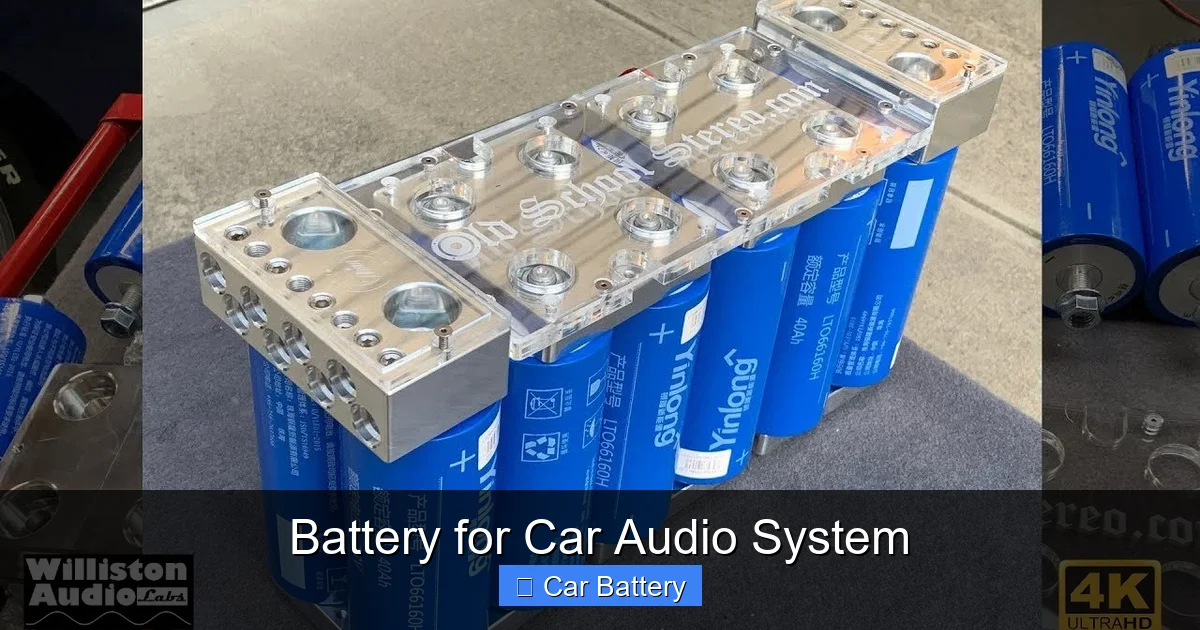
Lithium-ion batteries are the high-performance option. They’re lightweight, have a much higher energy density, and can discharge up to 80% of their capacity without damage. This makes them excellent for car audio, especially in vehicles where weight savings matter, like race cars or compact vehicles.
However, lithium-ion batteries come with a higher price tag and require a specialized charging system. Most car alternators aren’t designed to charge lithium batteries safely, so you’ll need a compatible charger or a battery management system (BMS). Brands like Antigravity and Shorai offer lithium batteries specifically for automotive use.
While lithium batteries offer superior performance, they’re best suited for advanced users who understand the technical requirements.
Deep-Cycle vs. Starter Batteries
It’s important to distinguish between starter batteries and deep-cycle batteries. Starter batteries (like most factory car batteries) are built to deliver a large burst of energy to crank the engine, then recharge quickly. They’re not meant to be drained deeply.
Deep-cycle batteries, on the other hand, are designed to discharge slowly over time and recharge efficiently. This makes them ideal for car audio systems, which often draw steady power for extended periods. Many AGM and lithium batteries are deep-cycle types, but not all—so check the specifications before buying.
How to Choose the Right Battery for Your Audio Setup
Visual guide about Battery for Car Audio System
Image source: procarreviews.com
Picking the right battery for car audio system isn’t just about picking the most powerful one. It’s about matching the battery’s capabilities to your system’s needs. Here’s how to make the right choice.
Calculate Your Power Requirements
Start by determining how much power your audio system uses. Look at the RMS (Root Mean Square) power rating of your amplifiers—this tells you the continuous power they can handle. Add up the RMS ratings of all your amps to get your total power draw.
For example, if you have a 500-watt RMS subwoofer amp and a 200-watt RMS full-range amp, your total is 700 watts.
Next, convert watts to amps using the formula:
**Amps = Watts ÷ Volts**
Assuming a 12-volt system:
700 watts ÷ 12 volts = ~58 amps
This means your system can draw up to 58 amps during peak performance. Your battery and alternator must be able to supply this without dropping voltage.
Check Your Alternator Output
Your alternator is responsible for recharging the battery while the engine runs. If your alternator can’t keep up with your audio system’s demand, your battery will drain over time—even if it’s a high-capacity model.
Most factory alternators output between 70 and 120 amps. If your audio system draws 58 amps, and your car’s other electronics (lights, AC, ignition) use another 30–40 amps, you’re already near or over the limit.
In this case, upgrading to a high-output alternator (150+ amps) is essential. Brands like DC Power, Mechman, and Powermaster offer alternators specifically designed for car audio applications.
Match Battery Capacity to Usage
Battery capacity is measured in amp-hours (Ah). A higher Ah rating means the battery can deliver more power over time. For car audio, look for a battery with at least 60–100 Ah, depending on your system size.
For example:
– A small system (under 500 watts RMS): 60–70 Ah AGM battery.
– A medium system (500–1000 watts RMS): 70–90 Ah AGM or lithium battery.
– A large system (1000+ watts RMS): 100+ Ah deep-cycle battery, possibly with a second battery.
Also consider the battery’s reserve capacity (RC), which indicates how long it can power your system if the alternator fails. A higher RC is better for long listening sessions.
Consider Physical Size and Mounting
Batteries come in standard group sizes (like Group 34, Group 31, etc.), which determine their physical dimensions. Make sure the battery you choose fits in your vehicle’s battery tray or a secure custom mount.
Lithium batteries are much lighter than lead-acid or AGM, which can improve handling and fuel efficiency. However, they often require custom mounting due to their shape and the need for ventilation.
Always secure the battery properly—vibration can damage internal components and create safety hazards.
Installation Tips for Maximum Performance

Visual guide about Battery for Car Audio System
Image source: i.ytimg.com
Installing a battery for car audio system isn’t just about dropping it in and connecting wires. Proper installation ensures safety, performance, and longevity.
Use Proper Wiring and Fuses
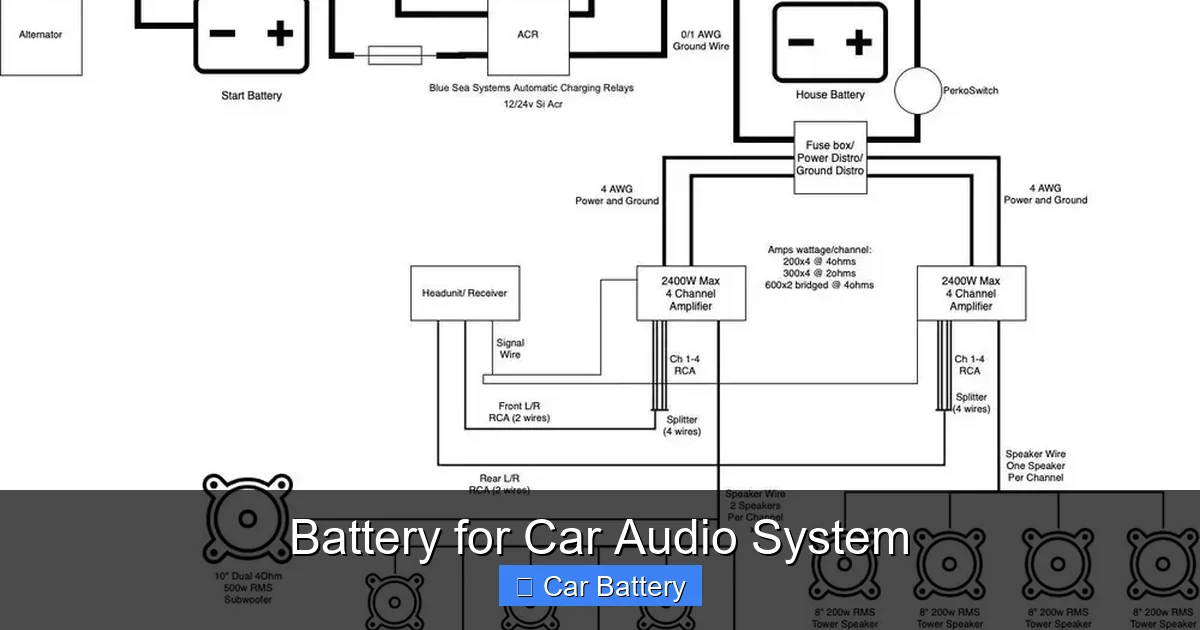
High-current audio systems require thick, high-quality wiring. Use 4-gauge or 1/0-gauge power wire from the battery to the amplifier, depending on the current draw and distance.
Always install an inline fuse within 18 inches of the battery terminal. This protects against short circuits and fires. The fuse rating should match the wire’s capacity—typically 100–200 amps for most audio setups.
Grounding Is Critical
A poor ground connection can cause noise, distortion, and even damage your equipment. Connect the amplifier’s ground wire directly to the vehicle’s chassis using a clean, bare metal surface. Sand away paint or rust to ensure a solid connection.
Use the same gauge wire for the ground as you do for the power wire. A weak ground is just as bad as a weak power supply.
Consider a Second Battery or Dual-Battery Setup
For high-powered systems, a single battery may not be enough. A dual-battery setup uses a second battery dedicated solely to the audio system, isolated from the vehicle’s starting battery.
This prevents your main battery from draining and leaving you stranded. Use a battery isolator or a smart relay to manage charging between the two batteries.
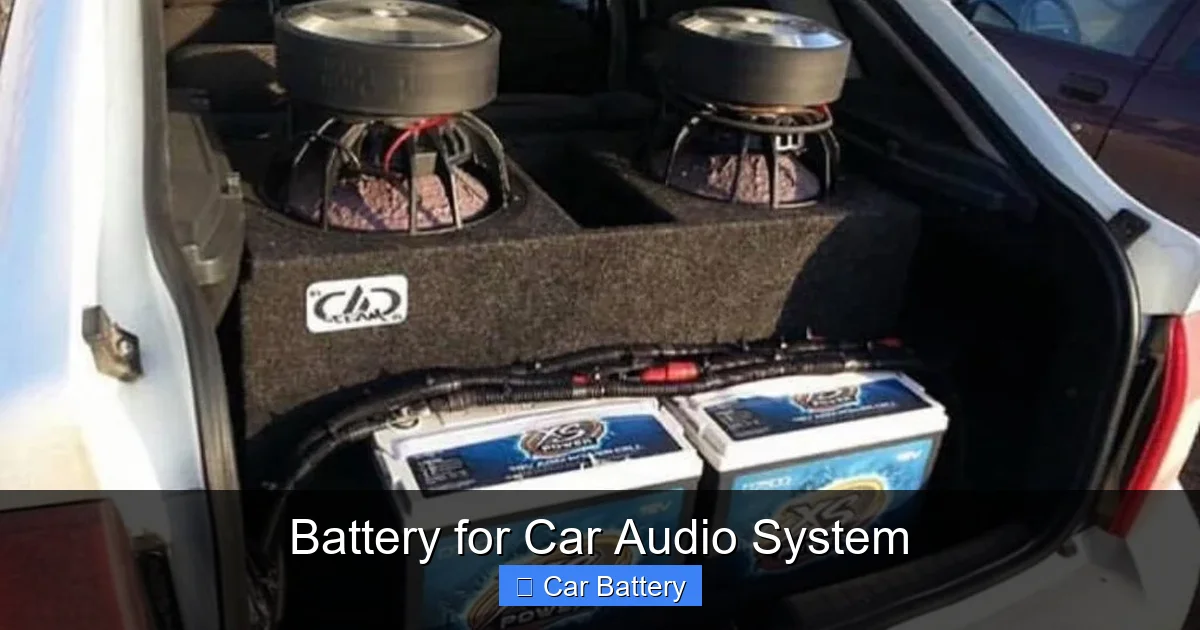
Some enthusiasts install a secondary battery in the trunk, connected via a heavy-duty power cable. This setup is common in competition-level audio systems.
Maintain Proper Ventilation
Even sealed AGM and lithium batteries can release gases under extreme conditions. Install the battery in a well-ventilated area, away from heat sources and ignition risks.
If mounting in the passenger compartment or trunk, use a battery box with ventilation holes. Never enclose a battery in a sealed container.
Maintenance and Longevity Tips
A battery for car audio system is an investment—treat it right, and it will reward you with years of reliable performance.
Regular Voltage Checks
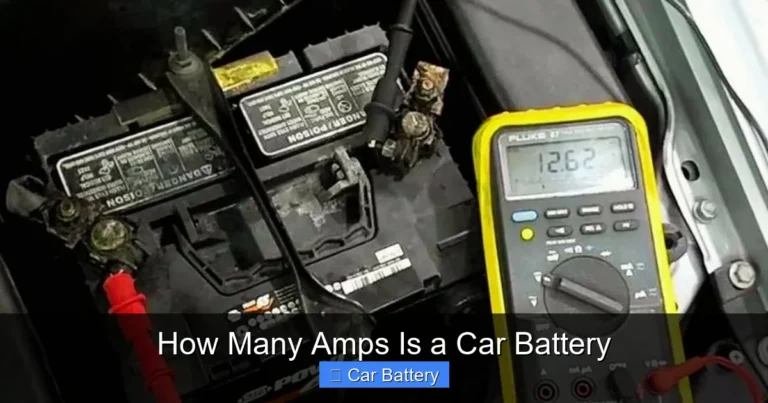
Use a multimeter to check your battery voltage regularly. A fully charged 12-volt battery should read around 12.6–12.8 volts when the engine is off. If it drops below 12.4 volts, it may need charging.
While driving, the voltage should be 13.7–14.7 volts, indicating the alternator is charging properly.
Keep Terminals Clean
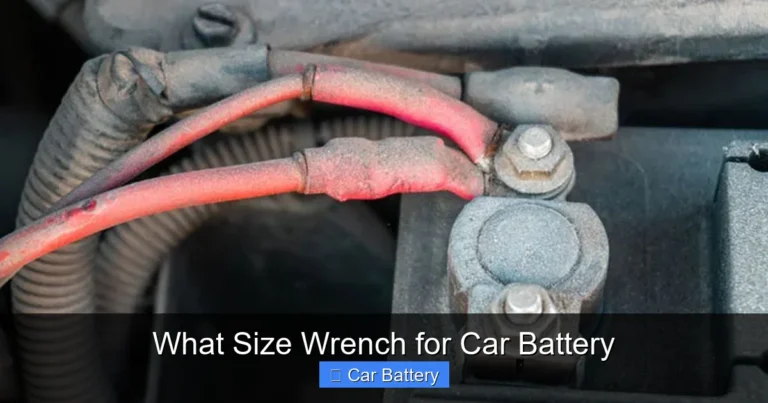
Corrosion on battery terminals can increase resistance and reduce performance. Clean terminals with a wire brush and baking soda solution every few months. Apply a thin layer of dielectric grease to prevent future corrosion.
Avoid Deep Discharges
Even deep-cycle batteries last longer when you avoid draining them below 50% capacity. If you frequently listen to music with the engine off, consider using a battery monitor or a low-voltage cutoff device to prevent over-discharge.
Store Properly in Winter
Cold weather reduces battery efficiency. If you don’t drive your car often in winter, use a smart battery maintainer to keep the battery charged. Lithium batteries are less affected by cold, but still benefit from maintenance.
Capacitors vs. Batteries: What’s the Difference?
Many people confuse capacitors with batteries, but they serve different purposes.
A capacitor stores electrical energy and releases it quickly to handle short power spikes—like a sudden bass hit. It’s great for smoothing out voltage drops and improving sound clarity.
However, a capacitor cannot store enough energy to power your system for long. It’s like a sprint runner—fast, but not built for endurance.
A battery, on the other hand, is like a marathon runner—it provides sustained power over time. For car audio, you need both: a battery for long-term energy storage and a capacitor to handle instant demands.
Use a capacitor (1–2 farads per 500 watts RMS) in conjunction with a high-quality battery for the best performance.
Conclusion
Upgrading to a dedicated battery for car audio system is one of the smartest investments you can make for your vehicle’s sound quality and electrical health. Whether you choose a robust AGM battery, a lightweight lithium option, or a dual-battery setup, the right choice ensures your music plays loud, clear, and without interruption.
Remember to match your battery to your system’s power needs, upgrade your alternator if necessary, and install everything safely and correctly. With proper maintenance, your audio battery will deliver peak performance for years to come.
Don’t let a weak electrical system hold back your sound. Power up with confidence—your ears (and your car) will thank you.
Frequently Asked Questions
Can I use a regular car battery for my audio system?
You can, but it’s not ideal. Regular starter batteries aren’t designed for deep discharges and will wear out quickly with heavy audio use. A deep-cycle AGM or lithium battery is a much better choice.
How many watts can a car battery handle?
It depends on the battery’s capacity and your alternator’s output. A typical 60Ah AGM battery can support a 500–800 watt RMS system, but always check your total power draw and charging system.
Do I need a second battery for my subwoofer?
Not always. A high-quality AGM battery may suffice for systems under 1000 watts. But for larger setups or frequent use with the engine off, a second battery or dual-battery system is recommended.
Will a better battery improve my sound quality?
Yes—stable voltage means your amplifiers work efficiently, reducing distortion and clipping. You’ll hear clearer highs, tighter bass, and more dynamic range.
Can I install a lithium battery in any car?
Only if your charging system is compatible. Most factory alternators aren’t designed for lithium batteries, so you’ll need a BMS or specialized charger to avoid damage.
How often should I replace my car audio battery?
AGM batteries typically last 4–6 years, while lithium batteries can last 8–10 years with proper care. Replace sooner if you notice voltage drops, slow cranking, or reduced performance.