
How Long Does a 2018 Toyota Highlander Battery Last?

The average 2018 Toyota Highlander battery lasts between 3 to 5 years, but this can vary significantly based on climate, driving habits, and maintenance. Extreme temperatures, frequent short trips, and excessive electrical accessory use can shorten its life. Look for warning signs like slow engine cranks and dim lights. Regular inspections, keeping terminals clean, and ensuring a fully charged state are key to getting the most mileage from your battery. Understanding these factors helps avoid unexpected breakdowns and plan for timely replacement.
Key Takeaways
- Average Lifespan: A typical 2018 Highlander battery lasts 3-5 years, with warranty coverage often providing a baseline for expected longevity.
- Climate is a Major Factor: Extreme heat accelerates chemical activity and fluid loss, while extreme cold reduces cranking power and slows chemical reactions, both shortening battery life.
- Driving Habits Matter: Frequent short trips don’t allow the alternator to fully recharge the battery, leading to a gradual, damaging state of partial charge.
- Watch for Warning Signs: Slow engine cranking, dimming headlights (especially at idle), dashboard warning lights, and a swollen battery case are clear indicators of impending failure.
- Proactive Maintenance is Key: Regular terminal cleaning, ensuring a secure mount, and periodic voltage checks with a multimeter can identify problems before they leave you stranded.
- Hybrid Models are Different: The Highlander Hybrid uses a large, high-voltage traction battery (with a 10-year/150,000-mile warranty in some states) separate from the standard 12V starter battery.
📑 Table of Contents
- Understanding Your 2018 Toyota Highlander’s Battery
- The Realistic Lifespan: What “3-5 Years” Really Means
- Recognizing the Warning Signs of a Failing Battery
- Essential Maintenance to Maximize Battery Life
- When Replacement Becomes Inevitable: Your Options
- Special Considerations for the Highlander Hybrid
- Conclusion: A Simple Plan for Longevity
Understanding Your 2018 Toyota Highlander’s Battery
Your 2018 Toyota Highlander’s battery is the unsung hero of your daily drive. It sits quietly under the hood, delivering a massive burst of power to start your engine and then calmly accepting a recharge from the alternator. When it fails, everything stops. Knowing how long it should last and what affects its lifespan is crucial for every Highlander owner. This isn’t just about avoiding an inconvenient dead battery; it’s about understanding a key component of your vehicle’s reliability and safety.
The 2018 Highlander, whether in its standard gasoline V6 form or the efficient Hybrid model, relies on a 12-volt lead-acid battery (or AGM type in some trims) to power all the computer systems, lights, infotainment, and starter motor. While the hybrid has a separate, massive high-voltage battery for propulsion, the 12V system is identical in function to the non-hybrid. This means the starter battery’s lifespan concerns are largely the same across the lineup. Let’s dive deep into the realities of battery life for your specific SUV.
The Realistic Lifespan: What “3-5 Years” Really Means
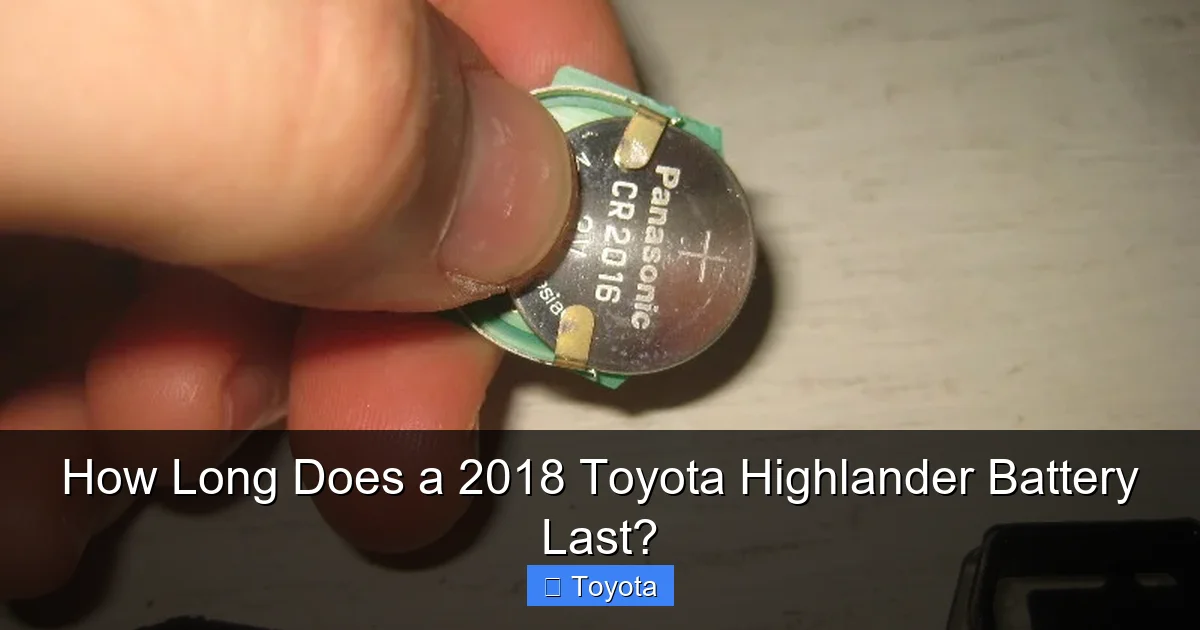
You’ll often hear the blanket statement: “A car battery lasts 3-5 years.” For a 2018 Toyota Highlander, this is a solid starting point, but it’s an average, not a guarantee. Toyota’s own warranty for the 12V battery is typically 36 months/36,000 miles (whichever comes first), with a prorated period following. This warranty structure tells us the manufacturer’s confidence level: they expect most batteries to perform well for at least three years under normal conditions.
Visual guide about How Long Does a 2018 Toyota Highlander Battery Last?
Image source: paulstravelpictures.com
Factors That Can Shorten This Timeline
Several factors can push your battery to the lower end of that range or even below it. Climate is the number one enemy. If you live in a consistently hot environment like Arizona or Florida, the intense heat under the hood accelerates the internal chemical reaction and causes electrolyte fluid to evaporate. This leads to plate corrosion and a permanent loss of capacity. Conversely, if you’re in Minnesota or Canada, the extreme cold reduces the battery’s available cranking amps by a significant percentage and makes the engine oil thicker, demanding more power to start. The constant stress of temperature extremes is brutal.
Your driving pattern is equally critical. The 2018 Highlander is a large, heavy vehicle. Starting it consumes a substantial amount of battery power. If your daily routine consists of quick trips to the store, school drop-offs, and then the car sits for hours or days, the alternator never gets a chance to fully replenish the energy used during startup. This “partial state of charge” is a leading cause of premature battery failure, as it leads to sulfation—the buildup of lead sulfate crystals on the battery plates that permanently reduces capacity.
Finally, the overall health of your charging system is non-negotiable. A failing alternator or a loose, worn serpentine belt that drives it can lead to under-charging. You might not even notice the slow drain until one day the battery is too weak to start the car. It’s a connected system; a problem with the alternator will quickly kill a new battery. For more on the alternator’s role, understanding how long a Toyota alternator lasts and its failure signs is essential knowledge.
Recognizing the Warning Signs of a Failing Battery
Don’t wait for the complete failure. Your Highlander will give you subtle and not-so-subtle clues that its battery is on its last legs. Catching these early can save you from being late for work or stranded in a parking lot.

Visual guide about How Long Does a 2018 Toyota Highlander Battery Last?
Image source: paulstravelpictures.com
The Slow Crank and Dimming Lights
The most classic sign is a slow, labored engine crank. Instead of the crisp, fast turnover when the engine starts, you hear the starter motor struggling, turning the engine over more slowly. This is the battery screaming for help—it can no longer deliver the high current needed. Often, this is accompanied by dimming headlights, especially noticeable when you come to a stop at a red light. The lights may dim noticeably as the battery struggles to power the ignition system and accessories without full alternator support. If your interior dome lights or dashboard illumination seem noticeably weaker when the engine is off, that’s another red flag.
Modern Dashboard Warnings and Physical Clues
Your Highlander’s computer is smart. It monitors the battery’s voltage and the alternator’s output. A malfunctioning battery or charging system will often trigger a warning light on the dash. Look for a battery-shaped icon or a message like “Check Charging System.” Don’t ignore it. Another clear, physical sign is a swollen, bloated battery case. This is usually caused by excessive internal heat or a failed internal cell and means the battery is unsafe and must be replaced immediately. Also, if you open the hood and notice a strong sulfur smell (like rotten eggs), it indicates a leaking or overcharging battery, which is a serious issue.
Sometimes, the sign is simply age. If your battery is over four years old and you’re experiencing any minor electrical quirks—like the radio resetting or power windows moving slowly—it’s prudent to have it tested. Many auto parts stores offer free battery and charging system tests that take just a few minutes and can give you a definitive health report.
Essential Maintenance to Maximize Battery Life
You can’t stop time, but you can absolutely slow the wear and tear on your Highlander’s battery with a few simple, regular habits. Think of it as preventative medicine for your vehicle’s electrical system.
Visual guide about How Long Does a 2018 Toyota Highlander Battery Last?
Image source: paulstravelpictures.com
Keep It Clean and Secure
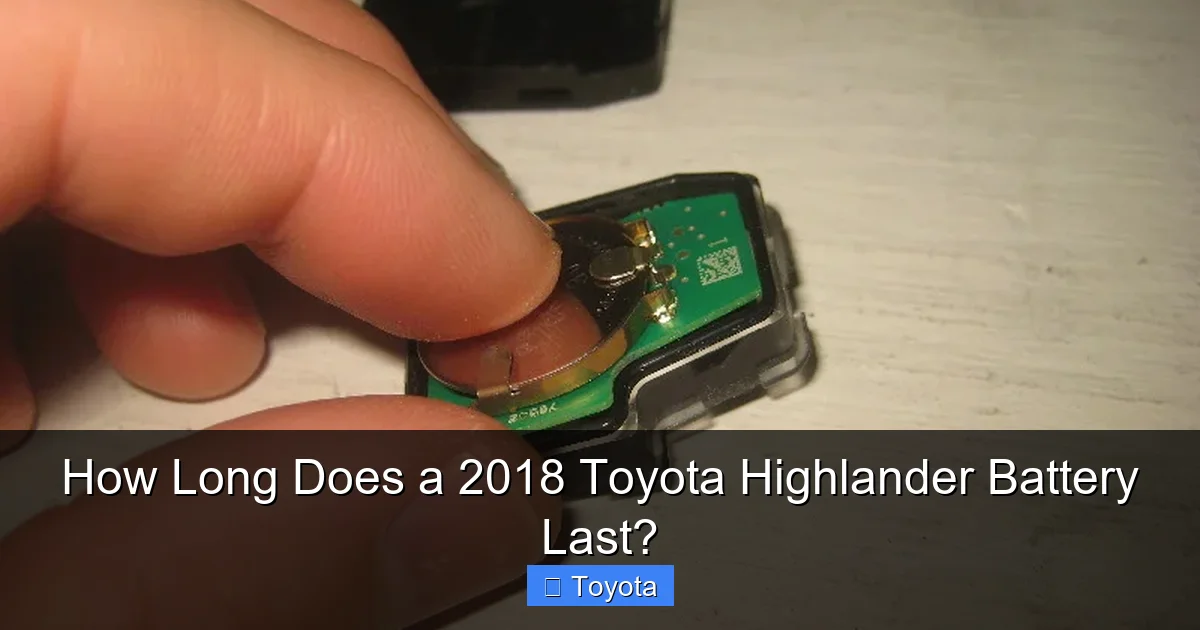
The battery terminals are prone to corrosion—that white, crusty buildup. This creates resistance, impeding the flow of power in and out of the battery. At least once a year, inspect and clean the terminals. Disconnect the negative cable first (black, with a “-” sign), then the positive (red, with a “+” sign). Use a wire brush and a solution of baking soda and water to remove all corrosion. Reconnect positive first, then negative. While you’re there, ensure the battery is securely fastened in its tray. A loose battery can vibrate and sustain internal damage, especially on rough roads. Check that the hold-down clamp is tight but not over-tightened to crack the case.
Drive Smart and Avoid Parasitic Drain
Try to combine errands into a single, longer trip rather than multiple short ones. This allows the alternator to run at optimal output and fully top off the battery. If you have a vehicle that sits for long periods (more than a week), consider using a smart battery maintainer or trickle charger. These devices provide a small, safe charge to keep the battery at 100% without overcharging. They are excellent for seasonal vehicles or if you go on an extended vacation. Be mindful of parasitic drain—the small current drawn when the car is off. Aftermarket accessories like poorly installed alarms, dash cams, or stereo systems can cause a constant, slow drain. If your battery dies after sitting for just a few days, a parasitic drain is a likely culprit and requires professional diagnosis.
Also, remember that your driving habits affect the entire charging system. Avoiding aggressive acceleration and heavy loads can reduce strain on the alternator and serpentine belt. Speaking of which, a failing serpentine belt can slip and prevent the alternator from charging properly. Understanding how long a Toyota serpentine belt lasts and replacing it on schedule is a critical part of battery longevity.
When Replacement Becomes Inevitable: Your Options
Even with perfect care, all batteries have a finite lifespan. When the time comes, you have choices. A replacement isn’t just about buying any battery that fits; it’s about matching the specifications to your Highlander’s needs.
Choosing the Right Replacement Battery
For your 2018 Highlander, you’ll need a battery that matches the original Group Size (likely Group 24F or 35, check your old battery or owner’s manual), has the correct Cranking Amps (CCA) rating for your climate (higher is better for cold starts), and the proper Reserve Capacity (RC). The RC tells you how long the battery can run accessories if the alternator fails. For the non-hybrid, a standard flooded lead-acid or AGM (Absorbent Glass Mat) battery is typical. AGM batteries are more expensive but are better with deep discharges, have longer life, and are maintenance-free. Some Highlander trims, especially those with Start/Stop systems, may require an AGM battery, so check your owner’s manual. For the Hybrid model, remember the 12V battery is still a standard battery; the high-voltage hybrid battery is a separate, much more complex and expensive component with its own warranty and lifespan considerations. You can learn more about the distinct longevity of hybrid car batteries.
Professional vs. DIY Installation
Replacing a 12V battery in a Highlander is a straightforward DIY job for someone with basic mechanical skills and tools. You’ll need a socket wrench to remove the hold-down clamp and the terminal clamps. Always disconnect the negative terminal first and connect it last to avoid any risk of short-circuiting. However, there are reasons to consider professional installation. First, many shops will test your old battery and charging system to ensure the new battery isn’t being killed by another problem. Second, they handle the proper disposal of the old battery (core charge). Third, on some models, accessing the battery requires removing parts of the air intake or other components, which can be tricky. A professional can also register the new battery with the vehicle’s computer if required (some European cars do this, but Toyota typically does not for the 12V battery). The cost of a new, quality battery for a Highlander ranges from $150 to $300+, depending on type and brand, plus installation if you choose that route.
Special Considerations for the Highlander Hybrid
If you own a 2018 Highlander Hybrid, it’s vital to understand you have two distinct battery systems. The discussion above applies solely to the standard 12-volt battery that starts the gasoline engine and powers all the electronics. The Hybrid has a second, much larger, high-voltage (approx. 244V) nickel-metal hydride (NiMH) traction battery pack located under the floor between the front seats. This is the battery that powers the electric motor(s) for propulsion.
The Hybrid Traction Battery: Longevity and Warranty
The good news is that Toyota’s hybrid traction batteries are renowned for their longevity. In California and states that have adopted California’s emission standards, Toyota warrants the hybrid battery for 10 years or 150,000 miles, whichever comes first. In other states, the warranty is typically 8 years/100,000 miles. Failures before this warranty period are extremely rare. Degradation is slow and gradual; you might notice a slight decrease in electric-only range or efficiency over many years, but a complete failure is highly unusual. Replacement of this traction battery is a major, expensive service ($3,000-$5,000+), but it’s not a regular maintenance item like the 12V starter battery. For the vast majority of Hybrid owners, the 12V battery is the only one they will ever need to replace during their ownership.
Conclusion: A Simple Plan for Longevity
So, how long will your 2018 Toyota Highlander battery last? The honest answer is: it depends on you. The factory and your driving environment set the stage, but your maintenance habits write the script. By aiming for the upper end of the 3-5 year range, you can save money, hassle, and ensure your SUV is always ready to go. The plan is simple: Know the warning signs, perform annual terminal cleaning and inspection, minimize short trips when possible, and have the battery and charging system tested annually once it passes the three-year mark. If you live in an extreme climate, consider a premium AGM battery for its superior durability. And for Hybrid owners, rest easy about the main propulsion battery—focus your attention on the small 12V battery that follows all the same rules. A healthy charging system, including a properly functioning alternator and serpentine belt, is the best partner your battery can have. Treat your Highlander’s electrical system with this level of care, and it will reliably start your adventure for years to come.
Frequently Asked Questions
Can I jump-start a completely dead 2018 Highlander battery?
Yes, you can jump-start it using another vehicle and heavy-duty jumper cables, following the proper sequence (positive to positive, negative to a bare metal ground on the dead vehicle’s engine block or frame, away from the battery). However, if the battery is old or damaged, it may not hold a charge and will likely die again soon. A complete discharge can also shorten the battery’s remaining life.
How much does a replacement battery for a 2018 Toyota Highlander cost?
A replacement 12V battery for a standard 2018 Highlander typically costs between $150 and $300 for a quality brand. Premium AGM batteries can run $250-$400+. This is for the part only. Professional installation adds another $50-$150, depending on the shop and if any components need to be removed for access.
Should I replace the battery myself or take it to a professional?
If you’re comfortable with basic tools and safety procedures (always disconnect negative first!), it’s a manageable DIY project. However, professional installation is recommended if the battery is in a hard-to-reach location, if you want a full charging system test to rule out other problems, or if you prefer the convenience and warranty that often comes with professional service.
Does the cold really kill my Highlander’s battery faster?
Absolutely. Cold reduces a battery’s chemical reaction rate and its ability to deliver power (CCA rating drops). At 0°F, a battery can lose up to 60% of its cranking power, while engine oil is thicker, making starting much harder. This immense stress during winter mornings is a primary reason batteries fail in colder climates after a few years.
How often should I have my Highlander’s battery tested?
It’s wise to have a professional load test performed annually once your battery is over 3 years old. Many auto parts stores offer this as a free service. You can also buy a simple multimeter to check the resting voltage at home (should be around 12.6 volts for a fully charged battery) or monitor it with a cigarette-lighter plug-in voltage monitor.
If I don’t drive my 2018 Highlander often, how long will the battery last?
A battery that sits unused will self-discharge and can develop sulfation, leading to failure in a matter of months. If your Highlander sits for more than a week or two at a time, you should connect it to a smart battery maintainer/trickle charger to keep it at a full charge. Without this, you can expect a significantly shortened lifespan, potentially down to 1-2 years.
