
How Long Does a Toyota Alternator Last?

A Toyota alternator typically lasts between 100,000 and 150,000 miles, or about 7 to 10 years, depending on driving habits and maintenance. With proper care, some alternators can even exceed this range. Regular inspections and early symptom detection are key to avoiding unexpected breakdowns.
Key Takeaways
- Average lifespan: Most Toyota alternators last 100,000–150,000 miles or 7–10 years under normal conditions.
- Driving habits matter: Frequent short trips, extreme weather, and heavy electrical use can shorten alternator life.
- Warning signs: Dim lights, battery warning light, strange noises, or difficulty starting the engine may indicate alternator issues.
- Regular maintenance helps: Routine inspections during service visits can catch problems early and extend alternator life.
- Quality replacements last longer: Using OEM or high-quality aftermarket alternators ensures better performance and durability.
- Battery health is linked: A failing battery can overwork the alternator, reducing its lifespan.
- DIY checks are possible: Simple voltage tests with a multimeter can help monitor alternator health at home.
📑 Table of Contents
How Long Does a Toyota Alternator Last?
If you own a Toyota—whether it’s a rugged Tacoma, a fuel-efficient Camry, or a versatile RAV4—you probably appreciate its reputation for reliability and longevity. But even the most dependable vehicles have components that wear out over time. One of the most critical yet often overlooked parts is the alternator. So, how long does a Toyota alternator last?
The short answer? Most Toyota alternators are built to last between 100,000 and 150,000 miles, which typically translates to about 7 to 10 years of service. However, this isn’t a hard-and-fast rule. Real-world performance depends on a variety of factors, including your driving habits, climate, electrical load, and how well you maintain your vehicle. Some alternators may fail earlier due to manufacturing defects or extreme conditions, while others—especially in well-maintained Toyotas—can keep chugging along well beyond 150,000 miles.
Understanding the lifespan of your alternator isn’t just about avoiding surprise repairs. It’s about protecting your vehicle’s electrical system, ensuring reliable starts, and preventing inconvenient breakdowns. In this guide, we’ll dive deep into what an alternator does, what affects its lifespan, how to spot trouble early, and what you can do to maximize its longevity. Whether you’re a seasoned Toyota owner or new to the brand, this information will help you stay ahead of potential issues and keep your ride running smoothly.
What Does a Toyota Alternator Do?

Visual guide about How Long Does a Toyota Alternator Last?
Image source: rusauto.net
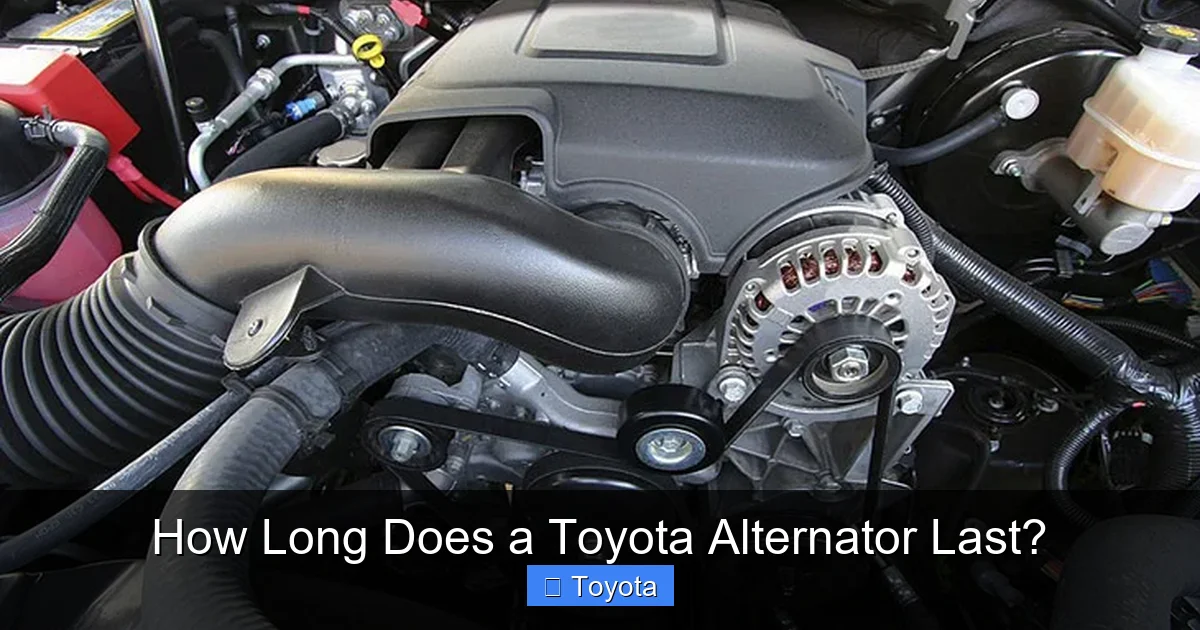
Before we talk about how long a Toyota alternator lasts, it’s important to understand what it actually does. Think of the alternator as the heart of your vehicle’s electrical system. While the battery provides the initial power to start the engine, the alternator takes over once the engine is running. Its job is to generate electricity to power all the electrical components—like lights, radio, air conditioning, power windows, and sensors—while also recharging the battery.
Here’s how it works: The alternator is driven by a belt connected to the engine’s crankshaft. As the engine runs, the belt spins a rotor inside the alternator, creating a magnetic field. This magnetic field induces an electrical current in the surrounding coils, producing alternating current (AC). The alternator then converts this AC into direct current (DC), which is what your car’s electronics need to function.
Without a working alternator, your battery would quickly drain, and your car would eventually stall. Even if the engine starts, it won’t run for long. That’s why a failing alternator can be so dangerous—it doesn’t just affect convenience features like the radio; it can leave you stranded on the side of the road.
Toyota vehicles are known for their efficient and durable electrical systems, and their alternators are typically well-engineered to match. However, like any mechanical component, they’re subject to wear and tear. Over time, internal parts like brushes, bearings, and diodes can degrade, reducing the alternator’s ability to generate power. That’s why knowing the signs of failure and understanding the factors that influence lifespan is so important.
Factors That Affect Toyota Alternator Lifespan

Visual guide about How Long Does a Toyota Alternator Last?
Image source: theautodoc.net
So, how long does a Toyota alternator last? As we’ve mentioned, the average is 100,000 to 150,000 miles, but several factors can shorten or extend that range. Let’s break down the key influences:
Driving Habits and Patterns
How you drive plays a big role in alternator longevity. Frequent short trips—like driving to the grocery store or dropping kids off at school—don’t give the alternator enough time to fully recharge the battery. This constant cycle of partial charging can stress both the battery and the alternator over time. In contrast, longer highway drives allow the alternator to operate at a steady, efficient rate, which is easier on its components.
City driving with lots of stop-and-go traffic can also increase wear. Every time you brake, your car’s kinetic energy is lost as heat, and the alternator has to work harder to keep the electrical system powered during frequent stops. If you live in a busy urban area, your alternator may age faster than someone who mostly drives on open roads.
Climate and Temperature Extremes
Extreme temperatures—both hot and cold—can take a toll on your alternator. In hot climates, under-the-hood temperatures can soar, especially in summer. High heat can degrade internal components like diodes and wiring insulation, leading to premature failure. Conversely, cold weather increases the load on the alternator because batteries are less efficient in the cold and require more charging power.
Toyota vehicles are designed to handle a range of climates, but if you live in an area with harsh winters or scorching summers, your alternator may not last as long as it would in a milder environment. Regular maintenance becomes even more important in these conditions.
Electrical Load and Accessory Use
Modern Toyotas come packed with electronics—navigation systems, heated seats, advanced safety features, and more. All of these draw power from the alternator. If you frequently use high-drain accessories like aftermarket sound systems, LED light bars, or phone chargers, your alternator has to work harder to keep up.
Adding extra electrical components without upgrading the alternator can overload the system. For example, installing a powerful stereo system in a Toyota Tacoma without considering the alternator’s capacity could lead to early failure. Always check your vehicle’s electrical specifications before adding accessories.
Battery Health and Condition
Your alternator and battery work together closely. A weak or failing battery forces the alternator to work overtime to keep it charged. This extra strain can wear out the alternator prematurely. Conversely, a healthy battery reduces the load on the alternator, helping it last longer.
If your battery is more than 3–5 years old, it’s a good idea to have it tested regularly. Many auto parts stores offer free battery checks. Replacing a weak battery before it fails can actually extend the life of your alternator.
Maintenance and Service History
Regular maintenance is one of the best ways to maximize alternator lifespan. During routine service visits, mechanics can inspect the alternator belt for wear, check connections for corrosion, and test output voltage. Catching small issues early—like a loose belt or corroded terminals—can prevent major failures down the road.
Neglecting maintenance, on the other hand, can lead to problems. A worn serpentine belt, for example, can slip or break, causing the alternator to stop working entirely. Similarly, corroded wiring can reduce efficiency and lead to voltage drops.
Signs Your Toyota Alternator Is Failing
Visual guide about How Long Does a Toyota Alternator Last?
Image source: bryansgarage.com
Knowing how long a Toyota alternator lasts is helpful, but recognizing the warning signs of failure is even more important. The sooner you catch a problem, the less damage it can cause—and the less expensive the repair will be. Here are the most common symptoms of a failing alternator:
Dim or Flickering Lights
One of the earliest signs of alternator trouble is dimming or flickering headlights, dashboard lights, or interior lights. If your lights seem weaker than usual—especially when you turn on the AC or headlights—it could mean the alternator isn’t producing enough power. You might also notice that the lights brighten when you rev the engine, which indicates the alternator is struggling to keep up at idle.
Battery Warning Light on the Dashboard
The battery warning light (often shaped like a battery or labeled “ALT” or “GEN”) is a direct indicator of charging system problems. If this light comes on, it means the alternator isn’t charging the battery properly. Don’t ignore it—this light can appear even if the battery itself is fine.
Strange Noises
A failing alternator may produce unusual sounds. You might hear a whining, grinding, or growling noise coming from the engine bay. These sounds often come from worn bearings or internal components rubbing together. If you hear persistent noise when the engine is running, have it checked right away.
Electrical Issues and Malfunctions
As the alternator weakens, you may notice other electrical problems. Power windows might move slowly, the radio might cut out, or the climate control might behave erratically. In some cases, the engine might stall or have trouble starting, especially after the car has been running for a while.
Dead Battery (Even After Recharge)
If your Toyota’s battery keeps dying—even after you jump-start it or recharge it—the alternator is likely the culprit. A healthy alternator should recharge the battery while driving. If the battery dies repeatedly, the alternator isn’t doing its job.
Burning Smell
In severe cases, a failing alternator can overheat, producing a burning smell—often like burning rubber or electrical insulation. This is a serious sign that the alternator is overheating or that the belt is slipping and burning. Pull over safely and have the vehicle towed if you notice this smell.
How to Extend the Life of Your Toyota Alternator
While you can’t stop wear and tear completely, there are several steps you can take to help your Toyota alternator last as long as possible. Here are some practical tips:
Drive Regularly and Take Longer Trips
As mentioned earlier, short trips don’t allow the alternator to fully recharge the battery. Try to take longer drives occasionally—especially highway driving—to give the alternator time to operate efficiently. If you mostly drive short distances, consider using a battery maintainer or trickle charger to help keep the battery topped off.
Limit High Electrical Loads
Be mindful of how many electrical accessories you use at once. Running the AC, heated seats, radio, and phone charger simultaneously increases the load on the alternator. If you notice dimming lights or sluggish performance, try turning off non-essential electronics.
If you’ve added aftermarket accessories, make sure your alternator can handle the extra demand. Upgrading to a high-output alternator may be necessary for vehicles with heavy electrical modifications.
Keep the Battery in Good Condition
A healthy battery reduces the strain on the alternator. Have your battery tested annually, especially if it’s more than three years old. Clean the battery terminals regularly to prevent corrosion, which can interfere with charging.
Inspect the Serpentine Belt
The serpentine belt drives the alternator, so it’s crucial that it’s in good condition. Check for cracks, fraying, or looseness during routine maintenance. A slipping or broken belt will cause the alternator to stop working. Most belts should be replaced every 60,000 to 100,000 miles, depending on your Toyota model.
Schedule Regular Maintenance
Include alternator checks in your regular service routine. Mechanics can test the alternator’s output voltage (should be around 13.5–14.5 volts when the engine is running) and inspect connections for corrosion or looseness. Catching small issues early can prevent costly repairs later.
Avoid Extreme Heat When Possible
If you live in a hot climate, park in the shade or use a sunshade to reduce under-hood temperatures. Excessive heat accelerates wear on internal components. Some drivers also install heat shields or cooling fans to protect the alternator.
When to Replace a Toyota Alternator
Even with the best care, alternators don’t last forever. So, how do you know when it’s time to replace yours?
If your Toyota is approaching or has exceeded 150,000 miles and you’re experiencing any of the warning signs listed above, it’s time to have the alternator tested. A professional mechanic can perform a load test to determine if the alternator is still producing adequate power.
In some cases, you may have the option to rebuild or remanufacture the alternator instead of replacing it entirely. Remanufactured alternators are often less expensive than new ones and come with warranties. However, for older vehicles or those with high mileage, a new OEM (Original Equipment Manufacturer) alternator may be the best long-term investment.
Always use high-quality parts when replacing your alternator. Cheap aftermarket units may fail sooner and could damage other electrical components. Toyota OEM alternators are designed specifically for your vehicle and offer the best reliability.
Conclusion
So, how long does a Toyota alternator last? On average, you can expect 100,000 to 150,000 miles or 7 to 10 years of reliable service—especially if you follow good maintenance practices. While no component lasts forever, understanding the factors that affect alternator life and recognizing early warning signs can help you avoid unexpected breakdowns and costly repairs.
By driving smart, keeping your battery healthy, limiting electrical loads, and scheduling regular inspections, you can maximize the lifespan of your Toyota’s alternator. And if replacement becomes necessary, choosing quality parts and professional installation ensures your vehicle stays dependable for years to come.
Remember, your alternator is a silent workhorse—quietly powering everything from your headlights to your infotainment system. Treat it well, and it will keep your Toyota running smoothly mile after mile.
Frequently Asked Questions
How long does a Toyota alternator typically last?
A Toyota alternator usually lasts between 100,000 and 150,000 miles, or about 7 to 10 years, depending on driving conditions and maintenance.
Can a bad alternator damage my Toyota’s battery?
Yes, a failing alternator can overwork the battery by forcing it to supply power without being recharged, leading to premature battery failure.
What are the first signs of alternator failure?
Common early signs include dim or flickering lights, a battery warning light on the dashboard, strange noises, and electrical malfunctions.
Can I drive my Toyota with a bad alternator?
You may be able to drive short distances, but the battery will drain quickly. Continuing to drive can leave you stranded and may damage other electrical components.
How much does it cost to replace a Toyota alternator?
Replacement costs vary by model and labor rates, but typically range from $400 to $800 for parts and installation, depending on whether you choose OEM or aftermarket parts.
Can I test my alternator at home?
Yes, you can use a multimeter to check the alternator’s output voltage. With the engine running, the voltage should be between 13.5 and 14.5 volts.