
Why Can I Smell Petrol in My Car?

Detecting a petrol smell inside your car cabin is a serious warning sign that should never be ignored. This odor typically indicates a fuel leak or vapor leak in your vehicle’s evaporative emission (EVAP) system. Driving with this issue is dangerous due to the high fire risk from fuel vapors contacting hot engine components. The most common causes range from a simple loose gas cap to damaged fuel lines or a failing fuel injector. Immediate action is required to diagnose and repair the problem to ensure your safety and prevent costly damage.
You’re driving along, windows up, and suddenly a distinct, sharp odor hits you—the unmistakable, sweetish smell of petrol or gasoline. Your first thought might be, “Where did that come from?” But that question should quickly be followed by a sense of urgency. That smell isn’t just a nuisance; it’s your car’s way of screaming for help. A petrol smell inside the cabin is a definitive sign of a fuel system leak, and it’s one of the most serious warning signs you can encounter. It points to a breach where flammable fuel or vapors are escaping their intended, sealed paths and finding their way into the air you breathe. This guide will walk you through exactly why this happens, what it means, and the critical steps you must take to fix it.
Our vehicles are complex machines designed to contain and manage highly volatile gasoline. Modern cars have sophisticated systems, like the Evaporative Emission Control (EVAP) system, specifically to prevent fuel vapors from escaping into the atmosphere or, more importantly, your car’s interior. When you smell petrol, one of these sealed systems has failed. The causes can range from a simple, user-fixable issue to a major repair requiring a professional mechanic. Understanding the potential sources is the first step in diagnosing the problem and getting your car safely back on the road. We’ll break down the most common reasons, how to do a safe initial check, and why getting it fixed immediately is non-negotiable for your safety.
Key Takeaways
- Understanding Why Can I Smell Petrol in My Car?: Provides essential knowledge
📑 Table of Contents
Why That Petrol Smell Is a Big Deal (The Safety Perspective)
Before we dive into causes, let’s be absolutely clear about the primary danger: fire and explosion. Gasoline vapors are extremely flammable and can ignite at very low temperatures. The engine bay of your car is full of hot surfaces—the exhaust manifold, catalytic converter, and engine itself. If fuel is leaking and these vapors come into contact with a hot surface, ignition can occur in an instant. The fumes inside your enclosed cabin are a direct path to a potential disaster. This is not a problem to put off for a rainy day.
Beyond the immediate fire risk, there are other significant consequences. You are literally dumping money out of the tank in the form of wasted fuel. A leak means you’re burning more gasoline just to go the same distance. Your car’s emissions will skyrocket, likely causing it to fail an inspection and harm the environment. Furthermore, some leaks can lead to poor engine performance, difficult starting, or even damage to sensitive components like oxygen sensors if they are constantly exposed to unburned fuel. The bottom line: that smell is a multi-faceted problem demanding immediate attention.
The EVAP System: Your Car’s “Fuel Vapor Containment” Unit
To understand leaks, you need to know about the EVAP system. This sealed system captures gasoline vapors from your fuel tank and stores them in a charcoal canister. When the engine is at the right operating conditions, these vapors are purged and burned in the engine instead of being released into the air. This system includes the gas tank, filler neck, fuel lines, the charcoal canister, and a network of rubber hoses and valves controlled by the car’s computer. A smell of petrol usually means there’s a crack, hole, or disconnect somewhere in this sealed network, or that liquid fuel is escaping from another part of the fuel delivery system.
Top 6 Reasons You Smell Petrol Inside Your Car
Let’s get to the heart of the matter. Here are the most common mechanical and electrical failures that will fill your cabin with the scent of gasoline.
Visual guide about Why Can I Smell Petrol in My Car?
Image source: cdn.autodoc.de
1. A Loose, Missing, or Faulty Fuel Cap
Yes, it’s that simple. The fuel cap is a critical seal in the EVAP system. If it’s not tightened properly (you should hear several clicks), is damaged, or is the wrong cap for your vehicle, vapors will leak directly from the filler neck into the air. This is the easiest and cheapest fix. Always check this first. If the cap is old, cracked, or the seal is torn, replace it with a new, OEM-spec cap. Many modern cars will even trigger a “Check Engine” light for a loose cap, often with a specific code like P0457 (evaporative emission system leak detected – fuel cap loose/off).
2. Fuel Injector Leaks or Seals
Fuel injectors are the nozzles that spray a fine mist of gasoline into your engine’s intake manifold or directly into the cylinders. They operate under high pressure. Over time, the rubber seals and O-rings that surround the injector body can degrade, crack, and leak. This leaked fuel can drip onto hot engine parts (like the valve cover) and vaporize, with the smell being drawn into the cabin through the HVAC intake. A leaking injector is a common source of a strong petrol odor, especially when the engine is hot. You might also notice a rough idle or poor performance.
3. Damaged or Leaking Fuel Lines
Your car has metal and rubber lines that carry pressurized gasoline from the tank to the engine. These lines can be damaged by road debris, corrosion (especially on older vehicles), or even from improper service. A pinhole leak in a metal line or a cracked rubber hose will spray or drip fuel. If this leak is near the engine bay or under the car, vapors can easily be sucked into the ventilation system. A major fuel line leak is also a severe fire hazard and will often cause visible dripping or staining on the ground or engine components.
4. Faulty or Cracked Charcoal Canister
The charcoal canister is the “soak-up” part of the EVAP system. It’s usually located near the fuel tank. If it becomes saturated with liquid fuel (from an overfilled tank or a failing pressure valve) or simply cracks with age, it can leak fuel vapors directly. A failing canister might also cause a “Check Engine” light with codes like P0440 (EVAP system malfunction) or P0441 (EVAP incorrect purge flow). Smell near the rear of the vehicle, especially after refueling, can point to this component.
5. Leaks in EVAP System Hoses and Connections
This is the most common source of small, hard-to-find vapor leaks. The network of plastic and rubber hoses connecting the tank, canister, and purge valve can become brittle, disconnected, or cracked over time. A disconnected hose or a small hole in a hose will allow raw fuel vapors to escape. These leaks are often tiny and may not leave a stain, making them difficult to locate without a professional smoke test. The smell might be more noticeable after refueling or on hot days when pressure builds in the tank.
6. Problem with the Fuel Tank Itself
While less common, a physical crack or hole in the fuel tank is a serious issue. This can happen from impact (hitting a pothole or debris), severe corrosion, or even from a faulty tank strap causing stress. A leaking tank will usually leave a noticeable puddle under the car. However, a small crack or a compromised seal where the tank’s sending unit or pump assembly mounts can also leak vapors without a large liquid leak. This is a major repair requiring tank removal and replacement.
How to Diagnose the Problem Yourself (Safely)
Before you call a mechanic, there are a few safe, preliminary checks you can perform. Safety is paramount: Do not smoke, use your phone, or create any sparks near the car. Work in a well-ventilated area.
Visual guide about Why Can I Smell Petrol in My Car?
Image source: shunauto.com
Step 1: The Visual Inspection (Engine Bay & Undercarriage)
With the engine cool, open the hood and look for any obvious signs. Check around the fuel injectors (on the intake manifold) for wetness or stains. Follow the visible fuel lines from the rail back towards the tank, looking for cracks, kinks, or wet spots. Look under the car (using a flashlight if needed) for any fresh drips or stains, particularly near the rear of the vehicle where the tank is. Also, inspect the area around the charcoal canister (often near the rear wheels or under the car near the tank) for damage or wetness.
Step 2: The Gas Cap Test
This is the easiest test. Remove the cap, inspect the seal on the cap and the filler neck for dirt, damage, or wear. Reinstall it firmly, turning until you hear at least 3-5 distinct clicks. If the smell persists after a day or two of driving, the cap is likely faulty or the system has another leak. Try driving with a known-good cap if possible.
Step 3: Smell Tracking
Try to pinpoint when the smell is strongest. Is it:
- Only when refueling or right after? Points to the filler neck, cap, or canister.
- Strongest when the engine is hot and running? Points to injectors, lines in the engine bay, or a leak that vaporizes with heat.
- Noticeable when the car is stationary, especially on hot days? Points to a tank or canister vapor leak.
- Coming through the A/C vents? Confirms the leak is in a location where the HVAC intake can pull it in, likely the engine bay.
Step 4: Check for Related Symptoms
Is your “Check Engine” light on? If so, have the codes read at any auto parts store (usually free). Codes in the P0440-P0457 range directly point to an EVAP system leak. Also, note if you’re filling up more often (poor fuel economy), if the car is hard to start, or if you see a puddle under the car. All these clues help a mechanic narrow down the issue.
When to Call a Professional and What to Expect
If you’ve checked the gas cap and performed a basic visual inspection with no clear answer, it’s time to call a qualified mechanic. Do not attempt to repair fuel lines or injectors yourself unless you have specific expertise. The risks of fire, personal injury from fuel spray, and improper repair leading to continued leaks are too high.
Visual guide about Why Can I Smell Petrol in My Car?
Image source: grimmermotors.co.nz
The Diagnostic Process: The Smoke Test
The most effective way to find small vapor leaks is a smoke test. The mechanic will connect a specialized machine to your EVAP system. This machine pumps harmless, visible smoke into the sealed system under slight pressure. Wherever there is a leak, smoke will billow out. The mechanic can then see the exact location of the leak—be it a cracked hose, a faulty seal, or a hole in the canister. This is the gold standard for diagnosing EVAP leaks and saves hours of guesswork.
Common Repairs and Their Costs
The repair cost depends entirely on the faulty part and labor time.
- Gas Cap: $15-$40.
- EVAP Hose(s): $20-$100 for parts, plus 0.5-1 hour labor.
- Fuel Injector O-ring/Seal Kit: $20-$50 per injector, plus 1-2 hours labor per bank.
- Charcoal Canister: $150-$400 for the part, plus 1-3 hours labor (often involves dropping the rear seat or tank).
- Fuel Line Repair/Replacement: Highly variable. A section of rubber line might be $50-$150. A custom metal line or full tank-side repair can run from $300 to over $1000 in parts and labor.
- Fuel Tank Replacement: The most expensive, typically $800-$2000+ depending on the vehicle.
Always get a detailed estimate before authorizing work. A reputable shop will show you the leaking part.
Preventing Future Petrol Smells: Maintenance Tips
While some failures are due to age and wear, you can take steps to minimize your risk.
Never Overfill Your Gas Tank
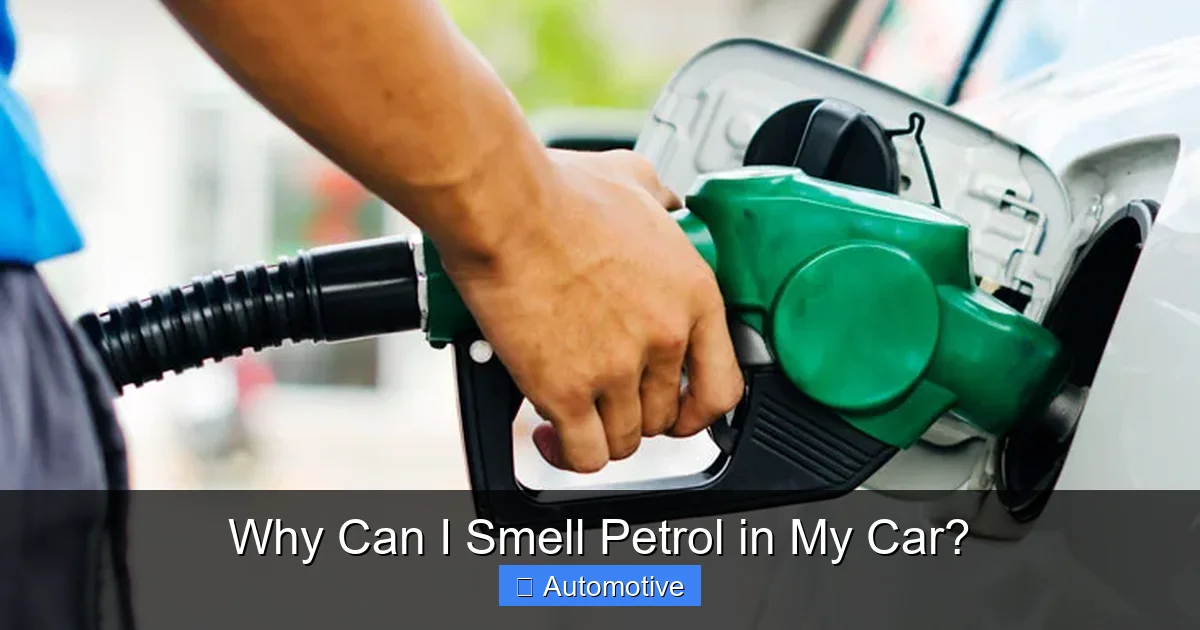
When the pump nozzle clicks off, stop. “Topping off” forces liquid gasoline into the EVAP charcoal canister, which is designed only for vapors. This can saturate and ruin the canister, leading to costly replacement and future leaks. It’s also bad for the environment and offers no benefit to your car.
Use a Proper, Tight-Sealing Gas Cap
If your original cap is lost or damaged, replace it with one that meets your manufacturer’s specifications. A cheap, universal cap may not seal properly and will trigger EVAP leak codes.
Regular Visual Inspections
During routine oil changes or when washing your car, take a quick look around the fuel filler area and under the car for any signs of fresh fuel residue or damaged components. Catching a small crack in a hose before it becomes a major leak saves money and danger.
Address “Check Engine” Lights Immediately
An EVAP-related code, even if the driveability seems fine, means your car is polluting and a leak exists. Have it diagnosed promptly. A small hose replacement is far cheaper than a ruined catalytic converter from running on a lean condition caused by a major leak.
Conclusion: Act Immediately, Drive Safely
The smell of petrol in your car is a definitive red flag. It’s your vehicle’s most urgent cry for help regarding a fuel system breach. The danger of fire is real and immediate. The path forward is clear: perform the simplest checks (gas cap, basic visual) first. If those don’t solve it, seek professional diagnosis without delay. Explain the symptom clearly to your mechanic—”I smell petrol inside the car when driving”—so they can focus their diagnostic efforts on the fuel and EVAP systems. This is one repair where procrastination is not just costly; it’s potentially catastrophic. Your safety, your passengers’ safety, and the health of your car depend on addressing this issue the moment you notice it. Don’t gamble. Get it fixed.
Frequently Asked Questions
Is it dangerous to drive my car if I smell petrol?
Yes, it is extremely dangerous. The smell indicates fuel vapors are present, which can ignite from a single spark or contact with a hot engine surface, causing a fire or explosion. You should not drive the vehicle unless you are moving it a very short distance to a safe location for repair.
What is the most common cause of a petrol smell inside a car?
The most common causes are a loose, damaged, or missing gas cap, and leaks in the EVAP system hoses. A leaking fuel injector seal is also a very frequent culprit, as these seals degrade over time and allow fuel to vaporize on the hot engine.
Can I fix a fuel leak myself?
Only if the issue is a loose or faulty gas cap. All other fuel system repairs—involving lines, injectors, tanks, or the EVAP canister—should be performed by a certified mechanic. Incorrect repairs can lead to severe leaks, fire, and injury.
How much does it typically cost to fix a petrol smell problem?
Costs vary widely. A new gas cap is under $40. Replacing an EVAP hose might be $100-$200. Fixing a leaking injector seal can be $200-$400. Major repairs like a charcoal canister or fuel line can range from $300 to over $1000. A fuel tank replacement is the most expensive, often exceeding $1000.
Why does the petrol smell seem worse when my car is idling or in traffic?
At idle, the engine is running but the vehicle isn’t moving, so the HVAC intake is pulling air from near the engine bay where many leaks (like injectors or lines) are located. In traffic, the lack of airflow can cause vapors to accumulate more. The smell may also increase when the engine is hot, as heat vaporizes any leaked liquid fuel more quickly.
What if my ‘Check Engine’ light is NOT on, but I smell petrol?
This is still a serious issue. Not all EVAP leaks are large enough to trigger the computer’s diagnostic threshold, especially very small vapor leaks. The absence of a light does not mean the problem is minor. You should still have a professional perform a smoke test to locate the source of the leak immediately.
