
Does Tesla Model Y Come with Tinted Windows

No, the Tesla Model Y does not come with factory-tinted windows from Tesla. All window tinting is an aftermarket modification you must arrange separately. You have several tint film options with varying darkness levels, but you must comply with state-specific legal limits on visible light transmission (VLT). Professional installation is highly recommended to avoid bubbles, ensure sensor functionality, and maintain warranties. Costs typically range from $200 to $800+ depending on film quality and coverage. Proper maintenance with ammonia-free cleaners is essential for longevity.
Key Takeaways
- No Factory Tint: Tesla does not install any window tint at the factory on the Model Y; all tinting is an aftermarket add-on.
- Aftermarket is Standard: Owners must independently purchase and have tint film installed by a third-party shop after vehicle delivery.
- Legal VLT Limits Apply: Each state has its own laws dictating how dark front, side, and rear windows can be; violating these can result in fines.
- Costs Vary Widely: Professional tinting for a Model Y generally costs between $200 and $800+, influenced by film brand, darkness, and number of windows.
- Professional Installation is Key: DIY tinting is risky; experts ensure a bubble-free finish, proper sensor/camera alignment, and often provide a warranty.
- Warranty Considerations: Aftermarket tint typically does not void Tesla’s new car warranty, but improper installation causing damage might not be covered.
- Maintenance Requires Care: Use specific non-abrasive, ammonia-free cleaners and avoid sharp objects to prevent damaging the tint film over time.
[FEATURED_IMAGE_PLACEHOLDER]
📑 Table of Contents
- Does Tesla Model Y Come with Tinted Windows? The Straight Answer
- The Factory Reality: Why Tesla Doesn’t Pre-Tint the Model Y
- Your Aftermarket Tinting Options for the Model Y
- Legal Considerations: Navigating VLT Laws by State
- Cost Breakdown: What to Budget for Your Model Y Tint
- Benefits and Potential Drawbacks of Tinting Your Model Y
- Installation, Maintenance, and Long-Term Care
- Conclusion: Making the Right Choice for Your Model Y
Does Tesla Model Y Come with Tinted Windows? The Straight Answer
If you’re in the market for a Tesla Model Y, one of the many questions swirling through your mind likely involves its factory features. You might picture yourself driving a sleek, private, and cool cabin, shielded from the sun’s glare and prying eyes. A natural assumption is that a premium electric vehicle like the Model Y would come with some form of window tint straight from the factory. After all, many car manufacturers offer “privacy glass” or factory-installed tint as an option or even a standard feature on higher trims.
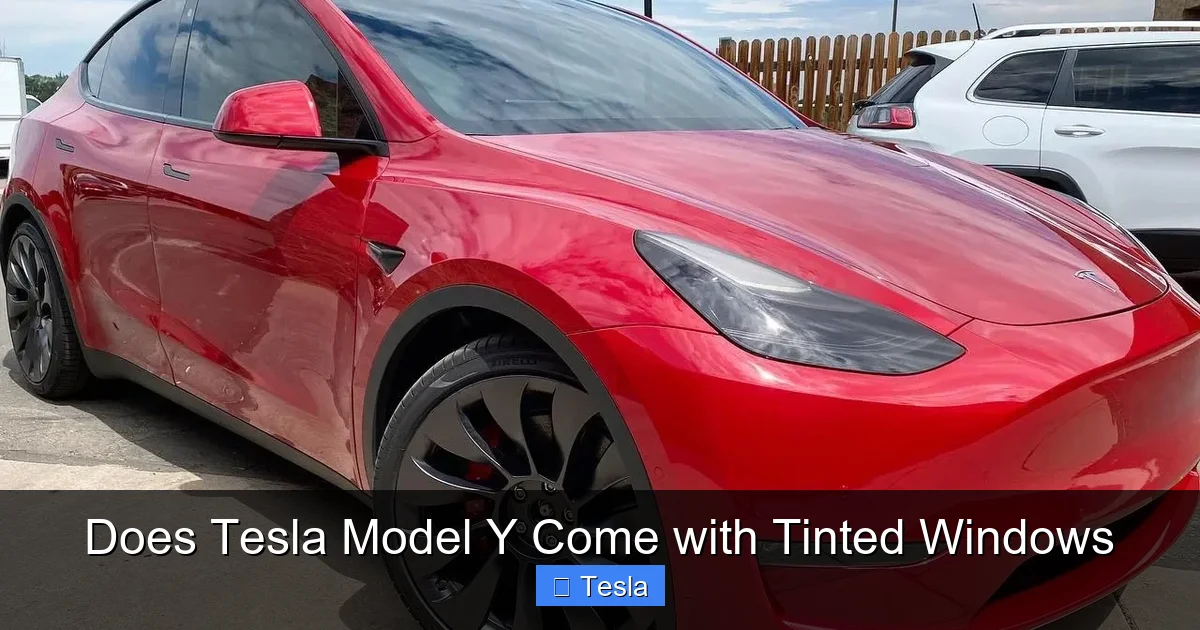
However, the reality for Tesla owners is different. The simple and direct answer is no, the Tesla Model Y does not come with factory-tinted windows. Every Model Y that rolls off Tesla’s production line has clear, untinted glass from the factory. This is consistent across all Model Y trims—the Standard Range, Long Range, and Performance versions all ship with the same clear glass. Any tinting you see on a Model Y on the road is an aftermarket modification performed by a third-party shop after the customer takes delivery.
This approach is actually part of Tesla’s broader philosophy of keeping the base vehicle specification simple and allowing owners to personalize their cars extensively. It means you have complete freedom over your window tint choices, but it also places the responsibility on you to find a quality installer and navigate local tinting laws. This guide will walk you through everything you need to know about tinting your Tesla Model Y, from the why behind Tesla’s decision to the nitty-gritty of film types, legal limits, costs, and care.
The Factory Reality: Why Tesla Doesn’t Pre-Tint the Model Y
Understanding why Tesla leaves window tinting out of the factory process helps set the stage for your own tinting journey. It’s a deliberate choice rooted in logistics, legality, and customer customization.
Visual guide about Does Tesla Model Y Come with Tinted Windows
Image source: i0.wp.com
A Philosophy of Simplicity and Global Compliance
Tesla’s manufacturing process is famously streamlined. The company builds vehicles for a global market with wildly different regulations. Window tint laws, specifically the Visible Light Transmission (VLT) percentage allowed, vary not just by country but by state, province, and even municipality within the United States. A “factory tint” darkness that is legal in Florida might be illegal in New York or Vermont. By shipping all vehicles with clear glass, Tesla avoids the immense complexity and cost of producing dozens of variant glass specifications for different markets. They ship one universal product and let local laws dictate what owners can add.
Preserving Sensor and Camera Functionality
Modern vehicles like the Model Y are packed with sensors, cameras, and antennas. The windshield houses the forward-facing camera for Autopilot, the rain/light sensor, and the microphone. The rear glass contains the camera for the rearview mirror display and the antenna for the keyless entry system. Applying a metallic or even certain ceramic films to these areas can potentially interfere with signal strength, causing issues with GPS, cellular connectivity, key fob range, and, most critically, Autopilot and safety camera performance. Tesla’s warranty covers these systems under specific conditions. By not applying factory tint, they eliminate any potential liability or complication where a tint film might be blamed for a sensor malfunction. When you add aftermarket tint, reputable installers know to use non-metallic, low-interference films (like ceramic) on windows with sensors and to carefully avoid the camera lenses themselves.
Empowering Owner Customization
Tesla views the car as a “blank canvas.” From wrap colors to wheel choices to interior modifications, the company encourages owners to personalize. Window tint is a huge part of that personalization. Some owners want a subtle 50% VLT for a slight privacy boost, while others desire a limo-black 5% for maximum shade and style. By not dictating a single tint level, Tesla lets you choose exactly what matches your aesthetic and functional needs. This also means you can choose the highest quality, most reputable local installer you trust, rather than being stuck with whatever vendor Tesla’s service center might use.
Your Aftermarket Tinting Options for the Model Y
Since the factory doesn’t tint your Model Y, you are the project manager for this upgrade. Your primary decisions revolve around the type of film and the darkness percentage (VLT).
Understanding VLT: The Magic Number
VLT stands for Visible Light Transmission. It’s the percentage of visible light that passes through the window film. The lower the percentage, the darker the tint. A 50% VLT film allows 50% of light in and is quite light. A 20% VLT is darker, and a 5% VLT is often called “limo tint” and is very dark, allowing only 5% of light through. It’s crucial to remember that factory glass on the Model Y has a slight greenish tint and an inherent VLT of about 70-75%. When you add a 20% film, the combined VLT of the glass *and* film will be darker than 20%. Reputable shops use a VLT meter to calculate the final, combined percentage to ensure you stay legal.
Types of Window Tint Film
Not all tint films are created equal. The main types you’ll encounter are:
- Dyed Film: The most budget-friendly option. It uses a dye to absorb sunlight and primarily provides privacy and some heat reduction. It can fade and turn purple over time (1-3 years) and offers the least heat rejection. It’s generally not recommended for a premium car like the Model Y due to poor longevity and performance.
- Metalized Film: Uses tiny metallic particles to reflect heat and UV rays. It offers excellent heat rejection and is more durable than dyed film. However, it can interfere with electronic signals (radio, GPS, key fobs, and potentially Tesla’s sensors), so it’s a poor choice for the front doors and windshield. It also has a shiny, metallic appearance that some find less aesthetic.
- Carbon Film: A high-performance film using carbon particles. It provides outstanding heat rejection (often better than metalized), excellent UV protection, and does not interfere with electronics because it’s non-metallic. It has a deep, matte black look that doesn’t fade or turn purple. This is a very popular and recommended choice for the Model Y.
- Ceramic Film: The top-tier option. Uses ceramic nano-particles to block infrared heat (IR) and UV rays most effectively while maintaining excellent visibility. It offers the highest heat rejection, zero signal interference, and a clear, non-reflective appearance. It’s the most expensive but provides the best performance and longevity. For a Model Y with large glass areas, ceramic is often the preferred choice for maximum cabin comfort.
For your Model Y, you will likely be choosing between high-quality carbon and ceramic films. You can read more about the specific performance differences in our detailed guide on how much it costs to tint a Tesla Model Y, which breaks down film types and their price points.
Coverage Choices: Full vs. Partial Tint
You also need to decide which windows to tint. Common packages include:
- Full Tint: All side and rear windows are tinted to the same VLT. This provides a uniform, sleek look and maximum privacy/heat reduction for the entire cabin.
- Front Two Doors Only: Only the driver and passenger front windows are tinted (to a legal, lighter percentage). This is sometimes done for a subtle look or if rear window tint is illegal in your area (rare).
- Front Two + Rear Glass: The front doors get a legal, lighter tint (e.g., 70% or 50%), while the rear side and rear window get a darker tint (e.g., 20% or 15%). This is a very common and practical approach, balancing driver visibility/legality with rear passenger comfort and privacy.
- Windshield Strip: A narrow, dark strip (usually 5-10 inches) at the top of the windshield. This is legal in most states as long as it doesn’t extend below the AS-1 line (the manufacturer’s marking on the windshield). It reduces sun glare without impairing visibility. Some states prohibit any windshield tint, so check local laws.
Many installers will recommend a package like “Front 70%, Rear 20%” for the Model Y to comply with most state laws while giving a great overall effect. Always confirm your state’s specific front-side window VLT limit before deciding.
This is the most critical part of your tinting journey. Ignorance of the law is not an excuse, and you can be pulled over, ticketed, and forced to remove illegal tint. Laws are complex and vary significantly.
Understanding the Core Rules: Front, Side, and Rear
Generally, U.S. state laws regulate three areas:
- Front Side Windows: This is the most restrictive. Most states require a minimum VLT of 70% or 75% (meaning very light tint). Some states like California, New York, and Virginia are strict at 70%. Others like Florida and Arizona allow darker at 28% or 32%. A few states like Michigan have no specific limit on front side windows.
- Rear Side Windows & Rear Windshield: These are almost always less restrictive. Many states allow any darkness (e.g., 5% or 15%) on rear windows. However, some states (like New York) require any rear window tint to allow 70%+ VLT if the front windows are tinted darker than 70%—a “dual standard.” A few states (California, Hawaii) require a minimum of 70% VLT on rear windows if the car has side mirrors only, but allow darker if it has an outside rearview mirror on each side.
- Windshield: Non-reflective tint is usually permitted at the top (the AS-1 line). Tinting below this line or with a reflective/metallic finish is typically illegal everywhere.
How to Find Your State’s Exact Law
Never rely on a tint shop’s word alone. Do your own research. The best resource is your state’s Department of Motor Vehicles (DMV) or Highway Patrol website. Search for “[Your State] window tint law” or “VLT regulations.” Look for official PDFs or pages detailing the percentages for front, rear, and windshield. Also, be aware of other regulations, such as:
- Reflectivity: Some states limit how reflective the tint can be (e.g., not more than a certain percentage reflective). Metallic films often fail this test.
- Color: Some states prohibit certain colors like red, blue, or yellow (often reserved for emergency vehicles).
- Medical Exemptions: Many states allow darker tint for individuals with a doctor’s note for medical conditions like lupus, melanoma, or severe photosensitivity. The process varies by state.
If you frequently drive across state lines, you must comply with the law of the state you are in, not just your home state. A tint legal in your home state could get you a ticket in a neighboring stricter state.
Cost Breakdown: What to Budget for Your Model Y Tint
The cost to tint your Tesla Model Y is one of the most common follow-up questions. As with any service, you get what you pay for. The price is determined by film quality/brand, the number of windows, your geographic location, and the installer’s reputation.
Typical Price Ranges
Here is a general breakdown for a full wrap (all side and rear glass) using professional-grade film:
- Basic Dyed or Low-End Hybrid Film: $150 – $300. Not recommended for a Tesla due to poor longevity, fading, and minimal heat rejection.
- Mid-Range Carbon Film: $300 – $600. This is the “sweet spot” for most owners. Offers excellent heat/UV rejection, no signal interference, and good longevity (10+ years). Brands like Llumar, 3M, SunTek, and Huper Optik have quality carbon lines.
- Premium Ceramic Film: $500 – $1,000+. Top-of-the-line heat rejection, crystal clarity, and maximum signal friendliness. Brands like 3M Crystalline, LLumar Formula One, and SunTek IR are leaders here. For a large glass area like the Model Y’s panoramic roof (if equipped), ceramic is highly advisable.
Most reputable shops will charge per window or have a package price for the entire vehicle. The panoramic roof (if your Model Y has it) is often tinted separately and can add $100-$300 to the total. A windshield strip is usually an additional $50-$150.
What’s Included in the Price?
A professional install should include:
- Removal of any existing trim or moldings carefully.
- Thorough cleaning of all glass surfaces.
- Precision cutting of the film (often by computer plotter for perfect fit).
- Application of the film with squeegees and heat guns.
- Edge sealing and final inspection.
- A comprehensive warranty (typically 5-10 years for the film against bubbling, fading, and peeling, and sometimes a lifetime warranty on the labor).
Always get a detailed, written quote that specifies the exact film brand, series, VLT percentage for each window, and the warranty terms. For a deeper dive into pricing factors and what to expect, our article on the cost to tint a Tesla Model Y provides a more granular analysis.
Benefits and Potential Drawbacks of Tinting Your Model Y
Why do so many Model Y owners tint their windows? The advantages are significant, but there are also a few considerations to keep in mind.
The Major Benefits
- Heat Rejection & Cabin Comfort: This is the #1 reason. Tesla’s large glass areas, especially the optional panoramic roof, can turn the cabin into a greenhouse. Quality ceramic or carbon film can block 40-60% of infrared heat (the heat you feel), dramatically reducing A/C usage and keeping the cabin cooler. This directly improves battery range by lessening the load on the climate system.
- UV Radiation Protection: All quality films block 99%+ of harmful UV-A and UV-B rays. This protects your skin from sun damage and, crucially, prevents your dashboard, seats, and interior trim from fading and cracking over time.
- Glare Reduction: Tint significantly reduces glare from the sun, headlights at night, and reflective surfaces. This reduces eye strain and fatigue, enhancing driving safety and comfort.
- Privacy and Security: Darker rear windows make it difficult for people to see into your cabin or trunk, deterring casual theft and providing privacy for passengers and cargo.
- Aesthetic Enhancement: A uniform, dark tint gives the Model Y a more cohesive, sleek, and sporty appearance, often making the car look lower and more aggressive.
Potential Drawbacks and Considerations
- Legality: As discussed, you must meticulously follow VLT laws. Illegal tint can lead to fix-it tickets, fines, and mandatory removal.
- Impact on Sensors and Cameras: While non-metallic films are safe, a poor installation can cause issues. Film overlapping the lens of the forward-facing camera, rearview camera, or side repeater cameras can create blurry or distorted images, potentially affecting Autopilot and safety features. A good installer will mask these areas perfectly.
- Nighttime Visibility: Very dark rear tint (e.g., 5%) can significantly reduce rearward visibility at night, especially in poorly lit areas or during rain/fog. This is a safety consideration. Many opt for a slightly lighter rear VLT (15-20%) for this reason.
- Quality of Installation: This is everything. A cheap, rushed job will result in bubbles, debris trapped under the film, peeling edges, and poor fitment. It will look terrible and fail prematurely. Always view examples of the installer’s work on a Tesla Model Y specifically.
- Warranty Implications: Tesla’s new vehicle warranty does not cover aftermarket modifications. However, if an improperly installed tint causes damage to the glass or interior (e.g., from scraping during removal), Tesla may deny warranty claims for that damage. Using a reputable, insured installer mitigates this risk.
- Removal Cost and Hassle: If you ever want to remove the tint, it’s a labor-intensive process that can damage defroster lines (the thin lines in the rear glass) if done incorrectly. It’s not cheap to have professionally removed.
Installation, Maintenance, and Long-Term Care
Once you’ve chosen your film and installer, the process is straightforward, but aftercare is vital for keeping your tint looking perfect for years.
The Installation Process
A professional installation on a Model Y typically takes 2-4 hours. The car must be immaculately clean inside and out. The installer will:
- Carefully remove any exterior trim pieces around the windows to get a clean edge.
- Spray the interior side of the glass with a soapy solution.
- Place the pre-cut film on the glass, positioning it perfectly.
- Use a squeegee to push out all water and air bubbles from the center outward.
- Use a heat gun to shrink and conform the film to complex curves, especially on the quarter windows and rear glass.
- Trim excess film with a razor blade for a precise edge.
- Reinstall all trim pieces.
- Clean the windows and explain the curing process.
After installation, the film needs to cure. The water between the film and glass will evaporate over 2-7 days (depending on climate). During this time, you may see small water pockets or a hazy appearance. Do not touch or try to wipe these. Do not roll down windows (for side films) for at least 3-5 days, or until your installer advises it’s safe. The adhesive needs this time to fully bond.
Long-Term Maintenance: Keeping Your Tint Pristine
Tint is relatively low-maintenance, but the wrong cleaning methods can ruin it.
- Use the Right Cleaners: NEVER use ammonia-based cleaners (like Windex) or abrasive scrubbers. Ammonia will degrade the film’s adhesive and cause it to dry out, crack, and peel. Use only cleaners specifically labeled safe for tinted windows, or a simple mixture of water and a drop of baby shampoo or dish soap (like Dawn). Many automotive detailers offer tint-safe sprays.
- Use Soft Tools: Use a clean, soft microfiber cloth. Avoid paper towels, which can be abrasive. For stubborn grime, let the soapy water sit for a moment before gently wiping.
- Be Gentle on Edges: The edges of the film are the most vulnerable. Avoid running sharp objects (like seatbelt buckles) along the windowsill where they could catch and peel the film edge.
- Sun Shade Use: When parked for extended periods in intense sun, using a reflective sunshade on the windshield can protect both your dashboard and the windshield film (if you have a strip) from extreme heat buildup, which can accelerate wear.
For a comprehensive guide on caring for your new tint, including product recommendations, check out our article on how to clean tinted car windows.
Conclusion: Making the Right Choice for Your Model Y
So, does the Tesla Model Y come with tinted windows? The definitive answer remains no. But this “lack” of a factory feature is actually an opportunity. It empowers you to make a fully informed, personalized choice that fits your local laws, budget, and style preferences. You are not stuck with a one-size-fits-all solution from Tesla; you can select the exact film technology—carbon or ceramic—that will best combat the heat and UV rays for your specific climate. You can choose the precise darkness that gives you the privacy you want while staying completely legal in your state.
The key to a successful tinting project is threefold: research your state’s VLT laws meticulously, invest in a high-quality film from a reputable brand, and hire a specialist with proven experience on Teslas. Don’t be tempted by the lowest bidder; the cost of a bad tint job is not just financial but also involves the hassle of removal and potential damage. Look for installers with portfolios full of Tesla work, who understand the importance of sensor clearance and clean, precise installation. When done right, aftermarket tint is one of the most impactful and satisfying upgrades you can make to your Model Y. It transforms the driving experience, protects your investment, and gives your electric crossover that final, polished look. Take your time, ask questions, and enjoy the cooler, more private, and more stylish cabin you’ve created.
Frequently Asked Questions
Does Tesla offer any factory-installed window tint on the Model Y?
No. Tesla does not apply any window tint at the factory for the Model Y. All glass is clear upon delivery. Any tint you see is an aftermarket modification.
How much does it typically cost to professionally tint a Tesla Model Y?
For a full tint using good quality carbon film, expect to pay between $300 and $600. Premium ceramic film for all windows usually costs $500 to $1,000 or more. Prices vary by location and installer reputation.
Is it illegal to tint my Tesla Model Y’s front windows?
>It depends entirely on your state. Most states allow only very light tint (70-75% VLT) on front side windows. Some states like Michigan have no limit, while others like New York and California are strict at 70%. You must check your specific state’s law before tinting.
Can I tint my Tesla Model Y windows myself to save money?
We strongly advise against DIY tinting on a Model Y. The large, complex-curved windows (especially the rear and quarter glass) are extremely difficult to apply without bubbles, wrinkles, or contamination. A poor DIY job will look bad, fail quickly, and can damage defroster lines. Professional installation is worth the cost.
What VLT percentage is recommended for a Tesla Model Y?
A very common and legal in many states combo is “Front 70%, Rear 20%.” This keeps you legal in stricter states for the front while providing excellent heat and privacy in the rear. For maximum heat rejection, use a high-quality ceramic film. Always verify your state’s rear window limits first.
Will aftermarket tint void my Tesla’s new car warranty?
The tint itself generally does not void the vehicle’s overall warranty. However, if the tint is installed improperly and causes damage (e.g., to the glass, interior trim, or a sensor), Tesla may deny warranty coverage for that specific damage. Using a reputable, insured installer minimizes this risk.
