
Is Sewer Gas in Rv Dangerous

Sewer gas in an RV can be more than just a foul smell—it may pose serious health and safety risks. Understanding its causes, symptoms, and prevention methods is essential for every RV owner to ensure a safe and comfortable travel experience.
Key Takeaways
- Sewer gas is a mixture of toxic and flammable gases that can cause headaches, dizziness, nausea, and in severe cases, respiratory issues or even death.
- Common causes in RVs include dry P-traps, cracked seals, or faulty venting systems that allow gas to escape into living spaces.
- Hydrogen sulfide and methane are the primary dangerous components of sewer gas, both of which are hazardous in enclosed environments.
- Regular maintenance of your RV’s plumbing and ventilation is the best defense against sewer gas buildup.
- Installing carbon monoxide and combustible gas detectors can provide early warnings and improve safety.
- Immediate action is required if you detect a strong rotten egg smell—evacuate, ventilate, and inspect the system.
- Preventive measures like using waterless traps or RV-safe deodorizers can help maintain a healthy interior environment.
📑 Table of Contents
Is Sewer Gas in RV Dangerous? Understanding the Risks
If you’ve ever stepped into your RV and caught a whiff of something that smells like rotten eggs, you’ve likely encountered sewer gas. While it might seem like just an unpleasant odor, the truth is that sewer gas in an RV can be more than just a nuisance—it can be dangerous. Whether you’re a weekend warrior or a full-time RVer, understanding the risks associated with sewer gas is crucial for your health and safety.
Sewer gas is a byproduct of decomposing waste in your RV’s holding tanks and plumbing system. It’s a complex mixture of gases, including hydrogen sulfide, methane, ammonia, carbon dioxide, and sometimes even traces of carbon monoxide. In small amounts, it might just cause a bad smell, but in higher concentrations, especially in the confined space of an RV, it can pose serious health threats. The danger increases when the gas accumulates due to poor ventilation, faulty seals, or neglected maintenance.
Many RV owners mistakenly assume that because their rig is small and mobile, it’s less prone to plumbing issues. But in reality, the compact design of an RV can make it even more vulnerable to gas buildup. With limited airflow and tightly sealed compartments, any leak or malfunction can quickly turn into a hazardous situation. That’s why it’s essential to know what sewer gas is, where it comes from, and how to prevent it from becoming a problem in your home on wheels.
What Is Sewer Gas and Why Is It a Concern in RVs?
Visual guide about Is Sewer Gas in Rv Dangerous
Image source: i0.wp.com
Sewer gas is a term used to describe the collection of gases produced during the breakdown of organic waste in sewage systems. In an RV, this process occurs in the black water tank, which holds toilet waste, and sometimes in the gray water tank, which collects water from sinks and showers. As bacteria decompose the waste, they release gases as a natural byproduct. These gases can escape into your living space if the plumbing system isn’t properly sealed or maintained.
The primary components of sewer gas include:
– Hydrogen sulfide (H₂S): This is the gas responsible for the classic “rotten egg” smell. It’s highly toxic even at low concentrations and can cause eye irritation, headaches, nausea, and dizziness. At higher levels, it can lead to loss of consciousness or respiratory failure.
– Methane (CH₄): A colorless, odorless gas that is highly flammable. While it doesn’t have a strong smell on its own, it’s often present alongside hydrogen sulfide. In enclosed spaces like an RV, methane buildup can create a fire or explosion hazard, especially near open flames or electrical sparks.
– Ammonia (NH₃): Found in smaller amounts, ammonia can irritate the eyes, nose, and throat. It’s particularly harmful to people with respiratory conditions like asthma.
– Carbon dioxide (CO₂) and carbon monoxide (CO): While not always present, these gases can be produced under certain conditions. Carbon monoxide, in particular, is deadly because it’s odorless and colorless, making it hard to detect without a detector.
In an RV, the risk is amplified because of the small, enclosed living space. Unlike a house, where sewer gas might dissipate quickly through open windows or better ventilation, an RV traps gases inside. This means that even a small leak can lead to dangerous concentrations over time. Additionally, many RVs are used in remote locations where medical help may not be immediately available, making prevention and early detection even more critical.
Common Causes of Sewer Gas in RVs
Visual guide about Is Sewer Gas in Rv Dangerous
Image source: i.ebayimg.com
Understanding why sewer gas enters your RV is the first step toward preventing it. While the smell is often the first clue, the root cause usually lies in the plumbing or ventilation system. Here are the most common reasons sewer gas makes its way into your living space.
Dry P-Traps
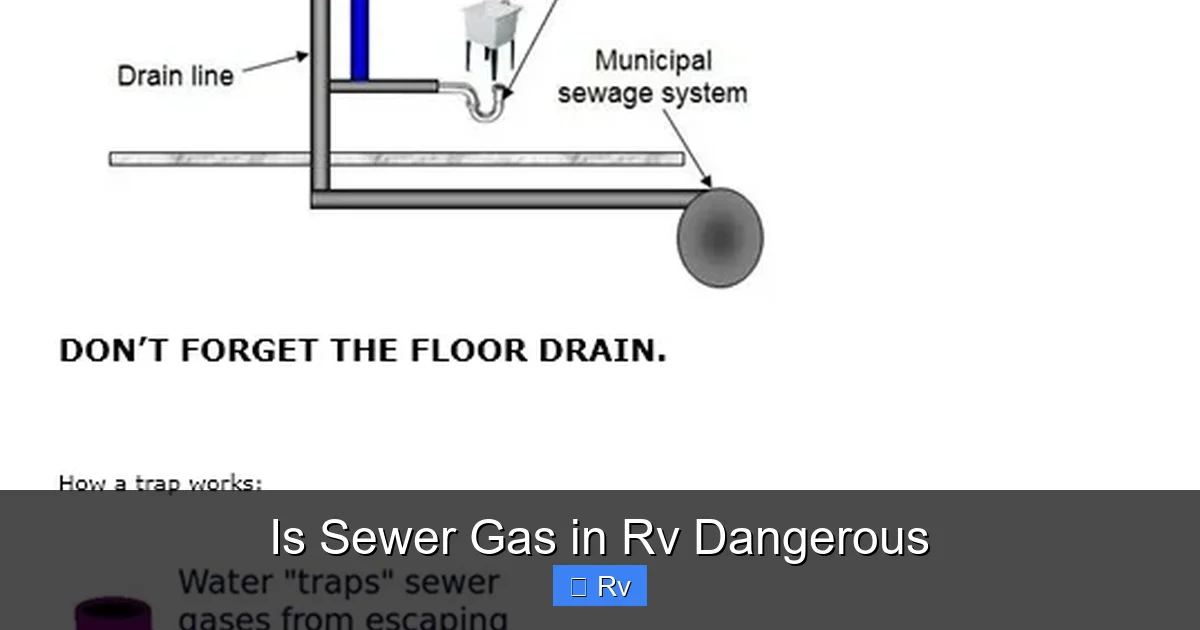
One of the most frequent causes of sewer gas in RVs is a dry P-trap. The P-trap is a U-shaped pipe under your sink, shower, or toilet that holds water. This water acts as a seal, preventing gases from the holding tanks from rising into your RV. However, if the water in the trap evaporates—especially during long periods of non-use—the seal breaks, allowing sewer gas to escape.
This is particularly common in RVs that sit unused for weeks or months. For example, if you store your RV over the winter and don’t use the sinks or toilet, the water in the P-traps can dry out. When you return and start using the fixtures again, you might notice a foul odor. Simply running water down the drain can refill the trap and restore the seal, but it’s a good idea to check all drains before your first trip of the season.
Cracked or Worn Seals
Over time, the seals around your toilet, sink, and shower drains can deteriorate. Rubber gaskets, wax rings, and plastic components can crack, warp, or become loose due to temperature changes, vibration during travel, or general wear and tear. When these seals fail, they create gaps that allow sewer gas to seep into your RV.
For instance, the wax ring that seals the base of your RV toilet to the holding tank can dry out or shift, especially if the toilet isn’t bolted down securely. This can lead to a persistent smell near the bathroom area. Similarly, sink drains with loose connections or damaged gaskets can allow gas to escape into the cabinet below the sink.
Blocked or Improperly Vented Plumbing
Your RV’s plumbing system relies on a vent pipe to regulate air pressure and allow waste to flow smoothly. This vent usually extends through the roof and is covered with a vent cap. If this vent becomes blocked—by leaves, bird nests, or debris—it can create a vacuum that prevents water from draining properly and allows sewer gas to back up into your fixtures.
In some cases, the vent pipe may not be installed correctly or may be too small for the system, leading to poor ventilation. This is especially common in older RVs or those that have been modified. A blocked or inadequate vent can cause gurgling sounds in the drains, slow drainage, and, eventually, sewer gas odors.
Leaking or Overfilled Holding Tanks
If your black water tank is overfilled or has a crack, it can release gases directly into your RV. This is more likely to happen if you don’t empty your tanks regularly or if you drive with a full tank, causing pressure buildup. A cracked tank can also allow waste and gas to leak into the underbelly of the RV, where it can seep into living areas through gaps in the flooring or walls.
Similarly, a loose or damaged connection between the toilet and the holding tank can allow gas to escape. This is often due to worn-out seals or improper installation. Regular inspections of your tank connections and seals can help catch these issues early.
Improper Use of Chemicals
Many RV owners use chemical deodorizers and treatments in their holding tanks to control odors and break down waste. While these products can be helpful, some contain harsh chemicals that can damage seals and gaskets over time. For example, formaldehyde-based treatments are effective at killing bacteria but can degrade rubber components, leading to leaks and gas escape.
Using too much chemical treatment can also create excessive gas production, increasing pressure in the system and forcing gas through weak points. It’s important to use RV-safe, biodegradable treatments and follow the manufacturer’s instructions carefully.
Health and Safety Risks of Sewer Gas Exposure
Visual guide about Is Sewer Gas in Rv Dangerous
Image source: gocarlife.com
While a faint smell might seem harmless, prolonged or high-level exposure to sewer gas can have serious health consequences. Because RVs are small and often poorly ventilated, even low concentrations of toxic gases can build up quickly, putting you and your travel companions at risk.
Short-Term Health Effects
At low levels, sewer gas exposure can cause a range of uncomfortable symptoms. The most common is the “rotten egg” smell of hydrogen sulfide, which can be irritating to the eyes, nose, and throat. You might experience headaches, dizziness, nausea, or fatigue—symptoms that are easy to mistake for motion sickness or fatigue from travel.
In higher concentrations, hydrogen sulfide can cause more severe effects, including:
– Eye irritation or conjunctivitis (pink eye)
– Respiratory distress, such as coughing or shortness of breath
– Loss of appetite and vomiting
– Difficulty concentrating or confusion
These symptoms can be especially dangerous for children, the elderly, or individuals with pre-existing health conditions like asthma or heart disease.
Long-Term and Severe Risks
Prolonged exposure to sewer gas, even at low levels, can lead to chronic health problems. Repeated inhalation of hydrogen sulfide has been linked to neurological issues, including memory loss, mood changes, and reduced motor function. In extreme cases, high concentrations can cause pulmonary edema (fluid in the lungs), seizures, or even death due to respiratory paralysis.
Methane, while not toxic, is a significant safety hazard because it’s highly flammable. In an enclosed space like an RV, a buildup of methane can create an explosive atmosphere. A single spark from a light switch, cigarette, or electrical appliance could ignite the gas, leading to fire or explosion. This risk is heightened in older RVs with outdated wiring or those that use propane appliances.
Carbon monoxide, though less common in sewer gas, can also be present if there’s incomplete combustion in nearby systems (like a malfunctioning furnace). CO is odorless and colorless, making it extremely dangerous. It binds to hemoglobin in the blood, reducing oxygen delivery to the brain and organs. Symptoms include headache, dizziness, weakness, and confusion—often mistaken for the flu. Without detection, CO poisoning can be fatal.
Vulnerable Populations
Certain groups are more susceptible to the effects of sewer gas. Children and infants have smaller airways and breathe more rapidly, making them more vulnerable to respiratory irritants. Older adults may have weakened immune systems or chronic health conditions that make them less able to cope with exposure.
Pregnant women should also be cautious, as some studies suggest that high levels of hydrogen sulfide may pose risks to fetal development. People with asthma, COPD, or other respiratory conditions may experience worsened symptoms even with minimal exposure.
How to Detect Sewer Gas in Your RV
Early detection is key to preventing health risks and costly repairs. Fortunately, there are several ways to identify sewer gas in your RV before it becomes a serious problem.
Odor Detection
The most obvious sign of sewer gas is the smell. If you notice a persistent “rotten egg” odor, especially near drains, the toilet, or the bathroom area, it’s a strong indicator that gas is escaping from your plumbing system. The smell may be stronger after long periods of non-use or during hot weather, when evaporation increases.
Keep in mind that the absence of smell doesn’t always mean safety. Some gases, like methane and carbon monoxide, are odorless. That’s why relying solely on your nose isn’t enough.
Visual and Audible Clues
Look for signs of moisture or damage around plumbing fixtures. Water stains, warped flooring, or mold growth near drains or under sinks can indicate a leak. You might also hear gurgling sounds from drains or toilets, which can signal a blocked vent or improper drainage.
Check the area around your holding tanks for signs of leakage, such as wet spots, discoloration, or a foul smell outside the RV. If you notice these signs, inspect the tank connections and seals.
Use of Gas Detectors
Installing a combustible gas detector in your RV is one of the best ways to stay safe. These devices can detect methane, propane, and other flammable gases, giving you an early warning before levels become dangerous. Some models also detect carbon monoxide, providing dual protection.
Place the detector near the floor, as many gases are heavier than air and settle low. Test it regularly and replace batteries as needed. While these detectors won’t detect hydrogen sulfide specifically, they can alert you to the presence of flammable gases that often accompany sewer gas.
Professional Inspection
If you’re unsure about the source of the odor or suspect a serious leak, consider having your RV inspected by a professional. A qualified technician can use specialized tools, such as smoke tests or pressure checks, to locate leaks in the plumbing system. They can also inspect your holding tanks, seals, and venting for damage or wear.
Regular maintenance checks—especially before long trips or after storage—can help catch problems early and prevent sewer gas from becoming a recurring issue.
Prevention and Maintenance Tips
The good news is that most cases of sewer gas in RVs can be prevented with proper maintenance and a few simple habits. By staying proactive, you can keep your RV smelling fresh and your family safe.
Keep P-Traps Full
Always ensure that water remains in your P-traps, especially if your RV will be sitting unused. Before storing your rig, pour a cup of water down each drain to replenish the seal. You can also use a product like “RV drain seal” or “trap primer” to help retain water longer.
For long-term storage, consider using a waterless trap sealant or installing a one-way valve that allows air in but prevents gas from escaping.
Inspect and Replace Seals Regularly
Check the seals around your toilet, sink, and shower every few months. Look for cracks, warping, or looseness. Replace wax rings, rubber gaskets, and O-rings as needed. Use RV-specific parts designed to withstand the unique conditions of mobile living.
If you notice a persistent smell near the toilet, it’s often a sign that the wax ring needs replacing. This is a relatively simple DIY job, but if you’re not comfortable doing it yourself, a technician can help.
Maintain Proper Ventilation
Keep your roof vent clear of debris. Inspect it regularly and clean out any leaves, nests, or dirt. If your vent cap is damaged or missing, replace it immediately. Consider installing a vent filter or screen to prevent blockages while allowing airflow.
If you experience gurgling drains or slow drainage, it may be a sign of a blocked vent. Use a plumber’s snake or compressed air to clear the blockage, or consult a professional.
Empty and Clean Holding Tanks Regularly
Don’t let your black water tank overfill. Empty it when it’s about two-thirds full to prevent pressure buildup and leaks. Always use the proper dump station and follow safe disposal practices.
After dumping, rinse your tanks thoroughly with clean water. Use an RV-safe tank cleaner to break down waste and reduce odor. Avoid overusing chemical treatments, as they can damage seals and increase gas production.
Use Odor Control Products Wisely
Choose biodegradable, enzyme-based treatments that are safe for your plumbing and the environment. These products break down waste naturally without harming seals or creating excess gas.
Avoid formaldehyde-based treatments, which are effective but can degrade rubber components over time. Look for products labeled “RV-safe” or “septic-safe.”
Install Gas Detectors
As mentioned earlier, installing a combustible gas detector is a smart safety measure. Choose a model that detects methane, propane, and carbon monoxide. Test it monthly and replace batteries at least once a year.
Place detectors in key areas, such as near the kitchen, bathroom, and sleeping areas. Some RVs come with built-in detectors, but if yours doesn’t, aftermarket options are widely available.
What to Do If You Detect Sewer Gas
If you smell sewer gas in your RV, don’t ignore it. Take immediate action to protect your health and prevent further damage.
Ventilate the Area
Open all windows and doors to allow fresh air to circulate. Turn on exhaust fans in the bathroom and kitchen to help remove the gas. If it’s safe to do so, run the roof vent fan to draw air out of the RV.
Evacuate if Necessary
If the smell is strong or you’re experiencing symptoms like dizziness, nausea, or difficulty breathing, leave the RV immediately. Move to a safe, well-ventilated area and seek fresh air. Do not re-enter until the source of the gas has been identified and resolved.
Locate the Source
Check all drains, seals, and connections for leaks. Look for dry P-traps, cracked seals, or signs of moisture. Smell around the toilet, sinks, and holding tank area to pinpoint the origin.
Take Corrective Action
Refill dry P-traps with water. Tighten loose connections or replace damaged seals. If you suspect a blocked vent, clear it carefully. If you can’t find the source or the problem persists, contact a professional.
Monitor the Situation
After addressing the issue, continue to monitor your RV for odors or symptoms. If the smell returns, there may be a deeper problem, such as a cracked tank or faulty venting system.
Conclusion
Sewer gas in an RV is not just an unpleasant smell—it’s a potential health and safety hazard that every RV owner should take seriously. From toxic gases like hydrogen sulfide to flammable methane, the risks are real, especially in the confined space of a recreational vehicle. However, with proper maintenance, regular inspections, and a few preventive measures, you can keep your RV safe and odor-free.
By understanding the causes of sewer gas, recognizing the warning signs, and taking swift action when needed, you can protect yourself and your loved ones on every adventure. Remember, a little prevention goes a long way. Keep your P-traps full, inspect your seals, maintain your vents, and never ignore a foul odor. Your RV is your home away from home—make sure it’s a healthy one.
Frequently Asked Questions
Can sewer gas in an RV make you sick?
Yes, sewer gas can make you sick. Exposure to gases like hydrogen sulfide can cause headaches, dizziness, nausea, and respiratory issues. In high concentrations, it can lead to more serious health problems or even be life-threatening.
How do I get rid of sewer gas smell in my RV?
Start by refilling dry P-traps with water, checking for leaks around seals, and ensuring your roof vent is clear. Use RV-safe deodorizers and ventilate the area by opening windows and turning on fans. If the smell persists, inspect your holding tanks and plumbing connections.
Is it safe to sleep in an RV with sewer gas smell?
No, it’s not safe to sleep in an RV with a strong sewer gas smell. The gases can accumulate overnight, increasing your exposure. Ventilate the RV immediately and locate the source of the leak before using the space again.
Can sewer gas explode in an RV?
Yes, methane in sewer gas is highly flammable and can explode if it builds up in an enclosed space and comes into contact with a spark. This is why proper ventilation and gas detection are critical in RVs.
How often should I inspect my RV’s plumbing for leaks?
Inspect your RV’s plumbing and seals at least every 3–6 months, and always before long trips or after storage. Pay special attention to the toilet seal, sink drains, and vent caps.
Do I need a gas detector in my RV?
Yes, installing a combustible gas detector is highly recommended. It can alert you to the presence of methane, propane, or carbon monoxide, helping prevent fires, explosions, or poisoning.
