
How to Build a Kayak Rack for an Rv

Building a kayak rack for an RV is a smart, cost-effective way to transport your kayak safely and securely. With basic tools and materials, you can create a custom rack that fits your RV and kayak perfectly. This DIY project saves money, improves storage, and enhances your outdoor adventures.
So, you’ve got your RV, your kayak, and a burning desire to explore every lake, river, and coastline within driving distance. But there’s one big problem: how do you safely and securely transport your kayak without it flying off the roof or getting damaged? The answer? Build a kayak rack for your RV.
It might sound intimidating at first—after all, not everyone’s a master carpenter or metalworker. But the truth is, building a kayak rack for an RV is one of the most rewarding DIY projects you can tackle. It’s practical, cost-effective, and surprisingly simple with the right plan. Plus, there’s something deeply satisfying about knowing you built the gear that’s helping you explore the great outdoors.
In this guide, we’ll walk you through every step of building a sturdy, reliable kayak rack for your RV. Whether you’re a weekend warrior or a full-time RVer, this project will save you money, give you peace of mind, and make your adventures even more enjoyable. We’ll cover materials, design options, safety tips, and step-by-step instructions so you can get your kayak on the road—literally—in no time.
Key Takeaways
- Custom Fit: A DIY kayak rack can be tailored to your RV’s roof size, kayak dimensions, and weight capacity.
- Cost Savings: Building your own rack costs significantly less than buying a pre-made one, often under $100.
- Material Options: Use durable, weather-resistant materials like PVC, aluminum, or treated wood depending on your budget and needs.
- Safety First: Proper mounting, padding, and secure tie-downs are essential to prevent damage and ensure safe travel.
- Easy Installation: Most DIY racks can be installed in a weekend with basic tools like a drill, wrench, and measuring tape.
- Versatility: A well-designed rack can hold one or two kayaks and may be adaptable for other gear like bikes or cargo boxes.
- Weather Protection: Use UV-resistant coatings and waterproof padding to extend the life of both the rack and your kayak.
📑 Table of Contents
Why Build Your Own Kayak Rack?
Buying a pre-made kayak rack for your RV can cost anywhere from $200 to $600, depending on the brand, material, and features. And while those racks are convenient, they’re not always a perfect fit. They might be too short, too wide, or not strong enough for your specific kayak. That’s where building your own comes in.
A DIY kayak rack gives you full control over the design. You can customize it to match your RV’s roof dimensions, accommodate one or two kayaks, and even add features like adjustable arms or extra padding. Plus, you’ll know exactly what materials went into it—no mystery plastics or flimsy brackets.
Another big advantage? Cost. With some basic materials from your local hardware store, you can build a high-quality rack for under $100. That’s a huge savings, especially if you’re already investing in an RV, camping gear, and outdoor equipment.
And let’s not forget the satisfaction. There’s something deeply rewarding about using something you built with your own hands. Every time you load up your kayak and hit the road, you’ll know you did it yourself—and that’s a feeling no store-bought product can match.
Choosing the Right Design for Your RV
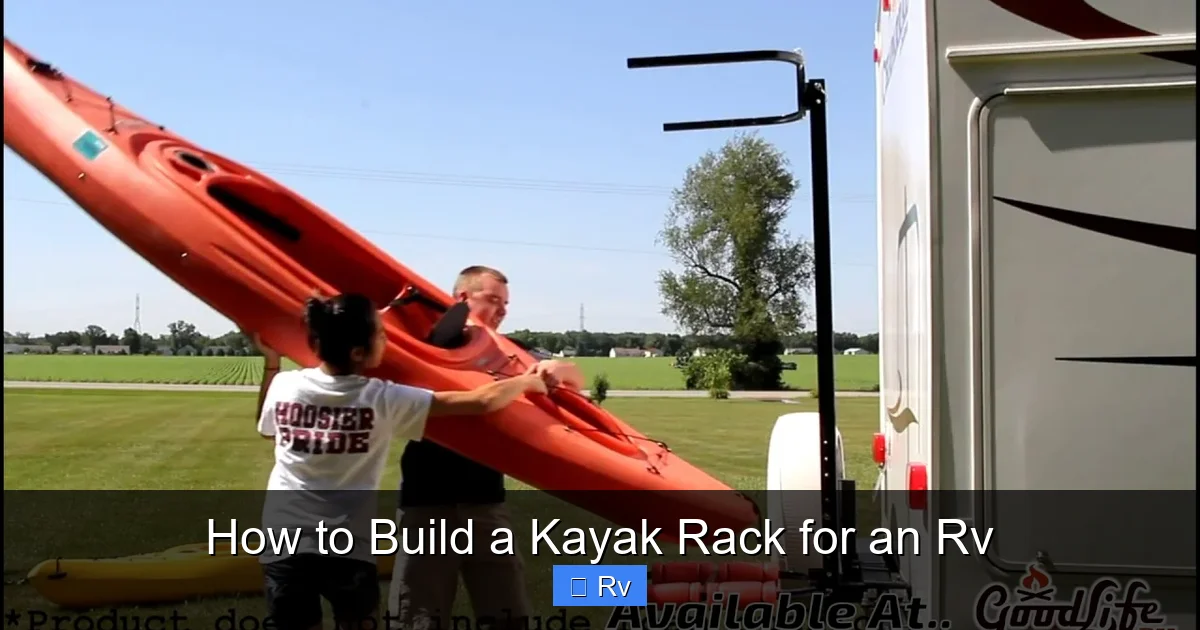
Visual guide about How to Build a Kayak Rack for an Rv
Image source: i.ytimg.com
Before you start cutting wood or drilling holes, you need to decide on a design. There are several popular styles of kayak racks for RVs, each with its own pros and cons. The right choice depends on your RV type, the number of kayaks you want to carry, and your comfort level with DIY projects.
Roof-Mounted Crossbar Rack
This is the most common type. It uses two horizontal crossbars mounted to your RV’s roof rails or roof itself. The kayak sits on top of the bars, secured with straps. This design is great because it keeps the kayak elevated and out of the way, and it’s easy to access when you arrive at your destination.
To build this, you’ll need two strong crossbars (aluminum or steel), mounting brackets, and padding. The crossbars should be long enough to support the kayak’s width and spaced far enough apart to distribute the weight evenly. Most RVs have pre-installed roof rails, but if yours doesn’t, you can install aftermarket rails or use a no-drill mounting system.
Side-Mounted Vertical Rack
If your RV has a spare tire on the back or a ladder on the side, a vertical rack might be a better option. This design holds the kayak upright along the side of the RV, saving roof space for other gear. It’s especially useful for smaller RVs or trailers where roof space is limited.
Building a side-mounted rack requires sturdy vertical supports and horizontal arms to cradle the kayak. You’ll need to ensure the rack doesn’t interfere with doors, windows, or the spare tire. It’s also important to check local laws—some states have restrictions on how far equipment can extend from the side of a vehicle.
Rear Hitch-Mounted Rack
If your RV has a rear hitch receiver, you can build a rack that attaches to the hitch. This design keeps the kayak behind the RV, freeing up roof space entirely. It’s ideal if you also carry bikes, cargo boxes, or other roof-mounted gear.
Hitch-mounted racks are typically made from steel tubing and attach to a 2-inch receiver. They’re strong, stable, and easy to remove when not in use. Just make sure your hitch can handle the extra weight—most Class III hitches can support up to 500 pounds, which is plenty for one or two kayaks.
Fold-Down or Adjustable Rack
For RVers who want flexibility, a fold-down or adjustable rack is a smart choice. These racks can be lowered for loading and then folded up when not in use, reducing wind resistance and improving fuel efficiency.
Building a fold-down rack requires hinges, locking mechanisms, and strong support arms. It’s a more advanced project, but the convenience is worth it if you frequently load and unload your kayak.
Materials and Tools You’ll Need

Visual guide about How to Build a Kayak Rack for an Rv
Image source: thefunoutdoors.com
Now that you’ve chosen a design, it’s time to gather your materials and tools. The exact list will vary depending on your design, but here’s a general guide to get you started.
Materials
- Crossbars or Support Arms: Aluminum or steel tubing (1.5” to 2” diameter) is ideal. Aluminum is lighter and rust-resistant, while steel is stronger but heavier.
- Mounting Brackets: Use heavy-duty U-bolts, L-brackets, or custom-fabricated mounts that fit your RV’s roof or hitch.
- Padding: Foam pipe insulation, rubber padding, or marine-grade carpet to protect your kayak from scratches and dents.
- Fasteners: Stainless steel bolts, nuts, and washers to prevent rust. Avoid regular steel—it will corrode quickly outdoors.
- Straps and Tie-Downs: Heavy-duty cam straps or ratchet straps with a minimum 150-pound capacity. Look for straps with padded hooks to protect your kayak.
- Weatherproofing: Marine-grade paint or UV-resistant sealant to protect metal parts from sun and rain.
Tools
- Measuring tape
- Drill with metal and wood bits
- Wrench or socket set
- Hacksaw or pipe cutter (for cutting tubing)
- Level
- Screwdriver
- Safety goggles and gloves
Optional Upgrades
- Quick-Release Pins: Make it easier to remove the rack when not in use.
- Locking Mechanism: Add a padlock to secure the rack and deter theft.
- LED Lights: If the rack extends beyond the rear of the RV, add lights for safety and compliance with traffic laws.
Step-by-Step Building Instructions

Visual guide about How to Build a Kayak Rack for an Rv
Image source: rcfact.com
Now for the fun part—building your kayak rack! We’ll walk you through a basic roof-mounted crossbar rack, which is the most versatile and beginner-friendly option.
Step 1: Measure Your RV and Kayak
Start by measuring the width of your RV’s roof. You’ll need to know how long your crossbars should be. Add 6 to 8 inches on each side to ensure the kayak overhangs slightly and is easy to load.
Next, measure your kayak’s width and weight. Most recreational kayaks are 24 to 36 inches wide and weigh between 40 and 80 pounds. Make sure your rack can support at least 1.5 times the kayak’s weight for safety.
Step 2: Cut the Crossbars
Using a hacksaw or pipe cutter, cut two pieces of aluminum or steel tubing to the desired length. Sand the edges smooth to prevent cuts and ensure a clean fit.
If you’re using aluminum, you can often have it cut to size at the hardware store. For steel, a pipe cutter works best.
Step 3: Attach the Mounting Brackets
Position the crossbars on your RV’s roof, spaced about 60 to 70% of the kayak’s length apart. For a 12-foot kayak, that’s roughly 7 to 8 feet apart.
Mark where the brackets will go, then drill pilot holes through the tubing and into the roof (if mounting directly). Use stainless steel bolts and washers to secure the brackets. If your RV has roof rails, use U-bolts to clamp the crossbars to the rails without drilling.
Step 4: Add Padding
Cut foam pipe insulation or rubber padding to fit over the crossbars. Secure it with waterproof adhesive or zip ties. The padding should be thick enough to cushion the kayak but not so thick that it reduces stability.
Step 5: Install Strap Guides (Optional)
To keep straps from slipping, you can add small hooks or D-rings to the ends of the crossbars. This makes it easier to secure the kayak and prevents straps from rubbing against the roof.
Step 6: Test and Secure
Place your kayak on the rack and secure it with heavy-duty straps. Check for any wobbling or movement. Tighten all bolts and ensure the rack is level.
Take a short test drive at low speed to make sure everything stays in place. If you hear rattling or see movement, recheck your fasteners and padding.
Safety Tips and Best Practices
Building a kayak rack is only half the battle—using it safely is just as important. Here are some essential tips to keep you and your gear protected on the road.
Check Weight Limits
Always check your RV’s roof weight capacity. Most RVs can handle 100 to 150 pounds per crossbar, but older models may have lower limits. Overloading can damage the roof or cause the rack to fail.
Use Proper Tie-Downs
Never rely on just two straps. Use at least four: two over the kayak and two tied down to the RV’s bumper or hitch. Cross the straps in an “X” pattern to prevent side-to-side movement.
Inspect Before Every Trip
Before hitting the road, check all bolts, straps, and padding. Look for signs of wear, rust, or loose parts. Replace anything that looks damaged.
Drive Cautiously
A kayak on the roof creates wind resistance and can affect handling. Drive slower than usual, especially in windy conditions. Avoid sudden turns or hard braking.
Cover Your Kayak
Use a kayak cover or tarp to protect it from sun, rain, and road debris. This extends the life of your kayak and keeps it clean.
Maintenance and Upkeep
To keep your DIY kayak rack in top condition, regular maintenance is key.
Clean Regularly
Wash the rack with soap and water after every trip, especially if you’ve been near saltwater. Rinse off dirt, sand, and debris to prevent corrosion.
Reapply Weatherproofing
Once a year, sand any rust spots and reapply marine-grade paint or sealant. This protects metal parts and keeps the rack looking new.
Store Indoors When Possible
If you’re not using the rack for an extended period, remove it and store it indoors. This prevents UV damage and extends its lifespan.
Conclusion
Building a kayak rack for your RV is a practical, affordable, and rewarding project that enhances your outdoor adventures. With the right design, materials, and safety practices, you can create a custom solution that fits your needs perfectly.
Not only will you save money compared to buying a pre-made rack, but you’ll also gain the satisfaction of knowing you built something useful with your own hands. Whether you’re exploring serene lakes or rushing rivers, your DIY kayak rack will keep your gear safe and secure every step of the way.
So grab your tools, measure twice, and get building. Your next kayaking adventure is just a rack away.
Frequently Asked Questions
Can I build a kayak rack without drilling into my RV?
Yes! Many RVs have roof rails that allow you to use U-bolts or clamp-style mounts without drilling. For hitch-mounted racks, no drilling is needed at all—just attach to the receiver.
What’s the best material for a DIY kayak rack?
Aluminum is ideal for most builders—it’s lightweight, strong, and rust-resistant. Steel is stronger but heavier and requires regular maintenance to prevent corrosion.
How much weight can a DIY kayak rack hold?
Most well-built racks can safely hold 100 to 150 pounds per crossbar. Always check your RV’s roof capacity and never exceed the manufacturer’s limits.
Can I carry two kayaks on one rack?
Yes, if your rack is long enough and your RV can handle the weight. Use a wider crossbar setup and secure each kayak individually with separate straps.
Do I need a permit to carry a kayak on my RV?
In most states, no permit is required as long as the kayak doesn’t extend more than 4 feet beyond the rear of the vehicle and has proper lighting if needed. Check local laws for specifics.
How do I prevent my kayak from getting scratched?
Use thick foam padding or marine carpet on the rack. Avoid metal-on-kayak contact, and always use padded strap hooks. A kayak cover adds extra protection during travel.