
Is Rv Antifreeze Safe for Septic Systems

RV antifreeze can be safe for septic systems—but only if it’s the right kind. Most non-toxic, biodegradable propylene glycol-based formulas are septic-safe, while toxic ethylene glycol types are not. Always check the label and choose wisely.
Key Takeaways
- Not all RV antifreeze is created equal: Propylene glycol-based antifreeze is generally safe for septic systems, while ethylene glycol-based products are toxic and harmful.
- Check the label for “septic-safe” or “non-toxic” claims: Reputable brands clearly state whether their product is safe for use in RVs connected to septic tanks.
- Biodegradability matters: Septic systems rely on beneficial bacteria to break down waste; using non-biodegradable or toxic antifreeze can kill these bacteria and disrupt the system.
- Proper disposal is key: Even septic-safe antifreeze should be used in minimal amounts and never poured directly into drains or onto the ground.
- Winterizing your RV doesn’t have to harm your septic system: With the right product and practices, you can protect your plumbing and your septic tank.
- When in doubt, consult your manufacturer or a professional: If you’re unsure about a product’s safety, contact the RV or septic system manufacturer for guidance.
- Eco-friendly alternatives exist: Some RV owners use diluted vinegar or specialized winterizing kits as safer, low-impact options.
📑 Table of Contents
- Is RV Antifreeze Safe for Septic Systems? A Complete Guide for RV Owners
- Understanding RV Antifreeze: What Is It and Why Do You Need It?
- How Septic Systems Work: The Role of Bacteria
- Is RV Antifreeze Safe for Septic Systems? The Truth
- How to Safely Use RV Antifreeze with a Septic System
- Common Myths and Misconceptions
- Environmental and Health Considerations
- Final Thoughts: Protect Your RV and Your Septic System
Is RV Antifreeze Safe for Septic Systems? A Complete Guide for RV Owners
If you’re an RV enthusiast, you know that winterizing your rig is a must before the cold sets in. One of the most important steps in that process is using RV antifreeze to protect your plumbing system from freezing temperatures. But what happens when you drain that antifreeze into a septic system—either at home or at a campground? Is it safe? Can it damage the delicate balance of bacteria that keeps your septic tank functioning?
These are common concerns among RV owners, especially those who rely on septic systems at their home base or seasonal campsites. The good news is that RV antifreeze can be safe for septic systems—but only if you choose the right kind and use it correctly. In this comprehensive guide, we’ll break down everything you need to know about RV antifreeze, septic system compatibility, and how to protect both your RV and your wastewater treatment system.
Whether you’re a full-time RVer or a weekend warrior, understanding the impact of antifreeze on your septic system is crucial. A damaged septic system can lead to costly repairs, environmental contamination, and health hazards. But with the right knowledge, you can winterize your RV confidently, knowing you’re not compromising your septic system’s health.
Let’s dive into the details and clear up the confusion once and for all.
Understanding RV Antifreeze: What Is It and Why Do You Need It?
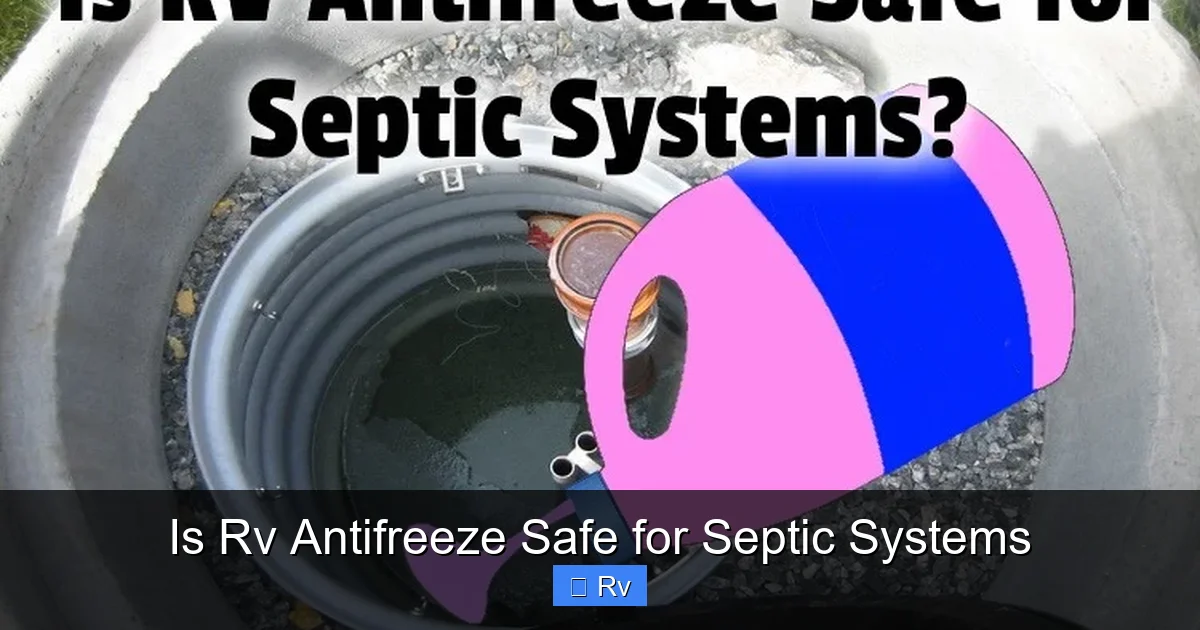
Visual guide about Is Rv Antifreeze Safe for Septic Systems
Image source: rvparenting.com
Before we talk about safety, let’s first understand what RV antifreeze is and why it’s essential for RV owners.
RV antifreeze is a specially formulated liquid used to protect the plumbing system in recreational vehicles from freezing during cold weather. When water freezes, it expands—this can cause pipes, water heaters, and holding tanks to crack or burst, leading to expensive repairs and water damage.
Unlike automotive antifreeze (which is designed for engine cooling systems), RV antifreeze is non-toxic and safe to use in drinking water systems. It’s typically poured into sinks, toilets, and drains to displace any remaining water and prevent ice formation.
Types of RV Antifreeze
There are two main types of RV antifreeze on the market:
- Propylene Glycol-Based Antifreeze: This is the most common and recommended type for RVs. It’s non-toxic, biodegradable, and generally safe for septic systems. It has a slightly sweet taste and is often dyed pink for easy identification.
- Ethylene Glycol-Based Antifreeze: This type is highly toxic and should never be used in RVs. It’s the same stuff found in car radiators and can be deadly if ingested. It’s also harmful to septic systems and the environment.
Always look for antifreeze labeled as “non-toxic” or “RV/marine grade.” These are almost always propylene glycol-based and safe for use in potable water systems.
Why Winterizing Matters
Even if you live in a mild climate, unexpected cold snaps can occur. A single freeze event can cause thousands of dollars in damage. Winterizing your RV with antifreeze is a simple, affordable way to protect your investment.
The process typically involves:
- Draining all water from tanks and lines
- Using a hand pump or compressor to blow out remaining water
- Pouring RV antifreeze into P-traps, drains, and toilet bowls
This ensures that no water is left behind to freeze and expand.
How Septic Systems Work: The Role of Bacteria

Visual guide about Is Rv Antifreeze Safe for Septic Systems
Image source: splashwash.com
To understand whether RV antifreeze is safe for septic systems, it helps to know how septic systems function.
A septic system is an underground wastewater treatment structure commonly used in rural areas without centralized sewer systems. It consists of a septic tank and a drainfield (or leach field).
The Septic Tank: A Natural Digestion Chamber
When wastewater from your RV or home flows into the septic tank, solids settle at the bottom (forming sludge), while oils and grease float to the top (forming scum). The liquid in the middle—called effluent—flows out into the drainfield for further filtration.
But here’s the key: the breakdown of waste in the septic tank relies on beneficial bacteria. These microorganisms consume organic matter, breaking it down into simpler compounds. Without them, the system would quickly clog and fail.
The Drainfield: Final Filtration
The effluent that leaves the tank enters the drainfield, where it percolates through soil. The soil acts as a natural filter, removing harmful pathogens and nutrients before the water reaches groundwater.
For this entire process to work efficiently, the bacterial ecosystem in the tank must remain healthy. Introducing toxic chemicals—like certain types of antifreeze—can kill these bacteria, disrupt digestion, and lead to system failure.
Signs of a Healthy vs. Failing Septic System
A healthy septic system operates quietly and efficiently. You shouldn’t notice any odors, wet spots in the yard, or slow drains.
Warning signs of a problem include:
- Slow-draining sinks or toilets
- Sewage backups
- Foul odors near the tank or drainfield
- Greener, spongy grass over the drainfield (a sign of over-saturation)
- Gurgling sounds in plumbing
If you notice any of these, it could indicate that harmful chemicals—like toxic antifreeze—have damaged the bacterial balance.
Is RV Antifreeze Safe for Septic Systems? The Truth
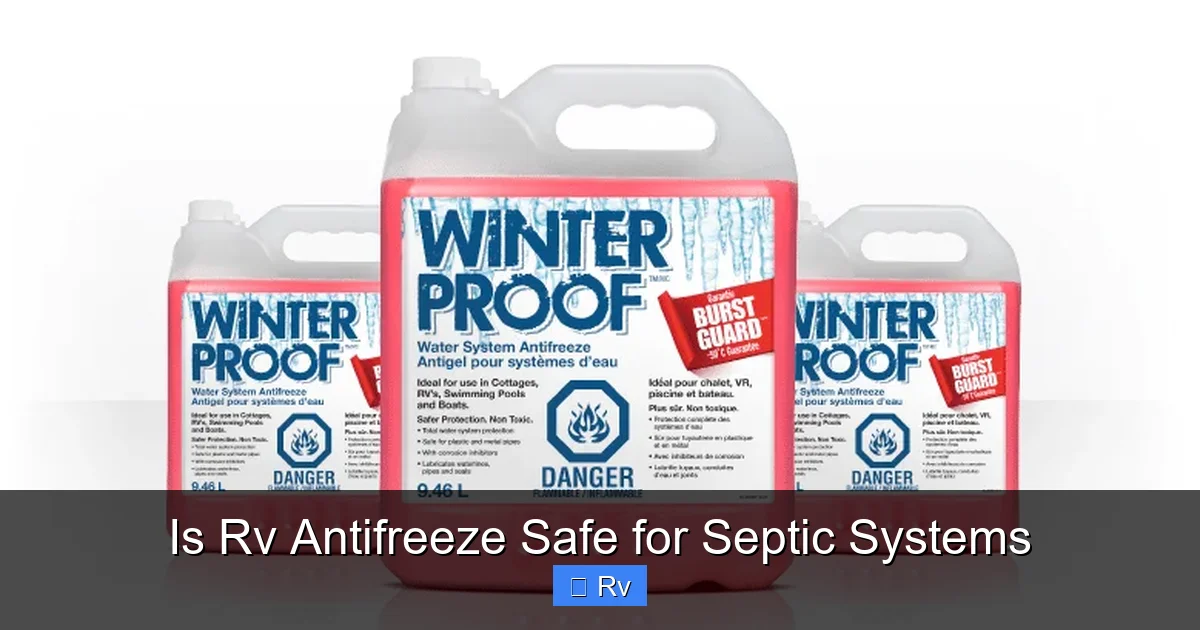
Visual guide about Is Rv Antifreeze Safe for Septic Systems
Image source: groundstone.ca
Now for the big question: Is RV antifreeze safe for septic systems?
The short answer is: It depends on the type of antifreeze and how it’s used.
Propylene Glycol Antifreeze: Generally Safe
Most commercially available RV antifreeze is made from propylene glycol, a food-grade substance that’s non-toxic and biodegradable. According to the Environmental Protection Agency (EPA) and septic system experts, small amounts of propylene glycol-based antifreeze are considered safe for septic systems.
Why? Because:
- It breaks down naturally in the presence of oxygen and bacteria
- It doesn’t contain harsh solvents or heavy metals
- It’s used in very small quantities compared to total wastewater volume
For example, winterizing an average RV might use 1–2 gallons of antifreeze. When diluted by thousands of gallons of wastewater over time, this small amount is unlikely to harm the bacterial ecosystem.
Ethylene Glycol Antifreeze: Never Safe
Ethylene glycol, on the other hand, is a different story. This chemical is highly toxic and persistent in the environment. It can kill beneficial bacteria in septic tanks and contaminate groundwater.
Even small amounts can be dangerous. Ethylene glycol has a sweet taste, which makes it attractive to pets and wildlife—but ingestion can be fatal.
Never use automotive antifreeze or any product labeled “ethylene glycol” in your RV. Always check the label and ingredient list.
Concentration and Volume Matter
Even with septic-safe antifreeze, it’s important to use it responsibly. Pouring large volumes directly into a single drain can overwhelm the system and temporarily disrupt bacterial activity.
Best practice is to:
- Use only the amount needed to winterize your RV
- Avoid dumping concentrated antifreeze into one drain
- Distribute usage across multiple fixtures (sinks, shower, toilet)
- Follow manufacturer instructions for proper application
This ensures the antifreeze is diluted quickly and doesn’t concentrate in one area of the tank.
What the Experts Say
The National Onsite Wastewater Recycling Association (NOWRA) and the EPA both state that biodegradable, non-toxic antifreeze used in typical RV winterizing amounts is acceptable for septic systems.
However, they emphasize the importance of:
- Reading product labels carefully
- Avoiding products with alcohol, methanol, or other harmful additives
- Not using antifreeze as a drain cleaner or deodorizer
In other words, antifreeze should only be used for its intended purpose: protecting plumbing from freezing.
How to Safely Use RV Antifreeze with a Septic System
Now that you know which antifreeze is safe, let’s talk about how to use it properly to protect both your RV and your septic system.
Step 1: Choose the Right Product
Look for antifreeze that is:
- Labeled “non-toxic”
- Marked “safe for septic systems” or “biodegradable”
- Free of alcohol, methanol, and ethylene glycol
- Dyed pink (a common indicator of RV-grade antifreeze)
Popular brands like Camco, Prestone, and RecPro offer septic-safe options. Always check the label—don’t assume all pink antifreeze is safe.
Step 2: Winterize Correctly
Follow these steps to minimize environmental impact:
- Drain all water first: Empty freshwater tanks, water heater, and all lines.
- Blow out lines: Use an air compressor to remove residual water from pipes.
- Add antifreeze to traps and drains: Pour 1–2 cups into each sink, shower, and toilet P-trap. Flush the toilet a few times to coat the bowl and valve.
- Don’t overuse: Only use enough to protect the system—extra antifreeze won’t provide more protection.
Step 3: Dispose of Excess Properly
If you have leftover antifreeze:
- Store it in a sealed, labeled container for next season
- Never pour it on the ground, into storm drains, or into a single septic drain
- Check with local waste facilities for hazardous waste disposal options (if needed)
Even septic-safe antifreeze should not be dumped indiscriminately. It’s still a chemical and should be handled responsibly.
Step 4: Monitor Your Septic System
After winterizing, keep an eye on your septic system during the first few uses in spring. Look for:
- Slow drains
- Unusual odors
- Gurgling sounds
If you notice any issues, it could indicate a problem—though it’s unlikely to be caused by antifreeze alone. Other factors, like excessive water use or clogs, may be to blame.
Alternative Winterizing Methods
If you’re still concerned about antifreeze, consider these alternatives:
- Air Compressor Only: Some RVers skip antifreeze entirely and rely on thorough air blowing to remove all water. This works in mild climates but is risky in areas with hard freezes.
- Diluted Vinegar Rinse: A mixture of white vinegar and water can help prevent freezing and is completely septic-safe. However, it’s not as reliable as antifreeze for extreme cold.
- Specialized Winterizing Kits: Some companies offer eco-friendly, plant-based antifreeze alternatives that are even gentler on septic systems.
While these options reduce chemical use, they may not offer the same level of protection as propylene glycol antifreeze in very cold conditions.
Common Myths and Misconceptions
There’s a lot of misinformation out there about RV antifreeze and septic systems. Let’s clear up some common myths.
Myth 1: “All Antifreeze Is Toxic”
False. While automotive antifreeze (ethylene glycol) is toxic, RV antifreeze is specifically formulated to be non-toxic and safe for potable water systems. The pink stuff you buy at RV stores is not the same as what goes in your car.
Myth 2: “Antifreeze Will Destroy My Septic Tank”
Not necessarily. In small, diluted amounts, propylene glycol antifreeze breaks down naturally and doesn’t harm the bacterial ecosystem. It’s the concentration and frequency of use that matter—not the product itself.
Myth 3: “I Can Use Automotive Antifreeze in a Pinch”
Absolutely not. Even a small amount of ethylene glycol can poison your septic system and pose serious health risks. Always use RV-specific antifreeze.
Myth 4: “Septic-Safe Means I Can Pour It Anywhere”
No. “Septic-safe” means the product won’t harm the system when used as directed. It doesn’t give you a license to dump it on the ground or into a single drain. Responsible use is still key.
Myth 5: “I Don’t Need Antifreeze If I Drain My RV”
Draining your RV removes most water, but tiny amounts can remain in low spots, P-traps, and check valves. These can freeze and cause damage. Antifreeze provides an extra layer of protection.
Environmental and Health Considerations
Beyond septic safety, it’s important to consider the broader environmental and health impacts of RV antifreeze.
Biodegradability and Water Safety
Propylene glycol breaks down in water and soil within days to weeks, especially in the presence of oxygen and bacteria. It’s considered low-risk for groundwater contamination when used properly.
However, large spills or improper disposal can still harm aquatic life. Always handle antifreeze with care and clean up any spills immediately.
Human and Pet Safety
While propylene glycol is non-toxic, it’s not meant for consumption. Ingestion can cause nausea, dizziness, or gastrointestinal upset. Keep antifreeze out of reach of children and pets.
Ethylene glycol, on the other hand, is extremely dangerous. Just a few ounces can be fatal to a dog or child. Always store antifreeze in its original container and label it clearly.
Sustainability and Eco-Friendly Choices
If you’re environmentally conscious, look for antifreeze made from renewable resources or with lower environmental impact. Some brands now offer antifreeze derived from corn or other plant-based sources.
Additionally, reducing overall chemical use—by winterizing only when necessary and using air blowing when possible—can further minimize your environmental footprint.
Final Thoughts: Protect Your RV and Your Septic System
So, is RV antifreeze safe for septic systems? The answer is a cautious yes—when you choose the right product and use it responsibly.
Propylene glycol-based, non-toxic antifreeze is designed to be safe for both your RV’s plumbing and your septic system. It’s biodegradable, won’t harm beneficial bacteria, and is used in such small amounts that it poses minimal risk.
But that doesn’t mean you should be careless. Always read labels, avoid toxic alternatives, and follow best practices for winterizing and disposal.
By taking these steps, you can enjoy peace of mind knowing that your RV is protected from winter damage—and your septic system remains healthy and functional for years to come.
Winterizing doesn’t have to be a trade-off between convenience and environmental responsibility. With the right knowledge and tools, you can do both.
Frequently Asked Questions
Can I use RV antifreeze in a septic system?
Yes, as long as it’s a non-toxic, propylene glycol-based formula labeled “septic-safe” or “biodegradable.” These types break down naturally and won’t harm the beneficial bacteria in your septic tank.
What happens if I use toxic antifreeze in my septic system?
Ethylene glycol-based antifreeze can kill the bacteria that break down waste, leading to clogs, odors, and system failure. It’s also toxic to humans and animals and can contaminate groundwater.
How much RV antifreeze is safe to use?
Typically, 1–2 gallons is enough to winterize an average RV. This small amount, when diluted by normal wastewater, is generally safe for septic systems. Avoid overuse or pouring large amounts into a single drain.
Can I winterize my RV without antifreeze?
Yes, but it’s riskier. You can use an air compressor to blow out water lines, but residual water may remain in traps and valves. Antifreeze provides the most reliable freeze protection.
Is pink antifreeze always safe for septic systems?
Not necessarily. While pink dye often indicates RV-grade antifreeze, always check the label for “non-toxic,” “propylene glycol,” and “septic-safe” claims. Some pink products may contain harmful additives.
What should I do with leftover RV antifreeze?
Store it in a sealed, labeled container for next winter. Do not pour it on the ground or into storm drains. If you must dispose of it, check with your local hazardous waste facility for guidance.