
How to Add a Fan to Fridge of Rv

Adding a fan to your RV fridge can significantly boost cooling efficiency, reduce strain on the cooling unit, and help maintain consistent temperatures—especially in hot weather or when parked in direct sunlight. This simple upgrade is a cost-effective way to extend the life of your refrigerator and keep your food fresher longer, all without requiring advanced technical skills.
Key Takeaways
- Improved Air Circulation: A fan helps distribute cool air evenly inside the fridge, preventing hot spots and ensuring consistent temperature.
- Reduced Cooling Unit Strain: By aiding airflow, the fan reduces the workload on the refrigerator’s cooling system, which can extend its lifespan.
- Better Performance in Hot Climates: RV fridges struggle in high temperatures; a fan helps maintain efficiency even when parked in direct sun.
- Easy and Affordable DIY Project: Most RV owners can install a fridge fan with basic tools and minimal expense—often under $30.
- Low Power Consumption: Modern 12V DC fans use very little energy, so they won’t drain your RV’s battery significantly.
- Prevents Frost Buildup: Proper airflow reduces moisture accumulation, minimizing frost in the freezer compartment.
- Quiet and Compact Design: Most fridge fans are small, quiet, and designed specifically for tight RV spaces.
📑 Table of Contents
- Why Adding a Fan to Your RV Fridge Matters
- How RV Refrigerators Work (And Why They Need Help)
- Benefits of Installing a Fan in Your RV Fridge
- Choosing the Right Fan for Your RV Fridge
- Step-by-Step Guide to Installing a Fan in Your RV Fridge
- Tips for Maximizing Fan Performance
- Troubleshooting Common Issues
- Conclusion
Why Adding a Fan to Your RV Fridge Matters
Imagine this: You’re on a summer road trip, parked under the blazing sun, and you open your RV fridge only to find your milk warm and your ice cream soft. Sound familiar? If you’ve ever dealt with an underperforming RV refrigerator, you’re not alone. Many RV owners struggle with inconsistent cooling, especially during hot weather or when boondocking without shore power.
The truth is, RV refrigerators—especially absorption-style models—are notoriously inefficient compared to household fridges. They rely on heat (from propane or electric elements) to drive the cooling process, and they don’t have internal fans like home units. This means cold air sinks to the bottom while warm air stays at the top, creating temperature imbalances. Over time, this can lead to spoiled food, increased energy use, and even premature failure of the cooling unit.
That’s where a simple upgrade comes in: adding a fan to your RV fridge. It’s one of the most effective and affordable improvements you can make to your RV’s refrigeration system. A small 12V DC fan mounted inside the fridge compartment helps circulate air, ensuring that cold air reaches all shelves and corners. This not only keeps your food colder and fresher but also reduces the strain on the cooling unit, potentially saving you hundreds in repairs or replacements down the road.
How RV Refrigerators Work (And Why They Need Help)
Before diving into the installation, it helps to understand why RV fridges need a little extra help. Most RVs use absorption refrigerators, which operate differently from the compressor-driven units in your home. Instead of using a motor and refrigerant gas, absorption fridges use a combination of heat, ammonia, hydrogen gas, and water to create a cooling effect.
Visual guide about How to Add a Fan to Fridge of Rv
Image source: alliancerv.co.nz
The Absorption Cooling Process
Here’s a simplified breakdown: Heat from a propane flame or electric heating element boils a mixture of ammonia and water in the generator. The ammonia vapor rises and passes through a condenser, where it cools and liquefies. Then, hydrogen gas is introduced, lowering the pressure and allowing the liquid ammonia to evaporate in the evaporator—this evaporation absorbs heat, cooling the fridge interior. The ammonia and hydrogen then recombine and return to the generator to repeat the cycle.
Why Air Circulation Is Critical
The problem? This process is slow and passive. Without forced airflow, cold air settles at the bottom while warm air lingers at the top. This creates uneven temperatures, meaning your milk might be cold while your leftovers are lukewarm. In hot climates or when the fridge is overloaded, the cooling unit has to work harder to maintain temperature, which can lead to overheating and failure.
Additionally, RV fridges are often installed in tight spaces with limited ventilation. Poor airflow around the exterior coils can further reduce efficiency. While improving external ventilation is important, adding an internal fan addresses the core issue: uneven air distribution inside the fridge.
Benefits of Installing a Fan in Your RV Fridge
You might be wondering: Is a fan really worth the effort? The short answer is yes—especially if you spend a lot of time camping in warm weather or rely on your fridge for extended trips. Here are the top benefits of adding a fan to your RV fridge.
Visual guide about How to Add a Fan to Fridge of Rv
Image source: cdn.shopify.com
1. More Consistent Temperatures
A fan ensures that cold air circulates evenly throughout the fridge. This means no more guessing which shelf is coldest or finding spoiled food because it was stored in a warm spot. With better airflow, your fridge maintains a more stable temperature, which is crucial for food safety.
2. Faster Cool-Down After Opening
Every time you open the fridge door, warm air rushes in. Without a fan, it can take a long time for the interior to cool back down. A fan helps redistribute the cold air quickly, minimizing temperature spikes and keeping your food safer.
3. Reduced Strain on the Cooling Unit
When the fridge interior is evenly cooled, the thermostat doesn’t need to signal the cooling unit as often. This reduces wear and tear on the system, potentially extending its lifespan. In extreme heat, this can be the difference between a working fridge and a failed one.
4. Improved Freezer Performance
Many RV fridges have a small freezer compartment that struggles to stay cold. A fan helps pull cold air from the freezer into the main compartment and vice versa, improving overall performance. Some owners even report that their freezer can now make ice reliably—something that was nearly impossible before.
5. Energy Efficiency
While it might seem counterintuitive, a small fan can actually make your fridge more energy-efficient. By reducing the time the cooling unit needs to run, it lowers propane consumption and electric usage. Over time, this can add up to significant savings, especially if you’re boondocking and relying on limited resources.
6. Prevention of Frost and Moisture Buildup
Stagnant air leads to condensation, which can cause frost in the freezer or mold in the fridge. A fan helps keep air moving, reducing moisture accumulation and making defrosting less frequent.
Choosing the Right Fan for Your RV Fridge
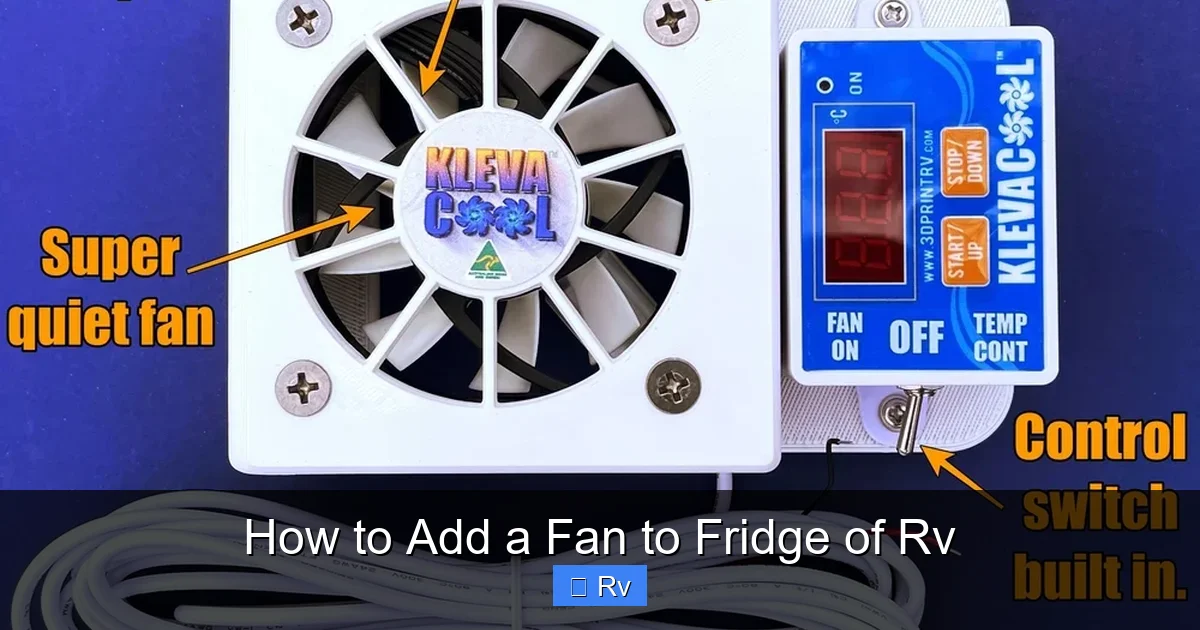
Not all fans are created equal—especially when it comes to RV applications. You’ll want a fan that’s quiet, energy-efficient, compact, and designed to run on 12V DC power (the standard in most RVs). Here’s what to look for when selecting a fan.
Visual guide about How to Add a Fan to Fridge of Rv
Image source: images.squarespace-cdn.com
Fan Type: DC vs. AC
Most RVs run on 12V DC power from batteries or converters. Therefore, a 12V DC fan is essential. Avoid AC fans unless you plan to run them only when connected to shore power—this limits their usefulness. DC fans can run off your RV’s house battery, solar system, or even a small USB power bank in a pinch.
Size and Mounting Options
Space inside an RV fridge is limited, so choose a compact fan. Common sizes include 40mm, 60mm, and 80mm. A 60mm fan is often the sweet spot—small enough to fit easily but powerful enough to move air effectively. Look for fans with adhesive backing, magnetic mounts, or screw holes for secure installation.
Noise Level
You don’t want a loud fan buzzing inside your fridge. Look for models labeled as “quiet” or “low-noise.” Many RV-specific fridge fans operate at around 20–30 decibels—quieter than a whisper. Reading customer reviews can help you avoid noisy models.
Power Consumption
Even though 12V fans use very little power, it’s still important to choose an efficient model. Most draw between 0.1 and 0.5 amps. For example, a fan using 0.2 amps will consume about 2.4 watts per hour. Over 24 hours, that’s only 57.6 watt-hours—negligible for most RV electrical systems, especially if you have solar panels.
Durability and Weather Resistance
Since the fan will be inside a cold, moist environment, choose a model with sealed bearings and corrosion-resistant materials. Some fans are specifically designed for refrigerators and freezers, with cold-weather ratings down to -20°F.
Recommended Models
Popular choices among RV owners include:
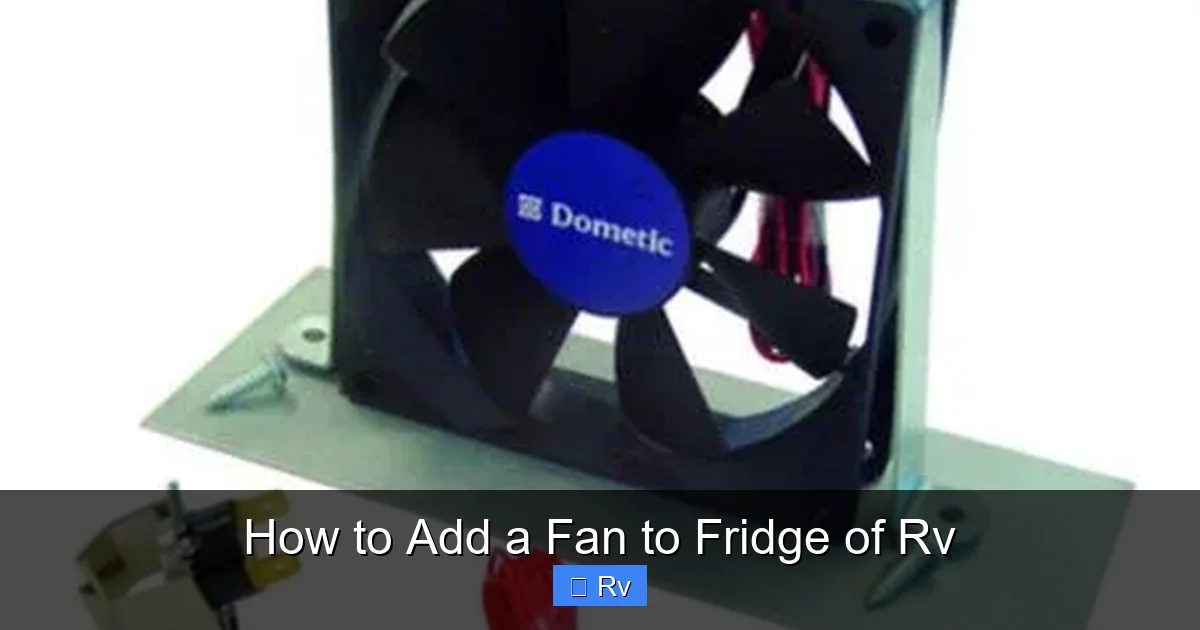
- Dometic Fridge Fan: Designed specifically for RV fridges, this 12V fan is quiet, compact, and easy to install. It often comes with a built-in thermostat that turns the fan on only when the fridge is running.
- Heng’s Fridge Air Circulator: A budget-friendly option with strong airflow and magnetic mounting. Great for DIYers.
- Maxxair Fridge Fan: Known for durability and low power use. Comes with adhesive and screw mounting options.
Step-by-Step Guide to Installing a Fan in Your RV Fridge
Ready to get started? Installing a fan in your RV fridge is a straightforward project that most people can complete in under an hour. You don’t need to be an expert—just follow these steps carefully.
Tools and Materials Needed
- 12V DC fridge fan (60mm or 80mm recommended)
- Wire strippers
- Electrical tape or heat shrink tubing
- Small screwdriver (if mounting with screws)
- Zip ties or adhesive mounts (if not included)
- Multimeter (optional, for testing voltage)
- Fuse tap or inline fuse (recommended for safety)
Step 1: Choose the Right Location
The best place to mount the fan is near the top of the fridge compartment, facing downward. This allows the fan to push cold air from the freezer area down into the main fridge space. Avoid placing it directly in front of the cooling fins or thermostat, as this could interfere with temperature sensing.
If your fridge has a separate freezer compartment, consider mounting the fan at the opening between the freezer and fridge. This helps pull cold air down and circulate it throughout.
Step 2: Plan the Wiring Route
You’ll need to run wires from the fan to a 12V power source. Common options include:
- The fridge’s existing power supply (inside the control panel)
- A nearby 12V outlet or accessory circuit
- The RV’s house battery (with proper fusing)
For safety and reliability, it’s best to connect the fan to a circuit that only powers on when the fridge is running. This prevents the fan from draining your battery when the fridge is off. Some fans come with a built-in thermostat or relay for this purpose.
Step 3: Mount the Fan
Clean the mounting surface with rubbing alcohol to ensure good adhesion. If using adhesive, press the fan firmly in place and let it cure for a few hours. For screw mounting, use the provided hardware and avoid over-tightening, which could crack the plastic housing.
Make sure the fan is secure and won’t vibrate loose over time. Use zip ties to tidy up any loose wires and prevent them from interfering with the door seal.
Step 4: Connect the Wiring
Strip about 1/4 inch of insulation from the fan’s red (positive) and black (negative) wires. Connect the red wire to the positive side of your 12V source and the black wire to ground (negative). Use crimp connectors or solder the joints, then cover with electrical tape or heat shrink tubing.
For added safety, install an inline fuse (1–2 amps) on the positive wire near the power source. This protects against short circuits and potential fire hazards.
Step 5: Test the Fan
Turn on your RV’s power and open the fridge door. The fan should start spinning immediately. Listen for unusual noises or vibrations. If the fan doesn’t run, double-check your connections and ensure the power source is active.
Let the fridge run for a few hours and monitor the temperature. You should notice improved cooling, especially in the upper shelves.
Step 6: Final Adjustments
If the fan is too loud or runs constantly, consider adding a simple on/off switch or a thermostat controller. Some owners use a small toggle switch inside the fridge for manual control, while others prefer automatic models that activate only when needed.
Tips for Maximizing Fan Performance
Once your fan is installed, a few simple habits can help you get the most out of it.
Keep the Fridge Level
RV fridges must be level to function properly. If your RV is parked on a slope, the cooling unit may not work efficiently, and the fan won’t be able to compensate. Use your RV’s leveling system or blocks to ensure a flat surface.
Don’t Overload the Fridge
Packing too much food blocks airflow, even with a fan. Leave space between items and avoid covering vents or the fan itself. Organize food so cold air can circulate freely.
Pre-Chill Food Before Storing
Putting warm or room-temperature food into the fridge forces the cooling unit to work harder. Chill items in a cooler or your home fridge before loading them into the RV.
Use a Fridge Thermometer
Monitor the internal temperature with a small thermometer. The ideal range is 35–38°F (1.7–3.3°C) for the fridge and 0°F (-18°C) for the freezer. This helps you verify that the fan is making a difference.
Clean the Exterior Coils Regularly
While the internal fan helps with air circulation, the external condenser coils also need to stay clean. Dust and debris can reduce heat dissipation, making the fridge work harder. Check and clean the coils every few months.
Consider a Dual-Fan Setup
For larger fridges or extreme climates, some owners install two fans—one at the top and one at the bottom—to create a circular airflow pattern. This can further improve cooling efficiency.
Troubleshooting Common Issues
Even with proper installation, you might encounter a few hiccups. Here’s how to address common problems.
Fan Doesn’t Turn On
Check the power source with a multimeter to ensure 12V is present. Verify all connections are secure and the fuse is intact. If the fan still doesn’t run, it may be defective—try testing it with a separate 12V battery.
Fan Is Too Loud
Loose mounting or vibration can cause noise. Secure the fan with screws instead of adhesive, or add rubber grommets to dampen vibrations. If the fan itself is noisy, consider replacing it with a quieter model.
Fridge Still Not Cooling Well
A fan improves airflow but won’t fix underlying issues like a failing cooling unit, low propane, or poor ventilation. Check the flame (for propane models), ensure the fridge is level, and verify that the exterior vents are unobstructed.
Battery Drain Concerns
If you’re worried about power use, install a fan with a built-in thermostat or use a timer to limit operation. Most fans use so little power that the impact on your battery is minimal—especially if you have solar panels or a generator.
Conclusion
Adding a fan to your RV fridge is a simple, smart upgrade that pays big dividends in performance, efficiency, and peace of mind. Whether you’re a weekend camper or a full-time RVer, this small investment can make a noticeable difference in how well your fridge keeps your food cold—even in the hottest conditions.
From improving air circulation to reducing strain on the cooling unit, the benefits are clear. And with today’s quiet, energy-efficient 12V fans, installation is easier than ever. So don’t wait for your next spoiled meal or fridge failure—take action today. Grab a fan, follow the steps, and enjoy fresher food and a happier RV experience on the road.
Frequently Asked Questions
Will a fan really make my RV fridge colder?
Yes, a fan helps distribute cold air more evenly, which can make the entire fridge feel colder and more consistent. It doesn’t lower the set temperature, but it ensures that cold air reaches all areas, reducing hot spots.
Can I run the fan all the time?
Most 12V fridge fans use very little power, so running them continuously is generally safe. However, for battery conservation, consider using a fan with a thermostat that only activates when the fridge is cooling.
Do I need to modify my RV’s electrical system?
Not necessarily. You can tap into an existing 12V circuit or the fridge’s power supply. Just make sure to use proper fusing and secure connections to avoid electrical issues.
Will the fan freeze up in cold weather?
Quality fridge fans are designed to operate in cold environments. Look for models rated for sub-zero temperatures if you camp in winter conditions.
Can I install a fan in a compressor-style RV fridge?
Yes, but it’s less common. Compressor fridges already have internal fans, so adding another may not provide significant benefits. Focus on external ventilation instead.
How much does it cost to add a fan to an RV fridge?
Most RV fridge fans cost between $15 and $30. Add a few dollars for wiring and connectors. It’s one of the most cost-effective upgrades you can make to your RV.