
How to Keep Rv Water Hose from Freezing

Keeping your RV water hose from freezing is essential for safe winter camping and avoiding costly damage. With the right insulation, drainage techniques, and smart habits, you can protect your water system even in sub-zero temperatures.
Key Takeaways
- Insulate your water hose: Use foam pipe insulation or heated hose wraps to prevent freezing in cold conditions.
- Drain the hose after each use: Always disconnect and drain your hose to avoid ice buildup inside the line.
- Use a heated water hose: Invest in a self-regulating heated hose designed specifically for RVs in winter climates.
- Keep the hose elevated: Avoid laying the hose directly on cold ground by using hose ramps or supports.
- Maintain a trickle flow: Letting water drip slowly from the faucet can prevent freezing in mild cold snaps.
- Store properly in winter: When not in use, store your hose indoors or in a heated compartment to avoid damage.
- Monitor weather forecasts: Stay ahead of freezing temperatures with alerts and prepare your system in advance.
📑 Table of Contents
- Why Freezing RV Water Hoses Are a Big Deal
- Understanding Why RV Water Hoses Freeze
- Top Methods to Prevent Your RV Water Hose from Freezing
- Winterizing Your Entire RV Water System
- Smart Habits for Cold-Weather Camping
- What to Do If Your Hose Already Freezes
- Conclusion: Stay Warm, Stay Safe, Stay Hydrated
Why Freezing RV Water Hoses Are a Big Deal
Imagine waking up on a crisp winter morning, eager to brew your first cup of coffee, only to find your RV’s water system completely frozen. No water pressure, no flow—just frustration. This is a common nightmare for cold-weather campers, and it all starts with a simple but vulnerable piece of equipment: the RV water hose.
Water expands when it freezes, and that expansion can crack your hose, damage your RV’s plumbing, or even burst your freshwater tank. The result? Costly repairs, inconvenient downtime, and potentially unsafe conditions. Whether you’re a full-time RVer braving the snowy mountains or a weekend warrior heading to a winter festival, knowing how to keep your RV water hose from freezing isn’t just helpful—it’s essential.
But don’t worry. With a few smart strategies and a little preparation, you can keep your water flowing smoothly all winter long. From insulation tricks to high-tech solutions, this guide will walk you through everything you need to know to protect your RV’s water system from the cold.
Understanding Why RV Water Hoses Freeze
Before diving into solutions, it’s important to understand why RV water hoses freeze in the first place. Water freezes at 32°F (0°C), but several factors can make your hose more vulnerable—even when temperatures hover just above freezing.
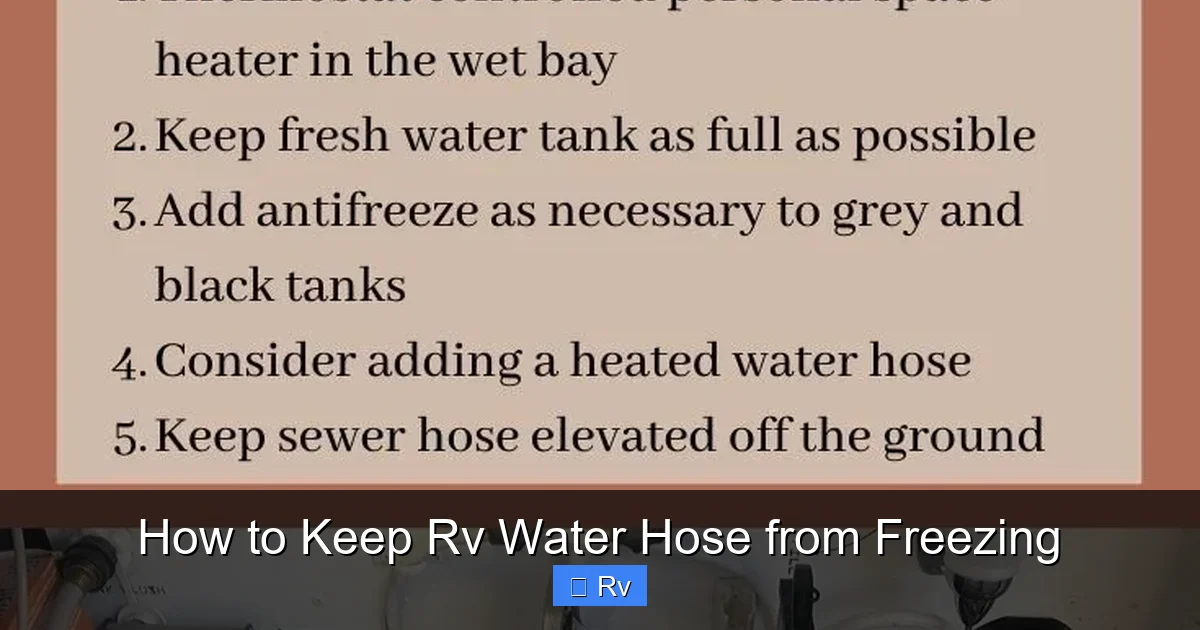
Visual guide about How to Keep Rv Water Hose from Freezing
Image source: images.squarespace-cdn.com
How Cold Temperatures Affect Water Hoses
When water sits stagnant in a hose—especially one lying on cold ground or exposed to wind—it loses heat rapidly. Even if the air temperature is 35°F, the ground beneath the hose might be much colder, especially after a snowy night. This conductive cooling can drop the water temperature below freezing, causing ice to form inside the hose.
Wind chill also plays a role. A breeze can accelerate heat loss from the hose’s surface, making it freeze faster than still air would suggest. And if your hose is kinked or coiled tightly, trapped water in those bends is even more likely to freeze.
Common Mistakes That Lead to Freezing
Many RVers unknowingly increase their risk of freezing by making simple mistakes. For example, leaving the hose connected overnight without draining it is a recipe for disaster. Even a small amount of residual water can freeze and block the entire line.
Another common error is using a standard garden hose instead of an RV-specific drinking water hose. Garden hoses are often made from materials that become brittle in cold weather and are more prone to cracking. Plus, they may not be safe for drinking water, which is a health concern on top of the freezing issue.
Finally, failing to insulate or elevate the hose leaves it exposed to the coldest elements. A hose lying in a snowbank or on frozen pavement is far more likely to freeze than one that’s protected and off the ground.
Top Methods to Prevent Your RV Water Hose from Freezing
Now that you understand the risks, let’s explore the most effective ways to keep your RV water hose from freezing. These methods range from simple habits to high-tech gear, so you can choose what works best for your setup and climate.
Visual guide about How to Keep Rv Water Hose from Freezing
Image source: adventurousway.com
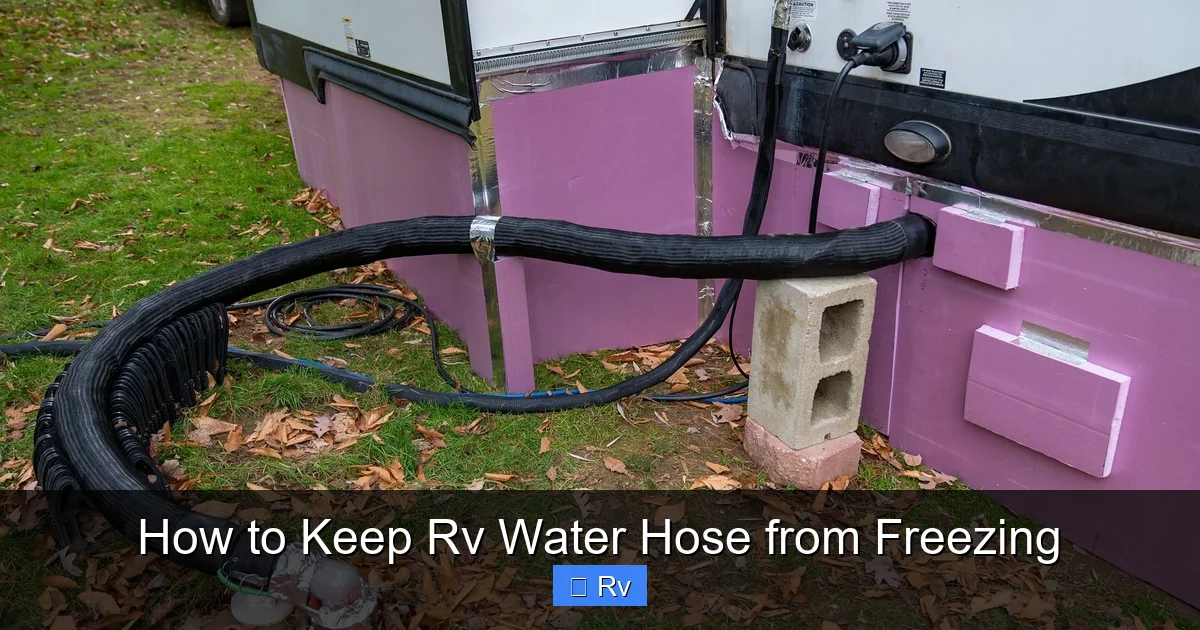
Use a Heated RV Water Hose
One of the best investments you can make for winter RVing is a heated water hose. These hoses are designed with built-in heating elements that keep the water inside from freezing, even in temperatures as low as -20°F.
Heated hoses typically plug into a standard 120V outlet and use self-regulating technology. This means they only heat up when needed, saving energy and preventing overheating. Brands like Camco and Valterra offer reliable models that are durable, flexible, and safe for drinking water.
For example, the Camco 22913 heated hose is 25 feet long, freeze-proof down to -20°F, and comes with a built-in thermostat. It’s a bit pricier than a regular hose—usually around $100–$150—but it’s worth every penny if you’re camping in freezing conditions.
Insulate Your Existing Hose
If a heated hose isn’t in your budget, don’t worry. You can significantly reduce freezing risk by insulating your current RV water hose. Foam pipe insulation is affordable, easy to install, and highly effective.
Start by measuring the diameter of your hose, then purchase foam tubing that fits snugly around it. Cut the insulation to length and slit it open so you can wrap it around the hose. Secure it with zip ties or duct tape every few feet to keep it in place.
For extra protection, wrap the insulated hose in reflective bubble wrap or aluminum foil. This adds a layer of radiant heat reflection, helping to retain warmth. Some RVers even use electric heat tape wrapped around the insulation for added security.
Pro tip: Don’t forget to insulate the connection points at both ends of the hose. These areas are especially vulnerable because they’re exposed to cold air and often sit on the ground.
Elevate the Hose Off the Ground
Heat rises, but cold sinks—and that includes the ground beneath your RV. When your water hose lies directly on cold pavement, snow, or frozen earth, it loses heat rapidly through conduction.
To prevent this, elevate your hose using hose ramps, wooden boards, or even old pool noodles cut lengthwise. These simple supports keep the hose off the cold surface and allow air to circulate underneath, reducing the risk of freezing.
You can also run the hose through a garage, shed, or even the interior of your RV if space allows. Just make sure it’s not kinked or pinched, and that it’s protected from rodents or pests.
Drain the Hose After Every Use
One of the simplest and most effective ways to prevent freezing is to drain your water hose completely after each use. Water left inside the hose overnight is a prime target for freezing, especially in sub-freezing temperatures.
To drain the hose, disconnect it from both the RV and the water source. Hold one end up high and let gravity pull the water out the other end. You can also use a hose drainer tool or a small hand pump to speed up the process.
Once drained, coil the hose loosely and store it in a dry, warm place—like your RV’s storage compartment or a heated garage. Avoid leaving it outside, where it can be exposed to snow, ice, or freezing rain.
Use a Trickle Flow in Mild Cold
In temperatures just below freezing (30–35°F), letting a small trickle of water flow through the hose can prevent ice from forming. Moving water is much harder to freeze than stagnant water because it’s constantly mixing and retaining heat.
To do this, open your RV’s faucet just enough to allow a slow drip. You can also use an outside faucet with a drip setting if your campground allows it. Just be sure to check local water conservation rules—some parks restrict continuous water flow.
This method works best for short-term cold snaps and shouldn’t be relied on in prolonged freezing conditions. It also uses more water, so it’s not ideal for boondocking or areas with limited water supply.
Winterizing Your Entire RV Water System
While protecting the hose is crucial, it’s only one part of the equation. To truly keep your RV water system safe in winter, you need to winterize the entire setup—including tanks, pipes, and fixtures.
Visual guide about How to Keep Rv Water Hose from Freezing
Image source: i2.wp.com
Drain All Water Tanks and Lines
Before temperatures drop below freezing, drain your freshwater tank, water heater, and all internal plumbing lines. Most RVs have drain valves located near the bottom of the tank and under the coach.
Open all faucets—indoor and outdoor—and let the water flow out. Don’t forget the shower, toilet, and outdoor shower if your RV has one. You can also use compressed air to blow out any remaining water from the lines, a process known as “blowing out” the system.
Use RV Antifreeze
After draining, add non-toxic RV antifreeze to your plumbing system. This pink antifreeze is safe for drinking water systems and prevents any residual water from freezing and expanding.
To use it, bypass your water heater (if possible), then run the antifreeze through each faucet until it flows out. Don’t forget the toilet, outdoor shower, and any low-point drains. A hand pump kit can make this process easier if your RV doesn’t have a built-in winterizing port.
Protect the Water Heater
Your water heater is especially vulnerable to freezing. Most models have a drain plug at the bottom—remove it to empty the tank completely. Some RVers also install a water heater bypass kit, which allows them to winterize the system without filling the heater with antifreeze.
If you’re storing your RV for the winter, consider using a battery-powered water heater alarm that alerts you if temperatures drop too low.
Smart Habits for Cold-Weather Camping
Beyond equipment and insulation, your daily habits can make a big difference in preventing frozen hoses and plumbing.
Check the Weather Daily
Stay ahead of the cold by monitoring weather forecasts. Use apps like Weather Underground or the National Weather Service to track overnight lows and wind chill. If a freeze is predicted, take action the night before—drain the hose, insulate it, or switch to a heated hose.
Use a Thermometer Near Your Hose
Place a wireless outdoor thermometer near your water hose to monitor real-time temperatures. Some models even send alerts to your phone if temps drop below a set threshold.
Keep Your RV Interior Warm
Heat from inside your RV can help protect external plumbing. Use a space heater (safely) or your furnace to keep the interior warm, especially near water lines that run along the underbelly.
Insulate Under Your RV
Consider installing skirting around the bottom of your RV. This plastic or foam barrier traps heat underneath the coach and reduces cold air exposure to your water lines and hose connections.
What to Do If Your Hose Already Freezes
Even with the best precautions, freezing can still happen. If you discover your RV water hose is frozen, don’t panic—there are safe ways to thaw it without causing damage.
Thawing a Frozen Hose Safely
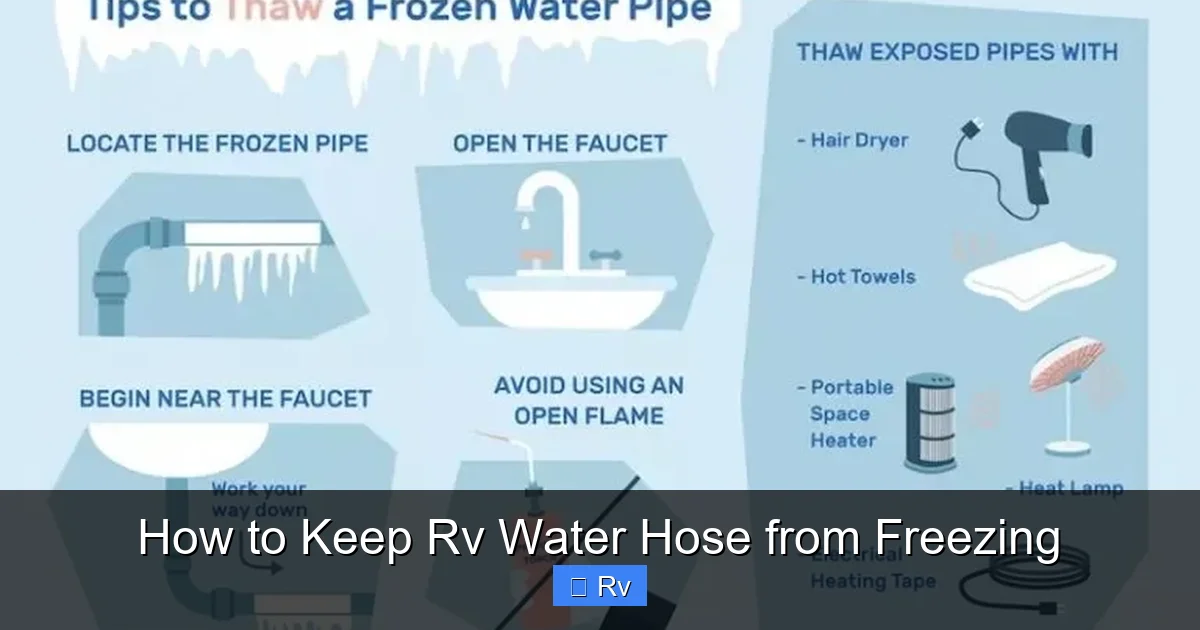
Never use an open flame or high-heat tool like a blowtorch to thaw a frozen hose. The extreme heat can melt the hose, damage connections, or start a fire.
Instead, use gentle heat sources like a hair dryer, heat gun on low, or electric heating pad. Wrap the hose in warm towels or place it in a heated garage or vehicle. You can also pour warm (not boiling) water over the hose to speed up the process.
Check for Damage After Thawing
Once the hose is thawed, inspect it carefully for cracks, leaks, or bulges. Even if it looks fine, internal damage may have occurred. Test it under low pressure before reconnecting it to your RV.
If you find damage, replace the hose immediately. A burst hose under pressure can flood your campsite or damage your RV’s interior.
Conclusion: Stay Warm, Stay Safe, Stay Hydrated
Keeping your RV water hose from freezing doesn’t have to be complicated or expensive. With a combination of insulation, smart habits, and the right gear, you can enjoy safe, comfortable camping all winter long.
Start by investing in a heated hose or insulating your current one. Always drain the hose after use, elevate it off the ground, and monitor the weather. And don’t forget to winterize your entire water system before the first big freeze.
Remember, prevention is always better than repair. A little effort now can save you from a major headache later. So bundle up, fire up the furnace, and keep that water flowing—no matter how cold it gets outside.
Frequently Asked Questions
Can I use a regular garden hose for my RV in winter?
No, it’s not recommended. Garden hoses are not designed for cold weather and can crack or become brittle. They may also contain chemicals unsafe for drinking water. Always use an RV-specific drinking water hose.
How cold does it have to be for an RV water hose to freeze?
Water freezes at 32°F, but hoses can freeze at slightly higher temperatures due to wind chill, ground contact, or poor insulation. Even 35°F can be risky if conditions are right.
Do heated hoses use a lot of electricity?
Heated hoses are energy-efficient because they use self-regulating technology. They only heat when needed and typically draw minimal power—similar to a small space heater.
Can I leave my RV water hose connected overnight in winter?
It’s not safe unless you’re using a heated hose or have fully insulated and elevated the hose. Always drain the hose if temperatures will drop below freezing.
What’s the best way to store an RV water hose in winter?
Store it indoors or in a heated compartment after draining it completely. Coil it loosely to prevent kinks and avoid exposure to freezing temperatures or UV light.
Is RV antifreeze safe for drinking water systems?
Yes, as long as it’s labeled “non-toxic” and “RV-safe.” This pink antifreeze is specifically formulated for potable water systems and won’t harm your plumbing or health.
