
What Kind of Hydraulic Fluid for Rv Slides

Choosing the right hydraulic fluid for RV slides is essential for smooth, reliable operation and preventing costly repairs. Using the wrong fluid can lead to seal damage, leaks, and system failure. This guide covers everything you need to know about selecting, maintaining, and troubleshooting your RV’s hydraulic slide system.
Key Takeaways
- Use ISO 32 hydraulic fluid: Most RV slide systems require ISO 32 (also known as AW32) hydraulic fluid, which offers the right viscosity and anti-wear properties.
- Check your owner’s manual: Always refer to your RV manufacturer’s recommendations before adding or replacing fluid to avoid voiding warranties or damaging components.
- Avoid automotive oils: Never use motor oil, transmission fluid, or brake fluid—these can degrade seals and cause system failure.
- Maintain fluid levels regularly: Low fluid levels are a common cause of slide malfunctions; check levels monthly and top off as needed.
- Watch for leaks and contamination: Dirt, water, or air in the system can reduce efficiency and damage pumps and cylinders.
- Seasonal maintenance matters: Flush and replace fluid every 2–3 years or as recommended to keep your slide system in top condition.
- Know when to call a pro: If slides move slowly, jerk, or won’t extend/retract, it may indicate a deeper issue requiring professional diagnosis.
📑 Table of Contents
- What Kind of Hydraulic Fluid for RV Slides: A Complete Guide
- Understanding RV Slide-Out Systems
- What Type of Hydraulic Fluid Should You Use?
- How to Check and Add Hydraulic Fluid
- Common Hydraulic Fluid Problems and Solutions
- Maintaining Your RV’s Hydraulic Slide System
- Signs You Need to Replace Your Hydraulic Fluid
- Final Thoughts: Keep Your Slides Moving Smoothly
What Kind of Hydraulic Fluid for RV Slides: A Complete Guide
If you own an RV with slide-out rooms, you know how much they enhance your living space. Whether it’s a bedroom, living area, or kitchen extension, slides make your rig feel more like home. But like any mechanical system, they need proper care—and that starts with using the right hydraulic fluid.
Many RV owners overlook the importance of hydraulic fluid until something goes wrong. A slide that won’t extend, retracts slowly, or makes strange noises is often a sign of fluid issues. The good news? Most problems are preventable with the correct fluid and regular maintenance.
In this guide, we’ll walk you through everything you need to know about hydraulic fluid for RV slides—what type to use, why it matters, how to maintain it, and what to avoid. Whether you’re a weekend camper or a full-time RVer, this information will help keep your slides running smoothly for years to come.
Understanding RV Slide-Out Systems
Visual guide about What Kind of Hydraulic Fluid for Rv Slides
Image source: gocarlife.com
Before diving into hydraulic fluid, it’s helpful to understand how RV slide-outs work. Most modern RVs use hydraulic systems to extend and retract slide rooms. These systems rely on a pump, hydraulic fluid, hoses, and hydraulic cylinders to move the slide in and out.
When you press the “extend” button, the electric pump forces hydraulic fluid through hoses into the cylinders. This pressure pushes the piston inside the cylinder, which moves the slide outward. To retract, the fluid is redirected back to the reservoir, allowing the slide to return to its original position.
Because these systems operate under pressure and involve moving parts, they require a fluid that can handle stress, resist heat, and protect internal components. That’s where the right hydraulic fluid comes in.
Types of RV Slide Systems
Not all RVs use the same slide mechanism. While hydraulic systems are common, some models use electric motors or rack-and-pinion systems. However, hydraulic slides are popular in larger fifth wheels and motorhomes because they offer strong, consistent power.
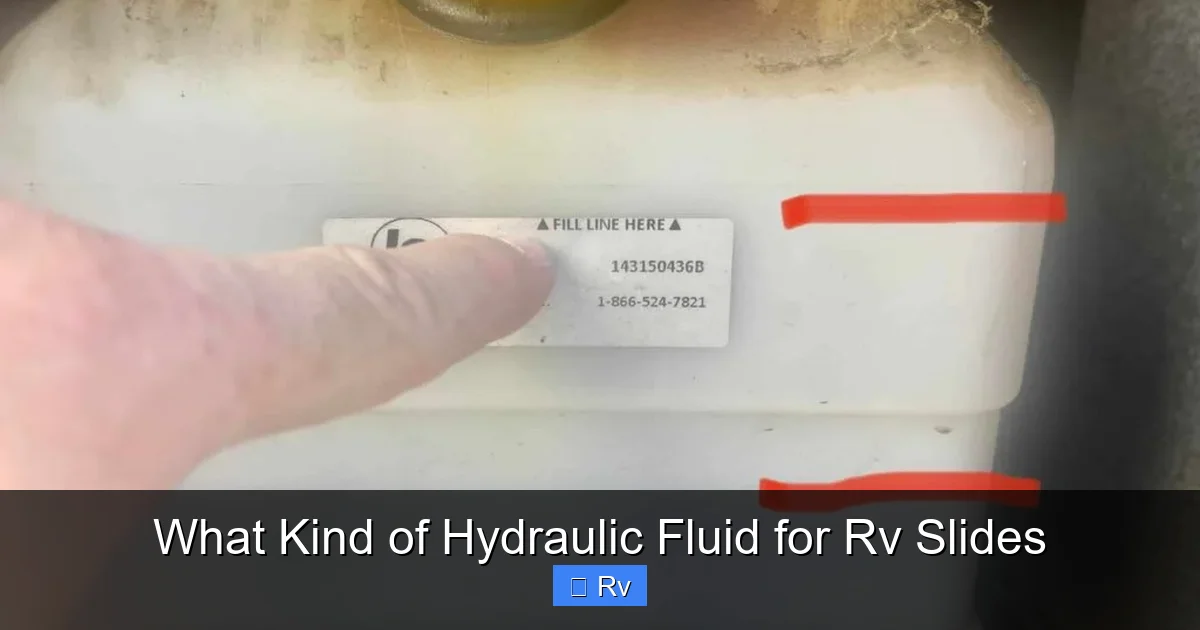
If your RV has a hydraulic slide system, you’ll typically find a hydraulic fluid reservoir—often located in a compartment near the slide pump. This reservoir holds the fluid and allows you to check levels and add more when needed.
Why Hydraulic Fluid Matters
Hydraulic fluid does more than just transfer power. It also:
– Lubricates moving parts to reduce wear
– Prevents corrosion and rust
– Cools the system by dissipating heat
– Seals gaps between components
– Resists foaming and air entrapment
Using the wrong fluid—or no fluid at all—can lead to premature wear, seal failure, and even complete system breakdown. That’s why choosing the correct type is so important.
What Type of Hydraulic Fluid Should You Use?
Visual guide about What Kind of Hydraulic Fluid for Rv Slides
Image source: shootingstar-rvresort.com
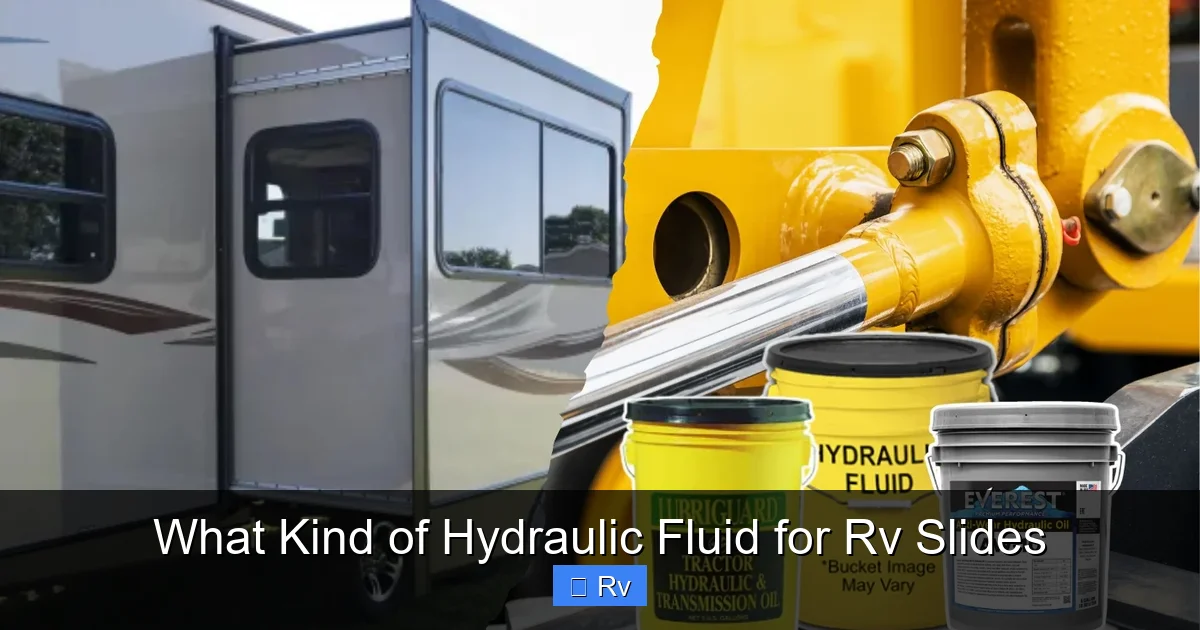
The short answer: ISO 32 hydraulic fluid (also known as AW32) is the most widely recommended type for RV slide systems.
This fluid has a viscosity grade of 32, meaning it’s thin enough to flow easily through small hoses and valves, especially in cold weather, but thick enough to maintain pressure and lubrication under load.
Why ISO 32?
ISO 32 hydraulic fluid is designed for medium-duty hydraulic systems, which makes it ideal for RV slides. It contains anti-wear additives (hence the “AW” in AW32) that protect pumps and cylinders from metal-to-metal contact. It also resists oxidation, which helps it last longer and perform consistently over time.
Most major RV manufacturers—including Jayco, Forest River, Winnebago, and Keystone—specify ISO 32 or equivalent in their owner’s manuals. Some may recommend specific brands, but the key is matching the ISO viscosity grade and additive package.
Can You Use Other Fluids?
It’s tempting to use what’s on hand—like motor oil, transmission fluid, or even power steering fluid—but this is a mistake.
– Motor oil lacks the anti-wear additives and viscosity stability needed for hydraulic systems. It can also damage seals.
– Transmission fluid (ATF) is formulated for clutches and gears, not hydraulic pumps. It may cause foaming or poor lubrication.
– Brake fluid is hygroscopic (absorbs water) and highly corrosive. It will destroy rubber seals and gaskets.
– Power steering fluid is closer but still not ideal. While some systems may tolerate it temporarily, it’s not a long-term solution.
Stick with ISO 32 hydraulic fluid. It’s affordable, widely available, and specifically designed for this purpose.
Brand Recommendations
You don’t need to buy the most expensive brand, but choose a reputable hydraulic fluid from a trusted manufacturer. Some popular and reliable options include:
– Mobil DTE 24 (ISO 32)
– Shell Tellus S2 V 32
– Chevron Rando HD 32
– Castrol Hyspin AWS 32
These are all high-quality, anti-wear hydraulic fluids that meet or exceed industry standards. You can find them at auto parts stores, industrial supply shops, or online retailers like Amazon.
How to Check and Add Hydraulic Fluid
Visual guide about What Kind of Hydraulic Fluid for Rv Slides
Image source: thecampingadvisor.com
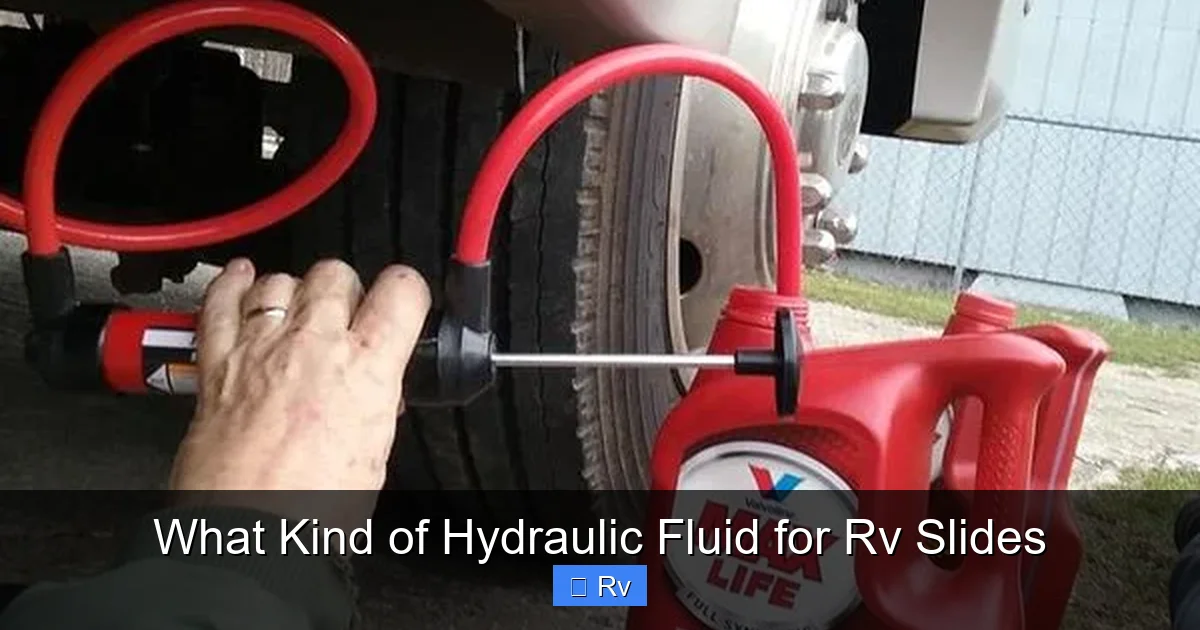
Regular maintenance is key to keeping your slide system in good working order. Checking and topping off hydraulic fluid should be part of your routine RV care.
When to Check
Check your fluid level at least once a month, especially before long trips. Also inspect it after extreme weather, heavy use, or if you notice any slide issues.
How to Check the Fluid Level
1. Locate the reservoir: It’s usually a plastic or metal tank near the hydraulic pump. Look for a cap labeled “Hydraulic Fluid” or “Reservoir.”
2. Clean the area: Wipe off dirt and debris to prevent contamination when you open the cap.
3. Remove the cap: Some caps have a dipstick; others require you to look inside.
4. Check the level: The fluid should be between the “Full” and “Add” marks. If it’s low, top it off.
5. Inspect the fluid: It should be clear or light amber. If it’s dark, milky, or has particles, it may be contaminated and need changing.
How to Add Fluid
1. Use a clean funnel to avoid spills.
2. Pour ISO 32 hydraulic fluid slowly into the reservoir.
3. Stop when the level reaches the “Full” mark.
4. Replace the cap securely.
5. Test the slide by extending and retracting it once to circulate the new fluid.
Pro Tip: Keep a small bottle of ISO 32 hydraulic fluid in your RV toolkit. It’s lightweight, takes up little space, and can save you from a frustrating breakdown on the road.
Common Hydraulic Fluid Problems and Solutions
Even with the right fluid, issues can arise. Here are some common problems and how to address them.
Low Fluid Level
Symptoms: Slide moves slowly, jerks, or won’t extend fully.
Cause: Fluid leaks, evaporation, or improper filling.
Solution: Top off with ISO 32 fluid. If levels drop quickly, inspect for leaks in hoses, seals, or the reservoir.
Contaminated Fluid
Symptoms: Dark, cloudy, or gritty fluid; erratic slide movement.
Cause: Dirt, water, or metal particles entering the system.
Solution: Drain and flush the system. Replace all fluid and inspect for damaged components. Install a filter if your system doesn’t have one.
Air in the System (Aeration)
Symptoms: Spongy or jerky slide operation; pump noise.
Cause: Low fluid, leaks, or improper bleeding.
Solution: Top off fluid and bleed the system by cycling the slide several times. If the problem persists, have a technician check for leaks.
Fluid Leaks
Symptoms: Puddles under the RV; low fluid levels.
Cause: Worn seals, cracked hoses, or loose fittings.
Solution: Locate the leak source. Tighten fittings or replace damaged parts. Use a UV dye additive to help spot small leaks.
Overfilling
Symptoms: Foaming, overheating, or pump damage.
Cause: Adding too much fluid.
Solution: Drain excess fluid to the correct level. Overfilling can cause pressure buildup and reduce efficiency.
Maintaining Your RV’s Hydraulic Slide System
Preventative maintenance is the best way to avoid costly repairs and extend the life of your slide system.
Monthly Checks
– Inspect fluid level and condition
– Look for leaks around hoses, cylinders, and the reservoir
– Listen for unusual pump noises
– Test slide operation
Seasonal Maintenance
– Flush and replace hydraulic fluid every 2–3 years
– Inspect and replace worn seals or hoses
– Lubricate slide rails and gears (if applicable)
– Check electrical connections to the pump
Winterizing Tips
If you store your RV in cold climates, take extra care:
– Use ISO 32 fluid, which performs well in low temperatures
– Keep the RV heated or use a hydronic heating system
– Retract slides fully to prevent ice damage
– Add a fuel stabilizer to the hydraulic system if recommended
Professional Inspections
Even with regular care, have your slide system inspected by a certified RV technician every 2–3 years. They can detect hidden issues like internal leaks, pump wear, or cylinder damage that you might miss.
Signs You Need to Replace Your Hydraulic Fluid
While ISO 32 hydraulic fluid is durable, it doesn’t last forever. Over time, it breaks down due to heat, contamination, and oxidation.
Here’s when to consider a full fluid change:
– The fluid is dark brown or black
– It has a burnt smell
– You see particles or sludge in the reservoir
– The slide operates inconsistently despite proper fluid levels
– It’s been more than 2–3 years since the last change
Replacing the fluid is a simple process but requires draining the old fluid completely. Use a hand pump or siphon to remove as much as possible, then refill with fresh ISO 32 fluid. Cycle the slide several times to purge air and ensure proper circulation.
Final Thoughts: Keep Your Slides Moving Smoothly
Your RV’s slide-out system is a marvel of engineering—but it’s only as reliable as the fluid that powers it. By using the correct hydraulic fluid, performing regular checks, and addressing issues early, you can enjoy trouble-free slide operation for years.
Remember: ISO 32 hydraulic fluid is the gold standard for most RV slides. Avoid shortcuts, stay consistent with maintenance, and always consult your owner’s manual. A little effort now can save you from a major headache on the road.
Whether you’re parked at a scenic overlook or camped in a crowded RV park, smooth-sliding rooms make all the difference. Treat your hydraulic system with care, and it will reward you with comfort, convenience, and peace of mind.
Frequently Asked Questions
Can I use ATF (automatic transmission fluid) in my RV slide system?
No, ATF is not recommended for RV hydraulic slides. It lacks the proper viscosity and anti-wear additives needed for hydraulic systems and can damage seals and pumps over time.
How often should I check my RV’s hydraulic fluid?
Check the fluid level at least once a month and before long trips. Also inspect it after extreme weather or if you notice any slide performance issues.
What happens if I use the wrong hydraulic fluid?
Using the wrong fluid can cause seal degradation, poor lubrication, overheating, and eventual system failure. Always use ISO 32 hydraulic fluid unless your manual specifies otherwise.
Can I mix different brands of ISO 32 hydraulic fluid?
Yes, most ISO 32 fluids are compatible and can be mixed in a pinch. However, for best results, use the same brand and type consistently, especially during full system flushes.
Why is my RV slide moving slowly?
Slow movement is often due to low hydraulic fluid, air in the system, or a failing pump. Check the fluid level first, then inspect for leaks or contamination.
Do I need to bleed the hydraulic system after adding fluid?
Yes, after adding fluid, cycle the slide in and out several times to purge air from the system. This ensures smooth, consistent operation and prevents spongy or jerky movement.