
Why My Car Won’t Start with New Battery

Even with a new battery, your car might not start due to issues like loose connections, faulty alternators, or parasitic drains. This guide explores the most common reasons and how to fix them quickly.
You just dropped a few hundred dollars on a brand-new car battery. You popped the hood, swapped out the old one, and felt confident—this time, your car would finally start. But when you turn the key, nothing happens. Just a faint click, or maybe silence. No engine turnover. No roar to life. You’re left wondering: *Why won’t my car start with a new battery?*
It’s frustrating, confusing, and downright inconvenient. After all, a new battery should solve the problem, right? Not always. While a dead or weak battery is the most common reason a car won’t start, it’s far from the only one. Even with a fresh, fully charged battery, several other components in your vehicle’s electrical and ignition system can prevent your engine from turning over. The good news? Most of these issues are fixable—and often don’t require a trip to the mechanic.
In this guide, we’ll walk you through the most common reasons your car won’t start even with a new battery. From simple fixes like cleaning terminals to diagnosing deeper electrical problems, we’ll help you get back on the road quickly and confidently. Whether you’re a DIY enthusiast or just want to understand what’s going on under the hood, this article has you covered.
Key Takeaways
- Corroded or loose battery terminals: Poor connections prevent power from reaching the starter, even with a fully charged new battery.
- Faulty alternator: A bad alternator won’t recharge the battery while driving, causing it to die soon after replacement.
- Parasitic battery drain: Electrical components like interior lights or faulty modules can slowly drain the battery overnight.
- Defective new battery: Though rare, new batteries can arrive damaged or defective—always test before installation.
- Starter motor issues: A worn-out starter may not engage, even with full battery power.
- Ignition switch problems: A failing ignition switch may not send power to the starter when you turn the key.
- Extreme temperatures: Cold weather reduces battery efficiency, making it harder to start even with a new battery.
📑 Table of Contents
Common Causes of a Car Not Starting with a New Battery
Even with a shiny new battery under the hood, your car might still refuse to start. This can be incredibly frustrating—especially when you’ve already spent money and time replacing what you thought was the problem. But don’t panic. There are several reasons why your car won’t start with a new battery, and most of them are easier to fix than you might think.
Let’s break down the most common culprits. Understanding these issues will help you diagnose the problem faster and avoid unnecessary repairs or replacements.
1. Loose or Corroded Battery Connections
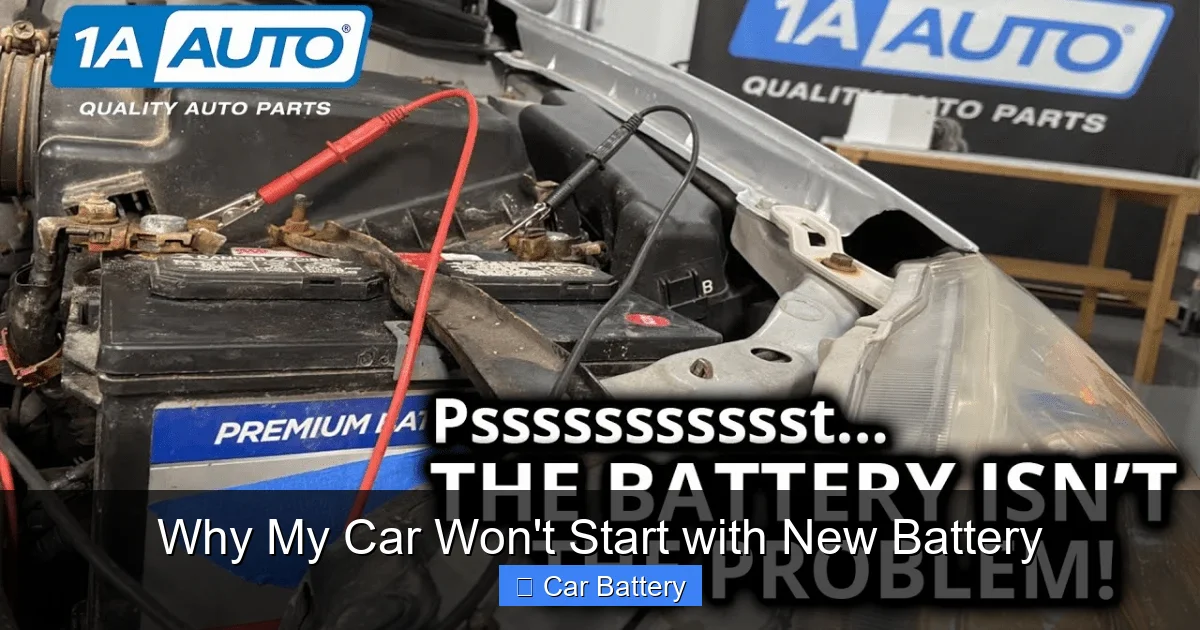
One of the most frequent reasons a car won’t start—even with a new battery—is poor electrical connection at the battery terminals. Over time, corrosion builds up on the terminals, creating a crusty, white or greenish residue. This corrosion acts like an insulator, blocking the flow of electricity from the battery to the rest of the car.
Even if you’ve installed a new battery, if the terminals aren’t clean and tight, the power can’t reach the starter motor. You might hear a clicking sound when you turn the key, which usually means the battery has some charge, but not enough is getting through to crank the engine.
How to fix it: Turn off the ignition and disconnect the battery cables (negative first, then positive). Use a wire brush or battery terminal cleaner to scrub away any corrosion. Reconnect the cables tightly, making sure they’re snug and secure. A little petroleum jelly on the terminals can help prevent future corrosion.
2. Faulty Alternator
Your alternator is responsible for recharging the battery while the engine runs. If it’s not working properly, your new battery might have enough power to start the car once, but it will quickly drain and leave you stranded.
A failing alternator might not show obvious signs at first. You might notice dim headlights, a battery warning light on the dashboard, or electrical issues like power windows moving slowly. But the real test is whether the battery stays charged after driving.
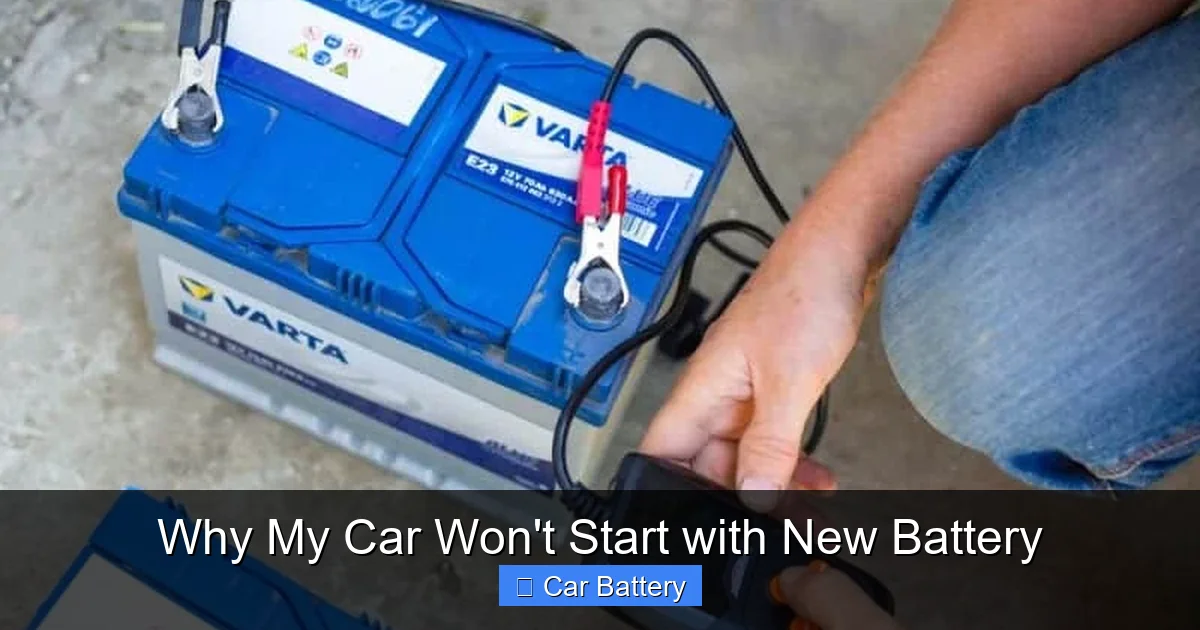
How to test it: Start the car and let it idle. Use a multimeter to check the voltage at the battery terminals. A healthy charging system should read between 13.8 and 14.4 volts. If it’s below 12.6 volts, the alternator isn’t doing its job.
3. Parasitic Battery Drain
Sometimes, something in your car is drawing power from the battery even when the engine is off. This is called a parasitic drain. Common culprits include interior lights that stay on, a faulty glove box light switch, aftermarket electronics (like dash cams or alarms), or a malfunctioning module like the radio or climate control system.
Over time, this slow drain can deplete even a new battery overnight. You might start the car fine in the morning, but by evening, it won’t turn over.
How to detect it: Use a multimeter to measure the current draw with the car off and all accessories turned off. A normal draw is usually less than 50 milliamps. If it’s higher, you’ve got a parasitic drain. To find the source, you may need to pull fuses one by one until the draw drops.
4. Defective New Battery
Yes, it happens. New batteries can be defective right out of the box. Manufacturing flaws, shipping damage, or improper storage can leave a battery unable to hold a charge—even if it’s brand new.
If your car won’t start with a new battery and everything else checks out, the battery itself might be the problem.
How to test it: Take the battery to an auto parts store or use a battery load tester. They can check if the battery holds a charge and delivers enough cranking amps. Most stores will test it for free.
Starter Motor and Ignition System Issues
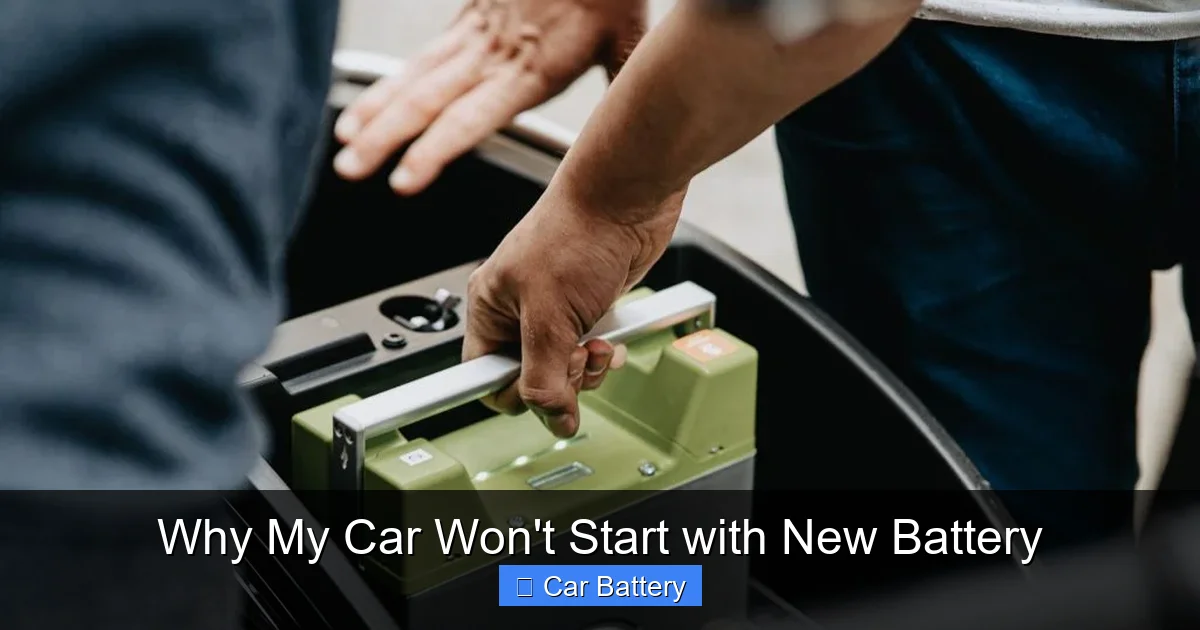
Visual guide about Why My Car Won’t Start with New Battery
Image source: autoily.com
If the battery and connections are fine, the problem might lie deeper in the starting system. The starter motor and ignition switch are critical components that work together to get your engine running. If either fails, your car won’t start—no matter how new the battery is.
Starter Motor Failure
The starter motor is what physically turns the engine over when you turn the key. It uses a powerful electric motor and a small gear (the solenoid) to engage the engine’s flywheel. Over time, the starter can wear out, especially in high-mileage vehicles.
Symptoms of a bad starter include a single loud click when you turn the key, grinding noises, or no sound at all. If the battery is strong but the engine doesn’t turn over, the starter is a likely suspect.
How to test it: Tap the starter gently with a hammer while someone tries to start the car. If it starts, the starter is likely failing. You can also use a multimeter to check for power at the starter solenoid when the key is turned. If power is present but the starter doesn’t engage, it’s probably faulty.
Tip: Replacing a starter can be tricky. If you’re not experienced with car repairs, consider hiring a mechanic. But if you’re handy, many starters are accessible and can be replaced in under an hour.
Ignition Switch Problems
The ignition switch sends power from the battery to the starter when you turn the key. If it’s worn out or damaged, it might not complete the circuit, even if the battery is fully charged.
Signs of a bad ignition switch include intermittent starting, the key feeling loose, or dashboard lights flickering when you turn the key. In some cases, the car might start one day and not the next—with no other changes.
How to diagnose it: Use a multimeter to check for power at the starter solenoid when the key is turned to the “start” position. If there’s no power, but the battery is good, the ignition switch may be the culprit.
Replacing an ignition switch varies by vehicle. Some are easy to access; others require removing the steering column. Check your owner’s manual or a repair guide for your specific model.
Electrical and Wiring Problems
Visual guide about Why My Car Won’t Start with New Battery
Image source: mechanictimes.com
Modern cars rely on complex electrical systems. A single broken wire, blown fuse, or faulty relay can prevent your car from starting—even with a new battery. These issues are often overlooked but can be the root cause of persistent starting problems.
Blown Fuses or Faulty Relays
Fuses protect your car’s electrical circuits from overloads. If a fuse related to the ignition or starter system blows, your car won’t start. Similarly, relays—small switches that control high-current circuits—can fail and cut power to critical components.
How to check: Locate your fuse box (usually under the dashboard or hood) and inspect the fuses related to the ignition, starter, and fuel pump. Look for broken filaments or discoloration. Replace any blown fuses with ones of the same rating.
Relays can be trickier. They often look like small black boxes. If you suspect a relay, try swapping it with an identical one (like the horn relay) to see if the problem resolves.
Damaged or Corroded Wiring
Wires under the hood are exposed to heat, moisture, and vibration. Over time, insulation can crack, and wires can fray or corrode. A broken ground wire, for example, can prevent the starter from receiving power—even if the battery is fully charged.
How to inspect: Look for visible damage, especially around the battery cables, starter, and alternator. Check the ground strap from the engine to the chassis—it’s often overlooked but essential for proper electrical flow.
Use a multimeter to test continuity in suspect wires. If a wire shows infinite resistance, it’s broken and needs repair.
Environmental and Maintenance Factors
Visual guide about Why My Car Won’t Start with New Battery
Image source: rxmechanic.com
Sometimes, the reason your car won’t start with a new battery has nothing to do with the battery itself—or even the car. Environmental conditions and maintenance habits can play a big role.
Extreme Cold Weather
Cold temperatures reduce a battery’s ability to produce power. Chemical reactions inside the battery slow down, and engine oil thickens, making it harder for the starter to turn the engine. Even a new battery can struggle in freezing conditions.
If you live in a cold climate, your car might not start on a winter morning—even with a fresh battery.
Tips to help:
– Use a battery blanket or engine block heater to keep the battery warm overnight.
– Park in a garage if possible.
– Consider a battery with higher cold cranking amps (CCA) for winter driving.
Old or Worn-Out Cables
Battery cables carry power from the battery to the starter and alternator. Over time, they can corrode, crack, or become loose. Even with a new battery, damaged cables can prevent proper current flow.
How to check: Inspect the cables for fraying, corrosion, or loose connections. If they’re brittle or damaged, replace them. High-quality cables with proper insulation can improve performance and reliability.
Fuel System Issues
Wait—what does fuel have to do with a battery? While a new battery provides the power to start the engine, the fuel system delivers the gas needed to run it. If the fuel pump is failing, the fuel filter is clogged, or there’s no fuel in the tank, the engine won’t start—even if it cranks normally.
How to tell: Listen for a humming sound from the fuel tank when you turn the key to “on” (before starting). If you don’t hear it, the fuel pump might be dead. Also, check the fuel gauge—sometimes the simplest explanation is the right one.
When to Call a Mechanic
While many of these issues can be diagnosed and fixed at home, some problems require professional tools and expertise. If you’ve checked the battery, terminals, fuses, and starter, and your car still won’t start, it’s time to call a mechanic.
Signs you need professional help:
– The engine cranks but won’t start (could be fuel or spark issues).
– You hear unusual noises like grinding or whining.
– The dashboard shows warning lights (like check engine or battery).
– You’re unsure how to safely test electrical components.
A mechanic can perform a full diagnostic scan to pinpoint the issue. Modern cars have onboard computers that store error codes, which can reveal problems with sensors, ignition coils, or the fuel system.
Prevention Tips to Avoid Future Starting Problems
Once you’ve solved the immediate issue, take steps to prevent it from happening again.
– Regular maintenance: Have your battery, alternator, and starter checked during routine service.
– Keep terminals clean: Inspect and clean battery terminals every few months.
– Limit short trips: Short drives don’t give the alternator enough time to recharge the battery.
– Turn off accessories: Don’t leave lights, radios, or chargers on when the engine is off.
– Use a battery maintainer: If you don’t drive often, a trickle charger can keep the battery charged.
Frequently Asked Questions
Why won’t my car start even with a new battery?
Your car might not start due to loose or corroded terminals, a faulty alternator, or a defective starter. Even a new battery can’t overcome poor connections or electrical system failures.
Can a new battery be defective?
Yes, new batteries can arrive damaged or fail to hold a charge. Always test a new battery before installation to ensure it’s working properly.
How do I know if my alternator is bad?
Check the battery voltage with a multimeter while the engine runs. If it’s below 13.8 volts, the alternator isn’t charging the battery.
What causes a parasitic battery drain?
Parasitic drain happens when electrical components like interior lights or aftermarket devices draw power when the car is off, slowly depleting the battery.
Can cold weather prevent my car from starting?
Yes, cold temperatures reduce battery efficiency and thicken engine oil, making it harder to start—even with a new battery.
Should I replace the starter if my car won’t start?
Only if other causes are ruled out. Test the battery, connections, and ignition switch first. A faulty starter often makes a clicking sound but won’t turn the engine.
