
How to Start a Car Without a Battery

Starting a car without a battery is possible using alternative methods like push-starting, jump-starting, or portable jump starters. While not ideal, these techniques can get you back on the road in emergencies when your battery is dead or missing.
Key Takeaways
- Push-starting works for manual cars: Roll the car downhill or have helpers push it to engage the engine via the transmission.
- Jump-starting requires another vehicle: Use jumper cables and a working car’s battery to transfer power and restart your engine.
- Portable jump starters are reliable backups: Compact, battery-powered devices can start your car without another vehicle.
- External power sources like power packs help: Some devices plug into your cigarette lighter to provide enough juice for ignition.
- Safety is critical: Always wear gloves, avoid sparks near the battery, and follow proper procedures to prevent injury or damage.
- Prevention beats emergency fixes: Regular maintenance and battery checks reduce the chances of being stranded.
- Not all cars can be started without a battery: Modern vehicles with electronic systems may require a minimal charge to operate safely.
📑 Table of Contents
- Introduction: When Your Car Won’t Start and the Battery Is Dead
- Understanding Why a Battery Is Needed to Start a Car
- Method 1: Push-Starting (Also Known as Bump-Starting)
- Method 2: Jump-Starting with Another Vehicle
- Method 3: Using a Portable Jump Starter
- Method 4: Using an External Power Source or Battery Pack
- Important Safety Considerations
- Prevention: How to Avoid Battery Failure
- Conclusion: Be Prepared, Stay Safe
Introduction: When Your Car Won’t Start and the Battery Is Dead
Picture this: You’re running late for work, you hop into your car, turn the key—and nothing happens. No click, no crank, just silence. You pop the hood and realize your battery is completely dead—or worse, missing. Panic sets in. But before you call a tow truck, know this: starting a car without a battery is possible in many situations, especially if you’re prepared or know a few tricks.
While a car battery is essential for powering the starter motor, lights, and electronics, there are emergency methods to get your engine running even when the battery fails. These techniques aren’t meant for daily use, but they can be lifesavers when you’re stranded. Whether you drive a manual transmission or an automatic, live in a cold climate, or just forgot to turn off your headlights, this guide will walk you through practical, safe ways to start your car without relying on a traditional battery.
Understanding Why a Battery Is Needed to Start a Car
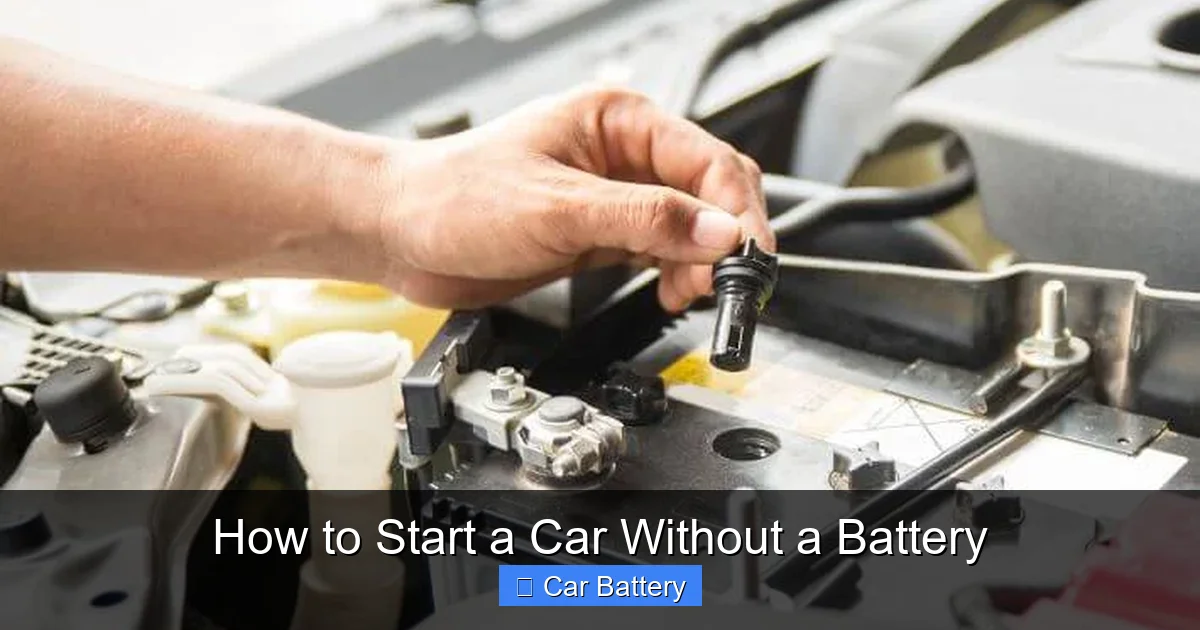
Before diving into solutions, it’s important to understand why a battery is so crucial. Your car’s battery delivers a burst of electrical energy to the starter motor, which turns the engine over until it can run on its own. Without that initial spark, the engine won’t ignite. Additionally, the battery powers the fuel pump, ignition system, and onboard computers—especially in modern vehicles.
Visual guide about How to Start a Car Without a Battery
Image source: thepowerfacts.com
How the Starting System Works
When you turn the key or press the start button, the battery sends electricity to the starter solenoid, which engages the starter motor. The motor spins the engine’s flywheel, allowing air and fuel to enter the cylinders. Once combustion begins, the engine runs independently, and the alternator takes over to recharge the battery.
What Happens When the Battery Is Dead?
A dead battery means insufficient voltage to activate the starter. You might hear a clicking sound, dim lights, or complete silence. In some cases, the car may have just enough power to run accessories but not enough to crank the engine. This is where alternative starting methods come into play.
Can You Really Start a Car Without a Battery?
Technically, you can’t start a car with zero electrical power—some systems still need a minimal charge. However, you can bypass a dead or missing battery using external power sources or mechanical methods. The key is understanding your car’s design and transmission type.
Method 1: Push-Starting (Also Known as Bump-Starting)
Push-starting is one of the oldest and most effective ways to start a car without a battery—but it only works on manual transmission vehicles. It uses the motion of the car to turn the engine over, simulating what the starter motor would do.
Visual guide about How to Start a Car Without a Battery
Image source: api.carbuyers.ae
How Push-Starting Works
When you roll the car in gear, the wheels turn the transmission, which spins the engine’s crankshaft. If the ignition and fuel systems have minimal power (even from a nearly dead battery), this motion can trigger combustion and start the engine.
Step-by-Step Guide to Push-Starting
- Turn the ignition to “on” (but don’t start): This powers the fuel pump and ignition system. Even a weak battery may provide enough juice for this.
- Press the clutch and shift into second gear: Second gear is smoother than first and reduces the risk of jerking.
- Have helpers push the car or find a downhill slope: Aim for a speed of at least 5–10 mph.
- Once moving, quickly release the clutch: This engages the engine. If done right, the engine should turn over.
- If it starts, keep the engine running: Drive for at least 15–20 minutes to allow the alternator to recharge any residual battery power.
Tips for Success
- Choose a safe, flat, or downhill area with minimal traffic.
- Wear gloves and ensure helpers are aware of the process.
- If the engine doesn’t start after 2–3 attempts, stop to avoid overheating the starter or transmission.
- Never push-start an automatic car—it can damage the transmission.
Real-Life Example
Sarah, a college student, left her headlights on overnight. The next morning, her 2005 Honda Civic wouldn’t start. With no jumper cables nearby, she enlisted two friends to help push the car down a gentle hill near her dorm. After two tries, the engine roared to life. She drove straight to an auto shop to get her battery tested and recharged.
Method 2: Jump-Starting with Another Vehicle
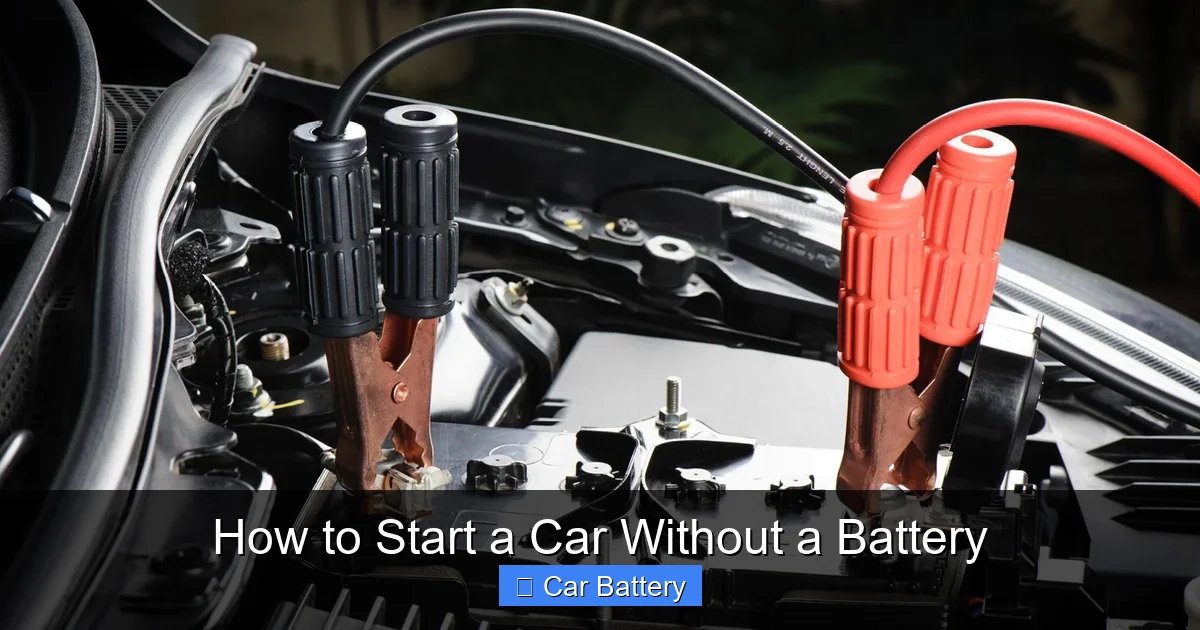
If you’re near another car with a working battery, jump-starting is a reliable way to start your vehicle—even if your battery is completely dead. This method uses jumper cables to transfer power from the good battery to yours.
Visual guide about How to Start a Car Without a Battery
Image source: static.carfromjapan.com
How Jump-Starting Works
Jumper cables connect the positive and negative terminals of both batteries, allowing current to flow into your car’s electrical system. Once enough power is restored, the starter motor can engage and turn the engine.
Step-by-Step Jump-Starting Guide
- Park the working car close (but not touching): Ensure both engines are off and keys are removed.
- Connect the red (positive) clamp to your dead battery’s positive terminal: Look for a “+” sign or red cover.
- Connect the other red clamp to the good battery’s positive terminal.
- Connect the black (negative) clamp to the good battery’s negative terminal.
- Attach the final black clamp to an unpainted metal surface on your car (like a bolt or bracket): This grounds the circuit and reduces sparking near the battery.
- Start the working car and let it run for 3–5 minutes: This charges your battery slightly.
- Try starting your car: If it doesn’t start, wait a few more minutes and try again.
- Once running, disconnect the cables in reverse order: Remove the grounded clamp last.
Safety Tips for Jump-Starting
- Never let the clamps touch each other while connected to a battery.
- Avoid jump-starting in the rain or near flammable materials.
- Wear safety glasses and gloves to protect against acid or sparks.
- If the battery is swollen, leaking, or damaged, do not attempt to jump-start—call a professional.
What If You Don’t Have Jumper Cables?
Some roadside assistance apps or local garages offer mobile jump-start services. Alternatively, keep a set of jumper cables in your trunk—they’re inexpensive and take up little space.
Method 3: Using a Portable Jump Starter
A portable jump starter is a compact, rechargeable device that acts like a spare battery. It’s one of the most convenient ways to start a car without a battery—no second vehicle required.
How Portable Jump Starters Work
These devices store electrical energy in lithium-ion batteries. When connected to your car’s battery terminals (or directly to the starter in some models), they deliver a high-current burst to crank the engine.
Choosing the Right Jump Starter
Look for a model with:
- At least 1000 peak amps (higher for trucks or diesel engines)
- Built-in safety features (reverse polarity protection, short-circuit prevention)
- USB ports for charging phones or other devices
- Compact size and lightweight design
Popular brands include NOCO, Jump-N-Carry, and Hulkman.
How to Use a Portable Jump Starter
- Turn off all electronics in your car: Lights, radio, AC—everything.
- Connect the red clamp to the positive terminal and black to negative: Double-check polarity.
- Turn on the jump starter (if it has a power button): Some activate automatically.
- Wait 30 seconds, then try starting the car: Most devices provide enough power for 3–5 attempts.
- Once running, disconnect and recharge the jump starter: Keep it charged for future use.
Benefits of Portable Jump Starters
- No need for another vehicle or help from strangers.
- Can be used in remote areas or during power outages.
- Many double as phone chargers or flashlights.
- Safer than traditional jumper cables when used correctly.
Real-Life Example
Mike, a delivery driver, often works late and parks in dimly lit areas. One night, his battery died in a parking garage. Luckily, he had a NOCO Boost Plus in his glove compartment. He connected it in under two minutes, started his car, and continued his route without delay.
Method 4: Using an External Power Source or Battery Pack
If you don’t have a jump starter or another car, you might still have options. Some external power sources—like a 12V battery pack or even a high-capacity power bank—can provide enough energy to start a small engine.
Using a 12V Battery Pack
Some auto shops sell portable 12V battery packs designed for emergency starts. These are similar to jump starters but often larger and more powerful. They work the same way: connect the clamps, power on, and start the engine.
Can a Regular Power Bank Start a Car?
Standard USB power banks (like those for phones) won’t work—they output 5V, not the 12V needed for cars. However, some high-end power banks now include 12V DC outputs and can jump-start small engines. Check the specifications carefully.
Using the Cigarette Lighter Socket
In rare cases, if your battery has a tiny bit of charge, you can use a 12V portable battery booster that plugs into the cigarette lighter. These devices slowly feed power into the system, potentially building enough charge to start the engine. This method is slow and not guaranteed, but it’s worth a try if other options aren’t available.
DIY Emergency Power Hack (Use with Caution)
Some drivers have used a motorcycle battery or even a lawnmower battery in a pinch, connecting it temporarily with jumper cables. While this can work, it’s risky—mismatched voltages or poor connections can damage electronics. Only attempt this if you understand automotive electrical systems.
Important Safety Considerations
Starting a car without a battery involves risks. Electrical systems are sensitive, and mistakes can lead to injury, fire, or vehicle damage. Always prioritize safety.
General Safety Tips
- Never smoke or use open flames near the battery: Hydrogen gas can ignite.
- Wear protective gear: Gloves and safety glasses are essential.
- Check for leaks or corrosion: A damaged battery can leak acid or explode.
- Follow manufacturer instructions: Especially for jump starters and cables.
- Don’t force connections: If clamps don’t fit securely, don’t use them.
Vehicles That Can’t Be Started Without a Battery
Modern cars with advanced electronics (like keyless entry, immobilizers, or hybrid systems) often require a minimum battery voltage to operate. In these cases, even jump-starting may fail if the system detects insufficient power. Always consult your owner’s manual.
When to Call a Professional
If your car still won’t start after trying these methods, there may be a deeper issue—like a faulty starter, alternator, or wiring problem. In such cases, it’s best to call a mechanic or roadside assistance.
Prevention: How to Avoid Battery Failure
The best way to handle a dead battery is to prevent it from happening. A little maintenance goes a long way.
Regular Battery Checks
Inspect your battery every 6 months. Look for:
- Corrosion on terminals (clean with baking soda and water)
- Swelling or cracks in the casing
- Loose or damaged cables
Most auto parts stores offer free battery testing.
Keep It Charged
If you don’t drive often, use a battery maintainer or trickle charger to keep the battery topped up. These devices plug into an outlet and deliver a slow, steady charge.
Avoid Common Mistakes
- Don’t leave lights, phone chargers, or accessories on when the engine is off.
- Limit short trips—they don’t give the alternator enough time to recharge the battery.
- Replace your battery every 3–5 years, even if it seems fine.
Conclusion: Be Prepared, Stay Safe
Starting a car without a battery isn’t something you’ll do every day—but knowing how could save you hours of frustration and hundreds of dollars in towing fees. Whether you use push-starting, jump-starting, or a portable jump starter, the key is preparation and caution. Always carry essential tools like jumper cables or a jump starter, and understand your car’s limitations.
Remember, these methods are temporary fixes. Once your car is running, get your battery tested and replaced if needed. And if you’re unsure about any step, don’t hesitate to ask for help. With the right knowledge and tools, you’ll never be truly stranded—even when your battery lets you down.
Frequently Asked Questions
Can you start an automatic car without a battery?
No, you cannot push-start an automatic car because it lacks a clutch and direct mechanical connection between the wheels and engine. Jump-starting or using a portable jump starter are your best options.
Is it safe to jump-start a car in the rain?
It can be done, but extra caution is needed. Water increases the risk of electrical shock. Keep cables dry, avoid puddles, and wear rubber-soled shoes. If lightning is present, wait it out.
How long should I drive after jump-starting?
Drive for at least 15–20 minutes to allow the alternator to recharge the battery. If the car dies again shortly after, the battery or alternator may need replacement.
Can a completely dead battery be recharged?
Sometimes. If the battery is old or deeply discharged, it may not hold a charge. Use a battery charger or have it tested at an auto shop to determine if it can be revived.
Do portable jump starters work in cold weather?
Yes, but performance drops in extreme cold. Keep the jump starter warm (e.g., in your car’s cabin) and fully charged. Lithium-ion models handle cold better than older lead-acid types.
What if my car has a push-button start?
Push-button cars still need battery power to activate the system. If the battery is dead, you may need to use the key fob’s physical key or place it near the start button (some models have a backup感应 zone). Jump-starting or a portable jump starter is still required.
