
What To Look For In A Road Bike Helmet: Safety And Fit Tips

Choose a road bike helmet that fits snugly, meets safety standards, and feels stable and well-ventilated.
I’ve spent years riding, testing helmets, and helping riders pick gear. I know what to look for in a road bike helmet and why each detail matters. This guide breaks down safety rules, fit tips, comfort features, and buying advice so you can choose a helmet that protects and performs on every ride. Read on for clear, trusted, and practical guidance you can use today.
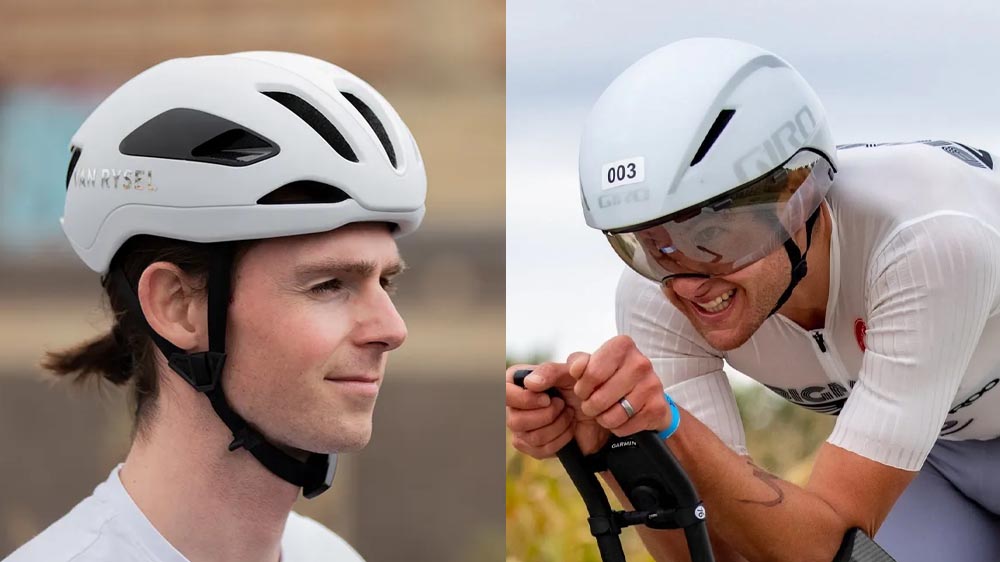
How a road helmet protects you and why it matters
A helmet stops and spreads impact forces. It saves heads and can lower injury risk. Knowing what to look for in a road bike helmet helps you match protection to how and where you ride.
There are basic hard-shell helmets and advanced designs with layers to reduce rotational forces. For road riders, look for a helmet that balances impact protection, fit, and airflow.
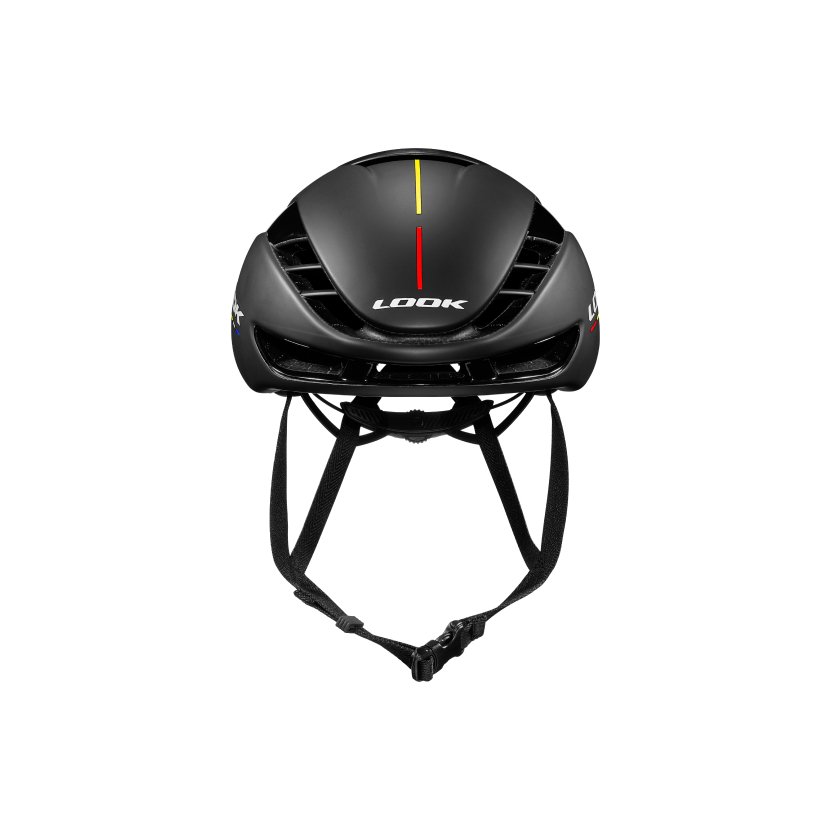
Key features to check when deciding what to look for in a road bike helmet
Pick a helmet by checking these parts. Each affects safety or comfort.
- Fit and size: Make sure the shell sits low on the forehead and wraps the head evenly. A helmet that shifts won’t protect well.
- Safety certification: Look for CPSC (US) or EN standards. Certified helmets meet basic impact rules.
- Rotational protection: Look for systems like MIPS or similar to reduce rotational forces on the brain.
- Shell and liner: A hard outer shell with EPS foam is common. Multi-density foam adds targeted protection.
- Retention system: Easy, secure adjustment at the back keeps the helmet stable.
- Straps and buckles: Thin straps and a secure buckle that sits under the ear are best for comfort.
- Ventilation: Large, well-placed vents keep air moving on long rides.
- Weight: Lighter helmets feel better on long rides but balance lightness with strength.
- Aerodynamics: Race helmets are shaped for speed. If you ride fast, aerodynamics matter.
- Padding and comfort: Removable, washable pads extend life and comfort.
- Visibility features: Reflective accents and bright colors help you be seen.
- Crash replacement and warranty: Check the policy. Replace helmets after any crash.
When you search for what to look for in a road bike helmet, keep this checklist handy. It makes shopping fast and sure.
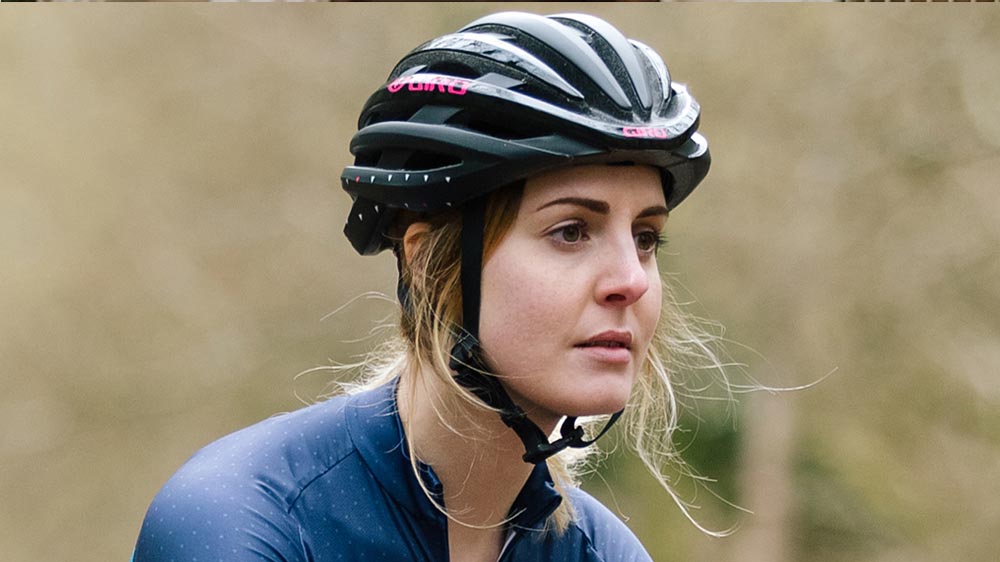
Fit and sizing: the most important practical check for what to look for in a road bike helmet
Measure your head with a soft tape. Wrap it just above the eyebrows. Compare the number to the maker’s size chart.
When trying a helmet, tighten the rear dial. The helmet should not rock front to back. The side straps should form a V under each ear. Use the shake test: nod and shake your head. If the helmet moves a lot, try a different size or model.
From my rides, small fit errors make the helmet feel wrong fast. Take a test ride in the shop when you can. A helmet that feels right will stay comfortable on long rides.
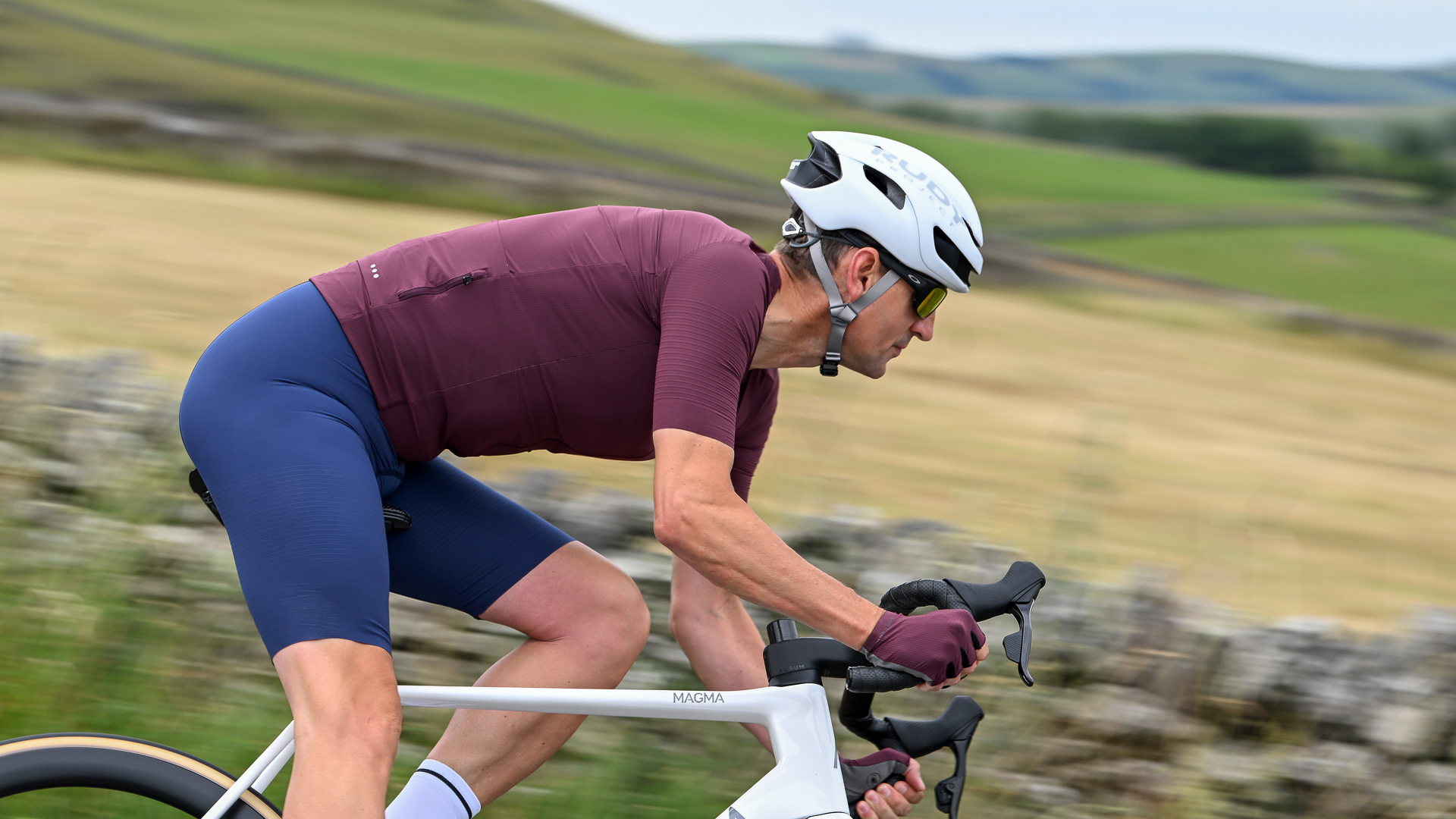
Safety standards and rotational protection explained
Safety standards set minimum impact rules. For US buyers, the CPSC label matters. For European riders, EN1078 is common. These labels mean the helmet met lab tests.
Rotational forces are deadly in many crashes. Systems like MIPS add a low-friction layer so the head can rotate slightly within the helmet during impact. Studies show reduced rotational acceleration with these systems. When you think about what to look for in a road bike helmet, give weight to rotational protection for higher-speed riding.
Ventilation, weight, and aerodynamics: trade-offs to consider
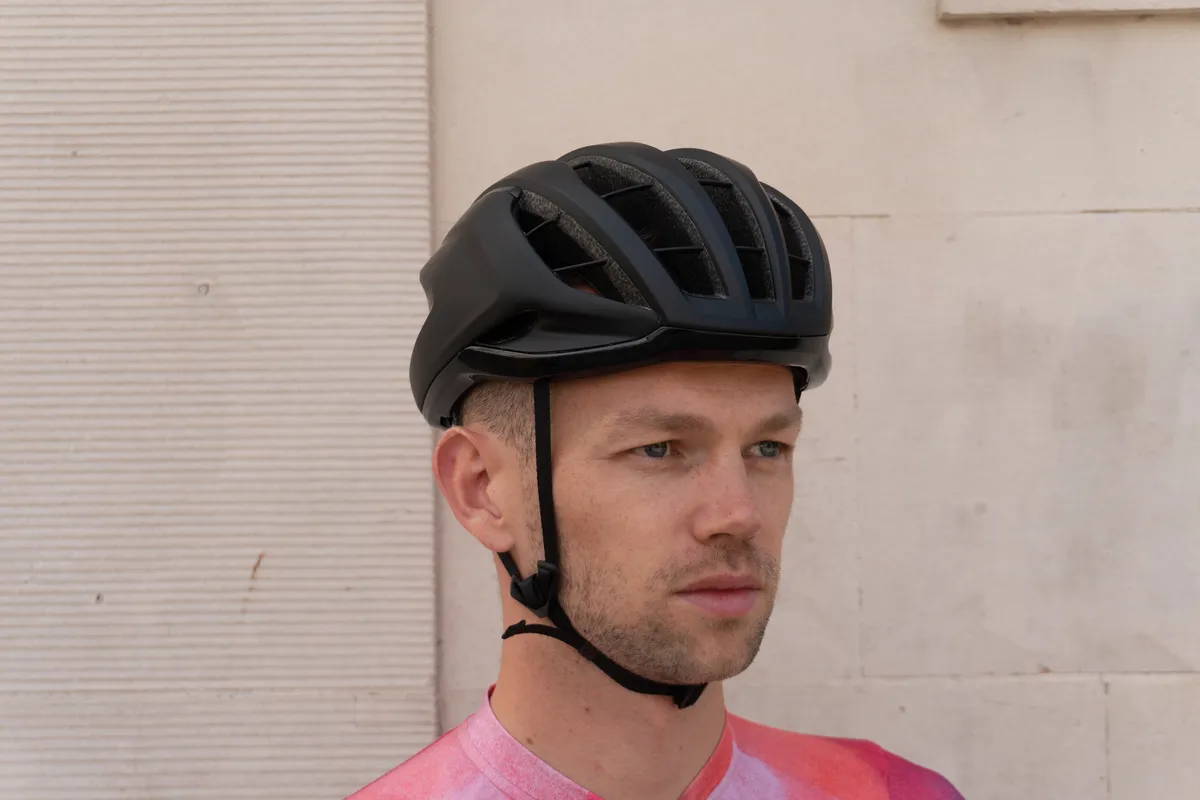
Good airflow keeps you fresh. More vents usually mean better cooling. But more vents can make the helmet slightly less stiff.
Lighter helmets feel easier on the neck. They often cost more. Aerodynamic helmets shave seconds at speed. They can feel warmer on slow climbs.
Match the helmet to your riding style. If you do long hot rides, prioritize ventilation. If you race time trials, look for aero shapes. This is central to knowing what to look for in a road bike helmet.
Comfort details: straps, pads, and fit systems
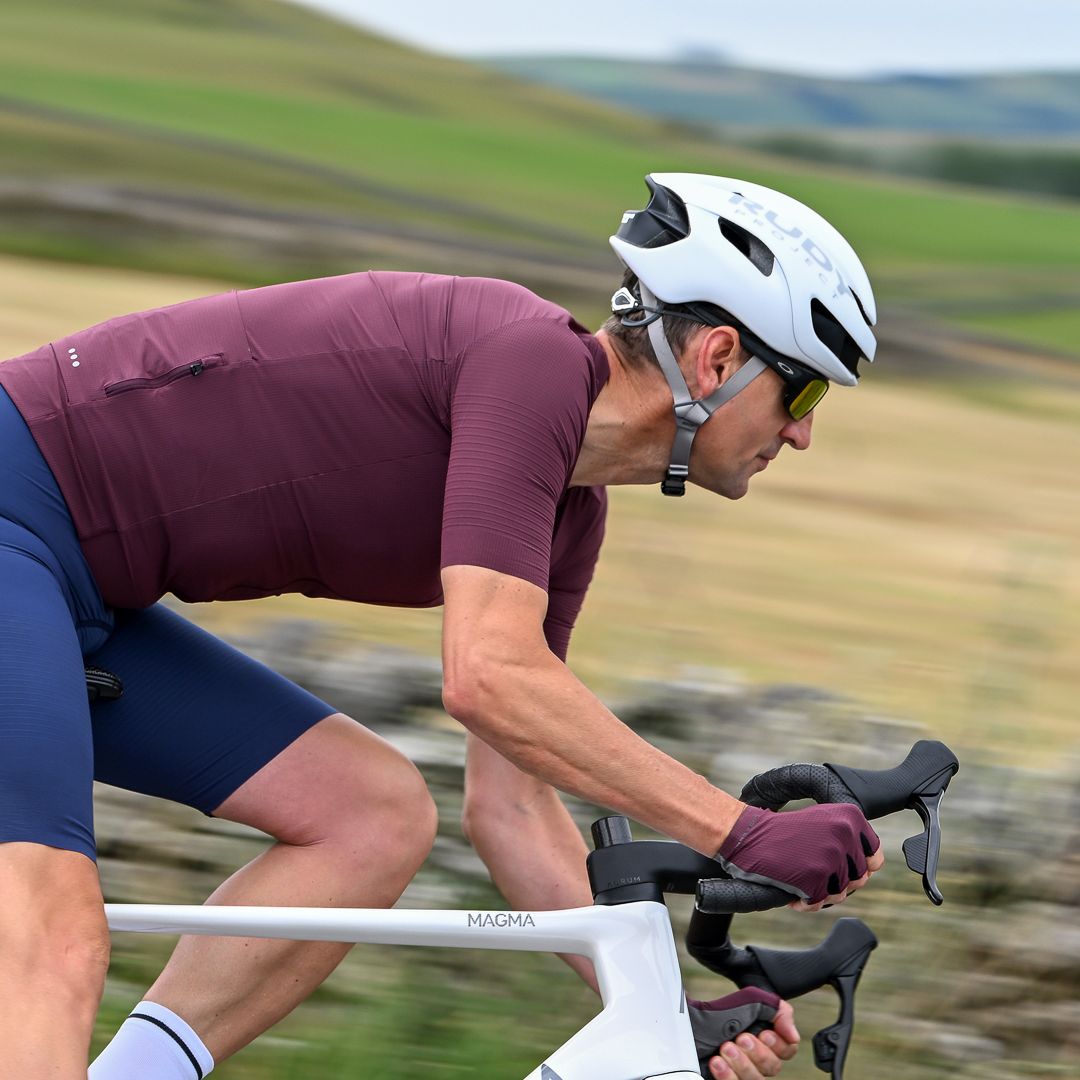
Comfort keeps you wearing your helmet. Thin, soft straps reduce chafing. Pads that wick sweat improve rides. Removable pads let you wash and replace them.
A micro-adjust dial at the back gives a precise fit. Some helmets offer size converters or extra pads. Try on multiple models. Comfort is personal, and you will notice the difference within minutes.

MIPS and other rotational systems: should you buy them?
Rotational systems add small cost. They add a slidable or deformable layer inside the helmet. This can lower brain rotation in angled impacts.
For fast road rides or group rides where crashes may be harder, I opt for helmets with rotational protection. For casual riders, a certified helmet without MIPS still offers solid protection. Decide based on your risk tolerance and budget.
Practical buying tips and real-life lessons
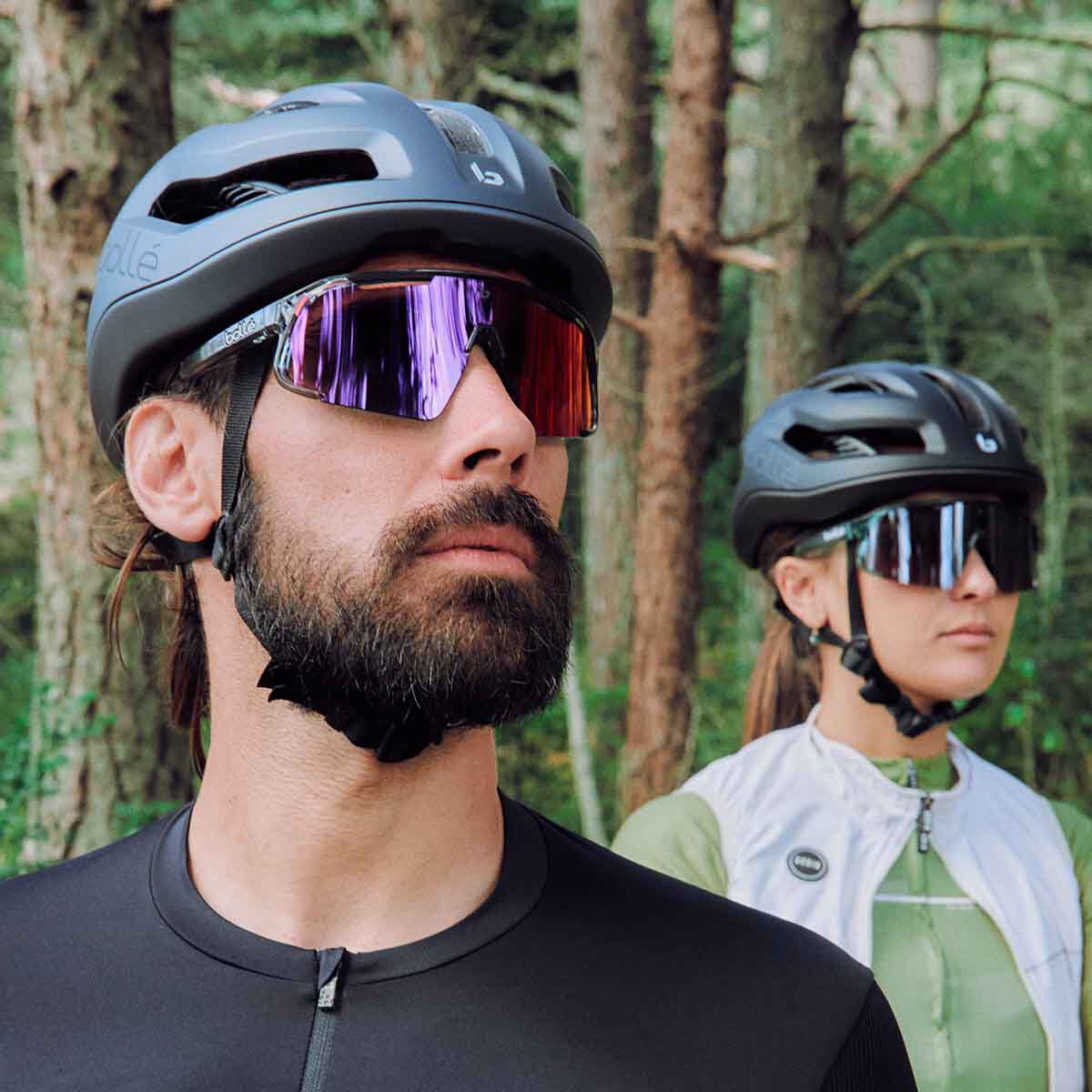
Buy from a shop when possible. Try helmets with your glasses on. Bring a friend to check fit from all angles.
From testing gear, I learned this: a cheap, tight helmet that sits high is a false economy. It felt light at first. Over a weekend ride, the pressure points ruined the trip. Spending a bit more on fit and good airflow mattered far more than saving $20.
Also look for these small wins:
- Try the helmet for 10–15 minutes before you buy.
- Check the maker’s crash replacement policy.
- Consider color and reflectivity for night rides.
These steps will help you find exactly what to look for in a road bike helmet for your needs.

How to maintain and when to replace a road helmet
Clean pads with mild soap. Avoid strong solvents. Store helmets away from direct sun and heat.
Replace a helmet after any crash, even a minor one. Most makers advise replacing a helmet every 3 to 5 years. Foam degrades with time and UV exposure. Keep receipts and note the purchase date.
Common quick questions about what to look for in a road bike helmet
How tight should a road helmet feel?
It should be snug but not painful. You should feel even pressure around the head and no large gaps.
Is a lighter helmet always safer?
Not always. Lightness often costs more but safety depends on design and materials as well.
Do I need MIPS for casual riding?
MIPS adds protection for rotational forces. For casual low-speed riding it is optional but helpful if it fits your budget.
Frequently Asked Questions of what to look for in a road bike helmet
How do I measure my head for the right helmet size?
Wrap a soft tape measure around your head above the eyebrows. Use that number to pick the maker’s size. Try on nearby sizes for comfort.
Can a used helmet be safe to buy?
Avoid used helmets unless you know its full history. Helmets can hide internal damage from past impacts.
How often should I replace my road bike helmet?
Most makers suggest replacing every 3 to 5 years or after any crash. Foam and straps slowly wear out.
Does visor or peak matter on a road helmet?
Visors help on gravel and mixed-terrain rides by blocking sun and debris. For pure road racing, visors are rarely used due to aerodynamics.
Are aero helmets less ventilated?
Many aero helmets trade some ventilation for speed. Newer aero designs try to balance cooling and drag reduction. Choose based on your ride type.
Conclusion
Picking the right helmet comes down to fit, safety, and comfort. Know what to look for in a road bike helmet: a snug fit, proper certification, suitable ventilation, and a good retention system. Test helmets in person when you can. Replace helmets after crashes and every few years.
Choose a helmet that you will wear every ride. Your head is worth that care. Try a few models, trust your fit, and then ride with confidence. If you found this guide useful, leave a comment, share your helmet experiences, or subscribe for more gear tips.
