
Do You Need Helmet To Ride Bike: Safety Facts And Tips

Yes, wearing a helmet dramatically lowers your chance of severe head injury when you ride a bike.
I’ve spent years riding in cities and on trails, testing helmets and watching friends learn the hard way. This article answers the core question — do you need helmet to ride bike — with clear facts, real-life tips, and simple guidance so you can ride safer and smarter today. I’ll explain risks, laws, helmet types, fit steps, and what I’ve learned from personal experience to help you decide.

Why wearing a helmet matters
A helmet is a simple buffer between your skull and a hard impact. When a crash happens, the helmet spreads force and reduces direct trauma to the brain and skull. Studies show helmets lower head injury risk by a large margin, and they are linked to fewer severe outcomes after falls and collisions.
A few clear points:
- Head injuries are among the most serious outcomes in bike crashes.
- A helmet can prevent skull fractures, reduce brain bleeding, and lower the chance of permanent disability.
- Wearing a helmet is an easy, low-cost action with high potential benefit.
People often ask: do you need helmet to ride bike if you’re just going a short distance? Even slow crashes can cause head injury, so the best practice is to wear a helmet every ride.

Legal requirements and where helmets are mandatory
Laws vary by place and age group. Many regions require helmets for children and teens, while adult rules differ. Some cities or states have universal helmet laws, and others leave the choice to riders.
Key legal points to check:
- Local rules often target riders under 18 or 16.
- School zones, shared-use paths, and bike-share programs sometimes have specific rules.
- Fines and enforcement depend on jurisdiction.
If you’re unsure whether do you need helmet to ride bike in your area, check local traffic laws or ask a local cycling group. Following the law protects you and avoids fines.

Common objections and practical counterarguments
People skip helmets for many reasons. Here are common objections and friendly responses.
- “Helmets feel uncomfortable.”
Wearing a well-fitted, ventilated helmet is more comfortable than you think. Modern designs are lighter and cooler. - “I ride slowly; I don’t need one.”
Even low-speed falls onto pavement or curbs can cause serious head injuries. A helmet helps. - “Helmets ruin my hair or style.”
Practical comfort beats a bad outcome. Carry a hat or style hacks for after the ride. - “I don’t like the cost.”
Quality helmets come at many price points. Basic certified helmets offer strong protection without breaking the bank.
When someone asks, do you need helmet to ride bike if you feel confident? Confidence reduces some risks but not unpredictable hazards like cars, potholes, or other cyclists. A helmet is insurance against those rare but serious moments.

How to choose the right helmet
Choosing the correct helmet matters more than owning one. Look for fit, safety standards, and purpose.
Steps to pick a helmet:
- Choose the right type
- Road helmets for speed and vents
- Commuter helmets for comfort and coverage
* Mountain helmets for trails and rear coverage - Kids’ helmets sized for growth and safety
- Check safety certification
- Look for recognized testing labels to confirm impact protection.
- Fit and position
- The helmet should sit level, about two finger-widths above your eyebrows.
- Straps form a V under each ear and fasten snugly under the chin.
- The helmet should not move side-to-side or front-to-back when tightened.
- Features to consider
- MIPS or other rotational-impact tech for added protection
- Replaceable liners and washable pads for hygiene
- Reflective elements or light mounts for visibility
- Replacement rules
- Replace after any crash or every 3–5 years depending on manufacturer advice.
When deciding do you need helmet to ride bike, remember fit and certified protection matter more than brand or price.
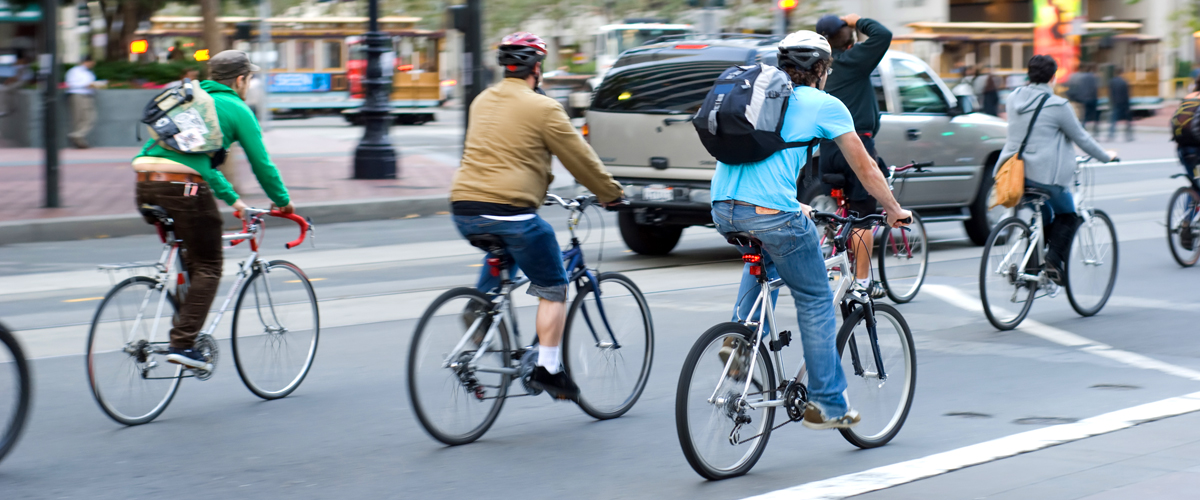
Personal experience and practical tips
I’ve ridden city commutes and mixed-terrain weekend rides. A helmet saved a friend from a severe concussion after a fall on wet pavement. From those rides I learned simple habits that make helmet use easy.
My tips:
- Keep a lightweight helmet by the door so you don’t forget it.
- Use a small lock or strap carrier on your bag if you remove the helmet briefly.
- Practice quick adjustments so the helmet fits right in under a minute.
- If you hit your head, replace the helmet even if damage isn’t obvious — liners can be compromised.
Answering the question do you need helmet to ride bike from a rider’s view: yes. It’s small effort for big safety gains.
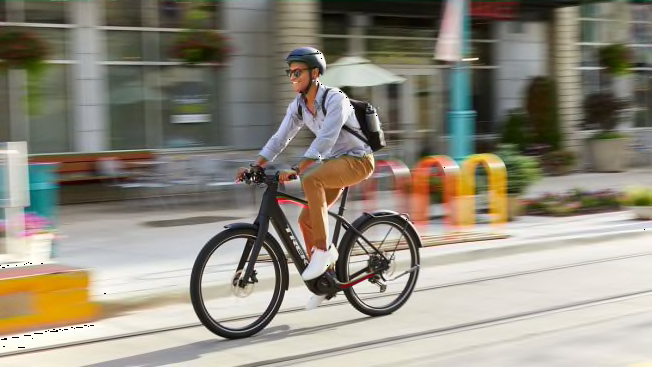
Short PAA-style questions
What if I only ride on sidewalks?
You can still fall or hit an obstacle on the sidewalk. Wearing a helmet helps prevent head injury regardless of surface.
Will a helmet stop a concussion every time?
No helmet can guarantee prevention of all concussions, but helmets reduce force and lower the chance and severity of brain injury.
Can improved bike skills replace a helmet?
Skills reduce risk but cannot remove unpredictable hazards. Combine skill with a helmet for the best protection.

Frequently Asked Questions of do you need helmet to ride bike
Do you need helmet to ride bike?
Yes. Wearing a helmet significantly reduces your risk of severe head injury and is recommended for every ride, regardless of distance or speed.
Are helmets legally required for adults?
It depends on local law. Many places require helmets for minors; rules for adults vary by city and state.
Will a helmet prevent all injuries?
No. Helmets lower the risk and severity of head injuries but cannot prevent all injuries or guarantee no concussion.
How should a helmet fit?
A proper helmet sits level, about two finger-widths above the eyebrows, with straps forming a V under the ears and a snug chin strap.
When should I replace my helmet?
Replace a helmet after any crash, after visible damage, or every 3–5 years based on manufacturer guidance and material age.
Conclusion
Wearing a helmet is a simple, proven step to protect your head and brain. If you ask do you need helmet to ride bike, the short, evidence-based answer is yes — for safety, legal compliance, and peace of mind. Start by choosing a certified helmet that fits, wear it every ride, and replace it after impact. Try these tips on your next outing and encourage friends and family to do the same. Share your experiences below, subscribe for more safety guides, or leave a question so we can help you pick the right helmet.

