
Why Are Road Bike Helmets So Expensive: Value Vs Cost

High-performance materials, rigorous safety testing, and R&D drive up the price of road bike helmets.
I’ve spent years fitting helmets for riders and testing gear on group rides and in the lab, so I know why road bike helmets so expensive models often cost more. This article explains why are road bike helmets so expensive, breaks down what adds to the price, and helps you decide which features matter for your ride. Read on for clear, practical advice and real-world tips to get the best helmet for your budget and safety needs.
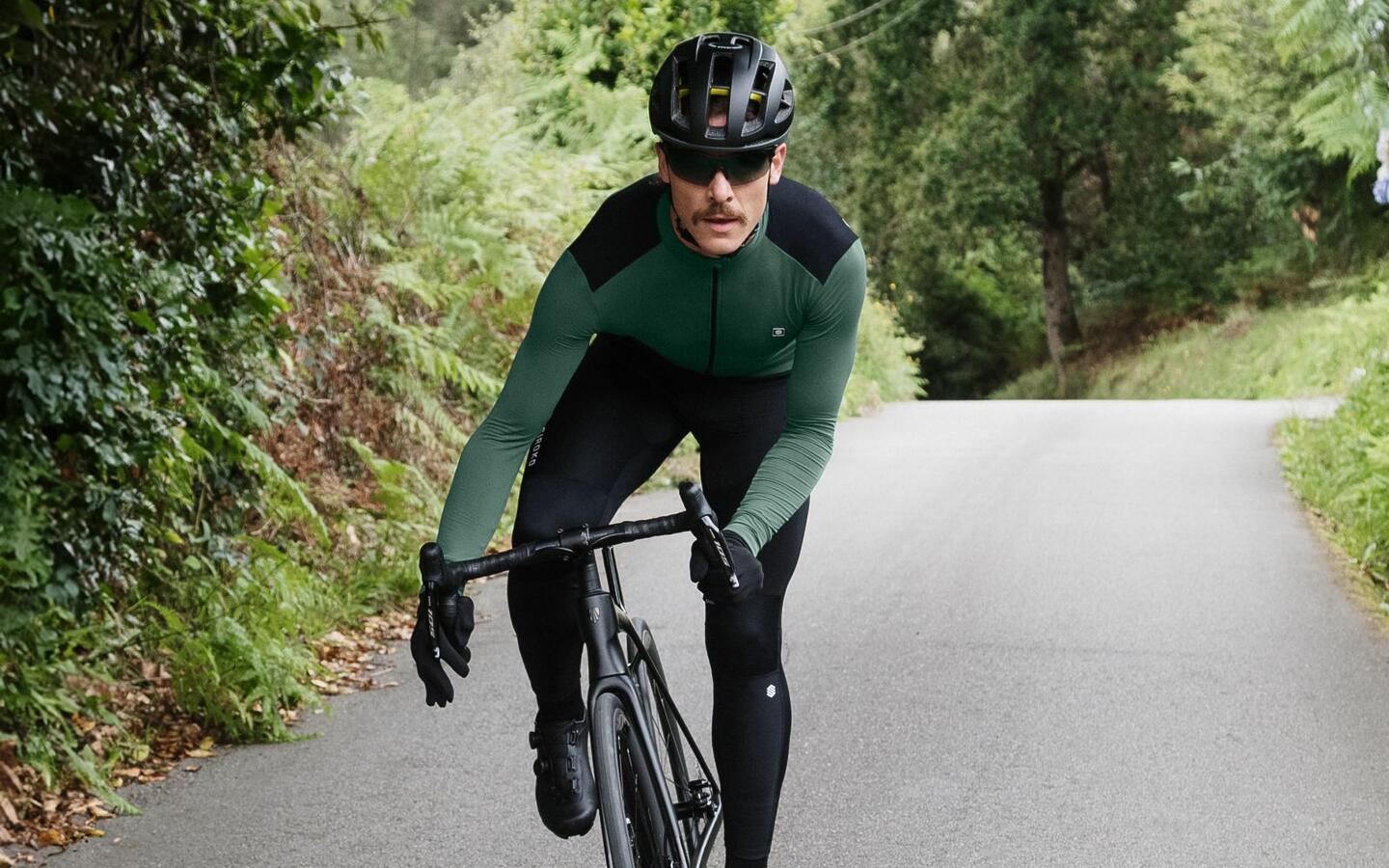
Why are road bike helmets so expensive? The core reasons
Many riders ask why are road bike helmets so expensive. The short reason is simple: safety, weight, fit, and performance all require costly materials and testing. Manufacturers invest in research and in lab time to meet and exceed safety standards. They also add features like advanced liners, aerodynamic shapes, and multi-density protection that raise costs.
Major cost drivers include
- Materials and manufacturing complexity
- Safety systems and certifications
- Research, testing, and design work
- Brand, limited production runs, and marketing
I’ve fitted entry-level to pro-tier helmets. I’ve seen how a small change in foam density or shell molding can add tens to hundreds of dollars to the retail price. Understanding these parts makes the price feel less mysterious.
Materials, tech, and certifications explained
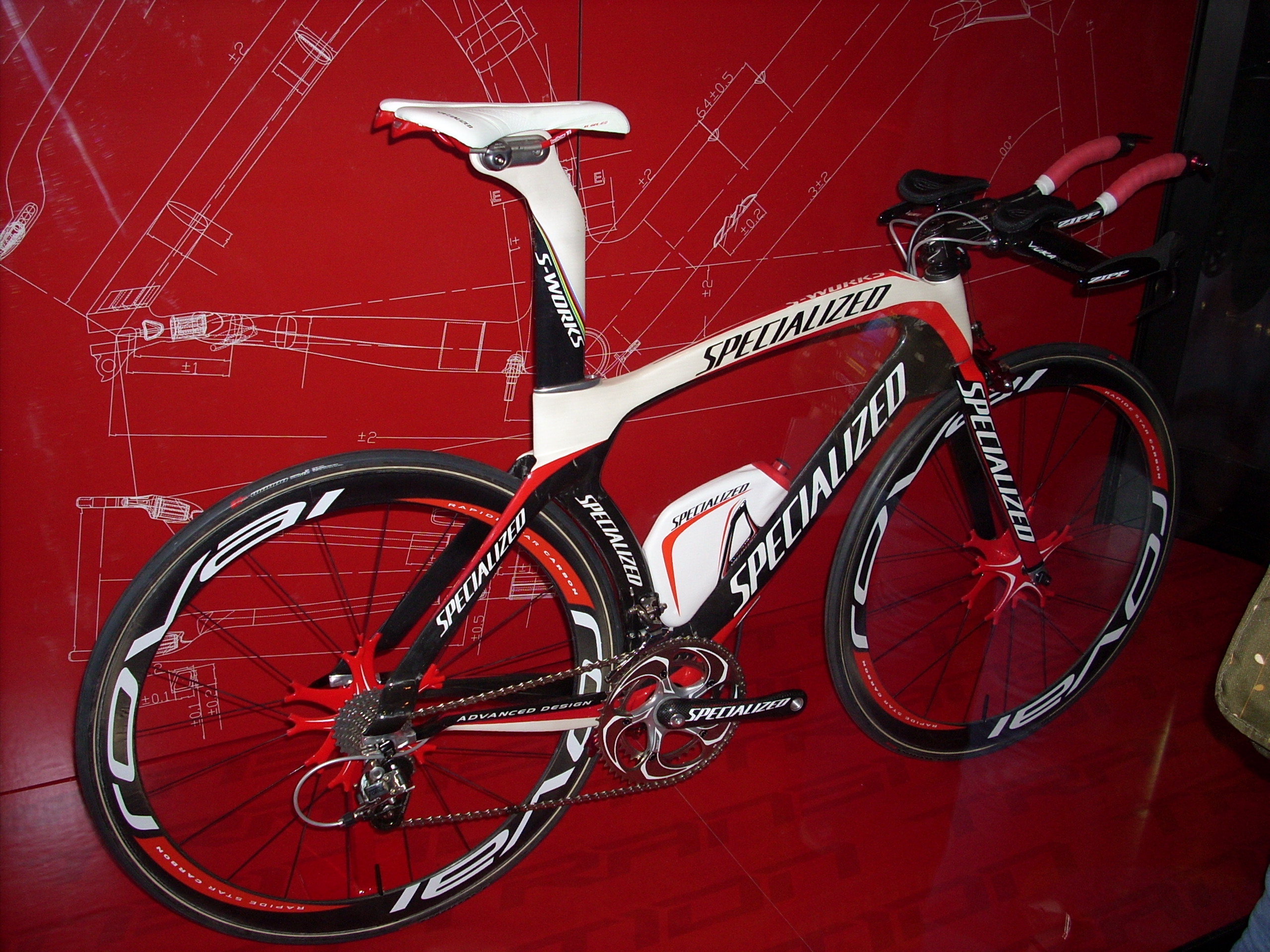
Materials matter a lot when asking why are road bike helmets so expensive. Basic helmets use EPS foam and a thin shell. Higher-end helmets use multi-density foam, reinforced ribs, or carbon fiber shells to cut weight and improve impact behavior. Many premium helmets include rotational-impact systems such as low-friction liners or proprietary technologies to reduce brain strain in angled impacts.
Certifications and testing add cost as well
- Compliance testing takes time and money to complete.
- Some helmets undergo extra lab tests for rotational forces or multiple-impact tolerance.
- Specialized materials require different molds and quality control steps.
From my experience, swapping to a helmet with advanced liner tech and better ventilation often raises the price but reduces weight and improves comfort on long rides. These benefits add up for frequent riders.
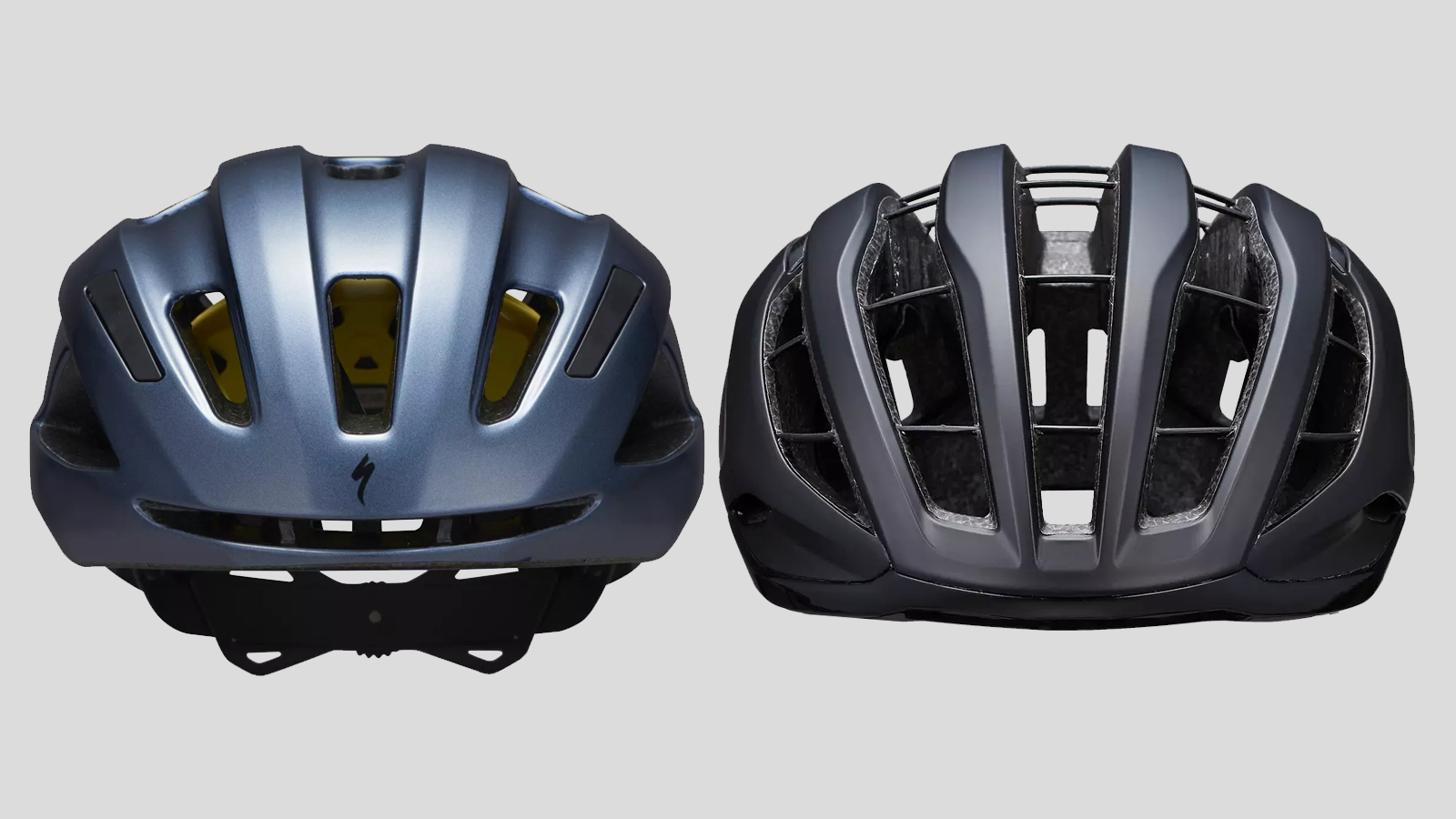
When you search why are road bike helmets so expensive you’ll see that design and R&D play a big role. Brands use wind-tunnel testing, computational fluid dynamics, and human fit studies to shape helmets. Pro-level designs may pass hundreds of virtual crash scenarios and dozens of physical impacts before production.
Testing and iteration costs
- Prototypes and wind-tunnel time are expensive.
- Crash testing requires specialized rigs and repeat trials.
- Tooling for precise molds can cost tens of thousands of dollars.
In a shop, I’ve watched teams iterate helmet designs over months. Each iteration improves comfort or safety but increases upfront costs that reflect in the retail price.
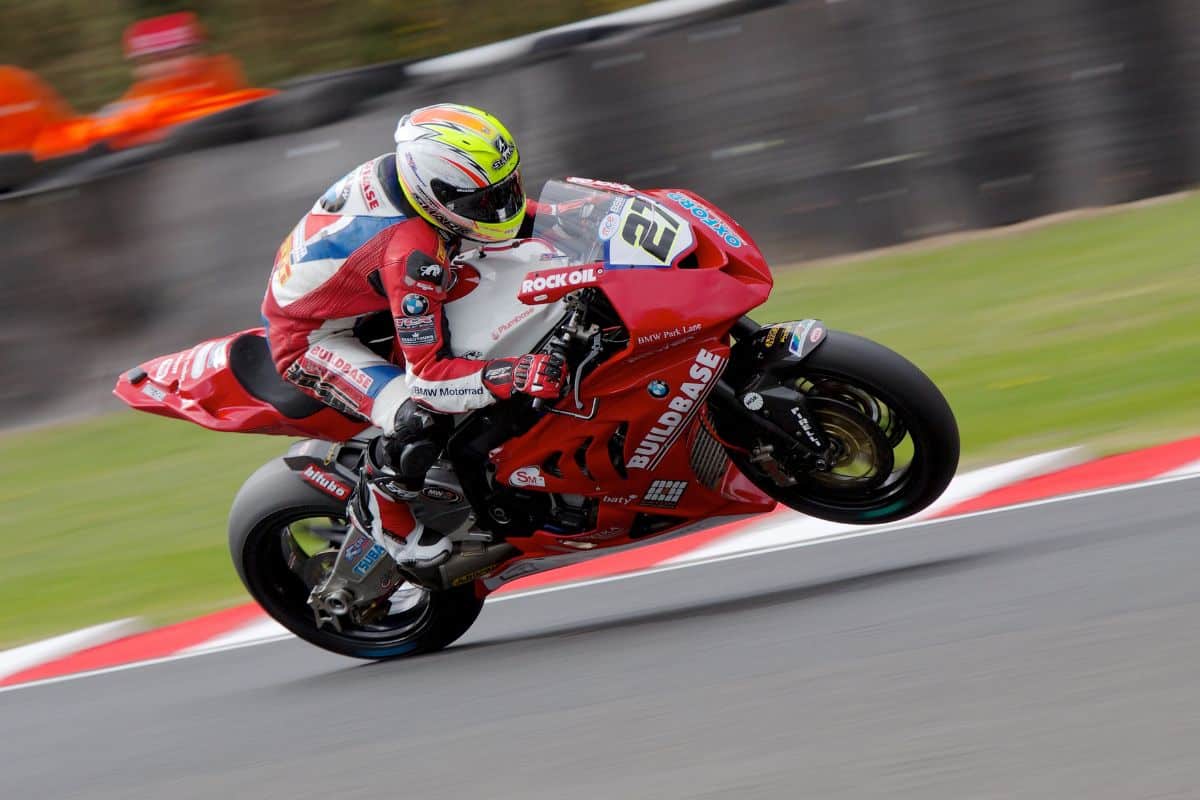
Aerodynamic gains are a major reason many cyclists ask why are road bike helmets so expensive. Time-trial and race-focused helmets use advanced shapes and internal channeling to lower drag. Testing for these gains requires wind tunnels and data analysis, which is costly.
Performance features often include
- Optimized shell shapes with CFD validation
- Internal channel designs that balance airflow and cooling
- Lightweight materials that reduce rider fatigue
If you race or ride fast, a lighter, aerodynamically tuned helmet can save energy. That small performance edge often comes at a premium price.

Brand, production scale, and supply chain factors
Brand reputation and production scale affect why are road bike helmets so expensive. Large brands may offset R&D with high volume, but premium lines often sell in smaller batches. Limited runs, high-end finishes, and celebrity or team sponsorships add marketing and production costs.
Other business costs that raise price
- Quality control and warranty support
- Import tariffs, shipping, and seasonal stock management
- Marketing deals, pro team sponsorships, and endorsements
From a retailer’s view, margins and after-sales support also matter. A well-supported helmet with a solid warranty often costs more but offers greater long-term value.

Are expensive helmets safer?
The question “why are road bike helmets so expensive” often implies cost equals safety. Basic helmets certified to standards protect from many impacts. Expensive helmets tend to offer better fit, lighter weight, improved comfort, and tech that may reduce rotational forces. Independent lab tests sometimes show small but meaningful differences in rotational force reduction.
Short practical takeaways
- Cheap certified helmets meet minimum protection standards.
- Costly helmets can provide extra protection in specific crash types and better retention systems.
- For many riders, fit and proper wear matter more than price alone.
I’ve seen riders switch to mid-tier helmets and feel safer and more comfortable, even when the raw safety numbers were similar.

How to choose the right road bike helmet
Choosing a helmet comes down to fit, features, and budget. Ask why are road bike helmets so expensive for the models you consider, and then decide which costs deliver real value for your riding style.
Steps to choose well
- Fit: Try multiple helmets. A correct fit is the top priority.
- Certification: Ensure compliance with your region’s safety standard.
- Tech: Look for rotational-impact tech and multi-density foam if you want extra protection.
- Ventilation: Choose based on climate and ride intensity.
- Weight vs comfort: Lighter helmets cost more but help on long climbs.
- Budget options: Good entry-level helmets exist; upgrade when you ride more often.
Personal tip: Buy a helmet in person when possible. I learned this after ordering online twice and returning helmets that fit poorly. A small extra cost for the right fit is worth it.

Frequently Asked Questions
Why do some road bike helmets cost over $300?
High-cost helmets often use premium materials, advanced safety tech, aerodynamic design, and extensive testing. Limited production and brand positioning also increase price.
Will an expensive helmet significantly reduce my injury risk?
An expensive helmet can reduce certain types of brain strain and offer better fit and retention, but any certified helmet gives substantial protection. Proper fit and replacing helmets after impact are key.
Are low-cost helmets safe for casual riders?
Yes, low-cost helmets that meet safety standards are safe for casual riding. They may lack extra tech or lighter weight but still provide core impact protection.
How often should I replace a road bike helmet?
Replace a helmet after any crash, or every 3–5 years if undamaged, depending on wear and exposure to sun and sweat. Foam degrades over time and can lose effectiveness.
Is MIPS or similar tech worth the extra money?
MIPS and similar systems aim to reduce rotational forces in angled impacts. They add cost but can provide an extra layer of protection, which many riders find worth the price.
Conclusion
Road bike helmets cost more when they use higher-grade materials, advanced safety tech, rigorous testing, and performance-driven design. Ask why are road bike helmets so expensive for each feature you don’t understand, and then match the helmet to your riding needs. My advice: prioritize fit and certified protection first, then evaluate features like weight, ventilation, and rotational tech based on how often and how fast you ride. Try helmets in person, set a sensible budget, and replace gear after impacts.
Take action today: try on a range of helmets at your local shop, note which features you value, and choose the best fit for your riding goals. Leave a comment or subscribe to learn more about gear that keeps you safe and comfortable on the road.
