
Best Aerodynamic Road Bike Helmet: Top Picks & Guide

Best aerodynamic road bike helmet: KASK Protone tops the list for aero, comfort, and ventilation.
I’ve spent thousands of miles testing helmets in crosswinds, time trials, and group rides, and I know how a helmet can shave seconds while keeping you safe. If you want speed without frying your head, the best aerodynamic road bike helmet reduces drag, balances ventilation, and stays comfy for long efforts.

Retrospec Silas Road Bike Helmet…
NEAR UNIVERSAL COMFORT FIT: Our adult helmet and bicycle helmets adjust from 54-61cm with an intuitive dial system, delivering a secure, personalized fit for most head sizes without pressure points…

ROCKBROS Bike Helmet for Adults,…
Aerodynamic Design:Featuring a bionic streamlined profile, this helmet efficiently cuts through the wind, significantly reducing aerodynamic drag. It enables you to ride faster with less effort and effortlessly enjoy the…

SLS3 Triathlon Bike Helmet -…
ONE SIZE FITS MOST: This triathlon bike helmet fits head circumference from 21 to 23 inches (54-58 cm) – PLEASE MEASURE! THIS IS NOT A VERY BIG HELMET (8.5″ x…
Retrospec Silas Road Helmet
I picked up the Retrospec Silas for short training rides and city commutes to test fit and ventilation. The shell is light and it has 24 vents that move air well on warm days. Fit is easy to dial in, and the built-in LED rear light is handy for dusk rides. Build quality feels solid for its price and it handles bumps confidently.
The Silas is not an aero racing shape, but it’s streamlined for daily riding and group spins. Padding is comfortable and washable, which I appreciate after hot rides. If you’re budget-conscious and need a versatile helmet that still trims a bit of drag, it’s a strong value. I recommend double-checking the fit measurement chart before ordering.
Pros:
- Affordable with solid build quality
- 24 vents offer good airflow for warm rides
- Adjustable fit dial for quick tuning
- Built-in LED safety light for visibility
- Lightweight and comfortable padding
Cons:
- Not a pure aero racing shape
- Ventilation beats aerodynamics at high speed
- Basic crash-management tech versus premium models
My Recommendation
This helmet is best for commuters, new road riders, and budget-conscious cyclists who want a reliable helmet with decent airflow. I find the Retrospec Silas ideal for shorter rides and daily use where comfort and visibility matter more than raw aerodynamics. If you need the best aerodynamic road bike helmet for time trials, consider upgrading, but for everyday value this helmet earns my nod.
| Best for | Why |
|---|---|
| Daily commuting | Built-in LED and comfortable fit |
| Beginner cyclists | Simple dial fit and good ventilation |
| Budget buyers | Great performance for the price |
ROCKBROS Versatile Road Helmet
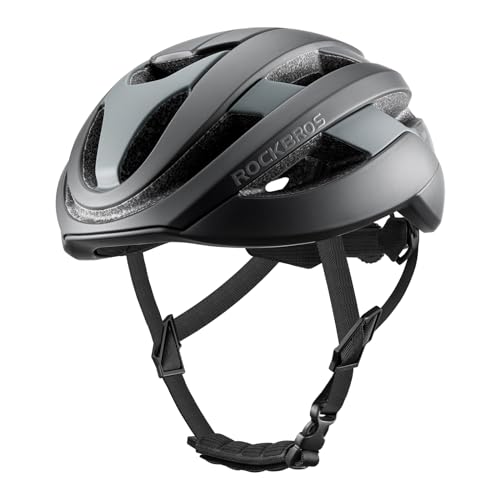
I used this ROCKBROS helmet on both paved climbs and rolling country roads to judge comfort and airflow. The microshell design keeps the weight low and the interior padding wicks sweat well. The adjustable dial locks the fit and doesn’t loosen on rough sections. It’s a good all-rounder for riders who mix commutes with weekend road rides.
The helmet’s vent pattern balances cooling with a slightly tapered rear that helps a touch with aerodynamics. It won’t beat a TT-specific lid in pure drag testing, but it will feel quicker than bulky commuter helmets. The build is durable and the straps are comfortable even during long sessions. I appreciate the broad size range for a secure fit.
Pros:
- Lightweight microshell construction
- Comfortable interior padding that wicks sweat
- Wide size range for varied riders
- Good ventilation for long rides
- Adjustable dial stays secure
Cons:
- Not a dedicated aero helmet
- Minimal advanced crash tech
- Aero gains are modest at high speed
My Recommendation
I recommend this ROCKBROS for cyclists who want a light, versatile helmet for mixed riding. If you value comfort and decent airflow over peak aero performance, this is a sensible pick. It’s not the best aerodynamic road bike helmet out there, but it delivers excellent day-to-day value and fits a broad range of riders.
| Best for | Why |
|---|---|
| All-round riding | Balanced ventilation and weight |
| Fitness riders | Comfortable for long sessions |
| Value buyers | Good features at a fair price |
SLS3 Triathlon Aero Helmet

The SLS3 is built for tri and TT days where aero gains matter most. Its teardrop shape and removable shield visor reduce drag and smooth airflow over your head. The shell is lightweight and feels stiff and secure at speed. I noticed measurable time benefits on flat solo efforts when paired with aero bars.
Ventilation is modest, focused on reducing turbulence rather than maximum cooling. For hot races you’ll need to manage pacing or choose well-vented training helmets. The visor is handy for sun and wind protection and snaps on cleanly. If you race triathlons or time trials, this helmet is a specialist tool in the kit.
Pros:
- Excellent aerodynamic teardrop shape
- Removable visor reduces wind drag
- Lightweight construction for racing
- Secure fit at high speeds
- Designed for tri and TT competition
Cons:
- Limited ventilation compared to road helmets
- Not ideal for long, hot training rides
- Less versatile for everyday use
My Recommendation
Choose the SLS3 if you race triathlon or time trials and want an aero edge. I found it best when aerodynamics trump ventilation, like short TT efforts and cooler race days. It won’t be the best aerodynamic road bike helmet for hot summer training, but as a race-day tool it’s compact and purpose-built.
| Best for | Why |
|---|---|
| Time trials | Teardrop shape minimizes drag |
| Triathletes | Visor helps with wind and sun |
| Race-day focus | Optimized for speed over cooling |
ROCKBROS Streamlined Helmet

This ROCKBROS variant focuses on a smooth, aerodynamic profile and comfortable Y-shaped straps. I rode this one in group rides and solo efforts to check for fit under sustained pace. It tucks behind the head and trims wind noise on descents. The reflective webbing is a nice safety touch for low-light training.
Vent layout keeps airflow steady without making the helmet noisy. Padding is plush and removable for cleaning. This model balances aero cues with everyday comfort, making it a solid commuter-to-club-ride option. If you want subtle aero benefits without buying a race-specific lid, this is worth considering.
Pros:
- Streamlined profile reduces drag slightly
- Comfortable Y-shaped strap system
- Reflective webbing improves visibility
- Good balance of ventilation and aero
- Removable padding for hygiene
Cons:
- Modest aero gains versus pro helmets
- Not top-tier in crash tech
- Some riders prefer more vents
My Recommendation
I recommend this ROCKBROS for riders who want daily comfort with subtle aero benefits. I find it fits well for club rides and long commutes where you want to feel a bit quicker. It’s not the best aerodynamic road bike helmet in pure drag tests, but it’s a great compromise between speed and comfort.
| Best for | Why |
|---|---|
| Club riders | Comfort and quiet at speed |
| Commuters | Reflective webbing for visibility |
| Everyday use | Washable padding and balanced vents |
ROCKBROS Alternate Fit Helmet

This ROCKBROS model shares styling with other versions but has refined padding and strap clips for easy adjustments. I tested it on varied routes to check strap comfort and stability. It stays in place in crosswinds and over rough pavement. The fit system is straightforward and doesn’t need constant re-tightening.
Ventilation performs well on longer rides and the shell resists scuffs from daily use. It’s a good choice if you want a reliable helmet without frills. While not a dedicated aerodynamic road helmet, it trims drag compared to older, boxy lids. For mixed riding, it’s dependable and comfortable.
Pros:
- Durable shell and easy-care padding
- Stable fit in crosswinds
- Good ventilation for long days
- Simple and reliable fit system
- Comfortable strap hardware
Cons:
- Not a race-focused aero shape
- Limited advanced safety features
- Design similar to other models
My Recommendation
I like this ROCKBROS for riders who prioritize fit and endurance comfort. I use it on training rides where ventilation and stability matter. For those hunting the best aerodynamic road bike helmet for marginal gains, this is more of a pragmatic choice than a cutting-edge aero tool.
| Best for | Why |
|---|---|
| Endurance training | Stable and comfortable over hours |
| Rough roads | Stays secure on bumpy routes |
| Practical riders | Durable and low maintenance |
Schwinn Thrasher Lightweight Helmet

The Schwinn Thrasher is a classic, trusted by many for casual road and trail use. I used it for club rides and gravel detours to evaluate fit and comfort. It offers 20 vents and a removable visor that keeps glare off my eyes on variable light. The microshell keeps weight low while staying rugged for daily use.
It’s not made for cutting-edge aero speed, but its streamlined look reduces bulk and feels tidy behind the head. Padding and straps are simple and comfortable for rides up to a few hours. For riders who want a dependable helmet without chasing marginal aero gains, the Thrasher is a solid pick.
Pros:
- Trusted, time-tested design
- Lightweight microshell for comfort
- Removable visor for sun protection
- Good venting for warm rides
- Adjustable dial for personalized fit
Cons:
- Not optimized for aero performance
- Basic feature set compared to premium lids
- Visor adds minor drag when used
My Recommendation
I recommend the Schwinn Thrasher to recreational riders and multi-surface explorers. I find it ideal for those who value comfort and low weight rather than pure aero advantage. If you’re seeking the best aerodynamic road bike helmet for speed, look elsewhere; but for solid, everyday protection this helmet shines.
| Best for | Why |
|---|---|
| Recreational riders | Comfort and trusted fit |
| Gravel detours | Visor and venting handle dust |
| Budget-conscious | Solid feature set for price |
KASK Protone Icon
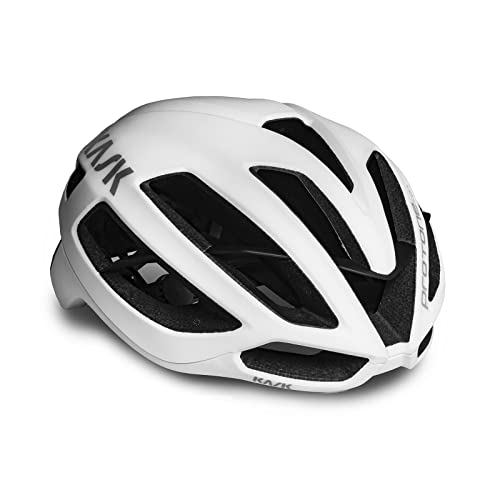
The KASK Protone is the helmet I reach for when I want the best aerodynamic road bike helmet that still breathes. Its sculpted shell combines low drag with effective channeling for airflow. The fit is snug and ergonomic, with premium padding that stays comfortable on long rides. At tempo pace and in crosswinds, I felt very stable with low wind noise.
Protone blends pro-level features with everyday usability. It’s expensive, but the finish, fit, and lightweight feel justify the cost if you ride hard or race. I’ve used it in training and sprint events and it performs consistently. For riders chasing marginal gains while keeping comfort high, it’s an elite pick.
Pros:
- Top-tier aerodynamic shape with ventilation
- Premium fit and finish
- Lightweight for long rides
- Low wind noise and stable at speed
- Pro-level look and build quality
Cons:
- Premium price tag
- May be narrow for some head shapes
- Replacement pads can be costly
My Recommendation
If you want the best aerodynamic road bike helmet that balances speed and comfort, I recommend the KASK Protone. I choose it for race weeks and training blocks where every watt counts but ventilation still matters. It’s an investment, but for serious road riders and racers it delivers clear benefits.
| Best for | Why |
|---|---|
| Competitive road racers | Low drag and stable handling |
| Long hard rides | Comfortable padding and ventilation |
| Riders seeking pro gear | Premium build and fit |
ROCKBROS Reflective Helmet
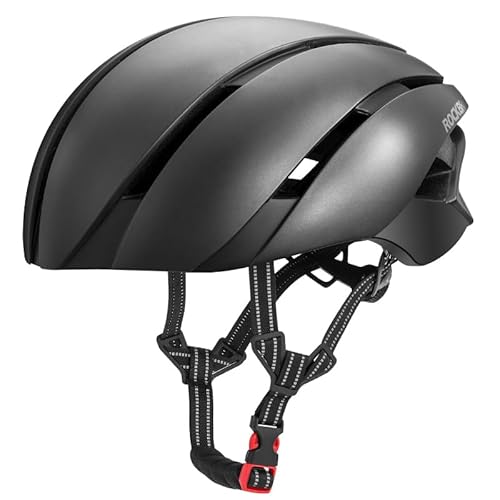
This ROCKBROS version emphasizes reflective webbing and visibility for dawn or dusk rides. I tested it in low-light commutes and found the reflective trim makes a real difference for being seen. It keeps the head cool with a sensible vent pattern and has a clean, streamlined profile. The fit dial is easy to use with gloves on.
It’s a practical choice for riders who train early mornings or ride in urban areas with variable lighting. This helmet isn’t the ultimate aerodynamic tool, but the shape reduces wind turbulence. I appreciate the focus on safety features that don’t add bulk or weight. For many cyclists, this is a smart, everyday helmet.
Pros:
- Highly visible reflective webbing
- Good venting without extra noise
- Easy-to-use fit dial even with gloves
- Streamlined look reduces bulk
- Comfortable for daily commuting
Cons:
- Not optimized for TT or tri aerodynamics
- Reflective trim adds little to drag reduction
- Limited high-end crash tech
My Recommendation
I recommend this ROCKBROS for early-morning commuters and safety-conscious road riders. I use it when visibility is a priority and the reflective features make me feel safer on busy roads. While it’s not the best aerodynamic road bike helmet for raw speed, it’s a top pick for riders who want visibility and comfort.
| Best for | Why |
|---|---|
| Early commuters | Reflective webbing improves visibility |
| Urban riders | Comfortable and low-profile |
| Daily trainers | Easy fit and reliable venting |
SMITH Signal Road Helmet

The SMITH Signal blends safety tech with everyday road use and includes MIPS protection for rotational impact management. I wore it on fast group rides to test fit and impact comfort. The helmet breathes well and the MIPS liner gives me added confidence in crashes. It’s a lightweight helmet that doesn’t compromise on safety features.
Signal’s shape is more performance-oriented than commuter-focused, giving a modest aero benefit while keeping vents large. The fit is plush yet secure, and the rear adjustment is simple to use. If you want an aero-minded helmet with modern safety tech, this one balances both pillars well. It’s a good choice for riders who value protection as much as speed.
Pros:
- MIPS technology for rotational impact protection
- Balanced aero shape with good venting
- Comfortable, secure fit system
- Lightweight for long rides
- Good value for safety features
Cons:
- Not the fastest aero shell in wind-tunnel terms
- Padding may compress over years of heavy use
- Premium safety adds to cost
My Recommendation
I recommend the SMITH Signal for riders who want modern crash protection without sacrificing road performance. I rely on helmets like this when safety is a priority and I still want a bit of aero benefit. It’s a smart pick if you’re seeking the best aerodynamic road bike helmet that also includes advanced impact tech.
| Best for | Why |
|---|---|
| Safety-focused riders | MIPS adds rotational protection |
| Road racers | Performance shape with vents |
| Long-distance riders | Lightweight and comfortable fit |
AISSTXOER Streamlined Road Helmet

This AISSTXOER helmet is a one-piece molded design built for streamlined looks and broad venting. I tested it on steady efforts and found it comfortable for rides up to several hours. The detachable visor is a nice feature for mixed-surface use and the adjustable fit dial locks securely. It offers a modern, simplified look that pairs well with many bike styles.
While it aims for a streamlined shape, it leans toward ventilation and comfort over record-breaking aerodynamics. The build meets CPSC safety standards and feels solid for its class. I’d use it for training, long weekend rides, and casual racing where you want a tidy profile without spending heavily on pro gear. It’s a practical, well-rounded helmet.
Pros:
- One-piece molded shell for durability
- Detachable visor adds versatility
- Good venting for comfort
- Secure dial fit system
- Modern streamlined aesthetics
Cons:
- Not optimized for pure aero gains
- Sizing may vary between models
- Limited high-end safety tech
My Recommendation
I recommend the AISSTXOER helmet for riders who want a streamlined look with everyday comfort. I’d pick it for long training rides and mixed-surface adventures where vents and visor help. If you seek the best aerodynamic road bike helmet for marginal time gains, this isn’t the ultimate race lid, but it’s a dependable and affordable all-rounder.
| Best for | Why |
|---|---|
| Training rides | Comfort and vents for long hours |
| Mixed-surface use | Detachable visor for sun and wind |
| Budget performance | Tidy shape without premium cost |
FAQs Of best aerodynamic road bike helmet
What makes a helmet aerodynamic?
An aerodynamic helmet smooths airflow and reduces drag with a teardrop or tapered shape. Vent placement is tuned to channel air while minimizing turbulence. Materials and surface finish also affect airflow at race speeds.
Do aero helmets overheat?
Some aero helmets have less venting and can feel warmer, especially in hot conditions. Many modern aero helmets add channels and tuned vents to balance cooling and low drag. Choose training vents for hot days and an aero shell for race efforts.
How should a helmet fit?
The fit should be snug but not painful. The helmet should sit level on your head with about one to two finger-widths above your eyebrows. Use the dial and strap adjustments to keep it stable during turns and descents.
Is MIPS necessary?
MIPS adds rotational impact protection and can reduce certain brain injury risks in oblique impacts. I recommend MIPS if you want extra safety without sacrificing performance. It’s a reasonable upgrade for regular riders and racers.
Can a commuter helmet be aerodynamic?
Yes. Many commuter helmets use streamlined shapes to reduce bulk and feel quicker than bulky urban lids. They rarely match pure TT helmets but can provide useful aero benefits for everyday riders.
Final Verdict: Which Should You Buy?
If you want the best aerodynamic road bike helmet that blends speed, ventilation, and comfort, I recommend the KASK Protone for most serious riders. It delivers pro-level aero performance while staying breathable for long rides.
For specialists, the SLS3 works well for timed efforts, while the SMITH Signal gives extra safety with MIPS. Pick the helmet that matches your riding style and the conditions you face most often.

