
What Are The Best Road Bike Helmets: Top Picks 2026

The best road bike helmets blend top safety, light weight, and great fit for fast, long rides.
I have spent years testing helmets on group rides, training loops, and long climbs. This guide explains what are the best road bike helmets with clear picks, safety notes, fitting tips, and real-life advice. Read on to find the right helmet for your ride, skill level, and budget.
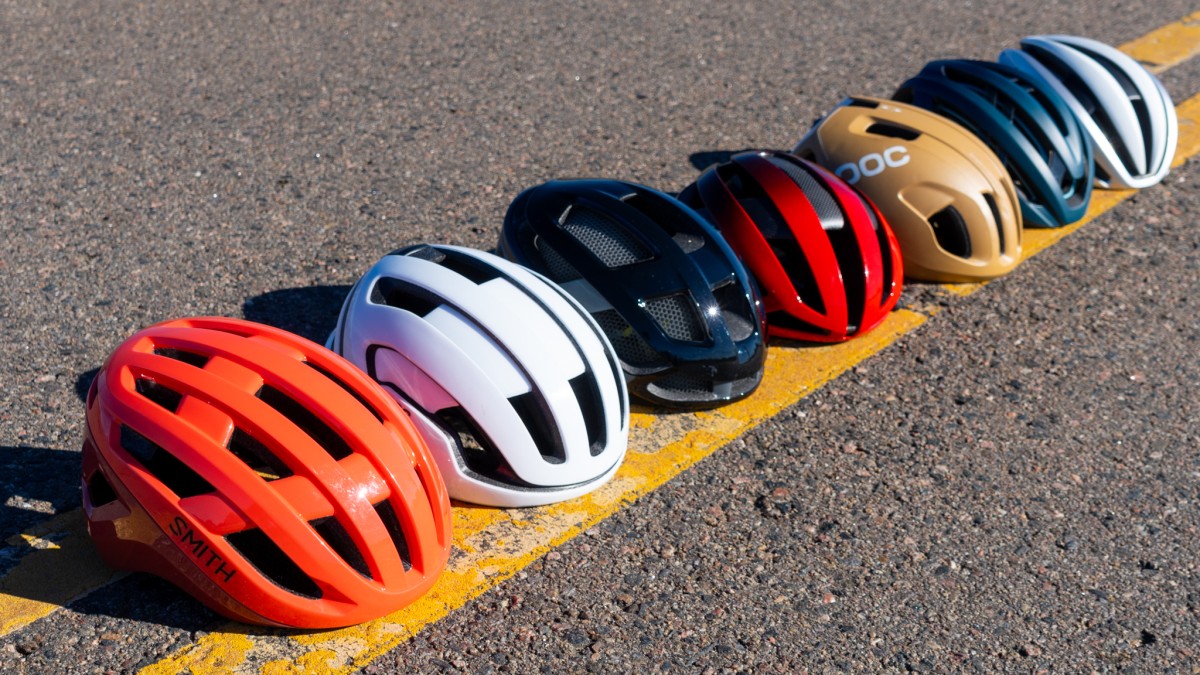
What are the best road bike helmets: categories and top models
Road riders want helmets that protect, breathe, and fit. When asking what are the best road bike helmets you need to pick by category. Below I list the main categories and strong models to consider.
- Aero helmets for speed
- MET Trenta 3K — great ventilation for an aero shape.
- Giro Vanquish — very fast and well-ventilated.
- Lightweight helmets for climbing and long rides
- POC Ventral Air SPIN — light and very breathable.
- KASK Protone — light, snug, and comfortable.
- All-round performance helmets
- Specialized S-Works Prevail — balanced for racing and comfort.
- Bontrager Velocis MIPS — solid fit and safety tech.
- Budget helmets that still protect
- Bell Z20 MIPS — good features with budget sense.
- Smith Signal MIPS — value and fit for everyday riders.
- Commuter and visibility-focused helmets
- Lazer Compact or Thousand Chapter — built-in lights and simple design.
- High-tech safety helmets
- Giro Aether MIPS — dual-layer protection and proven impact tech.
Each helmet above answers part of the question of what are the best road bike helmets depending on need. I picked models with strong safety measures, good fit systems, and user feedback.

How to choose what are the best road bike helmets for you
Choosing a helmet comes down to five main points. Use these to decide which of the helmets above fits you best.
- Safety standards
- Look for CPSC, CE, or AS/NZS certification depending on your country.
- Impact protection features
- MIPS or similar low-rotation tech helps in angled impacts.
- Fit and retention
- A good dial system and stable straps keep the helmet in place.
- Ventilation and weight
- More vents and lower weight help on long or hot rides.
- Price and intended use
- Racing, training, or commuting demands different features.
PAA-style question: Do I need MIPS in a road helmet?
Yes. MIPS or similar systems reduce rotational forces in many crashes. It is not a guarantee, but it adds a layer of safety.
PAA-style question: Should I prioritize weight or ventilation?
Balance both. Lighter helmets are fine for climbs, but good ventilation prevents overheating on long rides. Pick based on where you ride most.

Fit, safety rules, and how to test a helmet
A helmet only works if it fits. Follow these simple steps and tips.
- Measure your head
- Use a tape measure around the widest part of your head above the eyebrows.
- Fit the helmet
- The helmet should sit level and low on your forehead. It should not tilt back.
- Adjust straps and dial
- Side straps form a V under the ear. Tighten the chin strap so you can fit two fingers under it.
- Shake test
- Move your head quickly. The helmet should not move more than an inch.
- After a crash
- Replace the helmet after any impact that cracks or dents the foam.
Safety standards to watch
- CPSC: required in the U.S.
- CE EN1078: common in Europe.
- AS/NZS 2063: Australia/New Zealand.
These standards test helmets for basic crash protection. Extra features like MIPS add protection in angled impacts.
Maintenance, lifespan, and when to replace a helmet
A helmet needs care. It also has a limited life.
- Clean and dry
- Use mild soap and water. Avoid strong solvents that damage foam.
- Replace after impact
- Any significant crash means replace the helmet right away.
- Replace with age
- Most makers recommend replacing after 3 to 5 years even without a crash.
- Avoid sun and heat
- Prolonged UV and high heat can weaken the foam and straps.
- Check straps and pads
- Replace worn pads and frayed straps when needed.
Keeping a log of when you bought the helmet helps you remember the lifespan. This answers the safety part of what are the best road bike helmets over time.

My experience, mistakes, and real-life tips
I test helmets on long climbs, group rides, and training days. Here are what I learned.
- Test in person first
- Trying a helmet on in a shop helps you feel the fit and padding.
- Don’t buy purely by weight
- I once chose an ultra-light helmet that gave poor venting on hot days. I returned it.
- Spend more on fit and safety features
- A comfortable fit keeps the helmet on properly in crashes.
- Beware of used helmets
- Used helmets may hide past impacts. I advise buying new.
- Small investments matter
- Good pads and a steady retention dial make a helmet feel premium.
These lessons help you answer what are the best road bike helmets practically, not just on paper.
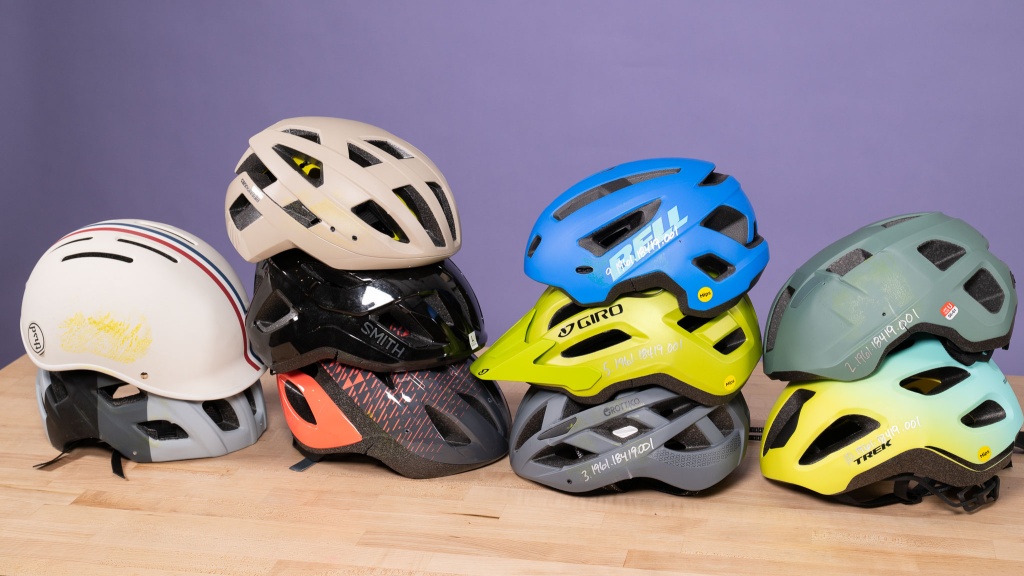
Top picks and quick buying guide
If you want short recommendations, here are my top picks by rider type.
- For racers and fast group riders
- Giro Vanquish — aero, light, and ventilated.
- For climbers and long rides
- KASK Protone — snug, light, and breathable.
- For safety-focused riders
- Giro Aether MIPS — dual-shell design and MIPS.
- For value and everyday use
- Bell Z20 MIPS — solid protection for the price.
- For commuters and urban riders
- Thousand Chapter — good looks and built-in lights.
Use fit, budget, and intended rides to pick the best model for you. Remember the core question: what are the best road bike helmets? The answer depends on your priorities. Safety and fit come first.
Frequently Asked Questions of what are the best road bike helmets
What level of protection should I look for in a road helmet?
Look for current safety standards like CPSC or CE. Prefer helmets with rotational impact protection such as MIPS for extra safety.
How should a road helmet fit on my head?
The helmet should sit level and low across your forehead. Tighten the dial so it feels snug but comfy and secure.
Are more vents always better for road helmets?
More vents usually mean better airflow, but vent design matters. Some aero helmets find a balance between speed and cooling.
How often should I replace my road helmet?
Replace after any crash or roughly every 3 to 5 years from first use. Heat and sunlight can reduce protection over time.
Can I wear a road helmet for commuting and racing?
Yes. Choose a helmet based on priorities: ventilation and lightness for racing, visibility and comfort for commuting.
Conclusion
Choosing what are the best road bike helmets means balancing safety, fit, and the type of riding you do. Pick a certified helmet with solid fit features and replace it after impact or after a few years. Try helmets in person when you can, and choose one that keeps you cool and confident on the road. Take action now: try on two top picks, measure your head, and choose the helmet that feels right for your rides. Leave a comment with your helmet pick or questions, or subscribe for more gear reviews and riding tips.
