
Are Dirt Bike Helmets Road Legal: What Riders Need To Know

Most dirt bike helmets are not road legal unless they meet specific street helmet standards.
I write about helmets and road rules from years of riding and testing gear. This article explains whether are dirt bike helmets road legal, how the rules work, and what to check before you ride on pavement. Read on for clear facts, real-world tips, and easy steps to stay safe and legal.
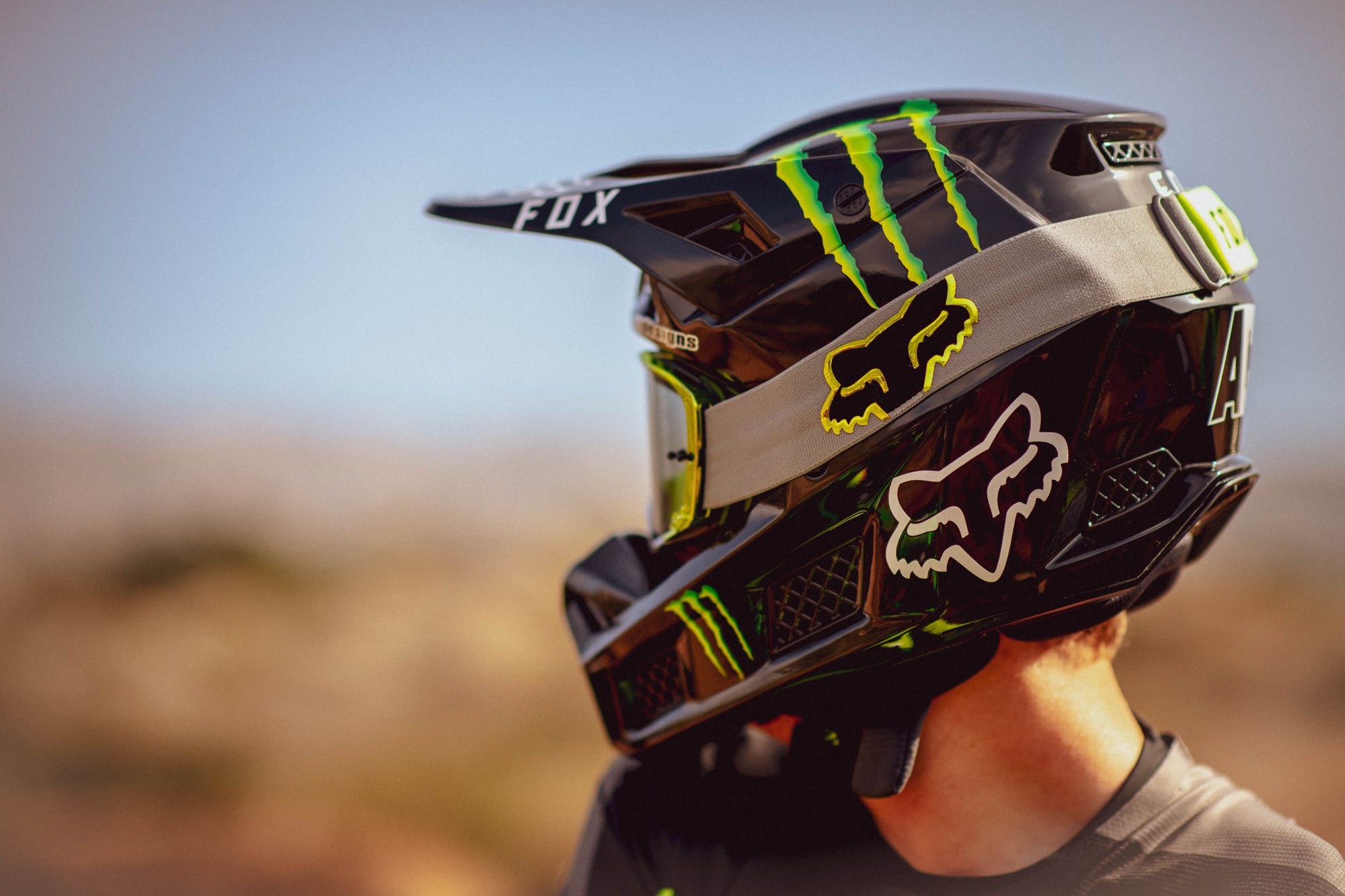
Are dirt bike helmets road legal? What the phrase means
When people ask are dirt bike helmets road legal they want a simple, legal answer. The short fact is that most motocross-style helmets are built for off-road use and do not meet road-legal standards. Road legal means meeting safety standards that regulators require for on-street use. These rules check impact protection, retention systems, and face coverage.
Why this matters: riding a non-road-legal helmet on public streets can be unsafe and illegal. It can also void insurance or lead to fines. Knowing whether are dirt bike helmets road legal helps you pick the right helmet for mixed riding.
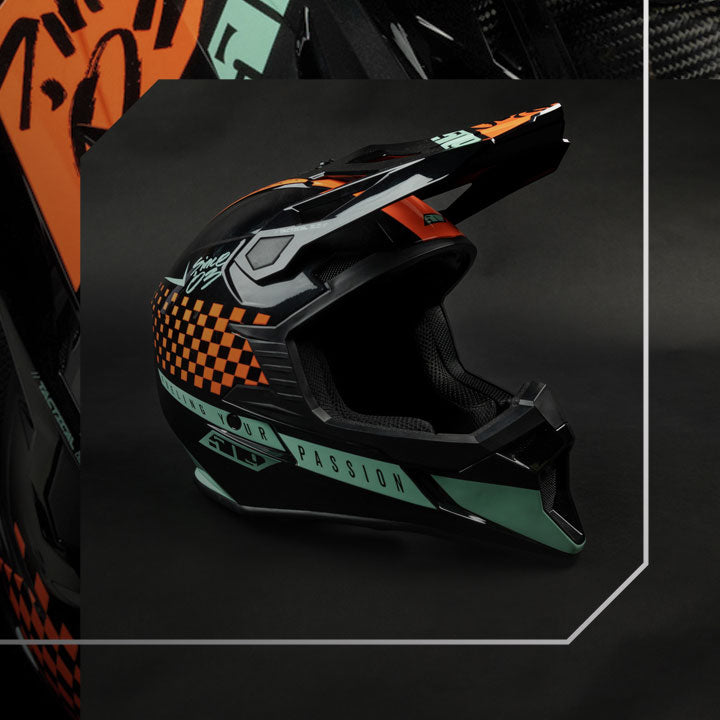
Helmet standards that determine if a helmet is road legal
Standards control whether are dirt bike helmets road legal. Look for these key certifications.
- DOT FMVSS 218: U.S. federal standard for motorcycle helmets. DOT stickers mean the helmet was built to U.S. impact and retention tests.
- ECE 22.06: Common European standard and widely accepted worldwide. It is strict on testing and manufacturing traceability.
- Snell: Voluntary, more rigorous lab testing. Often used in racing contexts.
- Local or state marks: Some states or countries have extra rules or recognized marks.
A motocross or dirt bike helmet may lack a DOT or ECE sticker. That absence usually means it is not road legal. If your helmet shows a matching certification, then are dirt bike helmets road legal in that case.
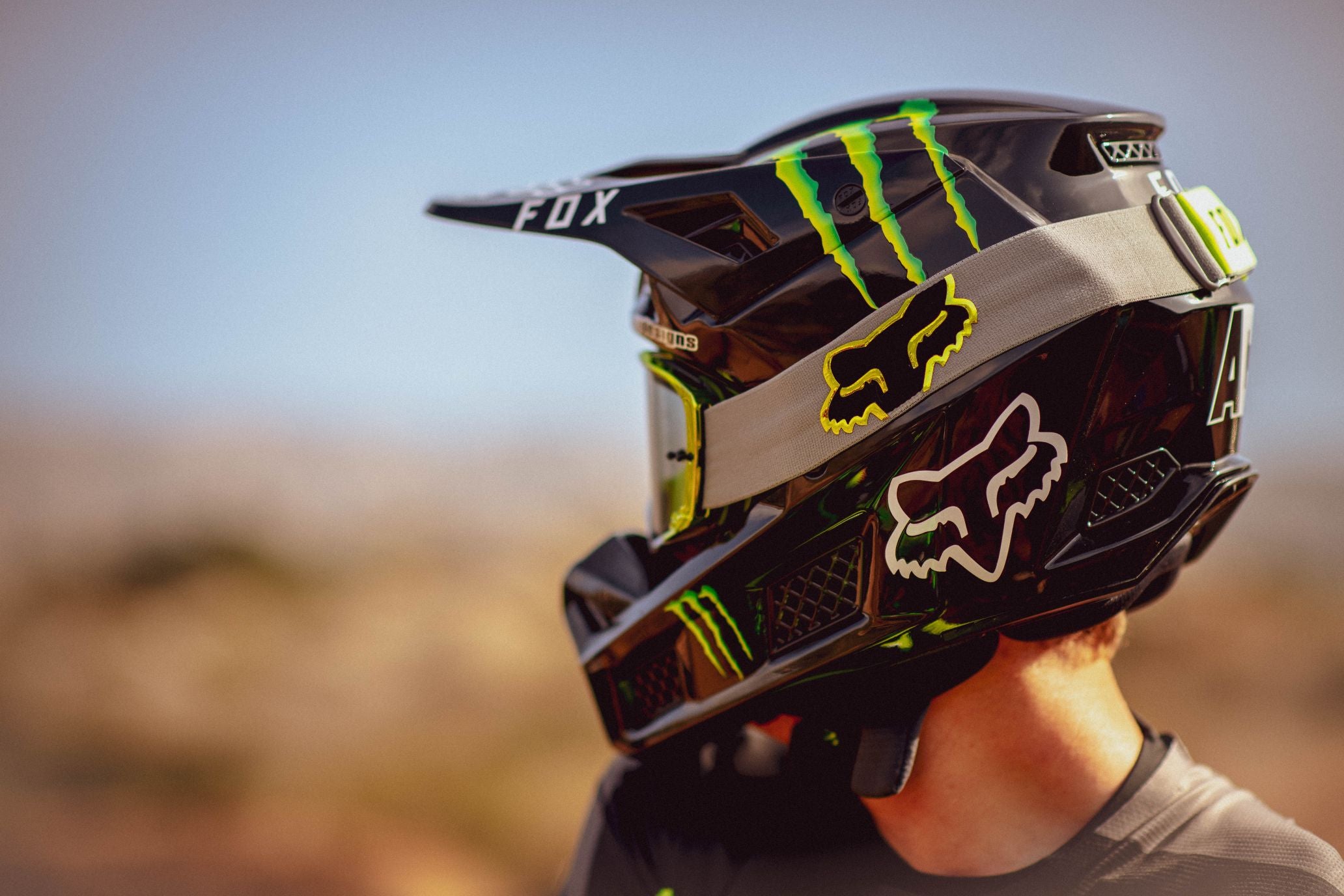
Why many dirt bike helmets fail road-legal tests
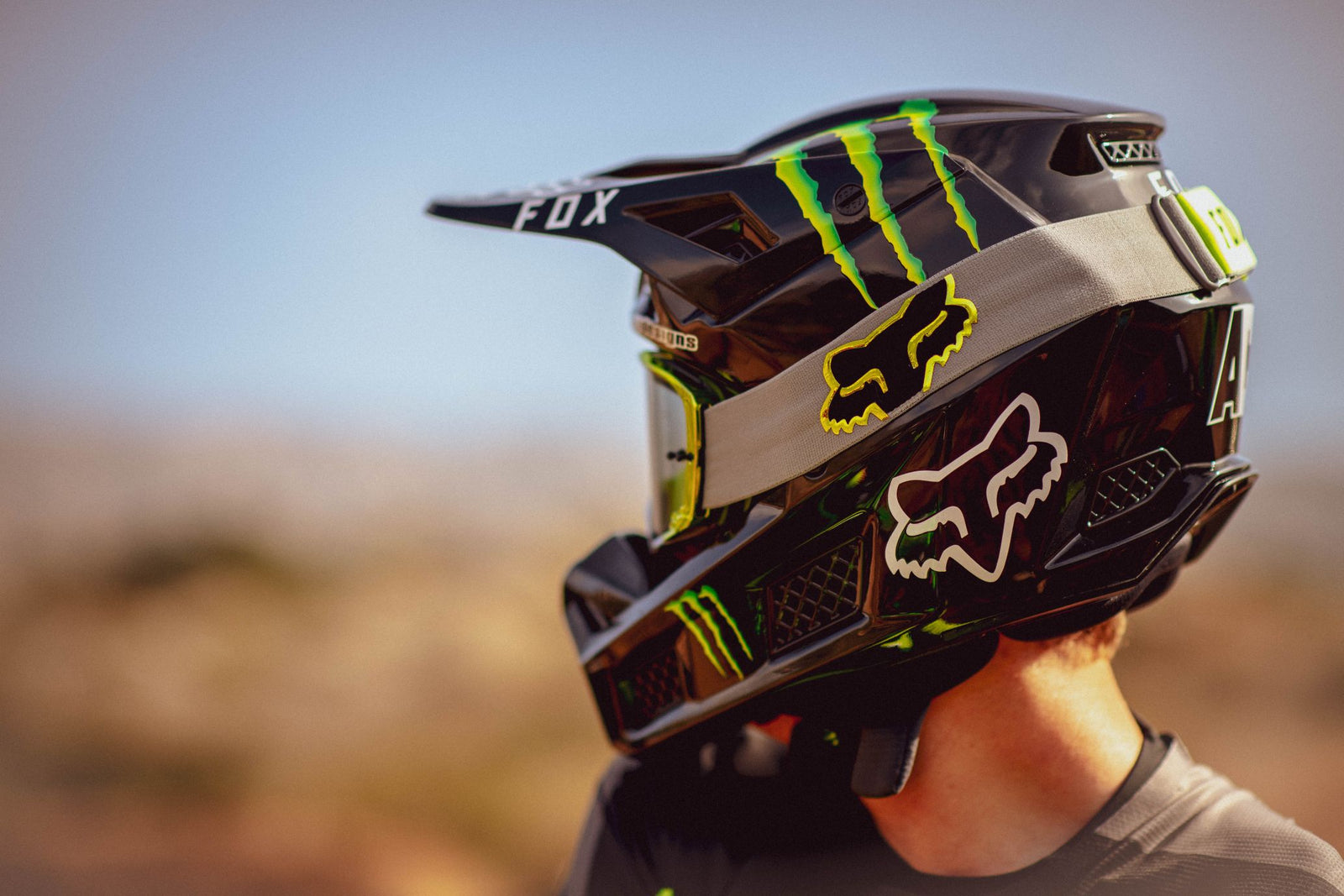
Understanding why are dirt bike helmets road legal or not starts with design goals. Dirt helmets focus on light weight and airflow. They also have big vents and open face areas to use goggles. Road helmets focus on crash patterns likely on pavement and include full-face shields.
Common limitations of dirt bike helmets:
- No DOT or ECE label: missing certification equals not road legal.
- Open face and goggles: shields are required in some places for street use.
- Venting and shell shape: designed for low-speed impacts typical of off-road crashes, not high-speed road impacts.
- No reflective surfaces or street-legal visors: affects visibility and compliance.
These design choices explain why are dirt bike helmets road legal only in some modified or certified models.

Laws vary by state and country — check local rules
Whether are dirt bike helmets road legal depends on where you ride. Laws differ a lot. Here are short notes for clarity.
- United States: Federal standards exist, but states set helmet laws for riders and passengers. Some states require DOT-certified helmets for all riders.
- Europe: ECE is the common standard and accepted across many countries for road use.
- Other countries: Many recognize ECE or local equivalents. Always check local transport authority rules.
Practical tip: call or check your state DMV or transport website before riding. Describe your helmet and ask. I once rode across three states and confirmed rules by phone to avoid a ticket.

How to tell if your dirt bike helmet is road legal
If you want to know are dirt bike helmets road legal for your helmet, inspect it step by step.
- Look for a certification label inside the rear or under the liner. Common marks are DOT, ECE, or Snell.
- Check for a full-face shield or legal visor. Some states require a face shield for street riding.
- Confirm the helmet’s model is listed by the manufacturer as certified for street use.
- Read the user manual or spec sheet; it usually lists standards met.
If you don’t find a label or proof, assume the helmet is not road legal. Riding with an uncertified helmet risks fines and safety performance shortfalls.

Can you modify a dirt bike helmet to become road legal?
People often ask if simple changes make a helmet road legal. The honest answer is usually no. Certification is about construction and testing done in factories.
- Adding a DOT sticker yourself has no legal weight and is illegal in many places.
- Replacing a visor may help visibility, but won’t change structural test results.
- Some manufacturers sell dual-sport helmets designed for both off-road and street. Those may meet road-legal standards out of the box.
If you need a legal helmet, buy one certified for road use. I once tried adding a street visor to a motocross helmet; it still failed the fit and legal checks during inspection.
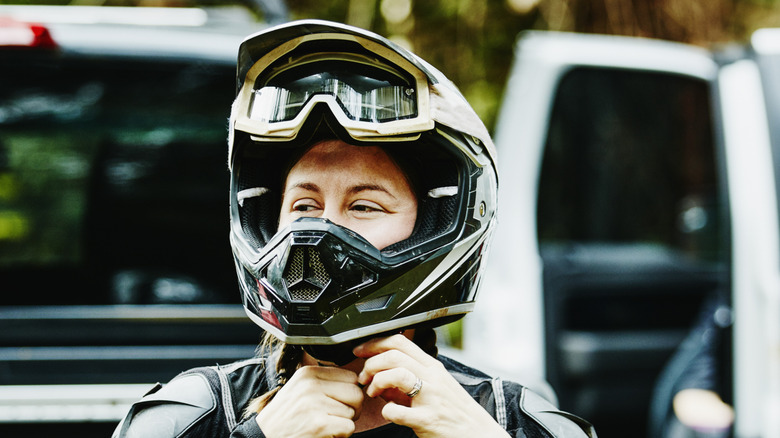
Choosing the right helmet when you do both trail and street riding
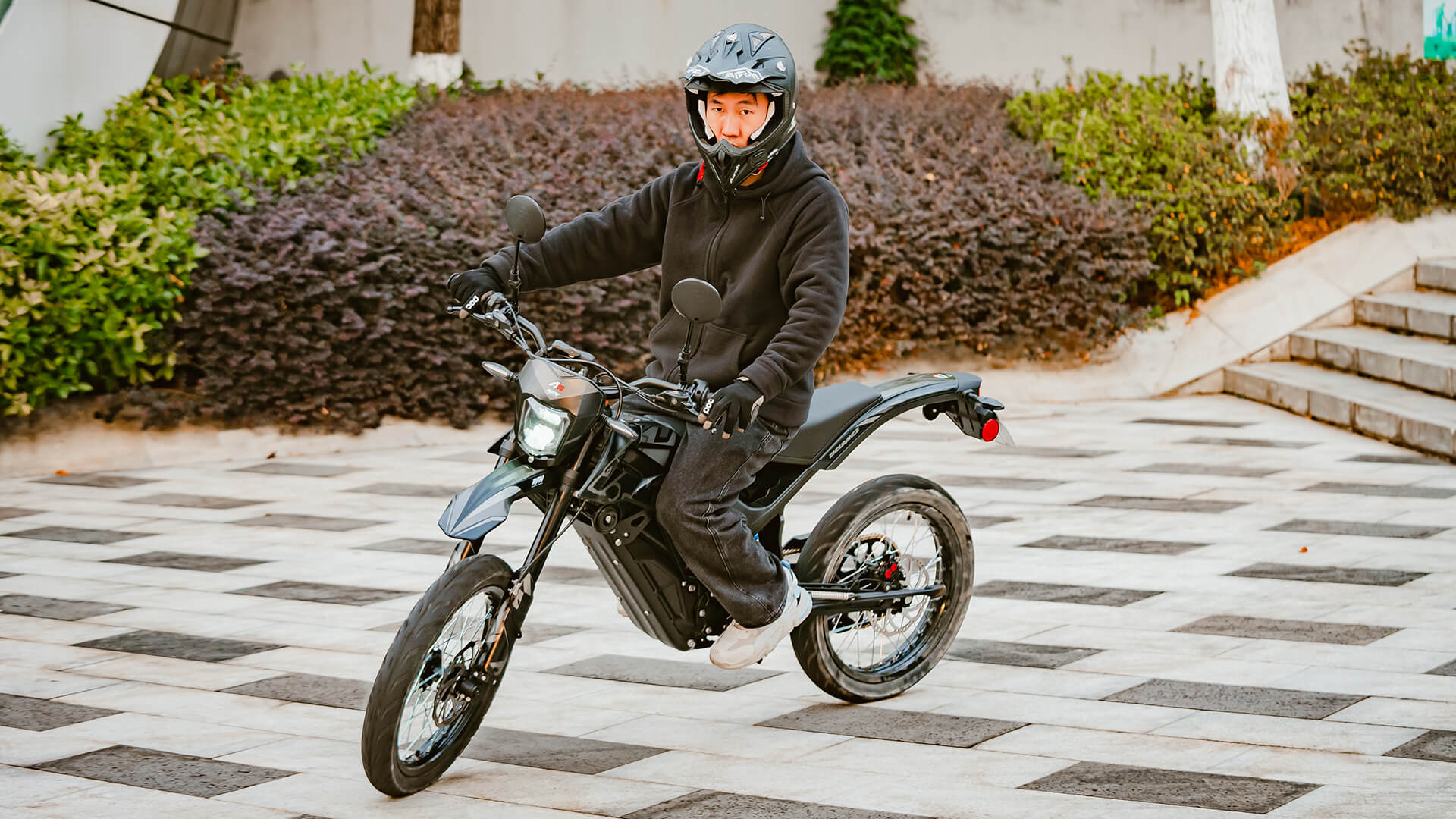
If you ride both trails and streets, pick a dual-sport or adventure helmet built to be road legal. Key things to check:
- Certification: DOT or ECE label present.
- Shield: built-in visor or face shield for wind and debris.
- Venting: good airflow for trails but seals well at speed.
- Fit and comfort: same fit rules apply for both uses.
- Extras: reflective panels, removable liners, MIPS or other rotational protection.
Buying tip: try helmets with and without goggles. A dual-sport helmet often balances ventilation with certification. I tested three dual-sport helmets and kept the one with a good road seal and DOT sticker.
Practical tips and mistakes to avoid
Short, useful actions to apply now.
- Always check the label before buying or riding.
- Avoid aftermarket stickers claiming certification.
- Keep your helmet in good repair; cracks void protection.
- Replace helmets after serious impact or every 5–7 years.
- Carry proof of helmet certification if local officers ask.
From experience, riders often buy a cool-looking off-road helmet and assume it’s legal. Always verify before you ride on public roads.
People Also Ask — quick answers (PAA-style)
Can a motocross helmet be DOT certified?
Yes. Some motocross-style helmets are made to DOT or ECE standards. Check the manufacturer’s specs and the internal certification label.
Do I need a full-face helmet to be road legal?
Not always. Many jurisdictions accept open-face helmets if they are DOT or ECE certified. Rules vary by place and rider age.
Are stickers enough to make a helmet legal?
No. A sticker alone does not prove certification. Legitimate certification requires factory testing and documentation.
Frequently Asked Questions of are dirt bike helmets road legal
Are all dual-sport helmets road legal?
No. Not all dual-sport helmets meet road standards. You must verify the helmet’s certification label for road legality.
Can I ride my dirt bike helmet on the street in the U.S.?
You can only ride it on the street if the helmet meets your state’s helmet standards. Verify DOT or other accepted certification first.
What if my off-road helmet has a DOT sticker?
If the DOT sticker is genuine and the helmet passed testing, it should be road legal. Be cautious of counterfeit or improperly applied stickers.
Does insurance cover a crash with a non-road-legal helmet?
Insurance policies vary. Some insurers may reduce payouts if equipment didn’t meet legal safety standards. Check your policy details.
How often should I replace my helmet?
Replace a helmet after any crash or every 5–7 years under normal use. The materials degrade over time and affect protection.
Are ECE and DOT equally accepted worldwide?
They are commonly accepted but not always interchangeable. Many countries accept ECE; the U.S. requires DOT compliance for federal standards.
Conclusion
Most motocross-style helmets are not road legal unless they carry the right certification. Knowing whether are dirt bike helmets road legal keeps you safe, legal, and insured. Check labels, choose dual-sport or certified helmets for mixed riding, and replace helmets after impacts.
Take action today: inspect your helmet, confirm its certification, and pick a certified model if you plan to ride on streets. Share your experience or ask a question below — I’ll help find the right road-legal helmet for your rides.

