
Can You Use A Dirt Bike Helmet On The Road: Safety Tips

You can use a dirt bike helmet on the road only if it meets street certification (DOT/ECE) and eye-protection rules.
I’ve tested helmets on trails and pavement for years, and I’ll walk you through the real answer to can you use a dirt bike helmet on the road. I’ll explain the legal rules, safety trade-offs, certification checks, practical tips, and my hands-on experience so you can decide confidently and ride safely.

Legal and safety overview
Rules vary by location, but most places require helmets that meet specific standards for road use. If your dirt helmet is not certified for street riding, you could face fines and, more importantly, higher injury risk.
Road standards focus on impact energy management, retention system strength, and face protection—areas where many off-road helmets differ from street helmets. Always check local laws before you ride with a dirt helmet on public roads.

Source: agvsport.com
Helmet standards and certifications explained
Certification shows a helmet met a tested safety standard. Know these common marks:
- DOT (FMVSS 218) — United States standard for street helmets.
- ECE 22.06 — European standard accepted in many countries.
- Snell — Voluntary, often stricter testing by an independent lab.
A dirt bike helmet on the road is only legal if it carries the required sticker or label for your jurisdiction. Manufacturers sometimes make motocross-style helmets that also meet DOT or ECE—these are often labeled as “dual-sport” or “off-road street legal.” Check the label inside the helmet to confirm.

Source: youtube.com
Practical safety differences: dirt bike helmets vs street helmets
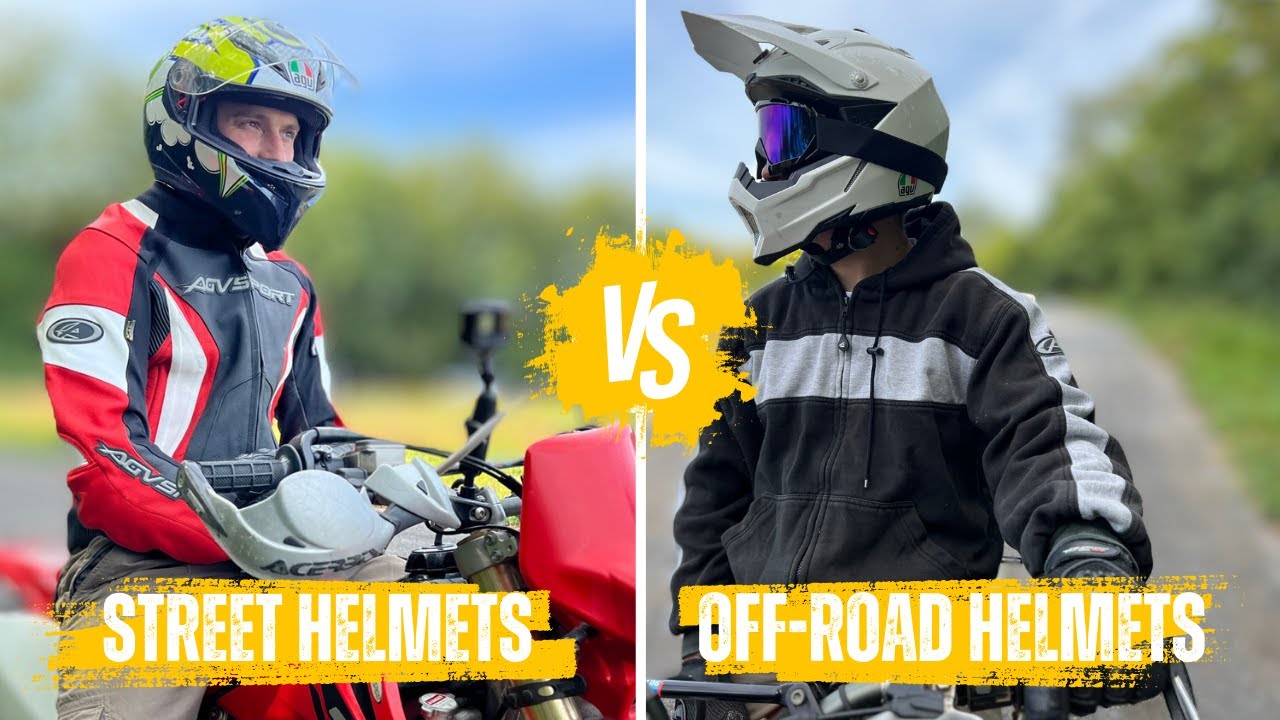
Dirt and street helmets share core protective goals, but they differ in design and real-world performance:
- Ventilation — dirt bike helmets have bigger vents for cooling at low speeds. This helps trails but increases wind noise and reduces warmth on highways.
- Visor and face protection — many dirt helmets use goggles and a peak visor. Street helmets use integrated face shields that shield from wind, debris, and rain.
- Shell shape and padding — dirt helmets prioritize weight and airflow. Street helmets often have better noise control and aerodynamic shaping for sustained speeds.
- Crash behavior — some dirt helmets are DOT-rated and perform well. Others lack the same energy management systems used for high-speed impacts.
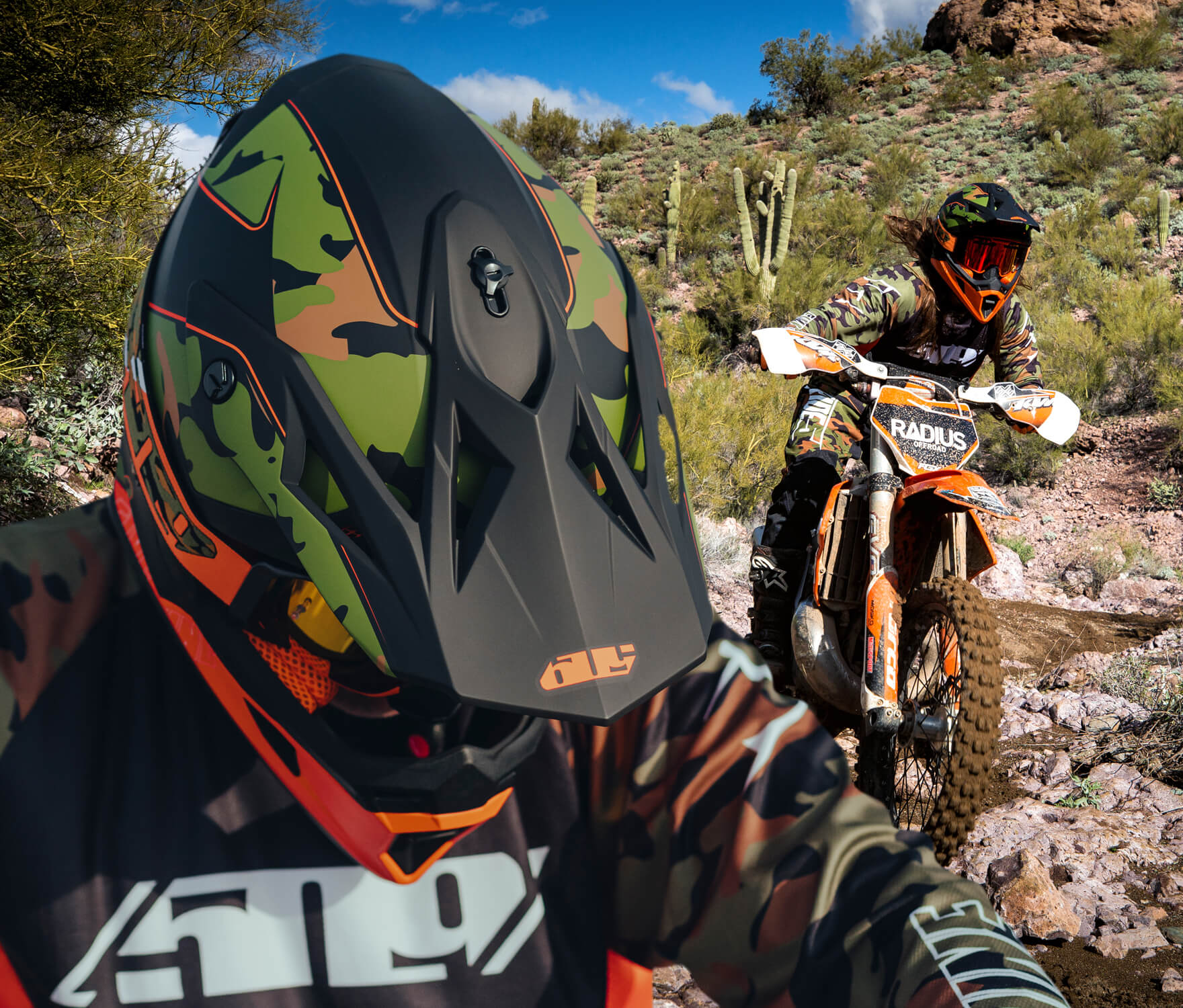
When asking can you use a dirt bike helmet on the road, think beyond legality: consider visibility, wind protection, and how the helmet behaves at highway speeds.
Source: ride509.com
When can you use a dirt bike helmet on the road?
You can use a dirt bike helmet on the road when all of these are true:
- The helmet carries the street certification required in your area (DOT or ECE).
- You have appropriate eye protection allowed by law (integrated shield or approved goggles).
- The helmet fits correctly and the chin strap and retention meet safety checks.
If any of those are missing, using a dirt bike helmet on the road is not recommended. In many cases, choosing a dual-sport or adventure helmet gives the off-road feel while meeting road rules.

Source: agvsport.com
How to make a dirt bike helmet road-legal (and what you can’t do)
You cannot legally “convert” a non-certified helmet into a certified one by adding stickers or parts. Certification is based on factory testing. Steps that are legal and useful:
- Buy a helmet model that is certified from the factory.
- Replace goggles with an approved face shield if the helmet model supports one and retains its certification.
- Keep the helmet in good condition—no cracks, crushed EPS liner, or compromised straps.
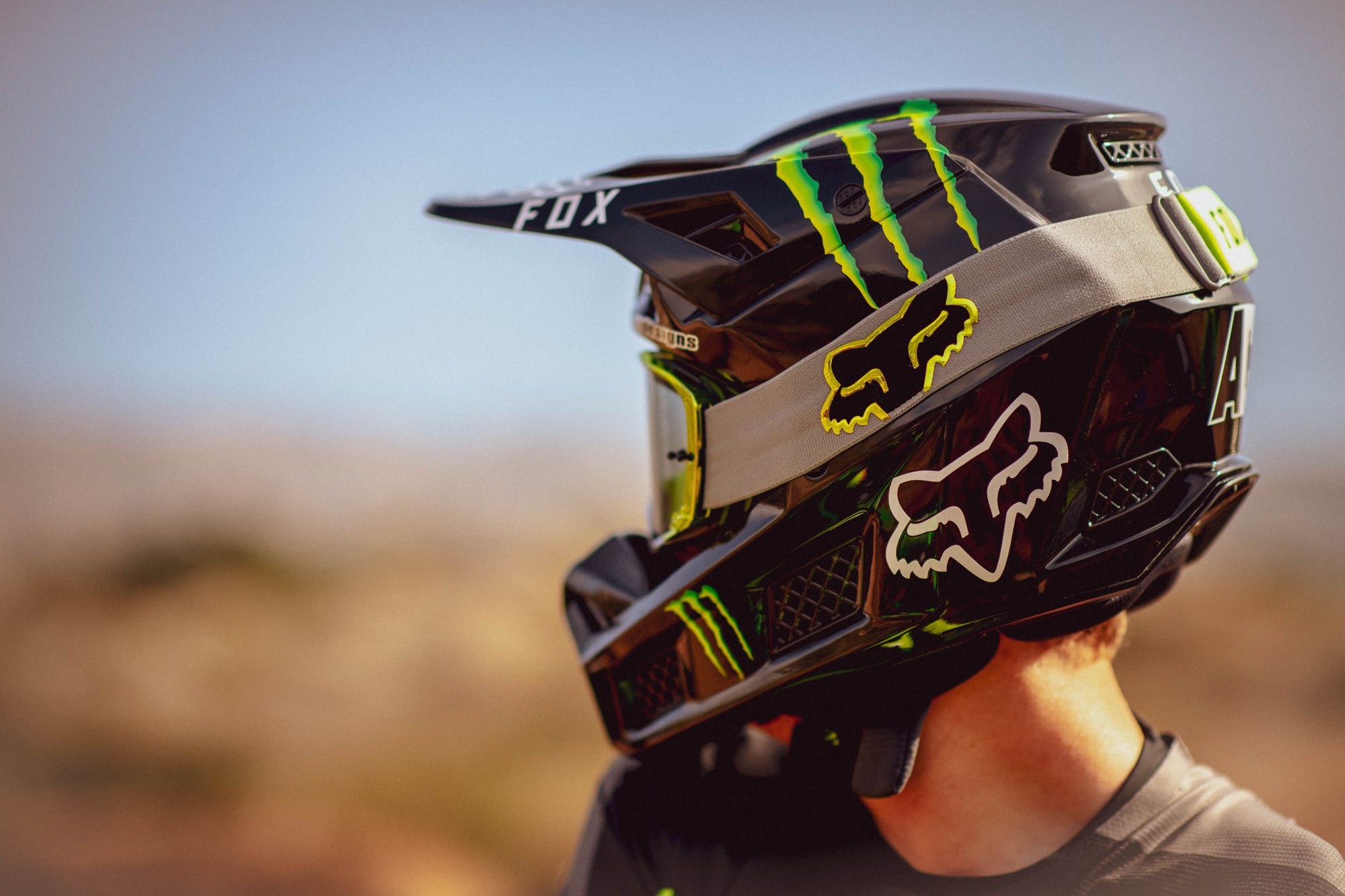
Avoid: drilling holes, gluing parts, or modifying the structure. These actions can void certification and reduce protection.
Source: com.au
Benefits and limitations of using a dirt bike helmet on the road
Benefits when you have a certified off-road helmet:
- Lighter weight and better airflow for summer rides.
- Wider field of view useful for quick trail-like scanning in traffic.
- Often better chin-bar clearance for hydration systems or comms mounts.
Limitations to consider:
- Increased wind noise and fatigue on long highway rides.
- Less integrated weather protection without a full shield.
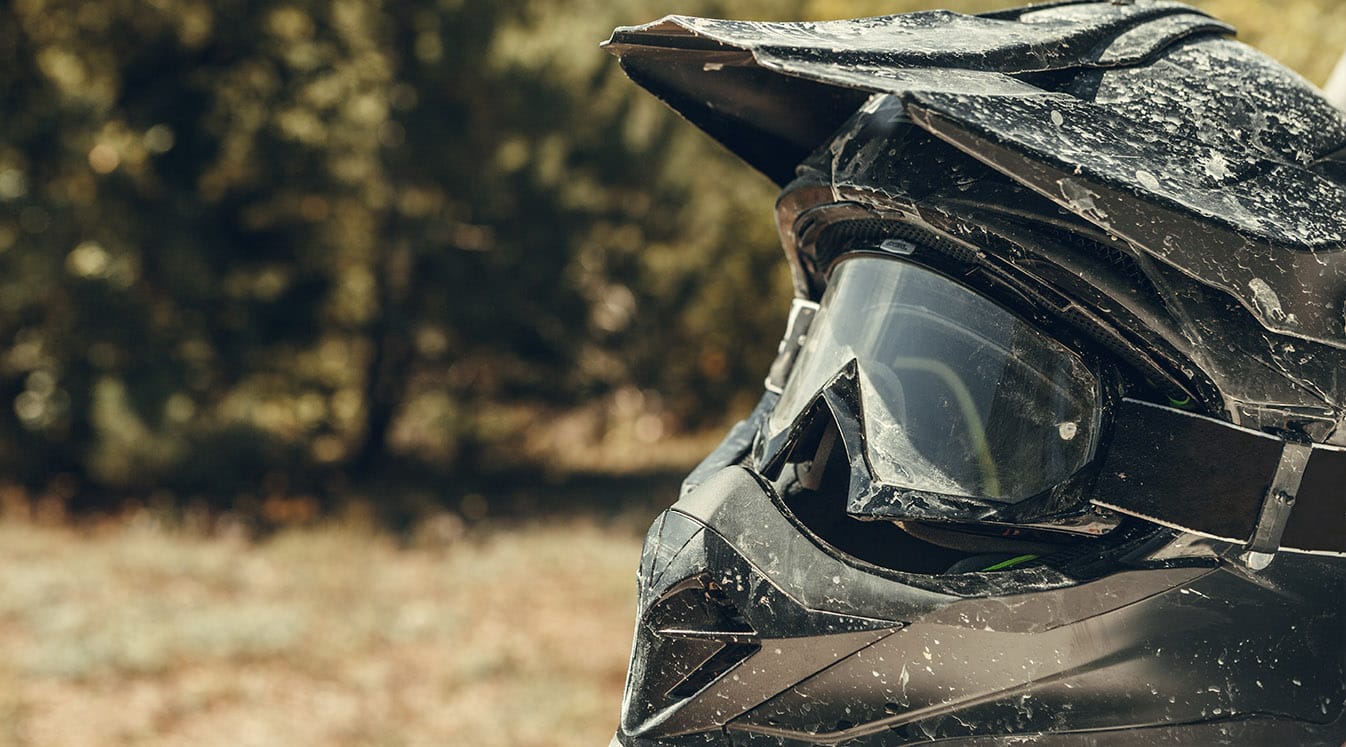
- Peak visors can cause buffeting at speed and may reduce aerodynamics.
When answering can you use a dirt bike helmet on the road, weigh these pros and cons against your typical rides.
Source: youtube.com
My experience and practical tips
I’ve ridden both certified motocross-style helmets and full-face street helmets for daily commuting and weekend trips. A few lessons I learned:
- If you commute on fast roads, a certified full-face or dual-sport helmet felt calmer and quieter after an hour.
- On mixed routes with light dirt sections, a DOT-rated dirt-style helmet was ideal—cool and comfortable.
- Never assume a helmet sold as “motocross” is street legal; always read the inside label.
Practical tips:
- Always perform a fit check and strap test before a ride.
- Replace any helmet after a significant impact, even if damage isn’t obvious.
- Consider earplugs for long pavement rides if you notice excess wind noise.
Source: cardosystems.com
Frequently Asked Questions of can you use a dirt bike helmet on the road
Can you use a dirt bike helmet on the road legally?
Yes, you can use a dirt bike helmet on the road only if it carries the required street certification (DOT, ECE). Without certification, it may be illegal and unsafe.
Is a DOT-certified dirt bike helmet as safe as a street helmet?
A DOT-certified dirt bike helmet meets minimum U.S. street standards, but street helmets often have better noise control, shields, and aerodynamics for highway use.
Can I ride on the highway with goggles and no face shield?
That depends on local laws. Some places require a full face shield or certified eye protection; others accept goggles if they meet standards.
Does removing the peak make a dirt helmet more road-friendly?
Removing a peak might reduce buffeting but can’t change certification. Modifying the shell can void safety claims and is not recommended.
How often should I replace a dirt bike helmet used on the road?
Replace any helmet after a major impact and replace regularly every 5–7 years depending on manufacturer guidance and wear.
Conclusion
Using a dirt bike helmet on the road is possible, but only when the helmet is certified for street use and meets your local eye-protection rules. Think about comfort, noise, and weather protection as well as legality. My advice: choose a certified model that fits your riding style—dual-sport helmets are a great bridge between trail and highway. Take the time to inspect labels, fit correctly, and replace helmets after impacts.
Make your next ride safer: check your helmet’s label, test the fit, and pick the right helmet for the roads you ride. If this helped, leave a comment or subscribe for more practical riding tips.
