
Tire Pressure When Its Cold

Cold weather causes tire pressure to drop—about 1 PSI for every 10°F temperature decrease. This can lead to underinflated tires, reduced fuel economy, and increased risk of blowouts. Checking and adjusting tire pressure regularly in winter is essential for safe driving.
Key Takeaways
- Cold temperatures reduce tire pressure: For every 10°F drop in temperature, tire pressure decreases by about 1 PSI, making winter checks vital.
- Underinflated tires are dangerous: Low pressure increases rolling resistance, reduces traction, and raises the risk of tire failure, especially on icy or wet roads.
- Check pressure when tires are cold: Always measure tire pressure before driving or after the car has been parked for at least 3 hours for accurate readings.
- Use the manufacturer’s recommended PSI: Find the correct pressure on the driver’s door jamb sticker or owner’s manual—not the max pressure listed on the tire sidewall.
- Invest in a quality tire pressure gauge: Digital or analog gauges help you monitor changes quickly and accurately, especially during seasonal shifts.
- Don’t forget the spare tire: Cold weather affects all tires, including spares, so check it monthly to ensure it’s ready in an emergency.
- Consider a tire pressure monitoring system (TPMS): Modern vehicles often have TPMS alerts, but manual checks are still recommended for precision.
📑 Table of Contents
Why Tire Pressure Drops in Cold Weather
When temperatures fall, the air inside your tires contracts. This simple scientific principle—known as the ideal gas law—means that as the air gets colder, it takes up less space. The result? Your tire pressure drops. On average, tire pressure decreases by about 1 PSI (pound per square inch) for every 10°F drop in temperature. So, if it’s 70°F one day and drops to 30°F the next, you could lose around 4 PSI—enough to trigger a warning light on your dashboard or affect your car’s performance.
This effect is especially noticeable in regions with harsh winters. A car parked outside overnight in freezing conditions will have significantly lower tire pressure by morning. Even a short drive won’t immediately restore the correct pressure because the tires need time to warm up and expand the air inside. That’s why it’s so important to check your tire pressure regularly during colder months—what was perfectly inflated in the summer might be dangerously low in January.
The Science Behind Air Contraction
Air is made up of molecules that move faster when warm and slower when cold. When temperatures drop, these molecules lose energy and move closer together, reducing the pressure they exert on the walls of your tire. This isn’t just theory—it’s a measurable, predictable phenomenon that affects every vehicle on the road. Whether you drive a compact sedan or a heavy-duty truck, the same physics apply.
Interestingly, this effect isn’t limited to outdoor temperatures. Even if your car is parked in a garage, the ambient air inside will eventually match the outside temperature, especially if the garage isn’t heated. So, unless you’re storing your vehicle in a climate-controlled environment, you can’t assume your tires are safe from pressure loss just because they’re out of the snow.
Real-World Examples of Pressure Loss
Imagine you last checked your tire pressure in early fall when it was 65°F. You filled all four tires to the recommended 32 PSI. Now, it’s January, and the overnight low was 15°F. That’s a 50°F drop—meaning your tires could now be reading around 27 PSI. That’s a 5 PSI deficit, which is enough to impact handling, fuel efficiency, and safety.
Another example: A driver in Minnesota checks their tires in November at 40°F and tops them off. By February, temperatures regularly dip below zero. Without adjusting for the cold, their tires could be underinflated by 6 PSI or more. This not only increases wear but also makes the vehicle more prone to hydroplaning or losing grip on icy roads.
The Dangers of Underinflated Tires in Winter
Visual guide about Tire Pressure When Its Cold
Image source: classics-stickers.com
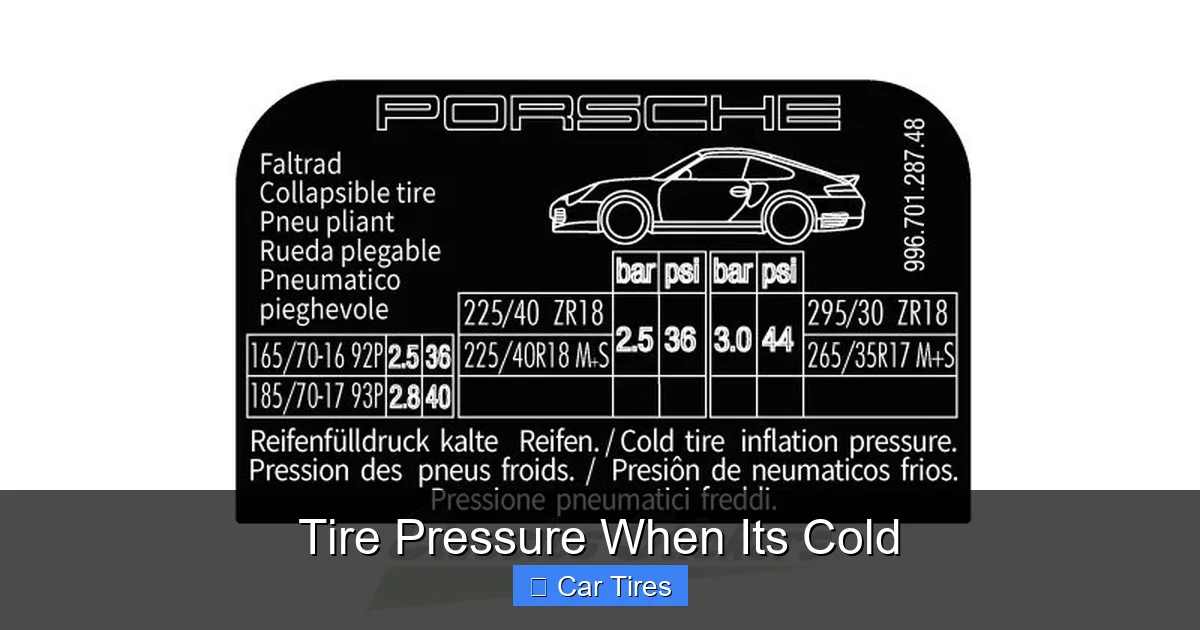
Driving with underinflated tires is risky any time of year, but it’s especially dangerous in cold weather. Winter roads are already more hazardous due to snow, ice, and reduced visibility. Adding underinflated tires to the mix is like driving with worn-out brakes—it compromises your ability to respond safely in an emergency.
One of the biggest risks is reduced traction. When a tire is underinflated, more of its surface area contacts the road. While that might sound beneficial, it actually increases rolling resistance and causes the tire to flex more than it should. This generates heat, which can lead to tread separation or even a blowout—particularly at highway speeds.
Increased Risk of Blowouts
Underinflated tires overheat more quickly because of the excessive flexing in the sidewalls. In winter, when roads are rough and salted, the added stress can accelerate tire damage. A blowout on a snowy highway is not just inconvenient—it can be life-threatening. The sudden loss of control, combined with slippery conditions, makes it difficult to steer or brake safely.
Even if a blowout doesn’t occur, chronic underinflation leads to uneven tire wear. The outer edges of the tire wear down faster than the center, shortening the tire’s lifespan and costing you money in premature replacements.
Poor Fuel Economy and Handling
Underinflated tires increase rolling resistance, which means your engine has to work harder to move the car. This leads to lower fuel efficiency—sometimes by as much as 3% for every 1 PSI drop below the recommended level. Over time, that adds up to significant fuel costs, especially if you’re driving long distances in cold weather.
Handling is also affected. Underinflated tires respond more slowly to steering inputs, making the car feel sluggish or “mushy.” This is particularly dangerous when navigating sharp turns or avoiding obstacles on icy roads. You might not notice the difference at first, but in an emergency maneuver, that delay could mean the difference between a close call and a collision.
When and How to Check Tire Pressure in Cold Weather
Visual guide about Tire Pressure When Its Cold
Image source: stocktonwheel.com
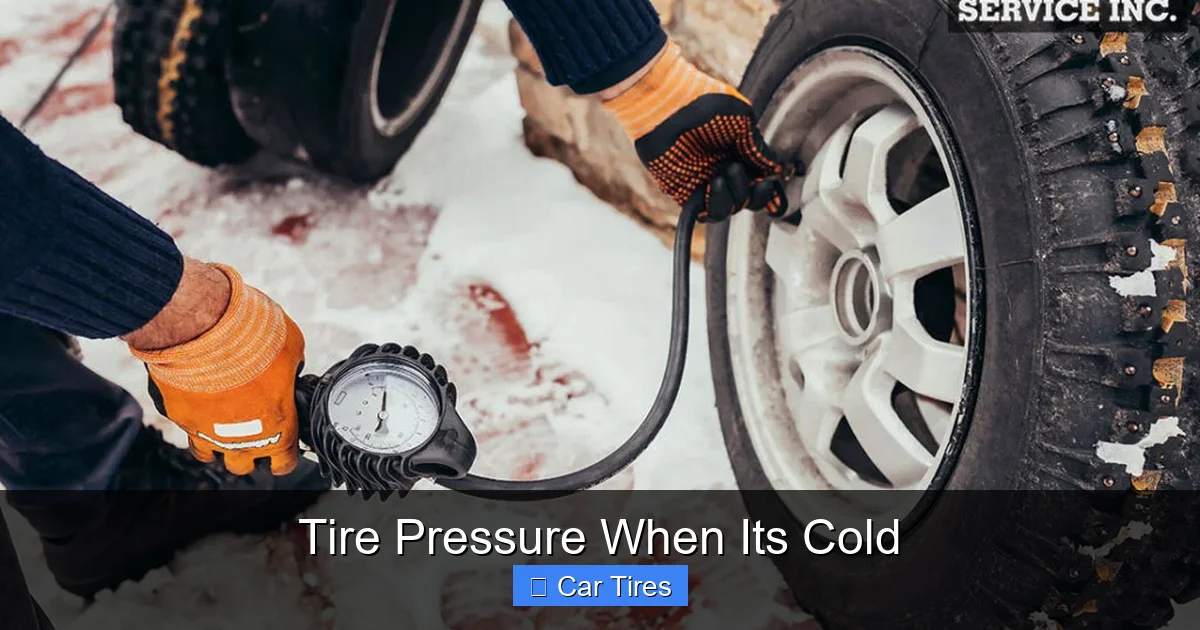
Timing is everything when it comes to checking tire pressure. The most accurate readings come when tires are “cold”—meaning the vehicle hasn’t been driven for at least three hours, or has been driven less than a mile at low speed. This ensures the air inside hasn’t expanded from friction and heat generated during driving.
Many drivers make the mistake of checking tire pressure after a short trip, especially in winter when they’re trying to warm up the car. But even a 10-minute drive can increase tire temperature and pressure by 3–5 PSI, giving you a false sense of security. Always check your tires first thing in the morning or after the car has been parked overnight.
Step-by-Step Guide to Checking Tire Pressure
1. **Gather your tools:** You’ll need a reliable tire pressure gauge. Digital gauges are easy to read and often more accurate, but a good analog (dial) gauge works well too. Avoid the gauges at gas stations—they’re often worn out and inaccurate.
2. **Locate the recommended PSI:** Check the sticker on the driver’s side door jamb or consult your owner’s manual. This number is specific to your vehicle and accounts for weight, performance, and safety. Never use the maximum pressure listed on the tire sidewall—that’s the tire’s limit, not the ideal setting.
3. **Remove the valve cap:** Unscrew the cap from the tire’s valve stem and keep it in a safe place (like your pocket) so you don’t lose it.
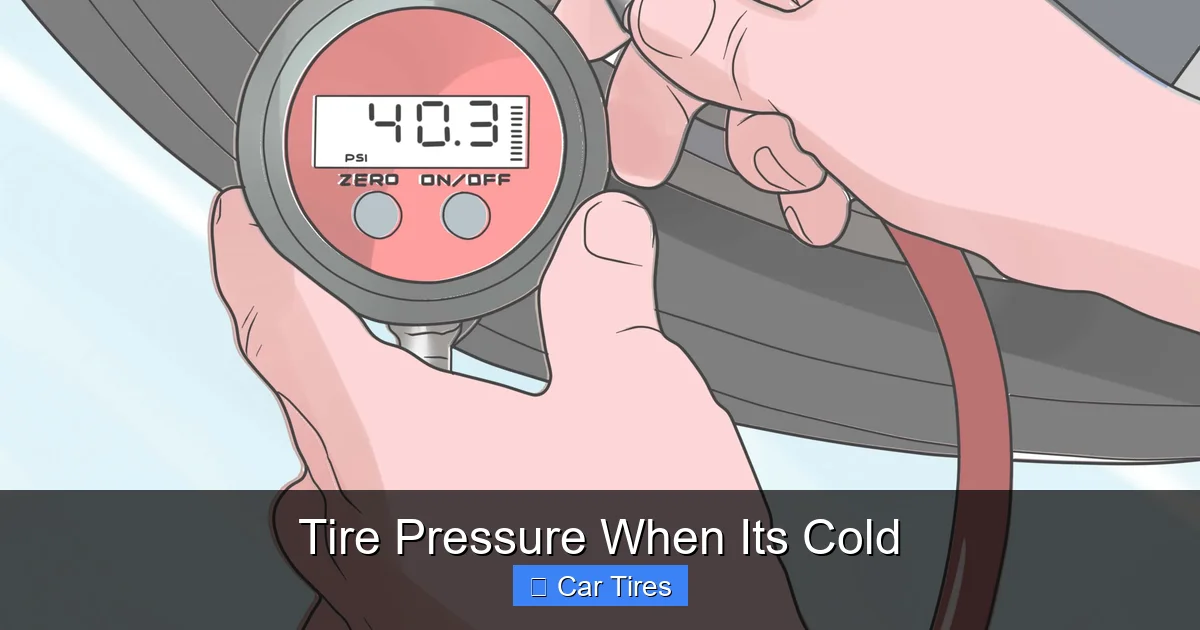
4. **Press the gauge onto the valve:** Press the gauge firmly onto the valve stem until you hear a hiss stop. If you’re using a digital gauge, it will display the reading instantly. For analog gauges, the dial will move to show the pressure.
5. **Read and record the pressure:** Note the reading and compare it to the recommended PSI. If it’s low, add air. If it’s high, release some air by pressing the center pin in the valve stem.
6. **Recheck and replace the cap:** After adjusting, check the pressure again to ensure accuracy, then screw the valve cap back on tightly.
Tips for Accurate Readings in Winter
– Check all four tires plus the spare. Cold weather affects every tire, and a flat spare could leave you stranded.
– Do it weekly. Temperature fluctuations are common in winter, so regular checks help you stay ahead of pressure drops.
– Use the same gauge each time. Different gauges can vary slightly, so consistency improves accuracy.
– Don’t rely solely on your car’s TPMS. While helpful, the system only alerts you when pressure is significantly low—usually 25% below recommended. It’s not a substitute for manual checks.
How to Adjust Tire Pressure for Cold Weather
Visual guide about Tire Pressure When Its Cold
Image source: wikihow.com
Once you’ve identified that your tires are underinflated, the next step is to add air. Most gas stations have air pumps, often with built-in gauges. However, as mentioned earlier, these gauges can be inaccurate. It’s best to use your own gauge to verify the pressure after filling.
When adding air, do it in small increments. Overinflating is just as problematic as underinflating. Too much pressure reduces the tire’s contact patch with the road, leading to a harsher ride, reduced traction, and increased risk of blowouts from potholes or debris.
Best Practices for Filling Tires in Cold Weather
– Fill tires to the manufacturer’s recommended PSI, not the maximum listed on the tire.
– Add air slowly and check frequently. It’s easier to add more than to remove excess.
– If you’re using a gas station pump, press the hose firmly onto the valve to avoid air leaks.
– After filling, recheck with your personal gauge to confirm accuracy.
– Don’t forget to check the spare tire—especially if you live in an area with frequent snowstorms.
Should You Overinflate to Compensate for Cold?
Some drivers think they can “pre-inflate” their tires to account for expected pressure drops. For example, if it’s 30°F and expected to drop to 10°F, they might add extra air now so the tires stay at the correct pressure later. While this seems logical, it’s not recommended.
Overinflating can cause uneven wear in the center of the tire and reduce grip, especially on wet or icy roads. It also increases the risk of damage from potholes or curbs. The better approach is to check and adjust tire pressure regularly—weekly during winter—rather than trying to predict temperature changes.
The Role of Tire Pressure Monitoring Systems (TPMS)
Most modern vehicles come equipped with a Tire Pressure Monitoring System (TPMS), which alerts you when one or more tires are significantly underinflated. There are two types: direct and indirect.
Direct TPMS uses sensors inside each tire to measure pressure and send real-time data to the car’s computer. Indirect TPMS estimates pressure based on wheel speed sensors—underinflated tires rotate faster, triggering a warning.
While TPMS is a helpful safety feature, it’s not foolproof. The system typically only alerts you when pressure drops 25% below the recommended level. That means your tires could already be dangerously low before the light comes on. Additionally, TPMS sensors can fail, especially in extreme cold, or give false readings due to sensor battery issues.
Limitations of TPMS in Winter
– Delayed alerts: You might already be driving on underinflated tires before the warning appears.
– Sensor malfunctions: Cold weather can affect battery life and signal transmission in TPMS sensors.
– No spare tire monitoring: Most systems don’t monitor the spare tire, so you still need to check it manually.
– Calibration issues: After rotating tires or replacing sensors, the system may need recalibration.
For these reasons, it’s essential to manually check your tire pressure regularly, even if your car has TPMS. Think of the system as a backup, not a replacement, for good tire maintenance habits.
Long-Term Tire Care in Cold Climates
Maintaining proper tire pressure is just one part of winter tire care. To get the most out of your tires and stay safe on the road, consider these long-term strategies:
Rotate and Inspect Tires Regularly
Tire rotation every 5,000 to 7,000 miles ensures even wear. In winter, when roads are rough and driving conditions are tough, this becomes even more important. During rotation, have a technician inspect the tread depth, look for cracks or bulges, and check for signs of underinflation damage.
Consider Winter Tires
All-season tires are designed for moderate conditions, but in areas with heavy snow and ice, winter tires offer superior grip and performance. They’re made from a softer rubber compound that stays flexible in cold temperatures, improving traction and braking. Even with proper inflation, all-season tires can harden and lose effectiveness below 45°F.
Store Tires Properly
If you switch to winter tires, store your summer or all-season tires in a cool, dry place away from direct sunlight and ozone sources (like electric motors). Keep them off the ground and, if possible, stack them horizontally or hang them to prevent flat spots.
Monitor Tire Age
Tires degrade over time, even if they look fine. Most manufacturers recommend replacing tires every 6 to 10 years, regardless of tread depth. Check the DOT code on the sidewall to determine the manufacture date. A tire made in 2018, for example, should be replaced by 2024–2028, even if it still has good tread.
Conclusion
Cold weather has a direct and measurable impact on tire pressure. As temperatures drop, so does the air inside your tires, increasing the risk of underinflation, poor handling, reduced fuel economy, and even blowouts. The good news? This is entirely preventable with regular checks and simple maintenance.
By understanding how cold affects tire pressure and adopting a routine of weekly inspections, you can keep your tires in optimal condition all winter long. Use a reliable gauge, follow the manufacturer’s recommended PSI, and don’t rely solely on your car’s TPMS. And remember—always check pressure when tires are cold for the most accurate reading.
Taking a few minutes each week to check your tire pressure isn’t just about safety—it’s about peace of mind. Whether you’re commuting to work or heading out on a winter road trip, properly inflated tires give you better control, better fuel efficiency, and a smoother ride. So bundle up, grab your gauge, and give your tires the attention they deserve. Your car—and your safety—will thank you.
Frequently Asked Questions
Why does tire pressure drop in cold weather?
Cold temperatures cause the air inside tires to contract, reducing pressure. For every 10°F drop in temperature, tire pressure decreases by about 1 PSI. This is a normal physical reaction and affects all vehicles.
How often should I check tire pressure in winter?
Check your tire pressure at least once a week during cold months. Temperature fluctuations are common in winter, and regular checks help prevent underinflation and maintain safety.
Can I rely on my car’s TPMS instead of checking manually?
No. TPMS only alerts you when pressure is significantly low—usually 25% below recommended. It’s not a substitute for manual checks, which provide more accurate and timely information.
Should I overinflate my tires to prepare for colder weather?
No. Overinflating reduces traction and increases wear. Instead, check and adjust pressure regularly to match the manufacturer’s recommendation, especially as temperatures change.
Is it safe to drive with slightly underinflated tires in winter?
No. Even a small drop in pressure can reduce handling, increase stopping distance, and raise the risk of blowouts—especially on icy or wet roads. Always maintain proper inflation.
Does cold weather affect the spare tire too?
Yes. The spare tire is just as susceptible to pressure loss in cold weather. Check it monthly to ensure it’s ready in case of an emergency.
