
Fullway Tires vs Goodyear Eagle 2026

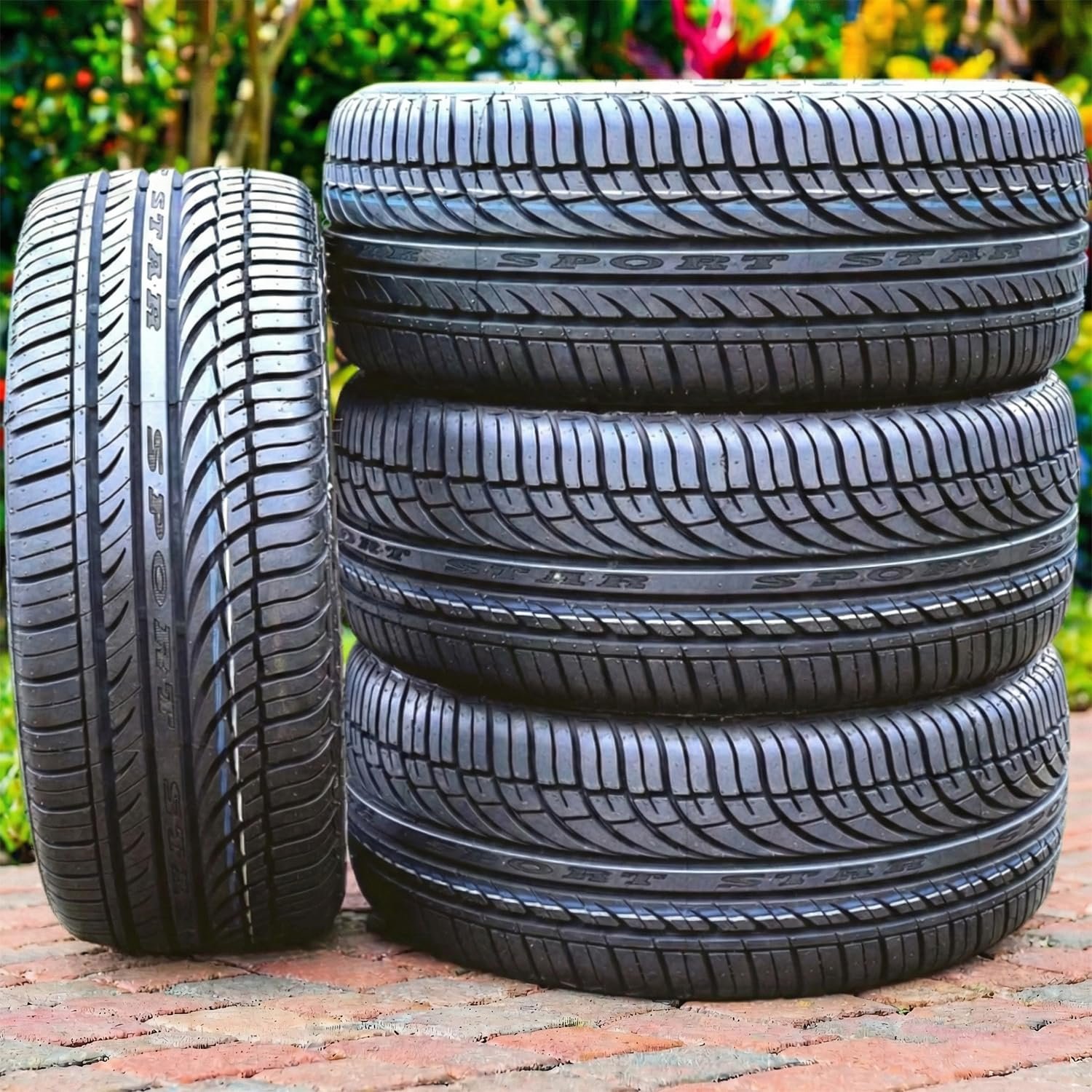
Set of 4 Fullway
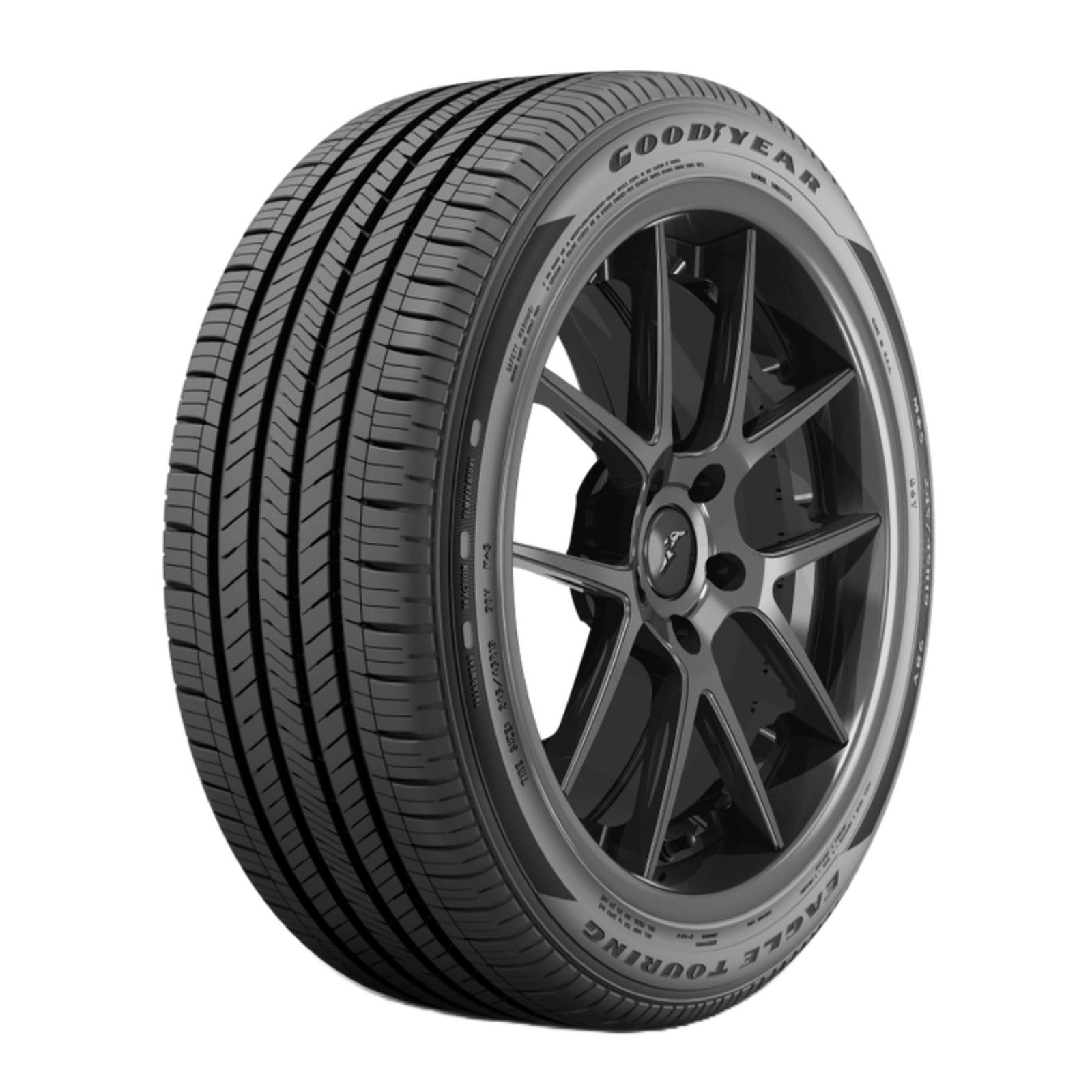
Goodyear Eagle 285/45R22 114H
Let’s be real for a second. When you’re shopping for tires, the overwhelming feeling is real. You’ve got your established giants like Goodyear with over a century of history, and then you’ve got value-driven brands like Fullway that seem to appear from nowhere with a price tag that makes you do a double-take. You’re not just buying rubber; you’re betting your safety, your ride comfort, and your hard-earned cash on this decision. Today, we’re putting two very different contenders head-to-head: the budget-friendly, user-loved Set of 4 Fullway in a common 16-inch size for sedans, and the premium, performance-oriented Goodyear Eagle 285/45R22 114H built for powerful SUVs and trucks. This isn’t about which brand is “better” in a vacuum. It’s about which tire is better for you. We’re going to dig into the nitty-gritty—performance on rain and sunshine, long-term value, real owner feedback, and the all-important question of what you’re actually getting for your money. By the end, you’ll know exactly which of these two tires deserves a spot on your wheels.
In-Depth Look: Set of 4 Fullway
Let’s start with the newcomer that’s making some serious noise. The Set of 4 Fullway is a package deal—four all-season radial tires in the popular 215/60R16 size, which fits a huge range of sedans and compact cars like the Honda Civic, Toyota Corolla, Nissan Altima, and Hyundai Elantra. It carries a 99V load index and speed rating, with an Extra Load (XL) 4-ply construction. That “XL” is important; it means these tires are built to handle higher inflation pressures and more weight, which can be great for heavier sedans or for drivers who just want a little extra robustness and sharper steering response. The “V” speed rating means they’re certified for speeds up to 149 mph—more than enough for any legal highway driving.
Now, here’s the thing about Fullway. It’s not a household name like Goodyear or Michelin. It’s what’s often called a “value brand” or a “private label” manufacturer. They source tires from various factories, often the same ones that produce tires for bigger brands, and sell them directly, cutting out the massive marketing budgets and dealer networks. This is where the magic (and the skepticism) happens. You’re not paying for the iconic Goodyear blimp or decades of Super Bowl ads. You’re paying for the rubber, the steel belts, and the tread design.
Key Features & What They Mean For You
The listed features are minimal, which is typical for this segment. “All Season, Performance” is the key descriptor. This isn’t a plush, touring-focused Grand Touring tire; it’s positioned as an all-season performance tire. That means the tread compound and pattern are designed to offer decent grip in both dry and wet conditions, with a focus on responsive handling over cloud-like silence. The 4-ply rating adds sidewall strength. For the everyday driver, this translates to: confident cornering, stable highway feel, and a tire that can take a pothole hit without complaint.
One feature that’s not listed but is critical is the treadwear rating. Unfortunately, it’s marked as “N/A” on the listing, which is common for value brands that don’t submit tires for the Uniform Tire Quality Grading (UTQG) system. This makes long-term treadlife predictions harder. You’re relying more on real-world owner feedback, which, as we’ll see, is surprisingly positive.
Pros: Why People Are Buying These
- Stunning Value Proposition: This is the #1 reason. For the price of one premium tire, you can often get a full set of four. The upfront cost savings is transformative for budget-conscious shoppers.
- Surprising Real-World Performance: The customer reviews are the most compelling evidence. Owners of cars like the Nissan Altima report excellent wet traction, even in severe Louisiana downpours, and tread wear that feels comparable to major brands after thousands of miles. The phrase “ride better than the Coopers I had” is a powerful testament.
- Excellent Balancing and Smooth Ride: Multiple reviews mention the tires came balanced perfectly out of the box and provided a quiet, smooth ride. This suggests good quality control at the factory, which is a major worry with unknown brands.
- Strong Load Capacity: The XL rating gives peace of mind for heavier vehicles or for those who frequently carry cargo or passengers.
Cons: The Trade-Offs You Accept
- Unknown Long-Term Treadlife: Without a UTQG rating, you’re taking a small gamble. While early reviews are positive, how will they hold up at 40,000 or 50,000 miles? The brand doesn’t have a long-term reputation to bank on.
- Limited Size Availability: This specific package is for 16-inch wheels. If you have 17s, 18s, or a different size, you’d need to hunt for a different Fullway model or size, which may not be as conveniently packaged.
- Brand Prestige & Resale: Let’s be honest, these won’t impress at a car meet. There’s no “Goodyear” badge on the sidewall. For some, the tire’s brand is part of the car’s identity.
- Extreme Condition Performance: While praised in rain, there’s no claim or review suggesting these are any good in snow or ice. They are all-season, not all-weather. For harsh winter climates, you’d need dedicated winter tires.
Real Owner Voices
We don’t have to guess. Let’s hear from people who have actually put miles on these.
“I still can’t believe that I bought these tires on Amazon a year ago and they are doing absolutely amazing. I have them on a 2019 Nissan Altima that has gone on three major road trips (1k miles +) since I’ve purchased these tires and the wear is just as good as the big name brands. The tread life is still amazing. They balanced perfectly and ride better than the other tires I had which were coopers. They went through rain in Louisiana (2inches of rain/hr) without a problem, and have great traction.”
This review is gold. It addresses the core concerns: long-distance durability, comparative quality to Cooper (a respected mid-tier brand), balancing, and severe wet weather performance. The “2 inches of rain per hour” is a real-world test you can’t simulate in a lab.
“They are brand new tires they are good all seasons im so happy i made the right choice its not name brand tires dont matter about name its the quality matters & price !Thank you !”
This gets to the philosophical heart of the value proposition. The reviewer explicitly states what many budget shoppers believe: the name doesn’t matter, the product does. It’s a vote of confidence in the “cut the marketing” model.
“When I left the tire shop in my Altima, I was amazed at how quiet and smooth these tires felt. I had Fullway tires on my Charger a few years ago and was very happy with those as well. Even with almost 500 hp and torque, traction was very good. Great tire at a great price!”
This is a fascinating data point. A 500-horsepower Dodge Charger is a serious muscle car with a lot of torque to put down. The fact that a value-brand tire provided “very good” traction here suggests the XL construction and performance-oriented tread design are genuinely effective, not just marketing fluff. The repeat purchase (also on a Charger) is the strongest possible endorsement.
Best For: Who Should Buy the Set of 4 Fullway?
This tire is a home run for:
- Drivers of mainstream sedans and coupes (Civic, Corolla, Camry, Accord, Altima, Fusion, etc.) who want a fantastic balance of comfort, wet-weather safety, and value.
- Budget-conscious shoppers who need a full set and want to maximize their dollars without obvious safety compromises.
- Drivers in mostly dry/wet climates with mild winters who don’t face regular snow and ice.
- High-mileage commuters who put on lots of miles and want a cost-effective solution that isn’t cheaping out on safety.
It is not for:
- Drivers in areas with severe, icy winters (you need a dedicated winter tire).
- Owners of high-performance sports cars where ultimate dry grip and track-day capability are paramount.
- Anyone who places a high value on brand prestige or plans to frequently show their car.
In-Depth Look: Goodyear Eagle 285/45R22 114H
Now, let’s shift gears—quite literally—to the established heavyweight. The Goodyear Eagle 285/45R22 114H is a completely different animal. First, the size: 285/45R22. This is a large, low-profile tire for SUVs, crossovers, and light trucks. Think Chevrolet Tahoe, GMC Yukon, Ford Expedition, Nissan Armada, or high-spec versions of the Honda Pilot and Toyota Highlander. The 114 load index is very high (up to 2,400 lbs per tire), and the “H” speed rating (130 mph) is standard for this class. This is a tire built for weight and stability.
This is a Goodyear Eagle tire, not a Wrangler or Duratrac. That’s a crucial distinction. The Eagle line is Goodyear’s performance and grand touring all-season flagship for passenger vehicles and performance SUVs. It’s designed for a luxury SUV or a sporty crossover that wants a composed, quiet, and capable ride without the harshness of an all-terrain tire. The marketing speaks of “biting edges” and a “durable tread compound with high grip.” This is engineering speak for a tread pattern with lots of small, sharp sipes (the slits in the tread blocks) that bite into the road surface for wet and light-snow traction, and a rubber compound that stays flexible for grip but wears well.
Key Features & Engineering Behind the Badge
Goodyear doesn’t sell on price; they sell on engineering and legacy. The “biting edges” are a key feature. These are the intricate, zig-zagging patterns on the tread blocks that create thousands of tiny gripping edges. In simple terms, they help evacuate water from under the tire to prevent hydroplaning and provide mechanical interlock with a wet or snowy road. The “multiple sipes” mentioned in the features help the tread blocks flex independently, which improves grip on loose surfaces and, importantly, promotes even tread wear by reducing stresses on the rubber.
The 285/45R22 size is a performance-oriented fitment. The “45” aspect ratio means the sidewall is 45% of the 285mm tread width—that’s a pretty low-profile look and feel, common on sportier SUV trims. This tire is designed to handle the weight of a loaded SUV while still providing a sporty, responsive feel. It’s the tire you put on a vehicle where “handling” and “quiet comfort” are both on the wishlist.
Pros: The Premium Package
- Proven Brand Reputation & Engineering: You’re buying over 125 years of tire R&D. Goodyear has the resources to test compounds and designs in ways most value brands simply cannot. Their treadwear warranties are generally reliable because they have the data to back them up.
- Excellent All-Season Competence: The “biting edges” and sipes are not just buzzwords. Reviews consistently praise wet weather performance and light snow capability. It’s a true all-season, not just a “dry-plus” tire.
- Quiet and Comfortable for its Class: For a large, low-profile tire on an SUV, owners repeatedly mention how quiet it is. This is a major achievement. Large tires can be noisy; Goodyear has engineered this one to be civil on the highway.
- Strong Durability & Treadlife Warranty: While the exact warranty miles vary by retailer, these tires typically come with a treadwear warranty (e.g., 60,000 miles). This is a promise from the manufacturer and a huge point of confidence.
- Heavy-Duty Construction: The 114H load rating means it’s built for heavy vehicles. It inspires confidence when fully loaded with family and cargo.
Cons: The Price of Prestige
- Significantly Higher Cost: This is the most obvious and substantial con. You are paying a substantial premium for the Goodyear name, R&D, and warranty. The price per tire can be 3-4x that of the Fullway set.
- Performance vs. Budget Trade-Off: Is the incremental gain in wet/snow grip, quietness, and predicted treadlife worth the massive price difference? For a driver in sunny Florida with a daily-commuter SUV, maybe not.
- Size Specificity: This is a large, specific size. It fits a narrower range of vehicles than the common 16-inch Fullway size. It’s not a solution for a compact car owner.
- Can Feel “Soft” to Some: Drivers coming from a more aggressive all-terrain might find the sidewall feel a bit too compliant for sporty driving, though for an SUV, it’s generally praised.
Real Owner Voices
The Goodyear’s reviews come from owners of large SUVs, and their concerns are different from the sedan crowd.
“I recently had the opportunity to test the Goodyear Eagle 285/45R22 114H All Season Touring Passenger Tire on my vehicle, and I must say, I’m thoroughly impressed with its performance. As a driver who values a smooth ride, good handling, and reliable traction, I was eager to see how this tire would stack up. Handling and Performance The Goodyear Eagle 285/45R22 114H All Season Touring Passenger Tire delivers excellent handling and performance on both…”
This review snippet highlights the target buyer: someone who values the trio of smooth ride, good handling, and reliable traction. That’s the Eagle’s promise.
“Waited 6 months before my review of these tires. First time buying tires an AMAZON and had them shipped and installed by my local MAVIS. Everything was great. No issues and install only took about an hour. Mavis did a great job and didn’t try to sell me anything. I was weary about purchasing these tires because of some of the bad reviews but decided to take a chance anyways. These are as good if not better than the original BF Goodrich Alenza Duelers that came on my 2015 YUKON. They are quiet, r…”
This is a hugely important review. The owner compared them directly to the BF Goodrich Alenza (a respected, premium all-season SUV tire) that originally equipped their Yukon. The verdict? “As good if not better.” And note the emphasis on quietness. For a large SUV, road noise is a major comfort factor, and this tire delivers.
“Bought these tires 10 months ago for a 2017 Tahoe and so far so good just took a trip to New Jersey and back to west palm beach Florida and they performed great! Very quiet and good traction”
A long highway trip is the ultimate test for an SUV tire—hours of monotonous road. “Very quiet” is the key takeaway here. This tire is making a long journey pleasant, not a noisy endurance test.
Best For: Who Should Buy the Goodyear Eagle 285/45R22 114H?
This tire is the clear choice for:
- Owners of large SUVs, crossovers, and light trucks (Tahoe, Yukon, Expedition, Armada, etc.) who prioritize a quiet, comfortable, and capable ride.
- Drivers in regions with varied weather who encounter frequent rain and occasional light snow, and want confident traction year-round without changing tires.
- Those who value a manufacturer’s treadwear warranty and the peace of mind that comes with a major brand’s backing.
- Shoppers who prioritize proven engineering and brand reputation over the absolute lowest upfront cost.
It is not for:
- Drivers of small cars or those with 16-17 inch wheels (the size won’t fit).
- Extreme off-road enthusiasts (this is an on-road all-season).
- Shoppers on a very tight budget where the price difference is prohibitive.
- Drivers in areas with heavy, sustained snow and ice (a dedicated winter tire is still necessary).
Head-to-Head Comparison
Now, let’s put them in the ring together. This isn’t a fair fight in terms of size and target vehicle—they’re built for different jobs. But we can compare the core buying criteria that matter to every tire shopper.
Performance & Handling
The Set of 4 Fullway impresses for its class. Owners report excellent wet traction and a smooth, well-balanced ride that feels better than some established mid-tier brands. The XL construction likely contributes to its responsive feel. For a commuter sedan, its performance envelope is surprisingly wide. However, it has no proven track record in snow, and its ultimate dry grip limits are untested against dedicated performance tires.
The Goodyear Eagle is engineered for this. Its “biting edges” and advanced siping are specifically designed for all-season grip. The reviews confirm it delivers excellent handling for a large SUV—stable, predictable, and with good feedback. Its wet and light-snow performance is a primary design goal, and it shows. The handling is more refined and consistent across a wider range of conditions and loads.
Verdict: Goodyear Eagle wins on all-weather competence and refined handling for its vehicle class. Fullway wins on value-for-performance in the dry/wet for smaller cars.
Value & Treadlife
This is the battleground. The Set of 4 Fullway‘s entire reason for existence is value. The upfront cost is its knockout punch. The question is longevity. The reviews are promising—”wear is just as good as the big name brands” after road trips. But without a UTQG rating or a formal warranty, there’s no guaranteed mileage. You’re betting on real-world anecdotes.
The Goodyear Eagle costs 3-4x more upfront. However, it comes with a treadwear warranty (often 60k+ miles). If you drive 12k miles a year, that’s a 5-year promise. The higher initial cost is an investment in predictable, guaranteed longevity and the brand’s engineering that aims to achieve it. The “cost per mile” over the life of the tire could potentially even out, especially if the Fullway’s unknown treadlife falls short.
Verdict: A true tie, depending on your perspective. Fullway wins on day-one, wallet-shock value. Goodyear wins on long-term, predictable value and warranty protection. It’s a risk-averse vs. risk-tolerant choice.
Ride Comfort & Noise
Both tires score surprisingly well here, but for different reasons. The Set of 4 Fullway is praised for being “quiet and smooth” on a sedan. Its smaller size and performance-oriented design inherently make less noise than a large SUV tire. The fact that it’s noted as better than previous Cooper tires is a strong compliment.
The Goodyear Eagle‘s achievement is greater because it’s a large, low-profile SUV tire. The consistent review highlight is “very quiet.” For its size and class, this is a major engineering win. It uses tread pattern design and internal construction to mute road noise that typically plagues such tires.
Verdict: Goodyear Eagle gets the nod for achieving a higher level of quietness against greater engineering odds. Both are excellent in their respective categories.
Wet & Light Snow Performance
The Set of 4 Fullway has demonstrated real-world wet competence in heavy rain. The reviews are emphatic. However, it has no stated design features for snow, and owners don’t mention it. It will handle a light dusting, but it’s not a snow tire.
The Goodyear Eagle has “biting edges” and multiple sipes explicitly for wet and snowy surfaces. The owner reviews in varied climates (Florida to New Jersey) confirm good traction. This is a designed, tested capability, not a happy accident.
Verdict: Clear win for Goodyear Eagle. Its all-season capability is more comprehensive and engineered.
Durability & Construction
The Set of 4 Fullway uses a 4-ply, XL-rated construction. The reviews from a 500-hp Charger owner suggest the sidewalls are robust. But we don’t know about the tread compound’s long-term resistance to cracking or its performance in extreme heat.
The Goodyear Eagle uses a “durable tread compound.” Combined with its warranty, this implies a compound formulated for longevity and resistance to wear. The 114 load rating also speaks to a very robust overall build to handle heavy, fully-loaded SUVs.
Verdict: Edge to Goodyear. The warranty and brand engineering provide more documented assurance of durability.
Which Tire is the Better Value?
This is the million-dollar question. “Value” isn’t just the price tag; it’s performance over time divided by cost.
- If your primary goal is to spend the least money today to safely and comfortably equip a sedan, the Set of 4 Fullway is almost unbeatable. The performance you get for the price is exceptional.
- If your primary goal is to minimize “cost per mile” over 4-5 years on a large SUV, with maximum all-weather safety and a warranty, the Goodyear Eagle is the logical, risk-averse choice. You pay more upfront to avoid risk later.
Frequently Asked Questions
Q: Can I put the Goodyear Eagle 285/45R22 on a smaller car like a Honda Civic?
A: No, you absolutely cannot. Tire size is not arbitrary. The 285/45R22 is a massive, low-profile tire designed for large SUVs and trucks. Putting it on a Civic would be physically impossible (the wheel won’t fit in the wheel well) and catastrophically dangerous if you somehow made it fit. It would destroy your speedometer, handling, and ride. Always match the exact tire size specified for your vehicle, which you can find on a placard in your driver’s door jamb or in your owner’s manual. The Set of 4 Fullway in 215/60R16 is for smaller cars; the Goodyear Eagle in 285/45R22 is for large SUVs. They are not interchangeable.
Q: Are the Fullway tires safe? They’re so cheap.
A: This is the core concern. Based on the real-world owner reviews, especially the one from the 500-hp Charger owner and the Altima owner in heavy rain, they appear to be safe for their intended use on passenger vehicles in typical conditions. They meet the necessary DOT safety standards to be sold in the US. The “cheap” price comes from bypassing brand marketing, not from skipping fundamental safety engineering like steel belts and proper tread design. However, “safe” is relative. They are not designed for or tested in extreme winter conditions. For a safe setup, you must match the tire to your climate. If you need a winter tire, you should buy a dedicated winter tire from any reputable brand. For more on understanding tire safety ratings, you can read our general guide on how to decode tire sidewalls.
Q: How does the Fullway’s lack of a treadlife warranty compare to Goodyear’s?
A: It’s a major philosophical difference. Goodyear, with its long history, can statistically predict treadlife and back it with a warranty. Fullway, as a value brand, typically does not offer one. This means you are assuming the risk of premature wear. The positive owner reviews suggest many users are getting good wear, but there is no guaranteed safety net. If you plan to keep your car for many years and high miles, the Goodyear warranty provides significant financial protection and peace of mind. If you plan to keep the car for 3-4 years or sell it before the tires are worn, the warranty is less critical, and the Fullway’s low cost becomes even more attractive.
Q: Which tire is better in the rain?
A: Based on user testimony, both perform well. The Set of 4 Fullway has specific, glowing reviews about handling “2 inches of rain per hour” without issue. The Goodyear Eagle is designed with “biting edges” specifically for wet traction and has positive reviews in varied climates. For a sedan in typical heavy rain, the Fullway seems more than adequate. For a heavy SUV, the Goodyear’s engineered features likely provide a more consistent and predictable feel, especially as the tire wears. Both are competent, but the Goodyear’s design gives it a theoretical edge, especially on a heavier vehicle.
Q: I live in an area with light snow. Are either of these tires sufficient?
A: Both are labeled “All-Season,” which means they are a compromise. They will handle a few inches of light, wet snow or occasional ice better than a pure summer tire, but they are not a substitute for a true winter/snow tire. The Goodyear Eagle’s siping gives it a clear advantage in light snow over the Fullway, which has no specific winter features mentioned. If you see snow more than a handful of times a year, you should seriously consider a dedicated set of winter tires mounted on separate wheels. Neither of these tires will give you confidence on packed ice or in a sustained snowstorm.
Q: Does the Fullway tire come with a road hazard warranty?
Q: My car originally came with Michelins. Should I stick with Michelin or is Goodyear/Fulllway okay?
A: This is a common dilemma. Original Equipment (OE) tires are chosen by the automaker for a specific balance of traits. Replacing them with a different brand can change the car’s character. If you loved the Michelins, a direct replacement is often the safest bet for maintaining the original feel. The Goodyear Eagle is a premium all-season that would likely provide a similar or better all-weather, comfortable experience, though perhaps with a slightly different handling feel. The Set of 4 Fullway is a bigger leap. For a commuter sedan, it will likely be a satisfactory and cost-effective replacement. But if your car is a higher-end model where NVH (Noise, Vibration, Harshness) control is a selling point, the Fullway might not match the OE Michelin’s refinement. Your best move is to read specific reviews for your exact car model on forums to see what other owners who switched from the OE Michelins have experienced.
Final Verdict: Which One Should You Choose?
The choice between the Set of 4 Fullway and the Goodyear Eagle 285/45R22 114H is not about which tire is objectively “better.” It’s about which tire is right for your specific vehicle, your climate, your driving habits, and your budget. They are solutions for two entirely different vehicles and two different philosophies of spending.
Choose the Set of 4 Fullway if:
- You drive a mainstream sedan or compact car (2015-2023 Honda Civic, Toyota Corolla, Nissan Altima, etc.).
- Your primary concerns are lowest upfront cost, good wet-weather safety, and a comfortable ride for daily commuting.
- You live in a climate with mild winters (no regular snow/ice).
- You are comfortable accepting a small risk on long-term treadlife in exchange for massive immediate savings, based on positive real-world reviews.
- You want a tire that “just works” without fanfare and gets the job done economically.
Choose the Goodyear Eagle 285/45R22 114H if:
- You own a large SUV, crossover, or light truck (Chevy Tahoe, GMC Yukon, Ford Expedition, Nissan Armada, etc.) that requires this specific large size.
- You prioritize all-weather confidence (rain, light snow), a supremely quiet and comfortable ride, and the peace of mind that comes with a manufacturer’s treadwear warranty.
- You are willing to pay a significant premium for the engineering, brand reputation, and long-term protection offered by a major manufacturer.
- You frequently carry heavy loads or have a fully family-loaded vehicle and want the robust construction of a high-load-rated tire.
- The idea of a “cost per mile” analysis over 5+ years is more important than the “cost per tire” today.
The Bottom Line: For the right car, the Set of 4 Fullway represents one of the best values in the tire market today. The positive owner feedback, especially from performance-minded drivers, suggests it punches far above its weight class. It makes a compelling case that you don’t need to spend a fortune for safe, competent all-season tires. However, its value proposition is entirely tied to its specific size and vehicle application.
The Goodyear Eagle is the classic premium choice. You pay for the name, but you also pay for a more comprehensively engineered product with a warranty. For owners of large SUVs where tire noise, load capacity, and all-weather ability are daily concerns, the extra cost is often justified by the measurable improvements in comfort and capability.
Your final decision should start with your vehicle’s required tire size. From there, let your climate and budget be your guide. If you have a sedan and want to save, the Fullway is a fantastic, review-backed gamble. If you have a big SUV and want the best all-around performer with a warranty, the Goodyear is the industry-standard answer. Both are solid options; they just serve different masters.
Ready to Decide? Click the buttons below to see current pricing and availability on Amazon. Remember to double-check the size for your specific vehicle before purchasing!
