
285/65r20 Tire Size

The 285/65r20 tire size is a popular choice for full-size trucks and large SUVs, offering a balance of stability, load capacity, and off-road capability. With a wide tread and tall sidewall, these tires deliver a smooth ride on highways and confident performance on rough terrain.
Key Takeaways
- Ideal for Trucks and SUVs: The 285/65r20 size is commonly used on heavy-duty vehicles like Ford F-250, Chevrolet Silverado 2500, and Ram 2500.
- Balanced Dimensions: This tire offers a 285mm tread width, 65% aspect ratio, and fits 20-inch wheels, providing excellent ground clearance and traction.
- Great for On- and Off-Road Use: With aggressive tread patterns available, these tires handle both city driving and light off-roading with ease.
- Higher Load Capacity: Designed for heavier vehicles, 285/65r20 tires often come with higher load ratings (e.g., 125–128), supporting up to 3,640 lbs per tire.
- Improved Ride Comfort: The taller sidewall absorbs bumps better than low-profile tires, resulting in a smoother, more comfortable ride.
- Fuel Efficiency Considerations: Wider tires can slightly reduce fuel economy due to increased rolling resistance, but modern designs minimize this impact.
- Wide Range of Options: From all-terrain to mud-terrain and highway tires, there’s a 285/65r20 tire for nearly every driving need and budget.
📑 Table of Contents
What Is the 285/65r20 Tire Size?
When you’re shopping for new tires, the numbers and letters on the sidewall can look like a secret code. But once you crack it, you’ll see how useful they are. The 285/65r20 tire size is one of the most common sizes for full-size trucks and large SUVs, and it tells you everything you need to know about the tire’s dimensions and fitment.
Let’s break it down: The “285” refers to the tire’s width in millimeters—so it’s 285 millimeters wide from sidewall to sidewall. The “65” is the aspect ratio, meaning the height of the sidewall is 65% of the tire’s width. That gives you a sidewall that’s about 185 millimeters tall. The “R” stands for radial construction, which is the standard for modern tires. Finally, the “20” means the tire fits a 20-inch wheel diameter.
So, a 285/65r20 tire is a wide, tall tire built for big vehicles. It’s not a street-performance tire, nor is it a tiny commuter tire. It’s built for power, durability, and versatility. Whether you’re hauling a trailer, driving through snow, or cruising down the highway, this tire size is designed to handle it all.
Why Choose 285/65r20 Tires?
There are plenty of tire sizes out there, so why pick 285/65r20? The answer lies in the balance it strikes between size, performance, and practicality. These tires are a favorite among truck and SUV owners because they offer a sweet spot between aggressive off-road capability and everyday drivability.

Visual guide about 285/65r20 Tire Size
Image source: tireblogger.com
Perfect for Heavy-Duty Vehicles
Trucks like the Ford F-250, Chevrolet Silverado 2500HD, GMC Sierra 2500, and Ram 2500 often come factory-equipped with 285/65r20 tires—or offer them as an upgrade. These vehicles are built to tow, haul, and work hard, and they need tires that can keep up. The 285mm width provides a larger contact patch with the road, which improves traction, especially when carrying heavy loads or towing.
Great Ground Clearance
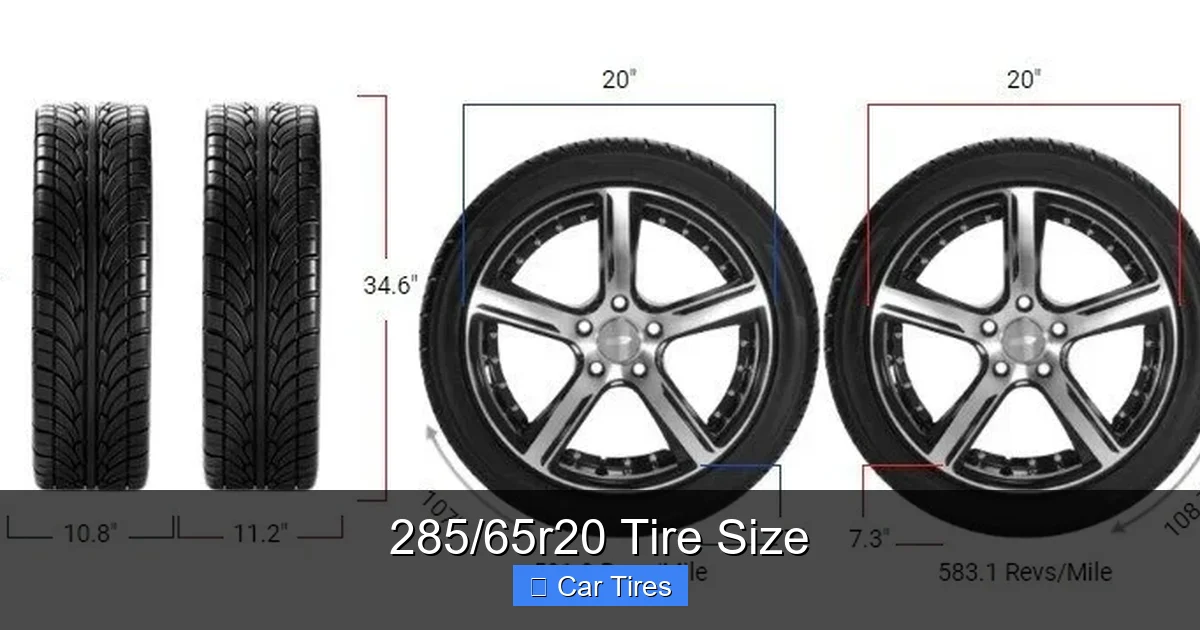
One of the biggest advantages of the 285/65r20 size is the increased ground clearance. With a taller sidewall and larger overall diameter (about 34.6 inches), these tires lift your vehicle slightly higher off the ground. That’s a big help when driving over rocks, ruts, or deep snow. It also reduces the risk of undercarriage damage on rough terrain.
Smooth and Comfortable Ride
Unlike low-profile tires that have stiff sidewalls and transmit every bump to the cabin, the 65-series sidewall on a 285/65r20 tire is tall enough to absorb shocks. This means a noticeably smoother ride, even on rough roads. If you spend a lot of time driving on gravel, dirt, or poorly maintained highways, you’ll appreciate the comfort these tires provide.
Versatile Performance
Whether you’re commuting to work, heading out on a weekend camping trip, or pulling a boat to the lake, 285/65r20 tires can handle it. They’re available in a wide range of tread patterns—from quiet highway tires to aggressive mud-terrain options. This versatility makes them a great all-around choice for drivers who want one set of tires for everything.
Understanding the Dimensions of 285/65r20
To really understand what makes the 285/65r20 tire special, it helps to look at the actual numbers and how they translate to real-world performance. Let’s go beyond the basics and dig into the details.
Visual guide about 285/65r20 Tire Size
Image source: tireblogger.com
Tire Width: 285 Millimeters
The 285mm width is quite substantial—nearly 11.2 inches. This wide footprint gives the tire excellent stability, especially when cornering or driving at highway speeds. It also helps distribute the vehicle’s weight more evenly, reducing wear and improving handling. However, wider tires can increase rolling resistance, which may slightly affect fuel economy. But for most truck owners, the trade-off in performance is worth it.
Aspect Ratio: 65%
The 65% aspect ratio means the sidewall height is 65% of the tire’s width. So, 65% of 285mm is about 185mm (or 7.3 inches). This is a relatively tall sidewall compared to performance tires, which often have aspect ratios of 40 or lower. The taller sidewall acts like a cushion, absorbing impacts from potholes, curbs, and uneven surfaces. It also allows for more flex, which improves grip on loose or uneven terrain.
Wheel Diameter: 20 Inches
The “20” in 285/65r20 refers to the wheel diameter. Twenty-inch wheels are popular on modern trucks and SUVs because they look aggressive and allow for larger brake components. They also provide a good balance between ride quality and handling. While 18-inch or 17-inch wheels might offer a slightly smoother ride due to taller sidewalls, 20-inch wheels with a 65-series tire still deliver excellent comfort.
Overall Diameter and Circumference
The overall diameter of a 285/65r20 tire is approximately 34.6 inches. That’s about 1.5 inches taller than a typical 275/65r18 tire. The larger diameter means the tire covers more ground with each rotation, which can affect speedometer accuracy if you switch from a smaller size. It’s important to recalibrate your speedometer after changing tire sizes to ensure accurate readings.
Revolutions Per Mile
A 285/65r20 tire rotates about 605 times per mile. This is slightly fewer revolutions than smaller tires, which can improve fuel efficiency in theory. However, the wider tread and heavier weight of the tire often offset this benefit. Still, the difference is usually minor and outweighed by the performance gains.
Best Vehicles for 285/65r20 Tires
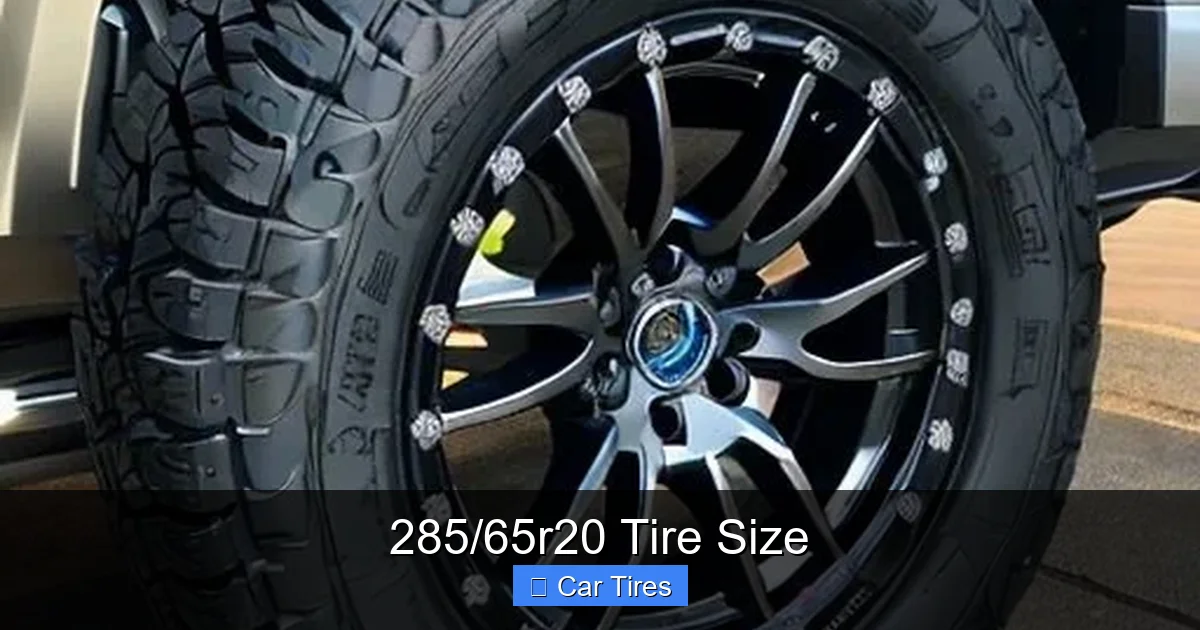
Not every vehicle can accommodate a 285/65r20 tire. These tires are designed for larger, heavier platforms that need the extra size and strength. Here are some of the most common vehicles that use or can be upgraded to this size.
Visual guide about 285/65r20 Tire Size
Image source: tireblogger.com
Ford Super Duty Trucks
The Ford F-250 and F-350 Super Duty trucks are prime candidates for 285/65r20 tires. Many come factory-equipped with this size, especially in higher trim levels or with off-road packages. The wide stance and tall sidewalls complement the truck’s rugged design and towing capabilities. Whether you’re using it for work or play, this tire size enhances both performance and appearance.
Chevrolet and GMC Heavy-Duty Trucks
The Chevrolet Silverado 2500HD and GMC Sierra 2500HD are built for serious hauling and towing. These trucks often feature 285/65r20 tires as standard or optional equipment. The tires provide the necessary load capacity and durability for heavy workloads, while also offering a comfortable ride for daily driving.
Ram 2500 and 3500
Ram’s heavy-duty lineup, including the Ram 2500 and 3500, frequently uses 285/65r20 tires. These trucks are known for their smooth ride and luxurious interiors, and the 285/65r20 size helps maintain that comfort while adding capability. Many Ram owners choose this size when upgrading from stock tires for better off-road performance.
Large SUVs
Vehicles like the Chevrolet Tahoe, GMC Yukon, and Ford Expedition can also benefit from 285/65r20 tires, especially in lifted or modified configurations. While they may not come standard with this size, many owners upgrade to improve ground clearance, traction, and overall presence. Just be sure to check clearance in the wheel wells and suspension components before making the switch.
Aftermarket and Lifted Trucks
If you’ve lifted your truck or added larger wheels, 285/65r20 tires are a popular choice. They fill out the wheel wells nicely and provide the extra height needed for off-road adventures. Just make sure your suspension and fender modifications allow enough room to prevent rubbing during full suspension travel.
Types of 285/65r20 Tires Available
One of the best things about the 285/65r20 size is the variety of tire types available. Whether you need quiet highway performance or aggressive off-road grip, there’s a tire for you.
All-Terrain Tires
All-terrain tires are the most popular choice for 285/65r20. They offer a great balance of on-road comfort and off-road capability. Brands like BFGoodrich All-Terrain T/A KO2, Goodyear Wrangler DuraTrac, and Toyo Open Country A/T III are top picks. These tires have aggressive tread patterns that grip well in mud, snow, and gravel, while still being quiet and smooth on pavement.
Mud-Terrain Tires
If you’re serious about off-roading, mud-terrain tires like the Nitto Trail Grappler or Mickey Thompson Baja Boss are worth considering. They have deep, chunky lugs that excel in mud, rocks, and sand. However, they can be noisy on the highway and may wear faster. These are best for drivers who spend a lot of time off the beaten path.
Highway Tires
For those who primarily drive on paved roads, highway tires like the Michelin Defender LTX or Bridgestone Dueler H/L Alenza offer a quiet, comfortable ride with long tread life. They’re not designed for off-road use, but they provide excellent fuel economy and smooth handling for daily driving and long trips.
Winter and Snow Tires
If you live in a cold climate, consider winter-specific 285/65r20 tires like the Bridgestone Blizzak DM-V2 or Nokian Hakkapeliitta LT3. These tires use special rubber compounds and siping patterns to maintain flexibility in freezing temperatures and provide superior traction on snow and ice.
All-Season Tires
All-season tires are a versatile option for drivers who want one set of tires year-round. They perform well in dry, wet, and light snow conditions. The Continental TerrainContact A/T is a great example—offering all-terrain capability with all-season reliability.
Pros and Cons of 285/65r20 Tires
Like any tire size, 285/65r20 comes with its own set of advantages and drawbacks. Understanding these can help you decide if it’s the right choice for your vehicle and driving style.
Pros
- Excellent Load Capacity: These tires are built for heavy vehicles and can support high loads—often rated at 125 or 128, meaning up to 3,640 pounds per tire.
- Improved Traction: The wide tread and tall sidewalls provide better grip on various surfaces, from wet roads to loose gravel.
- Smoother Ride: The taller sidewall absorbs bumps and vibrations, making for a more comfortable drive.
- Great for Off-Roading: With the right tread pattern, these tires can handle trails, mud, and rocks with confidence.
- Enhanced Appearance: The large size gives trucks and SUVs a bold, aggressive look that many owners love.
Cons
- Higher Cost: Larger tires are generally more expensive to purchase and replace. A set of four can easily cost $1,000 or more.
- Reduced Fuel Economy: The wider tread and heavier weight can increase rolling resistance, leading to slightly lower gas mileage.
- Speedometer Inaccuracy: If you switch from a smaller tire size, your speedometer may read incorrectly unless recalibrated.
- Potential Rubbing: On stock or lightly modified vehicles, the larger size may cause the tires to rub against fenders or suspension parts during turns or over bumps.
- Heavier Steering Feel: The added weight can make steering feel slightly heavier, especially at low speeds.
Tips for Buying and Maintaining 285/65r20 Tires
Choosing the right 285/65r20 tire is just the first step. To get the most out of your investment, you’ll want to follow some best practices for buying and maintaining them.
Match the Tire to Your Driving Needs
Don’t just pick the cheapest or most aggressive tire. Think about how you use your vehicle. If you drive mostly on highways, an all-season or highway tire will serve you better than a mud-terrain. If you frequently go off-road, invest in a quality all-terrain or mud-terrain tire. Matching the tire to your usage will improve performance and longevity.
Check Load and Speed Ratings
Always make sure the tires you choose have the correct load index and speed rating for your vehicle. For most trucks, a load index of 125 or higher is recommended. The speed rating should be at least S (112 mph) or T (118 mph), which is standard for most passenger and light truck tires.
Rotate Regularly
Tire rotation every 5,000 to 7,000 miles helps ensure even wear. Front and rear tires wear differently due to steering and weight distribution. Regular rotation can extend the life of your tires by thousands of miles.
Maintain Proper Inflation
Underinflated tires wear faster, reduce fuel economy, and can overheat. Overinflated tires wear unevenly and provide a harsher ride. Check your tire pressure monthly and adjust it according to the manufacturer’s recommendations (usually found on a sticker inside the driver’s door).
Inspect for Damage
Regularly inspect your tires for cuts, bulges, punctures, or uneven wear. These can indicate alignment issues, suspension problems, or the need for rotation. Catching problems early can prevent blowouts and costly repairs.
Consider Wheel Alignment
If you notice uneven wear or your vehicle pulls to one side, get a wheel alignment. Misaligned wheels can cause rapid tire wear and affect handling. It’s a small investment that pays off in tire life and safety.
Conclusion
The 285/65r20 tire size is a powerhouse option for truck and SUV owners who demand performance, durability, and versatility. With its wide tread, tall sidewall, and 20-inch wheel fitment, it strikes an ideal balance between on-road comfort and off-road capability. Whether you’re towing a trailer, driving through snow, or exploring backroads, these tires are built to handle the challenge.
From Ford Super Duty trucks to lifted SUVs, the 285/65r20 size is a popular choice for good reason. It offers excellent load capacity, improved ground clearance, and a smooth ride—all while giving your vehicle a bold, rugged look. With a wide range of tire types available, you can find the perfect match for your driving style and needs.
Of course, no tire is perfect. The larger size comes with a higher price tag and potential trade-offs in fuel economy and steering feel. But for most owners, the benefits far outweigh the drawbacks. By choosing the right tire, maintaining it properly, and driving responsibly, you can enjoy thousands of miles of reliable performance.
So, if you’re in the market for new tires and your vehicle can accommodate them, the 285/65r20 size is definitely worth considering. It’s more than just a number—it’s a statement of strength, capability, and confidence on the road.
Frequently Asked Questions
What vehicles use 285/65r20 tires?
The 285/65r20 tire size is commonly used on heavy-duty trucks like the Ford F-250, Chevrolet Silverado 2500HD, GMC Sierra 2500, and Ram 2500. It’s also popular on large SUVs and lifted vehicles that need extra ground clearance and load capacity.
Can I put 285/65r20 tires on my stock truck?
It depends on your truck’s make, model, and suspension setup. Many heavy-duty trucks come factory-equipped with this size, but if yours doesn’t, you may need to check for clearance issues. Some trucks may require minor modifications to avoid rubbing.
Are 285/65r20 tires good for off-roading?
Yes, especially if you choose all-terrain or mud-terrain tires. The wide tread and tall sidewall provide excellent traction on loose or uneven surfaces, making them a great choice for light to moderate off-roading.
Do 285/65r20 tires affect fuel economy?
They can slightly reduce fuel economy due to increased rolling resistance and weight. However, modern tire designs have minimized this impact, and the difference is usually small—often less than 1-2 mpg.
How much do 285/65r20 tires cost?
Prices vary by brand and type, but you can expect to pay between $200 and $400 per tire. A full set of four typically costs $800 to $1,600, depending on the model and retailer.
Do I need to recalibrate my speedometer with 285/65r20 tires?
If you’re switching from a significantly smaller tire size, yes. The larger diameter means your speedometer may read slower than your actual speed. Recalibrating ensures accurate readings and prevents speeding tickets.