How to Start a Jeep Grand Cherokee with a Key

Contents
- 1 Key Takeaways
- 2 📑 Table of Contents
- 3 Understanding Your Jeep Grand Cherokee’s Ignition System
- 4 Step-by-Step: Starting a Grand Cherokee with a Traditional Key
- 5 Step-by-Step: Starting a Push-Button Grand Cherokee with the Emergency Key
- 6 Step-by-Step: Starting a 2021+ Grand Cherokee (WL) with a Dead Key Fob
- 7 Troubleshooting: What to Do When the Key Won’t Start the Jeep
- 8 Maintenance and Prevention: Keeping Your Keys and Ignition Healthy
- 9 Conclusion: Your Key is Your Lifeline
- 10 Frequently Asked Questions


Starting your Jeep Grand Cherokee with a physical key is a crucial backup skill for any owner. While most modern Grand Cherokees use keyless entry and push-button start, they all have a manual override system. This guide explains every method, from the traditional key cylinder in older models to the hidden emergency key slot in newer push-start versions. Knowing these procedures ensures you’re never stranded by a dead key fob battery or a faulty electronic system.
So, you’re standing by your trusty Jeep Grand Cherokee, key fob in hand, ready to hit the road. You press the push-button start, and… nothing. The engine doesn’t catch. Panic starts to set in. Is it a dead battery? A faulty starter? Before you call for a costly tow, take a deep breath. The ability to start your Grand Cherokee with a physical key is a fundamental skill that can save you from a major headache. It’s your ultimate backup plan when modern technology fails. This comprehensive guide will walk you through every single method, for every generation of Grand Cherokee, ensuring you’re prepared for any situation.
The Jeep Grand Cherokee has evolved dramatically over its production run. Early models (like the 1993-1998 ZJ or 1999-2004 WJ) featured a straightforward, traditional metal key that inserted directly into an ignition cylinder. Later models (WK, WK2 from 2005-2020) transitioned to a “smart key” fob with a push-to-start button, but they still retained a physical key slot for emergencies. The current 2021+ WL model is fully keyless but has a cleverly concealed emergency start procedure. Understanding which system your vehicle has is the first step to solving the problem. We’ll break it down by era, so you know exactly what to do for your specific Jeep.
Key Takeaways
- Know Your Model Year: Grand Cherokees before 2021 typically have a traditional key ignition, while 2021+ models use a push-button start with a hidden emergency key slot.
- The “ON” Position is Key: Always turn the key to the “ON” or “RUN” position first (dashboard lights on) before cranking the engine to allow the fuel pump to prime.
- Steering Wheel Lock is Common: If the key won’t turn, gently wiggle the steering wheel left and right while turning the key to disengage the lock mechanism.
- Emergency Key Location: The physical spare key is hidden inside your key fob. Press the release button to extract it for use in the door and ignition slot.
- Dead Battery Scenarios: A completely dead vehicle battery will prevent starting with a key. A weak battery may cause slow cranking; jump-starting is often necessary.
- Security System Alerts: A flashing security light on the dash after inserting the key indicates the system isn’t recognizing the key’s chip. This requires reprogramming or a new key.
- Practice Makes Perfect: Familiarize yourself with the manual start procedure *before* you need it in an emergency. Locate the hidden slot and practice extracting the emergency key.
📑 Table of Contents
- Understanding Your Jeep Grand Cherokee’s Ignition System
- Step-by-Step: Starting a Grand Cherokee with a Traditional Key
- Step-by-Step: Starting a Push-Button Grand Cherokee with the Emergency Key
- Step-by-Step: Starting a 2021+ Grand Cherokee (WL) with a Dead Key Fob
- Troubleshooting: What to Do When the Key Won’t Start the Jeep
- Maintenance and Prevention: Keeping Your Keys and Ignition Healthy
- Conclusion: Your Key is Your Lifeline
Understanding Your Jeep Grand Cherokee’s Ignition System
Before you can start anything, you need to know what you’re looking at. The ignition system is the gateway between you and the engine. It has changed over the years, but the core purpose remains the same: to complete the electrical circuit that powers the starter motor and ignition system. Let’s identify your Jeep’s type.
Traditional Key Ignition (Pre-2021 Models)
If your Grand Cherokee has a physical key that you insert into a slot on the steering column and turn, you have a traditional ignition. This is common on models from the early 2000s up through the 2020 model year. The key itself is usually a simple metal blade, sometimes integrated into a fob for remote locking. The ignition cylinder has distinct positions: LOCK (key can be removed), ACC (accessory, powers dash and radio), ON/RUN (all systems powered), and START (cranks engine). The process is simple: insert, turn to ON, then to START.
Keyless Push-Button Start with Emergency Key (2005-2020 WK/WK2)
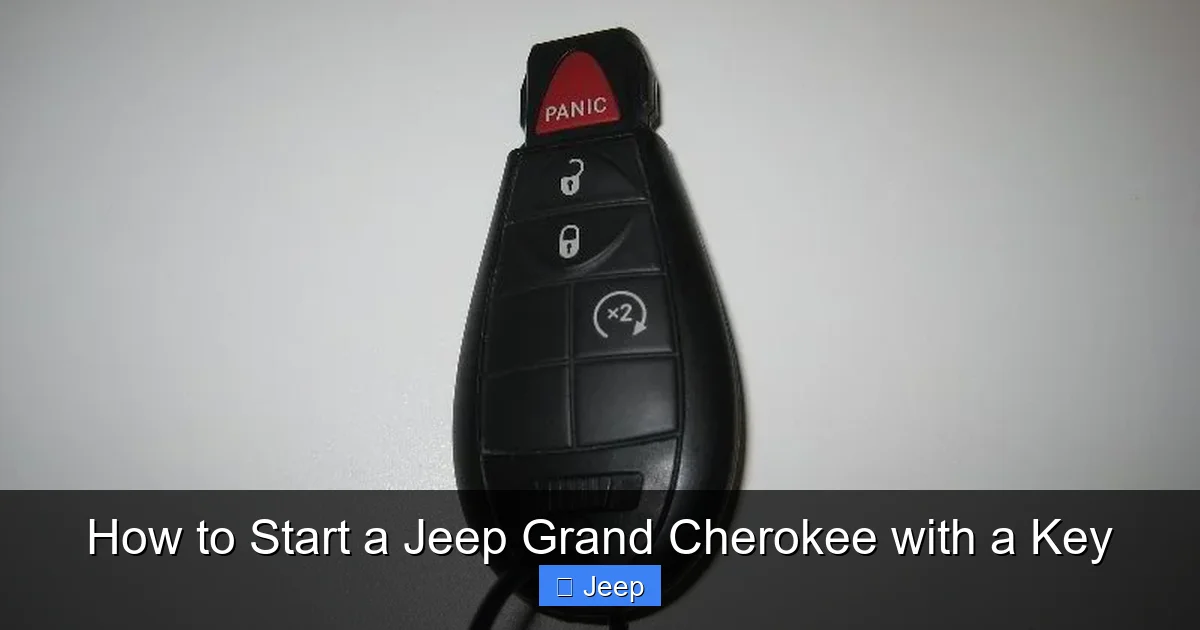
This is the most common system for a decade-plus of Grand Cherokees. There is no visible keyhole on the steering column. Instead, you have a key fob with a push-button start. However, the fob contains a hidden, removable metal emergency key. This key is used to manually unlock the driver’s door if the fob battery dies and, crucially, to start the car in an emergency. The ignition system has a hidden slot, often behind a plastic cover on the steering column or in the center console cup holder area, where you insert this emergency key to enable the push-button start circuit.
Fully Keyless with Concealed Start (2021+ WL Models)
The newest Grand Cherokees have done away with *any* visible key slot. The key fob must be inside the vehicle. To start, you simply press the brake pedal and the start button. But what if the fob battery is dead? There is still a backup. You must use the physical emergency key extracted from the fob to unlock the door. Once inside, the system will detect the key’s presence via a backup antenna. You then press the start button while holding the key fob directly against it, or in a designated spot (often on the steering column shroud). The vehicle’s proximity system senses the key’s chip even with a dead fob battery.
Pro Tip: It’s worth noting that while these are Jeep-specific systems, the underlying principles of emergency key use are similar across many brands. For instance, the process for a Dodge Journey with a manual key shares similarities with older Grand Cherokee models, while the hidden key slot concept is found in many modern vehicles.
Step-by-Step: Starting a Grand Cherokee with a Traditional Key
For owners of models from the late 90s through 2020 (excluding the very newest push-button only models), this is your primary manual method. It’s mechanical, reliable, and requires no special knowledge beyond the basics.
Visual guide about How to Start a Jeep Grand Cherokee with a Key
Image source: paulstravelpictures.com
Step 1: Locate and Insert the Key
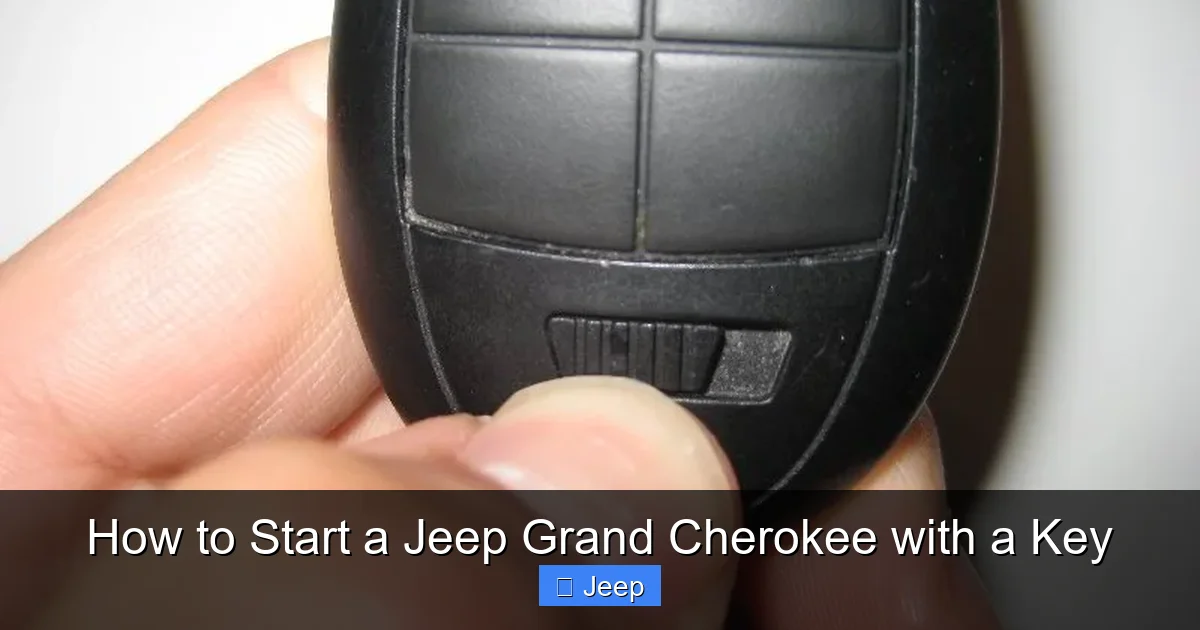
Find your physical key. If it’s attached to a fob, you may need to press a button to release the metal blade. Locate the ignition cylinder on the steering column. It’s usually a round, ribbed slot. Insert the key fully. You might need to jiggle it slightly. Ensure it’s seated properly. If the key won’t go in, check that the steering wheel isn’t locked in an extreme position—try gently turning the wheel left and right while inserting.
Step 2: Turn to the “ON” or “RUN” Position
Before cranking, you must activate the vehicle’s electrical systems. Turn the key clockwise from the LOCK position to ACC (you’ll hear a click, dash lights will illuminate), then continue to ON/RUN. Let it sit in this position for 1-2 seconds. You should hear the fuel pump prime (a brief whirring sound from the rear) and see all dashboard warning lights illuminate and then go out (except for standard indicators like the seat belt light). This step allows the engine control module (ECM) to perform its self-check and build fuel pressure.
Step 3: Crank the Engine
From the ON position, firmly turn the key further clockwise to the START position. This engages the starter motor. Hold it there. The engine should crank and start within 1-3 seconds. As soon as the engine fires and runs smoothly, release the key. It will automatically spring back to the ON position. Do not hold the key in the START position for more than 10-15 seconds at a time to avoid overheating the starter motor. If it doesn’t start, wait 10-15 seconds before trying again.
Step 4: After Starting
Once running, let the engine idle for 15-30 seconds, especially if it’s cold. Check that all lights are off and the oil pressure light is extinguished. Then, gently accelerate and drive away. When you park and turn off the engine, the key will return to LOCK, and you can remove it. Always remove the key when leaving the vehicle.
If your Jeep has a traditional key and this process fails, move to the troubleshooting section below. The principles here are universal for any car with a physical key, as you’d find in a guide for starting a Toyota Camry with a manual key.
Step-by-Step: Starting a Push-Button Grand Cherokee with the Emergency Key
This is for the 2005-2020 Grand Cherokees with the “Proximity Key” and push-button start. The process is a two-part dance: first, use the emergency key to enter the vehicle, then use it to enable the start button.
Visual guide about How to Start a Jeep Grand Cherokee with a Key
Image source: m.media-amazon.com
Part 1: Extracting and Using the Emergency Key to Unlock
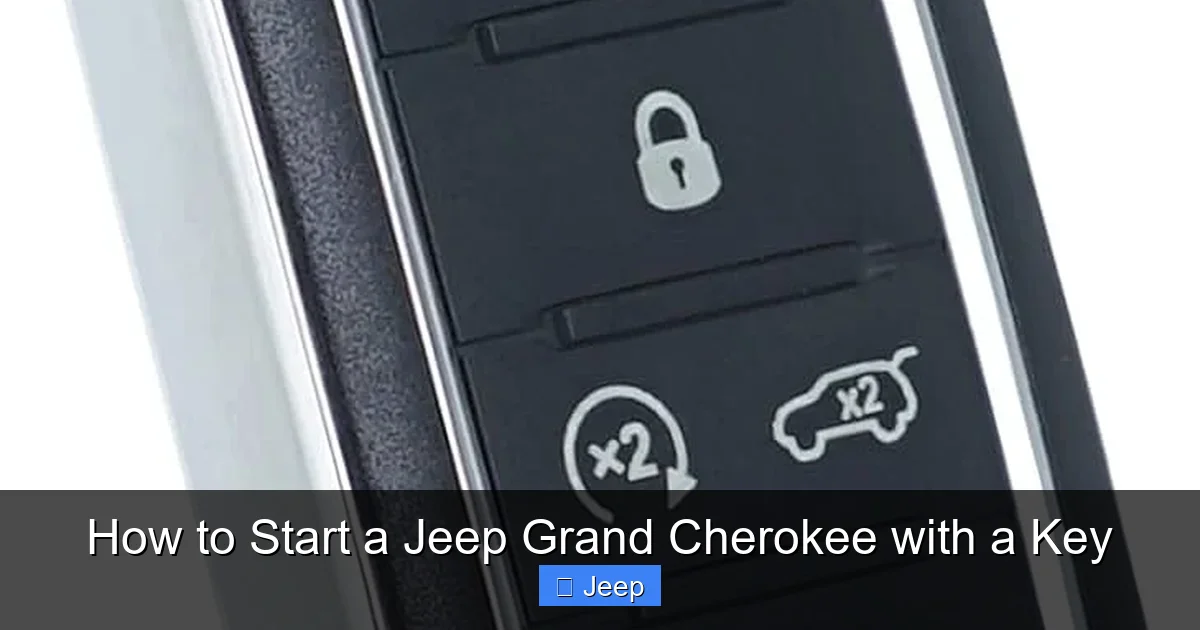
On your key fob, locate the small release button or slider (often on the side or back). Press/slide it to eject the thin, metal emergency key. Use this key to manually unlock the driver’s door. There is a tiny keyhole on the door handle or the door lock cylinder itself. Insert and turn. If the lock is frozen, a little de-icer or gentle force works. Once inside, close the door.
Part 2: Locating the Hidden Ignition Slot
This is the critical step. The emergency key does not start the car directly by turning. It must be inserted into a specific slot that “wakes up” the vehicle’s electronics. The location varies by year and trim:
- Most Common (WK2 2011-2020): Look on the lower part of the steering column, behind a small, rectangular plastic cover. Gently pry this cover off with a fingernail or flat tool. You’ll see a slot that looks like a keyhole.
- Alternative Location: Some models have it inside the center console, in the front of the cup holder area, under a rubber mat or plastic flap.
- Consult Your Manual: Your owner’s manual will have the exact diagram for your specific model year.
Part 3: Inserting the Key and Starting
Insert the emergency key fully into this hidden slot. You should feel it click into place. This action tells the car’s computer, “Hey, the owner is here with a valid key, even if the fob battery is dead.” Now, with your foot on the brake pedal, press the normal push-button start. The car should start exactly as it would with a functional fob. The engine will run, and all systems will power up. Once started, you can remove the emergency key from the slot. The vehicle will continue running normally.
Important: The emergency key slot is only for enabling the start circuit. You do not turn it like an old-fashioned key. It simply needs to be inserted. This method is a lifesaver when your key fob battery dies. For a broader look at starting vehicles without their primary fobs, you can read about how to start a car without the key fob, which covers similar principles.
Step-by-Step: Starting a 2021+ Grand Cherokee (WL) with a Dead Key Fob
The newest generation removed the dedicated emergency key slot entirely. The backup is entirely wireless but requires the physical key blade to unlock the door and then a specific procedure with the fob itself.
Visual guide about How to Start a Jeep Grand Cherokee with a Key
Image source: adventurejeep.com
Step 1: Unlock the Door with the Emergency Key
Extract the emergency key blade from your fob as described earlier. Use it to unlock the driver’s door. There is a traditional keyhole on the door handle (often under a cap). This gets you inside the vehicle.
Step 2: Position the Key Fob for Proximity Start
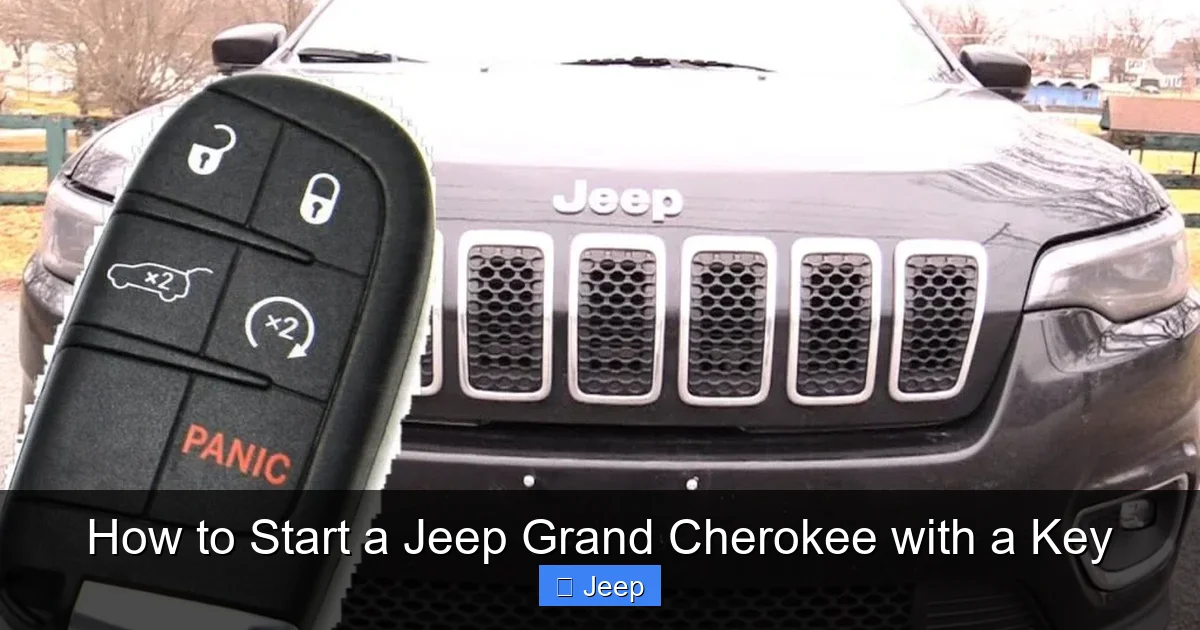
Once inside, place the key fob (with the dead battery) in one of the vehicle’s designated “proximity zones.” The system uses backup antennas to detect the key’s chip. The most common spot is directly against the start button on the dashboard. Hold the fob so the button side is pressed firmly against the start button. Another common location is a marked area on the steering column shroud near the ignition switch area (which is now just a button). Your owner’s manual will specify the exact spot.
Step 3: Start the Engine
With your foot firmly on the brake pedal, press the start button while holding the fob in the proximity zone. You may need to press and hold the start button for 1-2 seconds. The vehicle’s computer will detect the key’s transponder chip via the backup antenna and allow the start sequence to begin. The engine should crank and start normally. Once running, you can remove the fob from the button, but keep it inside the vehicle.
This system is elegant but can be confusing the first time. The key takeaway is that the physical key blade is only for door entry. The actual engine start still uses the key fob, but it relies on the fob’s internal chip, not its battery, when held in the correct spot.
Troubleshooting: What to Do When the Key Won’t Start the Jeep
So you’ve followed the steps correctly, but your Grand Cherokee still refuses to start. Don’t panic. Let’s diagnose the issue systematically.
Symptom: Key Won’t Turn in the Ignition (Traditional Key Models)
This is almost always a steering wheel lock issue. The lock is a security feature that engages when the wheel is turned sharply and the key is removed. To disengage:
- Apply gentle pressure: Insert the key and try to turn it to ON while firmly pushing the steering wheel to the right.
- If that fails, try left: Push the wheel firmly to the left and attempt to turn the key.
- Wiggle method: While attempting to turn the key, slowly and gently wiggle the steering wheel back and forth. You’ll feel a slight give when the lock disengages, and the key will turn.
If the wheel is turned to the extreme lock position, this is normal. Never force the key violently, as you can break it or the cylinder.
Symptom: Key Turns but Engine Doesn’t Crank
This points to an electrical issue, not the key itself.
- Check the battery: A severely discharged or corroded battery cannot provide the cranking amps. Look for dim headlights or a slow, labored crank. A jump start is likely needed. For more on this, see our guide on starting a car with a dead battery.
- Check connections: Corroded or loose battery terminals can prevent power from reaching the starter. Clean the terminals if needed.
- Faulty starter or solenoid: If you hear a single loud click when turning the key but no cranking, the starter solenoid may be engaging but the starter motor is faulty. This requires professional repair.
- Neutral Safety Switch: The car must be in Park (or Neutral for manual) to start. Ensure the gear selector is firmly in Park. Try wiggling the shifter while in Park.
Symptom: Engine Cranks but Won’t Start
The starter is working, but the engine isn’t firing. This is a fuel, air, or spark problem.
- Out of fuel? Sounds obvious, but check the gauge.
- Security light flashing? A solid or flashing security/immobilizer light on the dash after the key is in the ON position means the car’s computer isn’t recognizing the key’s security chip. This could be a dead battery in a key fob (for push-start), a damaged chip, or a faulty vehicle receiver. It often requires a dealer or locksmith to reprogram the key.
- Fuel pump issue: Listen for the fuel pump priming (2-second whir from rear) when you turn the key to ON. No sound could mean a bad pump, fuse, or relay.
- Clogged fuel filter or bad fuel pump: These prevent fuel from reaching the engine.
- Ignition system failure: No spark from spark plugs (if gasoline engine). Could be coils, wires, or the ignition control module.
This level of diagnosis often requires professional tools and knowledge.
Symptom: Push-Button Start Does Nothing (No Lights, No Crank)
This is a complete power loss.
- Dead 12V battery: The main culprit. Even a keyless car needs battery power for all computers. Try jump-starting.
- Corroded/failed battery terminals: Clean and tighten.
- Blown main fuse: Check the main under-hood fuse box for a large, high-amperage fuse (often 60-100A).
Maintenance and Prevention: Keeping Your Keys and Ignition Healthy
An ounce of prevention is worth a pound of cure. Taking care of your keys and ignition system can prevent 90% of these problems.
Key and Fob Care
Your key is a precision electronic device.
- Replace fob batteries proactively: Don’t wait until it dies. The CR2032 batteries in most Jeep fobs last 2-3 years. Replace them every 2 years as preventative maintenance. Changing a Nissan key fob battery or a Jeep one is a similar simple process.
- Protect from damage: Don’t throw your fob. Avoid exposing it to extreme heat (like leaving it on a dashboard) or crushing pressure. A cracked case can damage the internal circuit board.
- Keep spares: Have at least one programmed spare key fob. Getting a new key programmed by a dealer can cost $200-$500. Having a spare made when you still have a working key is cheaper.
- Store the emergency key safely: Know where it is and keep it accessible, but don’t lose it! Some people keep a spare in their wallet.
Ignition Cylinder and Slot Care (For Models That Have One)
The mechanical ignition cylinder can wear out or get dirty.
- Use the correct key: Only use your Jeep’s keys. Worn copies or other keys can damage the tumblers.
- Lubricate occasionally: Once a year, spray a tiny amount of graphite or silicone-based lubricant (like WD-40 Specialist Silicone) into the keyhole. Insert and remove the key a few times to distribute. Avoid oil-based lubricants as they attract dust and grime, creating a paste that jams the cylinder.
- Don’t use heavy keychains: A massive, heavy keychain hanging from the ignition key puts constant stress on the cylinder, leading to premature wear and a key that won’t turn. Use a lightweight key fob or keep the key separate from your other keys when in the ignition.
Battery Health is Paramount
The vehicle’s main 12V battery powers everything, including the ignition system and the computers that read your key.
- Test twice a year: Have your battery’s health tested at any auto parts store (usually free). They can tell you if it’s weak and needs replacement before it leaves you stranded.
- Clean terminals: Corrosion buildup (white/green crust) on the battery posts is a common cause of no-start conditions. Clean with a baking soda/water solution and a wire brush.
- Replace before it fails: Most car batteries last 3-5 years. If yours is older, consider proactive replacement.
By following these maintenance tips, you ensure that when you need to use that physical key—whether it’s a daily routine or an emergency—it will work flawlessly. It’s about respecting the mechanical systems that underpin your high-tech vehicle.
Conclusion: Your Key is Your Lifeline
Mastering the art of starting your Jeep Grand Cherokee with a key is more than just a trick; it’s a fundamental piece of automotive self-reliance. In our increasingly keyless world, the humble physical key is the ultimate fallback. Whether you’re dealing with a dead key fob battery, a faulty push-button circuit, or a completely dead vehicle battery that needs a jump, knowing the manual procedure transforms you from a helpless driver to a capable problem-solver.
We’ve covered the spectrum: from the simple turn of a blade key in a column-mounted ignition, to the clever hidden slot of the push-button era, to the proximity-based backup of the newest models. The common thread is that every Grand Cherokee has a way to start without a fully functional key fob. Your mission is simple: find your owner’s manual, locate the emergency key slot or procedure for your specific model year, and practice extracting that emergency key now, while you’re calm and at home. Don’t wait until you’re stranded in a parking lot at night to fumble in the dark.
Finally, remember that prevention is the best cure. Maintain your key fobs with fresh batteries, protect your ignition cylinder from wear, and keep your vehicle’s main battery in good health. A well-maintained Jeep is a reliable Jeep. Now, go forth with confidence, knowing that no matter what happens with your electronics, you hold the power to start your engine right in your hand.
Frequently Asked Questions
My key fob battery is dead. Can I still start my 2018 Grand Cherokee?
Yes. Extract the emergency metal key from your fob. Use it to unlock the driver’s door. Then, locate the hidden ignition slot (usually on the lower steering column behind a plastic cover). Insert the emergency key fully, press the brake, and push the start button. The car will start normally.
The key won’t turn in the ignition of my 2005 Grand Cherokee. What should I do?
This is almost always due to the steering wheel lock being engaged. Firmly push the steering wheel to the right or left while gently trying to turn the key. You can also slowly wiggle the wheel back and forth as you attempt to turn the key. It should disengage with a slight give.
My 2022 Grand Cherokee’s push-button start does nothing. The key fob battery is new.
A completely dead 12V car battery is the most likely culprit. Even with a good key fob, the car needs battery power for all its computers and the starter. Try jump-starting the vehicle from another car or a portable jump starter. If that fails, the starter or a main fuse may be the issue.
Is the emergency key the same as the main key fob?
No. The emergency key is a simple, physical metal blade stored *inside* your main key fob. It has no remote functions and no battery. Its sole purpose is to manually unlock the door and, in older push-start models, to enable the ignition circuit by inserting it into a hidden slot.
My Grand Cherokee cranks but won’t start, and the security light is blinking. Is it the key?
Yes, this is a classic sign of a security/immobilizer system fault. The car’s computer is not recognizing the security chip in your key. This can be caused by a dead key fob battery (for push-start), a damaged chip, a faulty receiver ring around the ignition, or a glitch in the system. It often requires a dealer or locksmith to reprogram the key to the vehicle.
Can I use any physical key to start my Grand Cherokee?
Absolutely not. The key must be one that is specifically programmed to your vehicle’s security system. A cut key from a locksmith that matches your door locks will not start the engine because it lacks the correct transponder chip. Only keys that are programmed to your vehicle’s VIN will work.