
How to Reset the Gas Cap Light on a Jeep Cherokee

That annoying “Check Fuel Cap” or loose gas cap light on your Jeep Cherokee’s dashboard is usually a simple fix. It’s triggered by a loose, damaged, or missing gas cap, which breaks the sealed fuel system. Resetting it is a quick DIY process: ensure the cap is tight and click it into place, then cycle the ignition or drive the vehicle. If the light persists, you may need to inspect the cap or use an OBD2 scanner. This guide walks you through every step for all Cherokee generations.
Ah, the Jeep Cherokee. A capable, rugged SUV built for adventure. But that little yellow or orange wrench or gas pump icon glowing on your dash? That’s not a welcome trail companion. It’s your vehicle’s way of saying, “Hey, something’s up with the fuel system!” Specifically, the “Check Fuel Cap” or “Loose Gas Cap” message. Before you panic and head to the mechanic for what feels like a trivial issue, take a deep breath. Resetting the gas cap light on a Jeep Cherokee is one of the most straightforward DIY tasks you can tackle. In this complete guide, we’ll walk through exactly why that light comes on, how to fix it for every generation of Cherokee, and what to do if the simple fix doesn’t work. Let’s get that dashboard cleared and get you back on the road with peace of mind.
Key Takeaways
- The gas cap light is a emissions system warning: It indicates a leak in the sealed evaporative emission (EVAP) system, most often from an improperly secured fuel filler cap.
- Always start with a manual reset attempt: Simply remove the cap, inspect it, reinstall it firmly until it clicks, and then cycle the ignition. This resolves 90% of cases.
- Model year dictates the exact reset procedure: Newer Cherokees (2014+) may require a drive cycle or scan tool, while older models (2002-2013) often reset automatically after driving.
- A damaged cap is a common culprit: Over time, the cap’s seal can crack, or the ratcheting mechanism can fail. A $15-$30 replacement cap is a worthwhile investment.
- Never ignore the light long-term: A persistent EVAP leak can reduce fuel economy, increase emissions, and potentially cause a failed emissions test.
- Use an OBD2 scanner for stubborn lights: If the light returns after a manual reset, scanning for the specific EVAP code (like P0455, P0456) is necessary for proper diagnosis.
- Safety first: Always perform gas cap checks and resets in a well-ventilated area, away from sparks or flames, and with the vehicle parked and engine off.
📑 Table of Contents
- Understanding the “Check Fuel Cap” Light: It’s Not Just About the Cap
- Essential Tools and Preparation Before You Begin
- Step-by-Step Reset Procedures for All Jeep Cherokee Generations
- Preventing Future Gas Cap Light Trips: Proactive Care
- When a Simple Reset Isn’t Enough: Advanced Troubleshooting
- Frequently Asked Questions (FAQs)
Understanding the “Check Fuel Cap” Light: It’s Not Just About the Cap
First, let’s demystify what you’re looking at. The light isn’t a direct “gas cap sensor.” Instead, it’s part of your Cherokee’s complex evaporative emission control system (EVAP). This system is designed to capture gasoline vapors from the fuel tank and route them to the engine to be burned, preventing them from escaping into the atmosphere. The entire system must be sealed airtight to function correctly.
The Role of the Gas Cap
The gas cap is the primary seal for this system. Modern Jeep Cherokee gas caps have a ratcheting mechanism and a seal that, when properly tightened, tells the vehicle’s computer (PCM) that the system is closed. If the cap is loose, missing, or has a damaged seal, the PCM detects a pressure leak in the system and illuminates the warning light. It’s a brilliant emissions safeguard, but it can be a minor nuisance when triggered by something as simple as not clicking the cap tight enough after refueling.
Other Potential EVAP Leak Sources
While the gas cap is the #1 suspect (responsible for about 80% of these warnings), the EVAP system has other components. These include the charcoal canister, purge valve, vent valve, and all the connecting hoses. If you’ve confirmed the cap is in perfect condition and tight, but the light returns immediately, a leak in one of these other parts could be the issue. However, for our reset guide, we’ll assume the cap is the problem, which it almost always is.
Essential Tools and Preparation Before You Begin
You don’t need a mechanic’s toolbox for this job. A methodical approach and a few basic items are all that’s required. Being prepared will make the process smooth and ensure you don’t have to stop halfway.
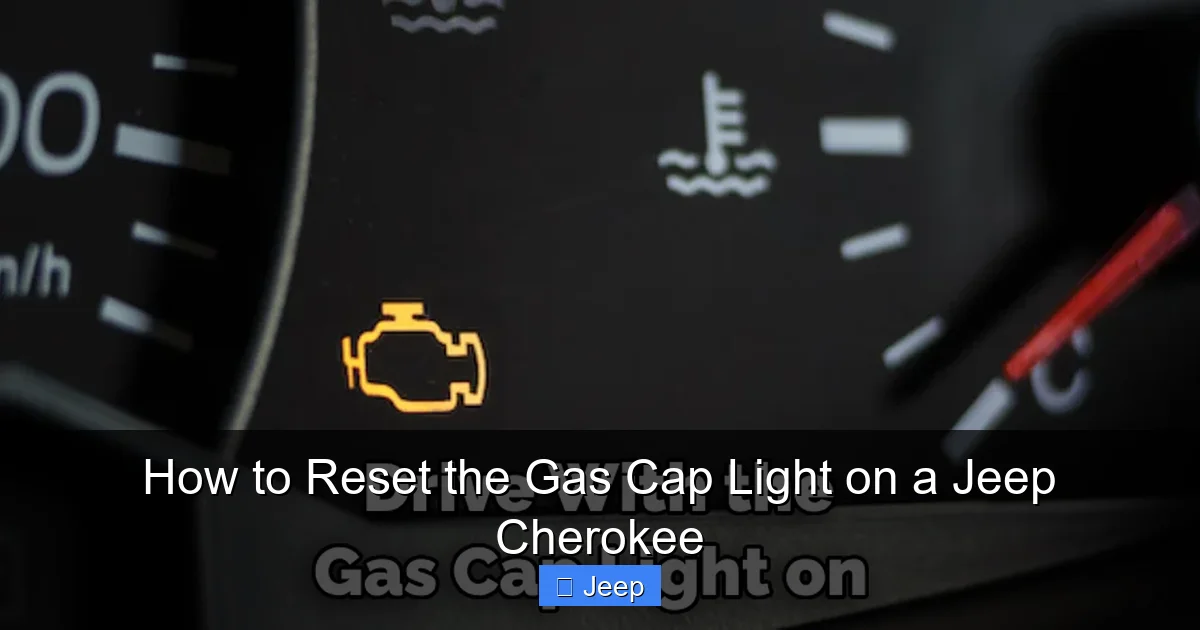
Visual guide about How to Reset the Gas Cap Light on a Jeep Cherokee
Image source: jeepfixes.com
What You’ll Need
- Your Jeep Cherokee’s Owner’s Manual: This is your best friend. It contains the specific reset procedure for your exact model year and trim. Procedures can vary.
- A clean, lint-free cloth: To wipe around the fuel filler neck and inspect the cap seal.
- Your senses: You’ll need to listen for the cap’s click and feel for resistance.
- Patience: The drive cycle for some models can take 15-30 minutes of specific driving conditions.
Safety First: Non-Negotiable Precautions
Working around the fuel system requires common sense. Always perform these steps with the vehicle parked on a level surface, engine OFF, and parking brake set. Do not smoke or create sparks. Work in a well-ventilated area. If you smell strong gasoline fumes, there may be a larger leak, and you should cease work and seek professional help.
Step-by-Step Reset Procedures for All Jeep Cherokee Generations
This is the core of our guide. The reset method depends heavily on your Cherokee’s generation. We’ll break it down clearly.
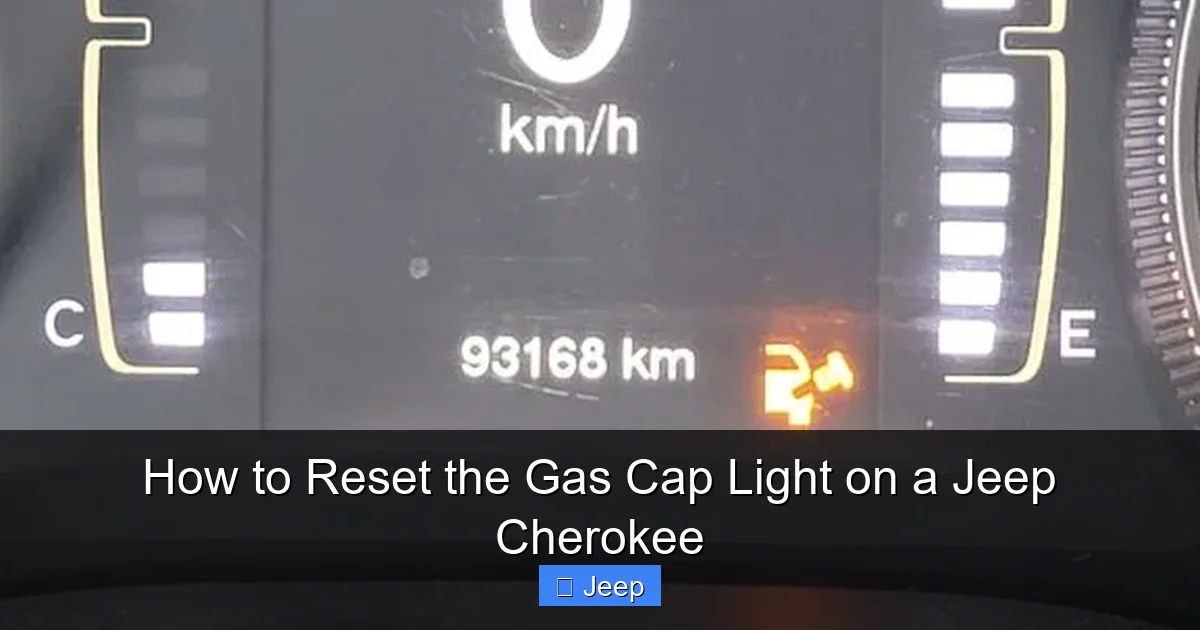
Visual guide about How to Reset the Gas Cap Light on a Jeep Cherokee
Image source: carnewsbox.com
For 2014-2023 Jeep Cherokee (KL Platform)
This is the most common modern Cherokee. The process is simple but must be done correctly.
- Inspect and Secure the Cap: Remove the gas cap. Turn it counterclockwise until it releases. Visually inspect the seal on the underside of the cap for any cracks, cuts, or debris. Also, wipe the filler neck opening clean with your cloth. Reinstall the cap by turning it clockwise. You must turn it until you hear at least 3-4 distinct clicks. This indicates the ratchet mechanism has engaged fully. Push down on the cap as you turn to ensure it’s seated.
- The Ignition Cycle Reset: With the cap now firmly clicked, get into the driver’s seat. Do not start the engine. Simply turn the ignition key to the “ON” or “RUN” position (the position right before the engine starts, where all dash lights come on). Wait 5-10 seconds. Then, turn the key back to “OFF.” Repeat this ON-OFF cycle 3-4 times. On the final “ON” cycle, leave it on and check your dash. The “Check Fuel Cap” light should be off after 10-20 seconds.
- The Drive Cycle (If Light Persists): If the light is still on after the ignition cycle, the PCM may need to see a complete drive cycle to verify the leak is fixed. Start the engine and drive the vehicle for 15-20 minutes. The drive cycle typically requires: 5 minutes of steady driving at 45-55 mph, followed by a 5-minute coast down (with foot off the throttle), then a stop and idle for 2 minutes. The light should go out during or after this cycle.
For 2002-2013 Jeep Cherokee (KK Platform & Earlier)
These older models have a slightly different, often more forgiving, system.
- Cap Inspection and Tightening: The same as above. Remove, inspect, clean, and reinstall the cap until it clicks firmly (usually 3+ clicks). On these models, the cap often has a tether; ensure it’s not trapped.
- Automatic Reset After Driving: For most 2002-2013 Cherokees, there is no manual ignition cycle reset. The system will automatically clear the code and turn off the light after you have driven the vehicle for a complete “drive cycle.” This typically means driving at varying speeds for 15-20 minutes, including some steady highway cruising and some stop-and-go. The light will usually go out on its own. Simply ensure the cap is tight and drive normally.
The OBD2 Scanner Method (The Universal Fix)
If you’ve tried the above and the light is stubbornly glowing, an OBD2 scanner is your next tool. This is the professional method and works on any OBD2-compatible vehicle (all 1996+ Jeeps).
- Locate the OBD2 Port: It’s under the dashboard, just below the steering column on the driver’s side.
- Connect the Scanner: Plug in your OBD2 scanner (any basic code reader will do). Turn the ignition to the “ON” position (do not start).
- Read and Clear Codes: Navigate the scanner menu to “Read Codes.” You’ll likely see an EVAP-related code, such as P0455 (Large EVAP Leak) or P0456 (Very Small EVAP Leak). Note the code. Then, select “Clear Codes” or “Erase Codes.”
- Test: Turn the ignition off, disconnect the scanner, and start the engine. The light should be off. If it comes back on within a few drive cycles, the leak is not fixed, and further diagnosis is needed.
Pro Tip: If you don’t own a scanner, many auto parts stores (like AutoZone, Advance Auto Parts) will scan your vehicle for free. They can also often clear the code for you. However, if the light returns, you’ll need to address the root cause.
Preventing Future Gas Cap Light Trips: Proactive Care
An ounce of prevention is worth a pound of cure. Here’s how to avoid seeing that light again.
Visual guide about How to Reset the Gas Cap Light on a Jeep Cherokee
Image source: i.ytimg.com
Proper Refueling Technique
This is the most common cause of the problem. When refueling, don’t just twist the cap until it stops. After the pump clicks off, continue turning the cap clockwise until you hear and feel at least 3-4 solid clicks. This ensures the ratchet mechanism is fully engaged and the seal is compressed properly. Never force it after the clicks, as you can damage the mechanism.
Regular Cap Inspection and Replacement
Every year or two, remove the gas cap and check the rubber seal. Look for cracks, brittleness, or pieces missing. Also, check the plastic body for cracks. If you see any damage, replace the cap. OEM Mopar caps are reliable, but high-quality aftermarket caps from brands like Stant are also excellent and often cheaper. A good rule of thumb: if your Cherokee is over 5-7 years old, consider a new cap as preventive maintenance.
Keep the Filler Neck Clean
Debris, dirt, or ice caked around the filler neck opening can prevent the cap from sealing fully. Periodically wipe the area clean with a dry or slightly damp cloth. In winter, make sure snow and ice are cleared away before refueling.
Don’t Overfill!
Topping off the tank after the pump automatically shuts off can force liquid gasoline into the EVAP system’s charcoal canister, causing a malfunction and a check engine/light. Stop pumping when the nozzle automatically clicks off.
When a Simple Reset Isn’t Enough: Advanced Troubleshooting
You’ve tightened the cap until your hand hurts. You’ve driven the perfect drive cycle. You’ve cleared the code with a scanner. But the light is back, sometimes within minutes or days. Now what? This indicates a genuine leak in the EVAP system beyond the cap.
Diagnosing the Leak
This requires more skill and tools. A mechanic will use a smoke machine. This device pumps non-toxic smoke into the EVAP system. Wherever smoke escapes, that’s your leak. Common failure points besides the cap include:
- Charcoal Canister: This can crack with age or become saturated.
- Purge or Vent Solenoids/Valves: These electronic valves can stick or fail.
- Hoses: Small rubber hoses can become brittle, crack, or come loose from their fittings.
When to Seek Professional Help
If you’ve gone through the entire reset process and the light returns immediately, it’s time to get a professional diagnosis. A persistent EVAP leak won’t necessarily damage your engine, but it will cause your Cherokee to fail an emissions test, harm the environment, and can slightly reduce fuel economy. A qualified technician with a smoke machine can pinpoint the exact component that needs replacement, saving you from guessing and buying unnecessary parts. For related troubleshooting on other systems, you might find guides on how to reset the check engine light on a Dodge Durango helpful, as it covers similar diagnostic principles for a sister brand vehicle.
Frequently Asked Questions (FAQs)
Can I drive my Jeep Cherokee with the gas cap light on?
Yes, you can drive safely with the light on. It’s not an immediate safety risk like a brake or oil pressure light. However, you should address it promptly. Driving with an EVAP leak can lead to failed emissions tests and slightly poorer fuel economy. It also means raw fuel vapors are venting into the atmosphere.
Do I absolutely need an OBD2 scanner to reset the light?
No. For the vast majority of cases where the cap was simply loose, the ignition cycle method (for 2014+ models) or a simple drive (for 2002-2013 models) will reset the light automatically. You only need a scanner if the manual reset fails and you need to clear a persistent code for diagnostic purposes.
My gas cap looks fine and is tight, but the light is still on. What gives?
First, double-check that you heard at least 3-4 clicks when tightening. Sometimes the cap seems tight but isn’t fully ratcheted. Second, inspect the cap’s rubber seal meticulously for tiny nicks or hardening. Third, check the filler neck for any debris preventing a seal. If all is visually perfect, the leak is likely elsewhere in the EVAP system (hose, canister, valve), and a smoke test is needed.
How much does a replacement gas cap cost?
A genuine OEM Mopar gas cap typically costs between $25 and $45. High-quality aftermarket caps from brands like Stant or Standard Motor Products are often in the $15-$30 range and work perfectly. Avoid cheap, no-name caps, as they often have poor seals and will cause the problem to recur.
Is the reset procedure different for a Jeep Cherokee vs. a Jeep Grand Cherokee?
The fundamental principle is identical—secure the cap, cycle ignition, drive. However, the exact drive cycle requirements or menu navigation through the vehicle’s settings (if using the dash menu reset on some models) can vary slightly between the Cherokee and Grand Cherokee platforms. Always consult your owner’s manual for your specific model.
My 2018 Cherokee’s light came on after I filled up. I tightened the cap, but the light stayed on for two days. Is that normal?
It can be. The PCM needs to complete a full drive cycle to confirm the leak is gone. This requires specific driving conditions (steady speeds, idle, etc.). It may take 2-3 drive cycles (starting and stopping the vehicle) over a couple of days for the light to extinguish on its own, assuming the cap was the only issue. If it stays on for more than a week with normal driving, re-inspect the cap and consider a scan.
Frequently Asked Questions
Can I reset the gas cap light by disconnecting the battery?
While disconnecting the battery will clear all codes and reset the light, it is a nuclear option. It will also reset your radio presets, clock, and other electronic settings. It’s unnecessary for a gas cap light and is not the recommended procedure. The ignition cycle method is cleaner and preserves your vehicle’s other settings.
Why does my gas cap light keep coming back even after I replace the cap?
If a new, properly installed cap doesn’t solve the problem, the leak is elsewhere in the EVAP system. The most common other culprit is a faulty purge valve or vent solenoid. These are electronic valves that can stick open or closed. A professional diagnosis with a smoke machine is required to find the exact leak point.
Is there a way to reset the light without driving?
For 2014+ Cherokees, the ignition ON-OFF cycle method is designed to work without driving. However, if the PCM requires verification through a drive cycle (which it often does), the light may reappear until you drive the vehicle under the specified conditions. There is no shortcut for the PCM’s self-test requirements.
What does a “tighten gas cap” message mean versus a “check engine” light?
Many modern Jeeps, including Cherokees, have a dedicated “Check Fuel Cap” message or a specific icon (a gas pump with a wrench). This is a more precise warning than a generic “Check Engine” light. However, a large EVAP leak will often trigger both the specific message and the general check engine light. Always address the specific message first.
My Cherokee is a 2012 model. I tightened the cap and drove for 20 minutes, but the light is still on. What now?
For your 2012 model, the system should reset automatically after a complete drive cycle. If it hasn’t, first, try the drive cycle again, ensuring it includes varied speeds and a full warm-up. If it still persists, the issue may not be the cap. You likely have a failing component in the EVAP system, and using an OBD2 scanner to read the stored code (e.g., P0455) is the next critical step for diagnosis.
Are gas cap reset procedures similar across all Fiat Chrysler (Stellantis) vehicles?
Yes, the core principles are very similar across all Fiat Chrysler Automobiles (FCA) vehicles, including Dodge, Chrysler, and Jeep. The ignition cycle method is standard for 2014+ models. You can often apply the same logic to related vehicles. For example, the steps to reset the oil change light on a Dodge Ram involve a different system (oil life monitor), but the underlying concept of using the ignition and menu system is comparable to how some Jeeps reset service lights.