
How to Disable the Nissan Factory Alarm

Disabling the Nissan factory alarm doesn’t have to be complicated. Whether you’re dealing with false triggers, a malfunctioning sensor, or simply want peace and quiet, this guide walks you through safe, effective methods—no professional tools required.
Key Takeaways
- Understand why your Nissan alarm is going off: Common causes include faulty door sensors, low battery voltage, or a failing key fob battery.
- Use the key fob to disarm the system: Pressing the unlock button or holding the panic button can often stop the alarm immediately.
- Try the manual override method: Inserting the key into the driver’s door and turning it can reset the alarm system.
- Check the hood and trunk sensors: Misaligned or dirty sensors are frequent culprits behind false alarms.
- Reset the system via the fuse box: Removing and reinserting the alarm fuse can reboot the entire security system.
- Consult your owner’s manual: Nissan provides model-specific instructions that should always be your first reference.
- Seek professional help if needed: Persistent issues may indicate deeper electrical problems requiring a certified technician.
📑 Table of Contents
Why Is Your Nissan Factory Alarm Going Off?
If you’ve ever been startled by your Nissan’s factory alarm blaring in the middle of the night—or worse, in a quiet parking garage—you’re not alone. The Nissan factory alarm is designed to protect your vehicle from theft, but sometimes it can become overly sensitive or malfunction. Understanding why it’s triggering is the first step toward solving the problem.
The most common reason for unexpected alarms is a faulty door, hood, or trunk sensor. These tiny switches detect whether a compartment is open or closed. Over time, dirt, moisture, or wear can cause them to send incorrect signals to the alarm module, making the system think someone is trying to break in. Another frequent culprit is a weak car battery. When voltage drops below a certain level, the alarm system may interpret this as tampering and activate as a precaution.
Other triggers include a dying key fob battery, which can cause communication issues between the remote and the car, or even extreme temperature changes that affect electronic components. In some cases, aftermarket accessories like dash cams or phone chargers wired into the fuse box can interfere with the factory alarm system. Knowing these potential causes helps you troubleshoot more effectively before jumping to drastic measures.
Common Symptoms of Alarm Malfunction
You might notice your Nissan’s alarm acting up in several ways. It could go off randomly when no one is near the car, fail to arm when you lock it, or refuse to disarm even with the correct key fob. Some drivers report that the alarm only triggers at night or during cold weather, which often points to a low battery or temperature-sensitive sensor.
Another telltale sign is the alarm sounding when you open the door using the physical key instead of the remote. This usually means the door lock actuator isn’t properly signaling that the door has been unlocked electronically. Similarly, if the alarm activates when you open the trunk, the trunk latch sensor may need cleaning or adjustment.
Pay attention to patterns. Does the alarm go off after rain? That could indicate water intrusion near a sensor. Does it happen after you’ve charged your phone in the car? An improperly installed accessory might be drawing power incorrectly. Keeping a log of when and where the alarm triggers can help you—and a technician—diagnose the root cause faster.
How to Quickly Silence the Alarm

Visual guide about How to Disable the Nissan Factory Alarm
Image source: thecarhow.com
When your Nissan’s factory alarm starts blaring unexpectedly, your first instinct might be to panic. But don’t worry—there are quick, reliable ways to shut it off without damaging your vehicle or voiding your warranty.
The fastest method is using your key fob. Simply press the “Unlock” button once. In most Nissan models, this will immediately disarm the alarm and stop the siren. If that doesn’t work, try pressing and holding the “Panic” button for a few seconds. This often resets the alarm system and silences the noise.
If you don’t have the key fob handy—maybe it’s out of battery or lost—you can use the physical key. Insert the key into the driver’s side door lock and turn it to the “Unlock” position. Hold it there for about 10–15 seconds. This action mimics the electronic signal the car expects when unlocking remotely and often resets the alarm.
Using the Physical Key Method
This old-school approach works on nearly all Nissan vehicles, from older models like the Sentra and Altima to newer ones like the Rogue and Pathfinder. The key here is patience. Don’t just turn the key and pull it out immediately. Instead, turn it fully to the unlock position and hold it. You’ll usually hear a soft click or feel a slight resistance—that’s the door lock mechanism engaging.
After holding for 10–15 seconds, try opening the door slowly. If the alarm stops, great! If it continues, repeat the process once more. Sometimes the system needs a second attempt to recognize the manual override. Once inside, start the engine normally. The car should reset its security system automatically.
This method is especially useful during emergencies, like when your key fob battery dies overnight and you need to get to work. It’s also a good backup plan if you’re traveling and don’t want to rely solely on electronic systems.
Key Fob Troubleshooting Tips
If your key fob isn’t responding, the battery is likely the issue. Most Nissan key fobs use a CR2032 coin cell battery, which lasts about 2–3 years. Replacing it is simple: use a small flathead screwdriver to gently pry open the fob, swap the old battery for a new one (making sure the positive side faces up), and snap it back together.
After replacing the battery, test the fob by standing near your car and pressing the lock or unlock button. You should see the lights flash and hear the locks engage. If not, try reprogramming the fob. On many Nissans, this involves turning the ignition on and off in a specific sequence while pressing buttons—check your owner’s manual for exact steps.
Also, keep your key fob away from other electronic devices like phones or tablets, which can interfere with its signal. And avoid leaving it in direct sunlight or extreme cold, as temperature extremes can drain the battery faster.
Disabling the Alarm Permanently (Temporary vs. Permanent Solutions)
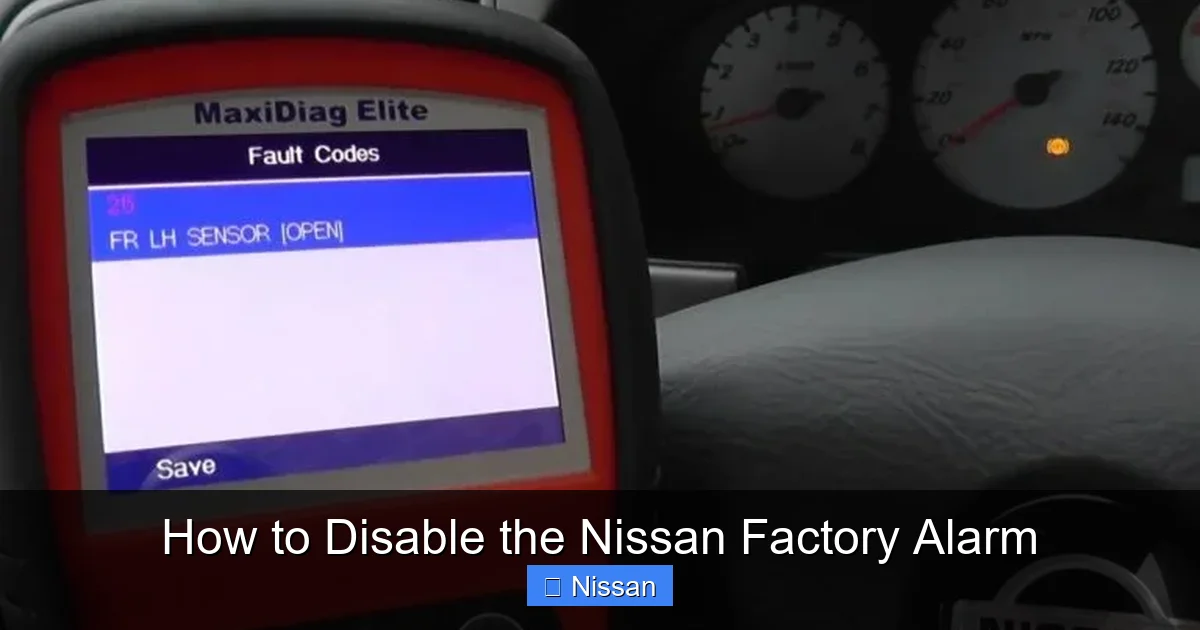
Visual guide about How to Disable the Nissan Factory Alarm
Image source: thecarhow.com
Now, let’s talk about whether you should disable the alarm permanently. In most cases, we don’t recommend it. The factory alarm is a critical security feature that deters theft and protects your investment. However, there are situations where temporary or partial disabling makes sense—like during long-term storage, if you’re installing aftermarket electronics, or if the alarm is malfunctioning repeatedly.
Temporary disabling usually involves using the key fob or manual override to stop the alarm for a short period. This is ideal if you’re troubleshooting or need quiet while loading groceries at night. Permanent disabling, on the other hand, requires accessing the vehicle’s wiring or fuse box and should only be done if absolutely necessary.
When Temporary Disabling Makes Sense
Imagine you’re camping and parked your Nissan in a remote area. The wind keeps triggering the alarm because it’s shaking the car slightly. Instead of letting it drain your battery all night, you might choose to temporarily disable it. Similarly, if you’re working on your car and don’t want the alarm going off every time you open a door, a temporary fix is practical.
To do this safely, use the key fob to disarm the system, then lock the car using the physical key. This way, the doors are secured, but the alarm won’t activate if a door is opened manually. Just remember to re-enable it once you’re done.
Permanent Disabling: Risks and Considerations
Permanently disabling the Nissan factory alarm involves disconnecting its power source, typically by removing a specific fuse or relay. While this stops false alarms, it also removes a layer of security. Thieves often target cars with no alarms, so you’re increasing your risk of theft.
Additionally, tampering with factory systems can void your warranty or cause issues during resale. If you ever decide to sell your Nissan, buyers may be wary of a disabled alarm system. And if you later want to re-enable it, you’ll need to reverse the process carefully to avoid damaging the electrical system.
If you still choose to proceed, always consult your owner’s manual or a repair guide specific to your model year. Never cut wires unless you’re certain of what you’re doing—mistakes can lead to short circuits or blown fuses.
Step-by-Step Guide to Disabling via the Fuse Box
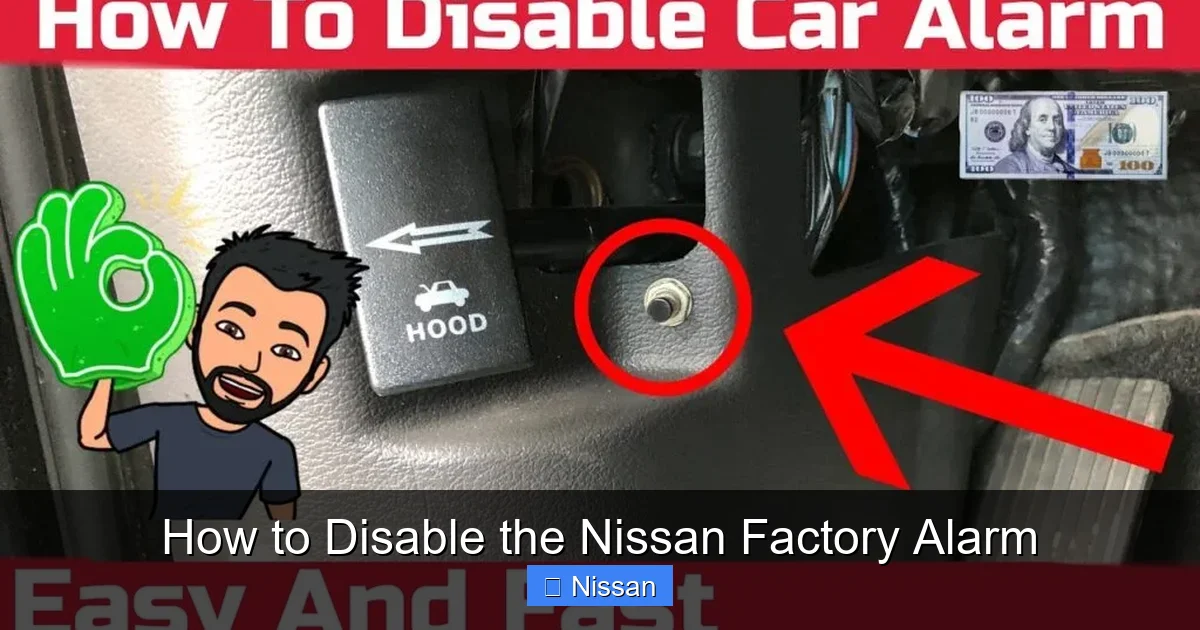
Visual guide about How to Disable the Nissan Factory Alarm
Image source: thecarhow.com
One of the safest and most reversible ways to disable the Nissan factory alarm is by removing the alarm fuse. This method cuts power to the alarm module without altering any wiring, making it easy to restore later.
First, locate your vehicle’s fuse box. Most Nissans have two: one under the hood (engine compartment) and one inside the cabin, usually beneath the dashboard on the driver’s side. The interior fuse box is typically easier to access and contains the alarm-related fuses.
Locating the Correct Fuse
Open the fuse box cover and look for the diagram printed on the inside. This diagram labels each fuse by function—look for terms like “Security,” “Alarm,” “Theft Deterrent,” or “Body Control Module.” If there’s no clear label, refer to your owner’s manual or search online for your specific model and year.
Common fuse numbers for the alarm system include Fuse 15, Fuse 20, or Fuse 30, but this varies widely. For example, a 2015 Nissan Altima uses Fuse 15 (10A) in the interior fuse box for the security system, while a 2020 Nissan Rogue may use Fuse 25. Always double-check before pulling anything.
Safely Removing and Reinserting the Fuse
Once you’ve identified the correct fuse, use a fuse puller tool (often included in the fuse box) or a pair of needle-nose pliers to gently remove it. Pull straight up—don’t twist or bend the fuse. Set it aside in a safe place so you can reinstall it later.
With the fuse removed, the alarm system will no longer function. Test this by locking the car with the key fob and then opening a door—the alarm should not sound. To re-enable the system, simply reinsert the fuse into its slot. Make sure it’s seated firmly and the cover is closed properly.
This method is ideal for short-term use, such as during vehicle maintenance or if you’re experiencing persistent false alarms while waiting for a repair. It’s also completely reversible, so you won’t lose any factory functionality permanently.
Checking and Fixing Sensor Issues
Since faulty sensors are the leading cause of false alarms, inspecting and maintaining them is crucial. Start with the door sensors—these are small plunger-style switches located near the door latches. Over time, they can get dirty, corroded, or misaligned.
Cleaning Door and Trunk Sensors
Open each door and locate the sensor—it usually looks like a small rubber or plastic button protruding from the door frame. Use a cotton swab dipped in rubbing alcohol to clean around the sensor. Avoid using water or harsh chemicals, as they can damage the mechanism.
For the trunk or hood sensor, check the latch area. These sensors are often exposed to dirt, leaves, and moisture. Clean them thoroughly and ensure the latch closes fully. If the sensor appears loose or damaged, it may need replacement—most auto parts stores carry universal replacements that fit many Nissan models.
Adjusting Misaligned Sensors
Sometimes, a door or trunk doesn’t close tightly enough to trigger the sensor. This can happen after an accident, if the hinges are worn, or if the weather stripping has compressed. Try adjusting the striker plate (the metal piece the latch hooks onto) by loosening its screws and moving it slightly inward.
Test the adjustment by closing the door and checking if the interior lights turn off (a sign the door is fully closed). If the alarm still triggers, the sensor itself may be faulty and require professional diagnosis.
When to Seek Professional Help
While many alarm issues can be resolved at home, some problems require expert attention. If you’ve tried all the above steps and the alarm continues to malfunction, it’s time to visit a Nissan dealership or certified mechanic.
Persistent alarms may indicate a failing body control module (BCM), a central computer that manages the alarm, locks, lights, and more. Replacing the BCM is complex and usually requires specialized diagnostic tools and software. Similarly, if your car’s wiring has been damaged—perhaps from water intrusion or rodent chewing—a technician will need to trace and repair the affected circuits.
Don’t ignore recurring issues. A constantly triggered alarm can drain your battery, annoy neighbors, and even lead to fines in some municipalities for noise violations. Plus, it’s a sign that something deeper is wrong with your vehicle’s electrical system.
What to Expect at the Dealership
When you bring your Nissan in, the technician will likely connect it to a diagnostic scanner to read error codes from the security system. They’ll check sensor inputs, battery voltage, and communication between modules. If a part needs replacement, they’ll order the correct OEM component to ensure compatibility.
While dealership service can be more expensive than independent shops, it offers the advantage of factory-trained technicians and genuine Nissan parts. This is especially important for newer models with advanced security features like encrypted key fobs and GPS tracking.
Preventing Future Alarm Problems
The best way to deal with the Nissan factory alarm is to prevent issues before they start. Regular maintenance goes a long way in keeping your security system running smoothly.
Start by replacing your key fob battery every two years, even if it seems to be working. Keep your car’s battery in good condition—have it tested annually, especially before winter. Clean door and trunk sensors during routine washes, and inspect weather stripping for cracks or wear.
Avoid installing aftermarket electronics unless you’re confident in your wiring skills. If you must add accessories, use a fuse tap designed for your vehicle and connect them to circuits that won’t interfere with the alarm system.
Finally, read your owner’s manual. Nissan provides detailed information about the factory alarm, including how to arm/disarm it, what the different light patterns mean, and troubleshooting tips specific to your model.
Final Tips for Peace of Mind
Keep a spare key fob battery in your glove compartment. Store your owner’s manual in an easy-to-reach place. And if you live in an area with high theft rates, consider adding a visible deterrent like a steering wheel lock—even with the factory alarm disabled, extra layers of security help.
Remember, the goal isn’t to eliminate the alarm entirely, but to ensure it works when you need it and stays quiet when you don’t. With the right knowledge and a little maintenance, your Nissan’s factory alarm can be a reliable guardian—not a noisy nuisance.
Frequently Asked Questions
Can I disable the Nissan factory alarm without tools?
Yes, you can temporarily disable it using the key fob or physical key. For permanent disabling, you’ll need access to the fuse box, but no special tools beyond a fuse puller or pliers.
Will disabling the alarm void my warranty?
Temporarily removing the fuse usually won’t void your warranty, but permanently altering wiring might. Always check with your dealer before making changes.
Why does my Nissan alarm go off when it rains?
Rain can seep into door or trunk sensors, causing false triggers. Clean and dry the sensors, and check for damaged weather stripping.
How do I know which fuse controls the alarm?
Check the diagram inside your fuse box cover or consult your owner’s manual. Look for labels like “Security” or “Theft Deterrent.”
Can a dead car battery cause the alarm to malfunction?
Yes, low voltage can confuse the alarm system, making it think the car is being tampered with. Recharge or replace the battery and reset the system.
Is it safe to drive with the alarm disabled?
It’s safe mechanically, but your car will be more vulnerable to theft. Only disable it temporarily and re-enable it as soon as possible.
