
How to Add Freon to a 2016 Nissan Rogue

Adding Freon to your 2016 Nissan Rogue can restore cool air and improve comfort, but it must be done correctly. This guide walks you through the process safely, including tools needed, safety precautions, and when to call a professional.
If your 2016 Nissan Rogue’s air conditioning isn’t blowing as cold as it used to, you’re not alone. Many drivers notice a gradual decline in cooling performance, especially during hot summer months. One of the most common causes? Low refrigerant levels—commonly referred to as “Freon,” though the correct term for modern systems is R-134a. While it might be tempting to ignore the issue or wait it out, driving with undercharged AC not only makes your ride uncomfortable but can also strain the compressor and lead to costly repairs down the road.
The good news is that adding refrigerant to your 2016 Nissan Rogue is a task many DIYers can handle with the right tools and knowledge. However, it’s not as simple as just spraying a can into a port. There are safety concerns, proper procedures, and important checks you must perform to ensure you’re solving the problem—not making it worse. This guide will walk you through everything you need to know, from diagnosing low refrigerant to safely recharging your system and knowing when it’s time to call in a professional.
Whether you’re a weekend mechanic or just looking to save a few bucks on an AC recharge, this comprehensive guide will help you tackle the job with confidence. We’ll cover the tools you’ll need, step-by-step instructions, safety tips, and common mistakes to avoid. By the end, you’ll understand not only how to add Freon to your 2016 Nissan Rogue but also how to maintain your AC system for long-term performance.
Key Takeaways
- Check for leaks first: Low refrigerant often indicates a leak; simply adding Freon won’t fix the root issue.
- Use the correct refrigerant: The 2016 Nissan Rogue uses R-134a, not older or alternative types.
- Never overcharge the system: Too much Freon can damage the compressor and reduce cooling efficiency.
- Safety gear is essential: Wear gloves and goggles to protect against refrigerant exposure.
- DIY kits work for minor top-offs: For small losses, recharge kits with gauges are safe and effective.
- Professional help is best for major issues: If the system is empty or you’re unsure, visit a certified technician.
- Monitor performance after recharging: Ensure cold air returns and stays consistent to confirm success.
📑 Table of Contents
Understanding Your 2016 Nissan Rogue’s AC System
Before you grab a can of refrigerant, it’s important to understand how your vehicle’s air conditioning system works. The AC system in your 2016 Nissan Rogue is a closed loop that relies on refrigerant—specifically R-134a—to absorb heat from the cabin and release it outside. This process involves several key components: the compressor, condenser, expansion valve, and evaporator. When refrigerant levels drop, the system can’t absorb enough heat, resulting in warm or lukewarm air from the vents.
Refrigerant doesn’t “wear out” like oil or brake fluid. Instead, it circulates continuously within the system. So if your AC is low, it’s almost always due to a leak. Common leak points include O-rings, seals, the condenser (often damaged by road debris), or the compressor shaft seal. Simply adding more refrigerant without fixing the leak is a temporary fix at best—and can even be dangerous if the system is compromised.
The 2016 Nissan Rogue uses R-134a refrigerant, which is standard for vehicles manufactured after 1994. It’s important not to confuse this with older R-12 systems (common in pre-1994 cars) or newer R-1234yf systems (used in some 2013+ models). Using the wrong type can damage your AC system and void your warranty. Always check the label under your hood or consult your owner’s manual to confirm the correct refrigerant type.
Another key point: the AC system operates under high pressure. Refrigerant can cause frostbite on contact with skin and is harmful if inhaled. That’s why safety gear—like gloves and safety goggles—is non-negotiable. Also, never attempt to open the system unless you’re certain it’s safe to do so. If you smell a sweet odor, hear hissing, or notice oil stains near AC components, you likely have a leak that needs professional attention.
Signs Your 2016 Nissan Rogue Needs a Refrigerant Recharge
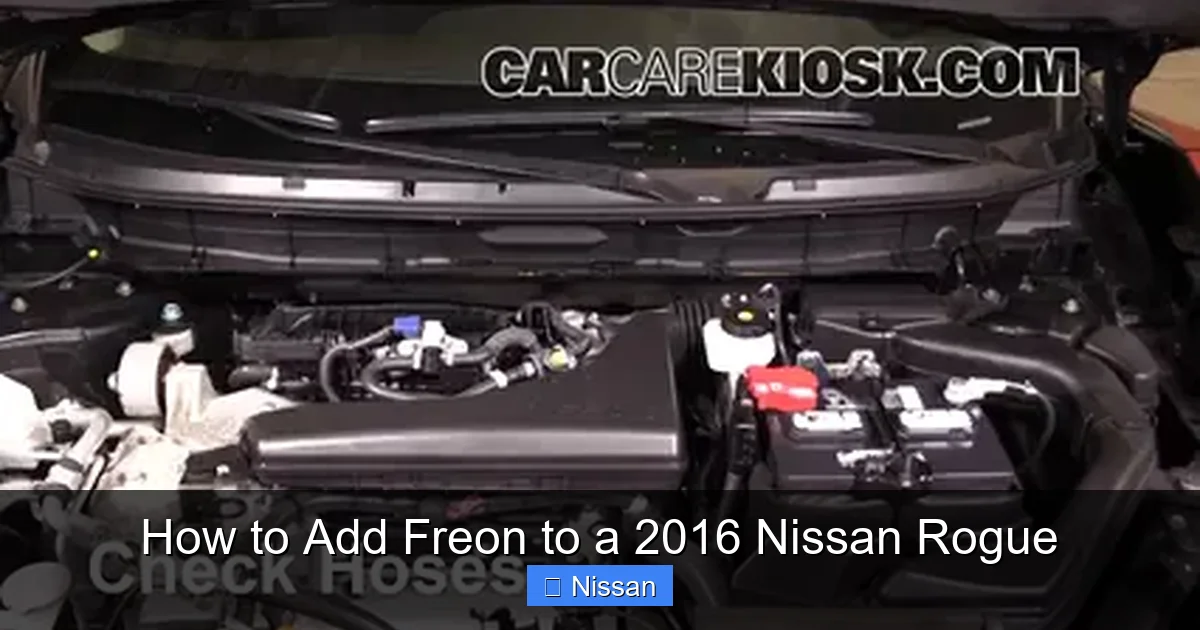
Visual guide about How to Add Freon to a 2016 Nissan Rogue
Image source: d2n97g4vasjwsk.cloudfront.net
So how do you know if your AC needs more refrigerant? While a lack of cold air is the most obvious sign, there are several other symptoms to watch for. The first and most common is reduced cooling performance. You might notice that the air from the vents is only slightly cooler than outside air, or that it takes much longer to cool the cabin on a hot day.
Another telltale sign is inconsistent airflow. If the AC blows cold for a few minutes and then turns warm, it could indicate low refrigerant levels. This happens because the system struggles to maintain pressure and circulation. You might also hear unusual noises—like clicking or gurgling—coming from under the dashboard or engine bay when the AC is running. These sounds can signal that the compressor is cycling on and off rapidly due to low pressure.
You may also notice that the compressor clutch (located on the front of the AC compressor) isn’t engaging properly. When you turn on the AC, the clutch should click and the pulley should spin. If it doesn’t engage or only engages intermittently, low refrigerant could be the culprit. However, this symptom can also point to electrical issues or a faulty clutch, so it’s important to rule out other causes.
In some cases, you might see ice buildup on the evaporator or refrigerant lines. This happens when moisture in the system freezes due to low refrigerant and improper pressure. While it might seem counterintuitive, ice can actually block airflow and make the AC seem less effective. If you notice frost or ice on any AC components, turn off the system immediately and have it inspected.
Finally, check your owner’s manual for the recommended refrigerant charge level. Most 2016 Nissan Rogues require between 18 to 22 ounces (about 1.1 to 1.4 pounds) of R-134a. If you’ve recently had the system serviced and it’s already low again, that’s a strong indication of a leak.
Tools and Materials You’ll Need
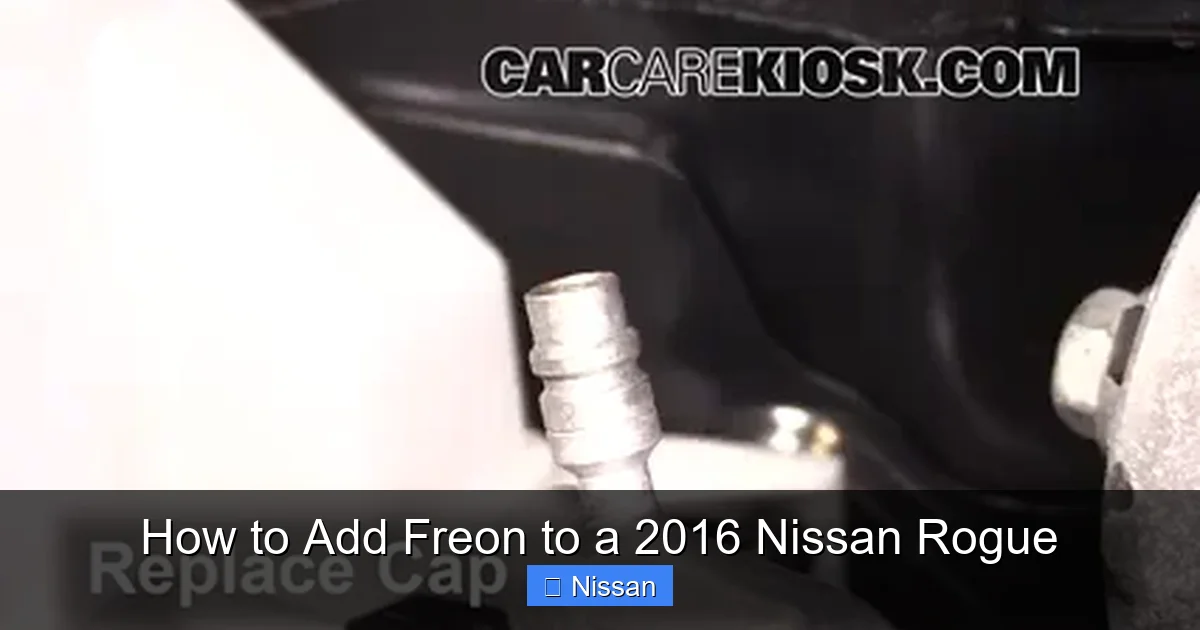
Visual guide about How to Add Freon to a 2016 Nissan Rogue
Image source: d2n97g4vasjwsk.cloudfront.net
Before you begin, gather all the necessary tools and materials. Having everything ready will make the process smoother and safer. Here’s what you’ll need:
First and foremost, you’ll need a refrigerant recharge kit designed for R-134a systems. These kits typically include a can of refrigerant, a hose with a pressure gauge, and a trigger-style dispenser. Look for a kit that includes a built-in gauge so you can monitor system pressure in real time. Avoid cheap kits without gauges—they make it easy to overcharge the system, which can damage the compressor.
You’ll also need safety gear: nitrile gloves and safety goggles. Refrigerant can cause severe frostbite if it contacts your skin, and the high-pressure spray can be dangerous if mishandled. Never skip this step, even if you’re in a hurry.
A digital thermometer can help you measure the temperature of the air coming from the vents. Ideally, the air should be 35–45°F cooler than the outside temperature. For example, if it’s 85°F outside, your AC should blow air around 40–50°F. This will help you confirm whether the recharge was successful.
You may also want a flashlight to inspect the AC components under the hood, especially the low-pressure service port. This port is usually located on the larger aluminum line running from the compressor to the firewall. It’s often labeled “L” or has a blue or black cap. The high-pressure port (usually smaller and labeled “H”) should not be used for recharging unless you’re a trained technician.
Finally, have a clean rag and some brake cleaner or AC system cleaner on hand to wipe down the service port before connecting the hose. Dirt or debris can contaminate the system and cause leaks.
Step-by-Step Guide to Adding Freon
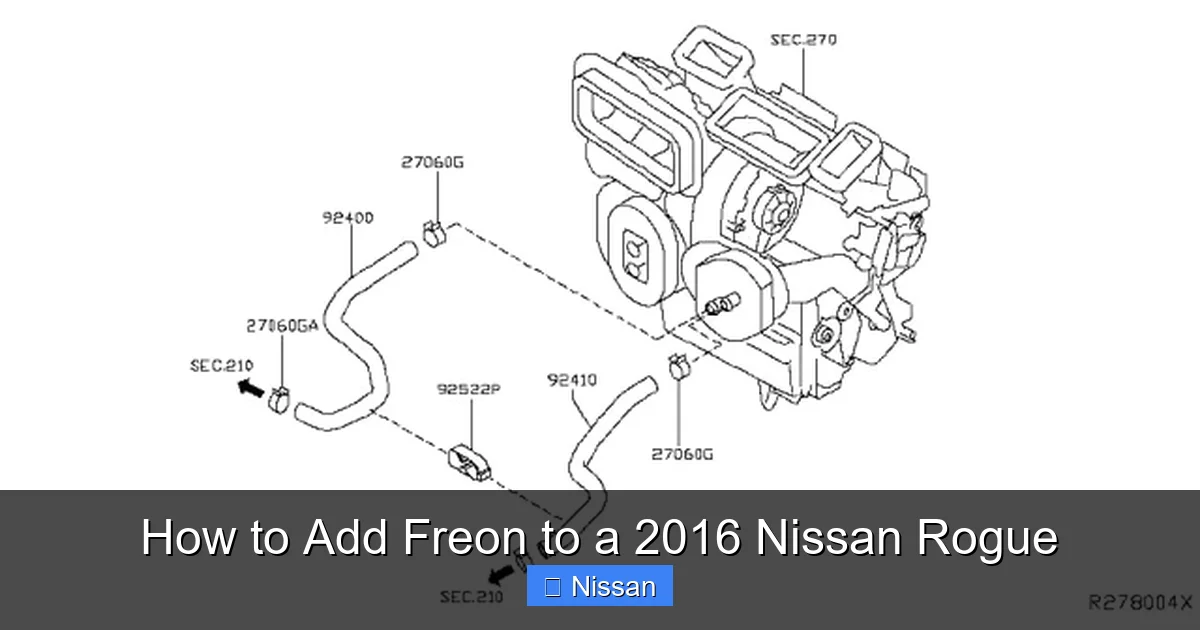
Visual guide about How to Add Freon to a 2016 Nissan Rogue
Image source: nissanpartsdeal.com
Now that you’re prepared, let’s walk through the process of adding Freon to your 2016 Nissan Rogue. Follow these steps carefully to ensure a safe and effective recharge.
Step 1: Park and Prepare the Vehicle
Start by parking your Rogue on a level surface and turning off the engine. Let the vehicle sit for at least 10–15 minutes to allow the AC system to depressurize. This is crucial—attempting to open the system while it’s pressurized can result in injury.
Open the hood and locate the low-pressure service port. It’s typically on the suction line near the compressor, identifiable by its larger diameter and blue or black cap. Remove the cap and set it aside in a clean area.
Step 2: Connect the Recharge Kit
Shake the refrigerant can well before use. Attach the hose from the recharge kit to the can according to the manufacturer’s instructions. Most kits have a threaded connection that screws onto the top of the can.
Next, connect the other end of the hose to the low-pressure service port. Push it on firmly until it clicks or locks into place. Do not force it—if it doesn’t fit easily, double-check that you’re using the correct port.
Step 3: Start the Engine and Turn on the AC
Start the engine and turn the AC to the maximum cooling setting. Set the fan to high and make sure the recirculation mode is on (this pulls air from inside the cabin, making the system work harder and helping you monitor performance).
Let the system run for a few minutes to stabilize. You should hear the compressor engage—this is the clutch on the front of the compressor clicking and the pulley spinning.
Step 4: Monitor the Gauge and Add Refrigerant
Watch the pressure gauge on the recharge kit. The ideal low-side pressure for a properly charged R-134a system is typically between 25 and 45 psi, depending on ambient temperature. Refer to the chart on your recharge kit or consult a pressure-temperature reference guide.
Slowly open the valve on the recharge kit to allow refrigerant to flow into the system. Hold the can upright to prevent liquid refrigerant from entering the system—only vapor should be drawn in. If the can gets cold or frost forms on it, pause and let it warm up slightly.
Add refrigerant in short bursts, checking the gauge and vent temperature frequently. Aim for a vent temperature of 35–45°F below outside air. For example, if it’s 80°F outside, your vents should blow air around 35–45°F.
Step 5: Disconnect and Test
Once the system is charged, close the valve on the recharge kit and disconnect the hose from the service port. Replace the cap on the port and wipe away any residue.
Let the AC run for another 5–10 minutes to ensure consistent cold air. Take a short drive to test performance under real-world conditions.
If the air remains cold and the compressor cycles normally, the recharge was successful. If not, there may be a leak or another issue requiring professional diagnosis.
Safety Precautions and Common Mistakes
Safety should always be your top priority when working with refrigerant. Never attempt to recharge your AC system without proper protection. Refrigerant can cause severe frostbite, and inhaling the vapor can lead to dizziness, nausea, or even asphyxiation in enclosed spaces. Always work in a well-ventilated area and avoid direct skin contact.
One of the most common mistakes is overcharging the system. Adding too much refrigerant increases pressure, which can damage the compressor, condenser, or seals. Always monitor the gauge and stop when the pressure and temperature are within the recommended range.
Another mistake is using the wrong type of refrigerant. Never use R-12 or R-1234yf in a 2016 Nissan Rogue—only R-134a is compatible. Mixing refrigerants can cause chemical reactions that destroy the system.
Avoid recharging a system that’s completely empty. If the pressure reads zero or near zero, there’s likely a major leak. Adding refrigerant without fixing the leak is not only ineffective but can also contaminate the new refrigerant and damage components.
Finally, don’t ignore warning signs like hissing noises, oil stains, or sweet odors. These are strong indicators of a leak that requires professional repair. Continuing to drive with a leaking system can lead to compressor failure, which can cost $800–$1,500 to replace.
When to Call a Professional
While DIY recharging is possible for minor top-offs, there are times when you should leave it to the experts. If your AC system is completely empty, has a known leak, or you’re unsure about any part of the process, it’s best to visit a certified technician.
Professionals have access to electronic leak detectors, UV dye kits, and vacuum pumps that can thoroughly evacuate and recharge the system. They can also perform a pressure test to confirm the system holds charge and identify hidden leaks.
Additionally, if your compressor is making loud noises, the clutch isn’t engaging, or the system repeatedly loses refrigerant, these are signs of deeper issues that require specialized tools and expertise.
Remember, while a DIY recharge can save you $50–$100, a botched job can lead to thousands in repairs. When in doubt, it’s better to be safe than sorry.
Maintaining Your AC System
After recharging your AC, take steps to keep it running smoothly. Replace the cabin air filter every 12,000–15,000 miles—a clogged filter restricts airflow and reduces cooling efficiency.
Run the AC for at least 10 minutes every week, even in winter. This keeps the seals lubricated and prevents leaks.
Have your AC system inspected annually, especially before summer. A technician can check for leaks, test pressure, and ensure all components are functioning properly.
By following these tips, you’ll extend the life of your AC system and enjoy cool, comfortable rides for years to come.
Conclusion
Adding Freon to your 2016 Nissan Rogue is a manageable task if you follow the right steps and prioritize safety. Start by diagnosing the issue, gather the correct tools, and recharge the system carefully while monitoring pressure and temperature. Always wear protective gear and avoid overcharging.
Remember, low refrigerant is often a symptom of a leak—not the root cause. If your system loses charge quickly or you notice other warning signs, consult a professional. Regular maintenance and timely repairs will keep your AC blowing cold and your drives comfortable.
With this guide, you’re equipped to handle a refrigerant top-off confidently. Stay cool, drive safe, and enjoy the comfort of a properly functioning air conditioning system.
Frequently Asked Questions
Can I add Freon to my 2016 Nissan Rogue myself?
Yes, you can add Freon yourself using a DIY recharge kit, but only if the system has a minor loss and no major leaks. Always follow safety procedures and monitor pressure carefully.
How much does it cost to recharge the AC in a 2016 Nissan Rogue?
A DIY recharge kit costs $20–$40, while a professional service typically ranges from $100–$200, depending on labor and whether a leak repair is needed.
How often should I recharge my AC system?
You shouldn’t need to recharge your AC regularly. If it’s low, there’s likely a leak. Have the system inspected to find and fix the source of the problem.
What happens if I overcharge the AC system?
Overcharging increases pressure, which can damage the compressor, seals, and other components. It may also reduce cooling efficiency and cause the system to shut down.
Is it safe to drive with low refrigerant?
Driving with low refrigerant won’t damage the engine, but it can strain the compressor and lead to overheating or failure over time. It’s best to address the issue promptly.
Can I use any type of refrigerant in my 2016 Nissan Rogue?
No. The 2016 Nissan Rogue requires R-134a refrigerant. Using other types can damage the system and void your warranty.
