How to Clean Tesla White Seats

Contents
- 1 Key Takeaways
- 2 📑 Table of Contents
- 3 Why Your Tesla’s White Seats Are a High-Maintenance Masterpiece
- 4 Know Your Enemy: Identifying Your Tesla’s Exact Seat Material
- 5 The Essential Toolkit: What You Actually Need (And What to Avoid)
- 6 Step-by-Step Cleaning Guide: Tackling Common Stains
- 7 Building a Maintenance Routine That Actually Works
- 8 The Professional Intervention: When DIY Isn’t Enough
- 9 Conclusion: Embracing the White Interior Lifestyle
- 10 Frequently Asked Questions

Car Window Tint Film

Car Paint Touch Up Pen

Car Wax Polish

Diesel Fuel Additive
Cleaning Tesla white seats requires a gentle, material-specific approach to avoid damage. Always identify your seat material first—Tesla uses Synthetic Ultra White (vegan leather), Alcantara, or fabric. Use only pH-neutral, non-abrasive cleaners and microfiber tools, and always spot-test in an inconspicuous area. Regular, light maintenance is far easier than battling deep-set stains, and knowing when to call a professional can save your interior from costly mistakes.
Key Takeaways
- Identify Your Exact Material: Tesla uses several white seat materials (Synthetic Ultra White, Alcantara, cloth). Each requires a different cleaning method. Check your owner’s manual or feel the surface to be sure.
- Use Only pH-Neutral, Non-Abrasive Products: Harsh chemicals like bleach, ammonia, or standard household cleaners will degrade and discolor the delicate surfaces. Invest in cleaners labeled safe for synthetic leather or microsuede.
- Always Spot-Test First: Apply any new cleaner to a small, hidden area (like the seat bottom crease) and wait 24 hours to check for discoloration or texture changes before full application.
- Tool Choice is Critical: Use soft, clean microfiber towels and a soft-bristle brush. Never use scrub pads, stiff brushes, or paper towels, as they can scratch and leave lint.
- Blot, Don’t Rub: For liquid spills, immediately blot from the outside of the stain inward to prevent spreading. Rubbing grinds the stain deeper into the material’s fibers.
- Dry Thoroughly & Ventilate: After cleaning, use a dry microfiber towel to remove all moisture. Leave windows slightly open or use the fan to ensure seats are completely dry, preventing mildew.
- Prevention is Your Best Strategy: Use seat covers designed for your Tesla model, enforce a strict “no dark jeans” rule, and attend to spills within minutes. Regular light cleaning prevents buildup.
📑 Table of Contents
- Why Your Tesla’s White Seats Are a High-Maintenance Masterpiece
- Know Your Enemy: Identifying Your Tesla’s Exact Seat Material
- The Essential Toolkit: What You Actually Need (And What to Avoid)
- Step-by-Step Cleaning Guide: Tackling Common Stains
- Building a Maintenance Routine That Actually Works
- The Professional Intervention: When DIY Isn’t Enough
- Conclusion: Embracing the White Interior Lifestyle
Why Your Tesla’s White Seats Are a High-Maintenance Masterpiece
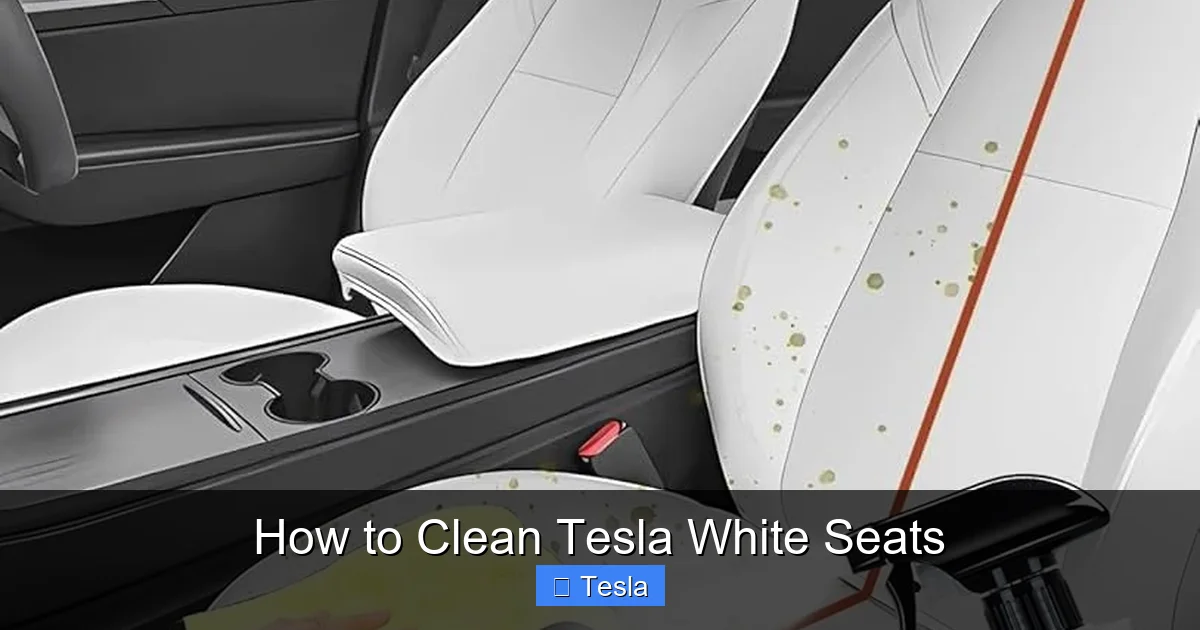
Let’s be honest: you didn’t choose white Tesla seats on a whim. You chose them for that stunning, airy, minimalist cabin that makes every drive feel like you’re piloting a spaceship. That crisp, bright interior is a statement. But it’s also a target. Every speck of dust, every faint denim transfer, every coffee droplet becomes a glaring headline on that pristine canvas. Cleaning Tesla white seats isn’t just about aesthetics; it’s about preserving one of your car’s most valuable and noticeable features. The wrong cleaner or a heavy hand can leave permanent discoloration, stiff patches, or even tears. This guide cuts through the confusion. We’ll walk you through exactly how to clean Tesla white seats safely and effectively, whether you have the standard Synthetic Ultra White vegan leather, optional Alcantara, or fabric seats. The goal is to keep your interior looking showroom-fresh for years to come, without the fear of ruining it.
The challenge with white, especially in a car, is twofold: visibility and chemistry. Light colors show everything, but many traditional “tough” cleaners contain chemicals that are too aggressive for the delicate, often coated, surfaces in modern Teslas. Tesla’s own “Synthetic Ultra White” is a proprietary polyurethane blend designed to look like leather but feel cooler and be more stain-resistant. It’s still, however, susceptible to staining from dyes, oils, and pigments if not addressed promptly and correctly. Alcantara, a luxurious microfiber, is even more delicate, acting like a velvet trap for dirt. And cloth, while durable, can harbor deep-set odors and stains. One-size-fits-all advice from the internet will fail you here. We’re going to get specific.
Know Your Enemy: Identifying Your Tesla’s Exact Seat Material
Before you buy a single product, you must know what you’re cleaning. Using a leather cleaner on Alcantara is a recipe for a ruined, greasy seat. Here’s how to identify your Tesla’s interior material with confidence.

Visual guide about How to Clean Tesla White Seats
Image source: automotiveglory.com
Synthetic Ultra White (The Most Common)
This is the standard white interior in most Model 3 and Model Y vehicles. It’s a vegan leather alternative. To identify it, press your fingernail firmly into the seat. You’ll feel a slight, flexible give, but the surface is smooth and non-porous. It has a consistent, matte-to-satin finish and doesn’t have a woven texture. It’s cool to the touch in a climate-controlled car. If your owner’s manual lists the interior as “Premium” or “All-White” without specifying “fabric” or “Alcantara,” this is almost certainly what you have. Caring for it is similar to caring for other high-quality synthetic leathers, like those found in some Toyota Softex seats, though formulations should always be checked for compatibility.
Alcantara (The Luxury Suede-Like Option)
Often a paid upgrade or found in performance trims, Alcantara is a branded, engineered microfiber with a short, dense nap—it feels like a very soft, short-pile velvet or suede. Run your hand over it; you’ll feel a distinct fuzzy texture that can “grab” at your skin. It’s highly absorbent and will hold onto lint, dust, and liquid spills differently than smooth leather. It requires a very specific, gentle cleaning method to avoid matting the nap permanently. Never use any liquid cleaner meant for smooth surfaces on Alcantara without explicit approval.
Fabric / Cloth Seats
Less common in white, but available in some inventory or used vehicles, cloth seats have a visible woven pattern. You can see and feel the individual threads. They are the most breathable but also the most absorbent, making spills and odors a bigger concern. Cleaning requires a different set of tools, often involving extraction or specialized fabric shampoos. The principles for cleaning light-colored fabric are similar to those for Subaru’s cloth seats, but always test products first.
Pro Tip: The easiest way to confirm is to check your vehicle’s window sticker (Monroney label) or your Tesla account’s “Vehicle Design” specifications. It will list the interior material explicitly.
The Essential Toolkit: What You Actually Need (And What to Avoid)
Armed with the knowledge of your material, assemble your cleaning kit. Using the wrong tools is half the battle lost. Forget what you see in generic car cleaning videos.

Visual guide about How to Clean Tesla White Seats
Image source: m.media-amazon.com
Must-Have Products for Synthetic Ultra White & Leather Alternatives
- pH-Neutral, Non-Abrasive Cleaner: This is non-negotiable. Look for cleaners specifically labeled for “synthetic leather,” “vegan leather,” “polyurethane,” or “eco-leather.” They are formulated to clean without stripping the protective coating. Avoid any product with “conditioner” built-in for routine cleaning; use a dedicated protector separately.
- Soft, Clean Microfiber Towels: Use multiple, high-quality, plush microfiber towels (like glass-cleaning towels). They must be clean and free of any grit from previous use. Have one for applying cleaner, one for wiping, and a dry one for final buffing.
- Soft-Bristle Interior Brush: A brush with very soft, synthetic bristles (like a dedicated detailing brush or a clean, soft paintbrush) is useful for agitating cleaner into seams and textured areas without damaging the surface.
- Soft-Pad Scrubber (Optional): For stubborn grime on smooth surfaces, a white melamine foam “magic eraser” can be used extremely sparingly and only on Synthetic Ultra White. Dampen it, squeeze out nearly all water, and rub gently. It’s an abrasive, so test in a hidden spot and use it as a last resort.
Specialized Needs for Alcantara
- Alcantara-Specific Cleaner: Use a cleaner designed for microsuede/nap fabrics. These lift dirt without saturating the fibers.
- Alcantara Brush/Nap Raiser: A soft rubber brush or a dedicated Alcantara comb is essential after cleaning to restore the nap’s original texture and prevent matting.
- Steam Cleaner (Low-Pressure): Some detailers use a handheld steamer with a fabric attachment for deep cleaning, but this requires skill to avoid over-wetting.
For Fabric Seats
- Upholstery Shampoo: A dedicated fabric and carpet shampoo.
- Handheld Extraction Tool (Optional but Ideal): A small “spot cleaner” machine that sprays and immediately suctions the dirty water is the gold standard for cloth. It minimizes moisture retention.
Universal Protectors & Final Steps
- Material-Specific Protector: After cleaning and drying, apply a protectant. For synthetic leather/leather, use a UV-resistant, non-oily spray protectant. For Alcantara, use an Alcantara-specific protector that repels liquids. For fabric, a fabric guard spray.
- Vacuum with Crevice Tool: A good vacuum with a soft brush attachment is your first step to remove loose dirt and debris before any wet cleaning.
What to NEVER Use on Tesla White Seats
This is the critical list. These will cause permanent damage:
- Bleach, ammonia, or ammonia-based cleaners (like Windex).
- Standard household all-purpose cleaners.
- Oil-based conditioners or “leather” conditioners (they leave a greasy residue that attracts dirt and can degrade synthetic materials).
- Harsh scrubbing pads (Scotch-Brite, steel wool).
- Paper towels (they can be abrasive and leave lint).
- Silicon-based or shiny “dash” protectants on seats (they will feel sticky and attract dust).
- Any colored dye or “white out” pen-type products.
Step-by-Step Cleaning Guide: Tackling Common Stains
Now, let’s get our hands dirty—safely. This process assumes you’ve vacuumed the entire seat surface thoroughly first. Work on small sections at a time.

Visual guide about How to Clean Tesla White Seats
Image source: evehiclepro.com
The Universal Pre-Clean Process (For All Materials)
1. Test: Apply your chosen cleaner to a hidden area (seat bottom edge where it meets the carpet). Follow the full process and let it dry completely. Check for colorfastness and texture change.
2. Apply Sparingly: Mist the cleaner directly onto your microfiber towel, not onto the seat. This prevents over-saturation and pooling.
3. Work in Sections: Clean 12×12 inch areas at a time.
4. Wipe & Agitate Gently: Use the cleaner-dampened towel to wipe the area. For textured surfaces or seams, use the soft brush to gently agitate the cleaner.
5. Wipe Clean: Immediately take a second, clean microfiber towel (dry or slightly damp with water) and wipe away all cleaner residue. Residue left on the surface will feel sticky and attract dirt.
6. Dry: Use a third, perfectly dry microfiber towel to buff the area dry. Press and wipe, don’t rub.
7. Repeat: Move to the next section.
Treating Everyday Spills (Water, Coffee, Soda)
Speed is your ally. Blot immediately with a dry microfiber towel. For fresh spills, the universal pre-clean process above is often sufficient. For older or sticky spills (like dried soda), you may need to repeat the process. On Synthetic Ultra White, a slightly dampened (with water) magic eraser can be used *very gently* on the sticky residue, followed immediately by the pH-neutral cleaner and full wipe-down to remove any abrasive particles from the eraser.
Conquering Oil-Based Stains (Grease, Makeup, Lotion)
Oil is the nemesis of light interiors. First, blot up any excess with a dry towel. Do not rub. You need a cleaner that can emulsify oil. A dedicated “tar and grease remover” safe for synthetics or a small amount of a citrus-based pre-treatment can work. Apply it sparingly to a towel and blot the stain. Let it sit for 30-60 seconds (don’t let it dry). Then, proceed with your standard pH-neutral cleaner and the full wipe-down process. You may need to do this twice. For makeup, a specific makeup remover wipe (tested first!) can sometimes lift the pigment before the main clean.
Fighting Deep-Set Discoloration & Dye Transfer (Denim, Dark Clothing)
This is the toughest battle. Blue jean dye is infamous. If the transfer is fresh, aggressive blotting with a cleaner-dampened towel may work. For set-in dye, you’ll need a dedicated dye/ink remover safe for synthetics (like a specialty automotive interior stain remover). Apply it to a towel, dab it on the stain (don’t soak), let it sit per product instructions (usually 1-2 minutes), and then immediately neutralize and clean with your pH-neutral cleaner. This process may lighten the overall area slightly. In severe cases, professional wet-sanding or color correction by a specialist may be the only option. This is where proper care for white leather seats—even on different materials—shares a common theme: immediate attention is paramount.
Reviving Alcantara’s Nap & Removing Stains
For Alcantara, liquid is the enemy. Use a minimal amount of Alcantara cleaner on a microfiber towel. Blot, don’t rub. For spills, press down and lift to absorb. After cleaning, the nap will be flattened. This is normal. You must use the Alcantara brush to vigorously brush the area in multiple directions to lift the fibers back to their original fuzzy state. Do this when the material is completely dry. For oil stains on Alcantara, a dry-cleaning solvent (like a dedicated dry spotter) applied with a towel is often more effective than a water-based cleaner.
Dealing with Scuffs, Scratches, and Marks
Light surface scuffs on Synthetic Ultra White can sometimes be reduced with a magic eraser used with extreme care. A better first step is to try a dedicated “scuff remover” for synthetic leather. For deeper scratches that have removed the colored coating, there is no DIY fix. These require a professional to apply a color-matched touch-up. Never try to “scrub” a scuff out; you’ll likely make it wider and duller.
Building a Maintenance Routine That Actually Works
The secret to perpetually white seats isn’t a magical cleaner; it’s a consistent, light-touch routine. Think of it like dental hygiene for your car.
The Weekly 5-Minute Wipe-Down
Once a week, take a dry or slightly damp (water only) microfiber towel and quickly wipe down all seat surfaces. This removes dust, loose hair, and surface dirt before it gets ground in. Do this when the car is cool and the seats are not in direct sun. This simple habit prevents 80% of staining issues.
The Monthly Deep Clean (As Needed)
Once a month, or after a particularly messy trip, perform the full cleaning process described above on high-contact areas (driver and passenger seat bolsters, where you enter/exit). You likely won’t need to clean the entire seat every month. Focus on problem zones.
Protection is Prevention
After a thorough clean and dry, apply a protectant. For Synthetic Ultra White, use a UV-protectant spray that does not contain silicone or wax. Spray it onto a microfiber towel and wipe it on. This creates an invisible barrier that causes liquids to bead up, giving you more time to blot. Reapply every 2-3 months or after a deep clean. For Alcantara, use an Alcantara-specific protector that maintains the nap’s feel. Consider high-quality, fitted seat covers designed for your specific Tesla model (Model 3, Y, S, X) for daily wear and tear, especially if you frequently wear dark clothes or have pets/kids. Remove them for occasional deep cleaning of the actual seats underneath.
Lifestyle Adjustments for White Seat Owners
This is the hard truth. To keep white seats white, you need to change a few habits:
- No Dark Jeans Rule: Denim is the #1 cause of blue staining. Either change clothes before driving or use a seat cover/blanket over the seat.
- Immediate Spill Protocol: Keep a small, dedicated cleaning kit in your center console: a soft microfiber cloth and a small bottle of your pH-neutral cleaner. The moment a spill happens, pull over safely and blot it.
- Mind Your belongings: Be careful with pens, markers, dark-colored bags, and sports equipment in the cabin.
- Garage Parking: If possible, park in a garage. Prolonged UV exposure can subtly yellow white materials over time, even with protectant.
The Professional Intervention: When DIY Isn’t Enough
Despite your best efforts, some situations demand a professional. Knowing when to call them saves you from irreversible damage.
Signs It’s Time for a Pro
- Permanent, Set-In Stains: Dye transfer, ink, or deep oil stains that resisted all your home attempts.
- Discoloration or Yellowing: This could be from UV damage, chemical residue, or mold/mildew from trapped moisture. Diagnosis and correction require expertise.
- Texture Damage: Matting of Alcantara that won’t revive, or stiff, cracked patches on synthetic leather from previous harsh cleaning.
- Odor Issues: Lingering smells (spilled milk, pet accidents) that have penetrated foam padding. Pros have industrial extractors and antimicrobial treatments.
- You’re Uncomfortable: If you’re anxious about making it worse, the cost of a professional detailer is cheaper than the cost of a replacement seat cover or interior refurbishment.
What to Expect from a Professional Detailer
A reputable detailer will first inspect your car and discuss the materials and your concerns. They will use industrial-grade, safe extraction machines for fabrics, specialized color-safe cleaners for synthetics, and have tools for Alcantara nap restoration. For severe cases, they might recommend a “interior extraction” where they use a hot water extraction machine to flush out deeply embedded contaminants. This is more intensive than a simple wipe-down. Always ask about their experience specifically with Tesla interiors and white materials. Show them your car first so they can give an accurate quote. Maintaining a pristine interior is part of overall Tesla ownership pride, and sometimes that means investing in expert care.
Conclusion: Embracing the White Interior Lifestyle
Cleaning Tesla white seats doesn’t have to be a source of anxiety. It becomes a simple, integrated part of your car care routine once you understand the “why” behind the “how.” The core principles are universal: know your material, use the right gentle products, work carefully and in small sections, blot—never rub—and prioritize prevention through quick spill response and protective habits. That stunning white cabin is a reward for diligence. A quick weekly wipe-down and a monthly once-over with the proper cleaner will keep it looking sharp, sophisticated, and uniquely Tesla. Remember, a small stain tackled immediately is a minor inconvenience. A stain left to set becomes a permanent battle. Arm yourself with the knowledge in this guide, stock your trunk with the right tools, and enjoy the brilliance of your white interior with confidence. It’s not just a car; it’s a statement. Keep it making the right one.
Frequently Asked Questions
Can I use regular leather conditioner on my Tesla’s white Synthetic Ultra White seats?
No. Synthetic Ultra White is not real leather and does not require conditioning. Oil-based leather conditioners will leave a greasy residue that attracts dirt and can degrade the synthetic material over time. Use only a pH-neutral cleaner and a UV-protectant spray designed for synthetic leather.
How do I remove blue jean dye transfer from my white Tesla seats?
Act immediately. Blot (don’t rub) with a dry microfiber towel. Then, using a dedicated dye/ink remover safe for synthetics, dab it onto a clean microfiber towel and gently blot the stained area. Let it sit for 60 seconds, then immediately neutralize and clean with your pH-neutral synthetic leather cleaner. This may require multiple attempts. Severe transfer often requires professional correction.
Is a magic eraser safe to use on Tesla white seats?
It can be used very cautiously and as a last resort on only Synthetic Ultra White (smooth vegan leather). Dampen it, wring it out almost completely, and use minimal pressure on a specific scuff or sticky residue. It is abrasive and will remove a microscopic layer of the surface. Always follow up with your pH-neutral cleaner and a thorough wipe-down. Never use it on Alcantara or fabric.
What’s the best way to clean Alcantara seats in a Tesla?
Use a cleaner specifically designed for Alcantara or microsuede. Apply a tiny amount to a microfiber towel and blot stains—do not soak. After cleaning and once completely dry, you must use an Alcantara brush to vigorously brush the nap in all directions to restore its original fuzzy texture and prevent matting.
How often should I deep clean my Tesla’s white seats?
Perform a full deep clean on high-contact areas (driver/passenger seats) every 1-2 months, depending on use. The weekly 5-minute dry wipe-down is more important for long-term maintenance. Always deep clean after major spills or seasonal changes (e.g., bringing in wet winter gear).
Should I invest in seat covers for my white Tesla?
Yes, high-quality, model-specific seat covers are one of the best investments for white seat owners. They protect against daily wear, dark clothing dye transfer, and spills. Look for covers that are breathable, fit snugly, and are easy to remove and wash. Use them for daily driving and remove them for special occasions to show off your pristine seats.