
How to Bypass the Nissan Anti-theft System

Struggling with a locked Nissan due to the anti-theft system? This guide walks you through safe, legal ways to bypass or reset the system—whether you’ve lost your key fob, replaced the ECU, or face a glitch. We cover DIY fixes, when to call a pro, and how to avoid common pitfalls—all without damaging your vehicle.
Key Takeaways
- Understand how the Nissan anti-theft system works: It uses immobilizer technology that prevents the engine from starting unless the correct key or fob is present.
- Lost or damaged key fobs are a common trigger: Replacing or reprogramming a key often requires bypassing the system temporarily.
- ECU replacement may require a reset: Swapping the Engine Control Unit can confuse the immobilizer, requiring a re-sync process.
- DIY bypass methods exist but carry risks: While some techniques work, they can void warranties or damage electronics if done incorrectly.
- Professional locksmiths or dealerships are safest: Certified technicians have the tools and software to reset the system without harming your car.
- Always use legal and ethical methods: Bypassing anti-theft systems for unauthorized access is illegal and unethical.
- Prevention is better than repair: Keep spare keys secure, update software regularly, and avoid aftermarket parts that interfere with factory security.
📑 Table of Contents
Understanding the Nissan Anti-Theft System
If you’ve ever turned the key in your Nissan and heard nothing but silence—or worse, seen a flashing security light on the dashboard—you’ve likely encountered the Nissan anti-theft system in action. This isn’t a malfunction; it’s your car’s built-in defense mechanism kicking in to prevent unauthorized use. But when it locks you out instead of a thief, it can feel more like a prison than a protection.
The Nissan anti-theft system, commonly known as the Vehicle Immobilizer System (VIS), is designed to stop the engine from starting unless the correct key or key fob is used. It’s a smart, electronic security feature found in most Nissan models from the early 2000s onward, including popular vehicles like the Altima, Sentra, Rogue, and Pathfinder. The system works by communicating between the key fob, the ignition switch, and the Engine Control Unit (ECU). If the ECU doesn’t recognize the key’s unique transponder chip, it blocks fuel injection and ignition, effectively immobilizing the car.
This technology has drastically reduced vehicle thefts since its introduction. According to the National Insurance Crime Bureau, cars with factory-installed immobilizers are up to 40% less likely to be stolen. But while the system is great at stopping criminals, it can also cause headaches for legitimate owners—especially when keys are lost, damaged, or replaced.
How the Immobilizer System Works
At the heart of the Nissan anti-theft system is a tiny microchip embedded in the key fob or key blade. This chip, called a transponder, sends a unique digital code to the car’s immobilizer control module when you insert the key or press the start button. The ECU then compares this code to a list of authorized keys stored in its memory. If there’s a match, the engine starts. If not, the system activates and prevents the car from running.
This process happens in milliseconds and is completely automatic. You don’t need to do anything—unless something goes wrong. Common triggers include using a non-programmed key, a dead fob battery, water damage to the key, or even a faulty ignition switch. In some cases, replacing the ECU or installing aftermarket electronics can confuse the system and cause it to lock down.
Signs Your Anti-Theft System Is Activated
So how do you know if the anti-theft system is the culprit behind your car not starting? Look for these telltale signs:
– The engine cranks but won’t start.
– A flashing or solid security light (often labeled “SEC” or “KEY”) on the dashboard.
– The key fob doesn’t unlock the doors remotely.
– The car starts briefly then shuts off immediately.
If you see any of these symptoms, it’s likely the immobilizer has engaged. Don’t panic—most issues can be resolved with the right approach. But before you start tinkering under the hood, it’s important to understand your options and the risks involved.
Common Reasons You Might Need to Bypass the System
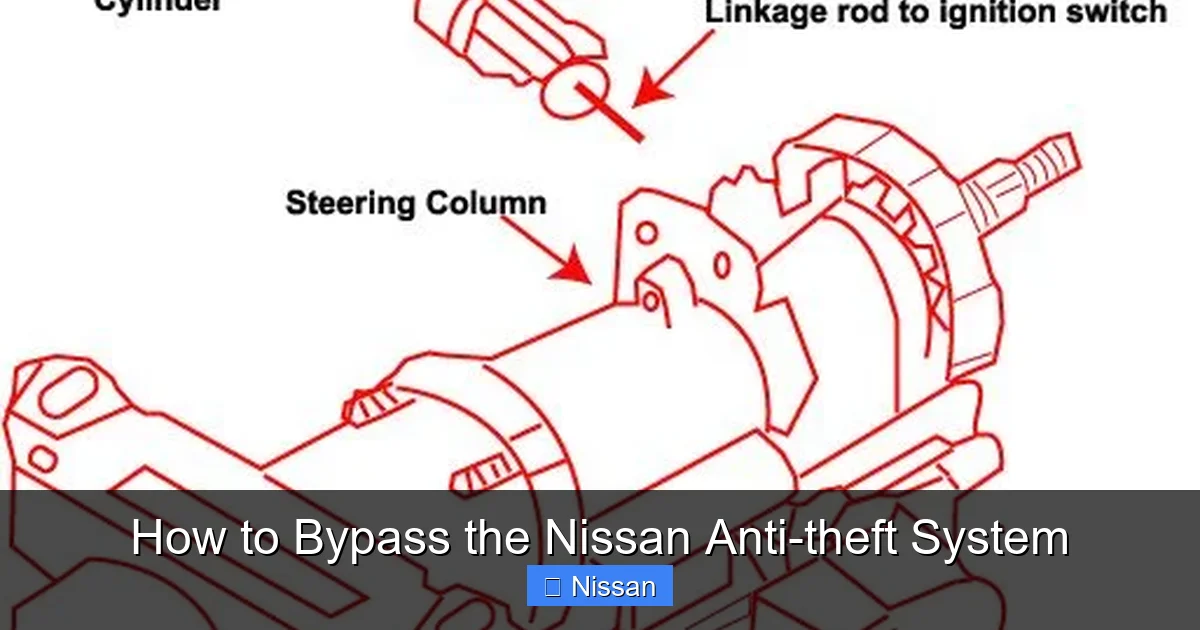
Visual guide about How to Bypass the Nissan Anti-theft System
Image source: i.pinimg.com
There are several legitimate reasons why you might need to bypass or reset the Nissan anti-theft system. Most of them stem from everyday situations that can happen to any driver. Understanding these scenarios can help you respond quickly and avoid unnecessary stress.
Lost or Damaged Key Fob
One of the most common reasons people seek to bypass the anti-theft system is a lost or damaged key fob. Whether you dropped it in a lake, left it at a restaurant, or the battery died at the worst possible moment, losing access to your key can leave you stranded. Even if you have a physical key blade, many modern Nissans require the fob to be present for the engine to start—especially in push-to-start models.
In these cases, simply cutting a new key isn’t enough. The new fob must be programmed to match your car’s immobilizer system. This often requires specialized tools and software, which is why many people turn to locksmiths or dealerships. However, if you’re in a pinch and have a spare key, you might be able to use a temporary bypass method (more on that later).
Replacing the ECU or Ignition System
If your Nissan has undergone major repairs—such as an ECU replacement due to electrical failure or an accident—the anti-theft system may not recognize the new components. The ECU stores encrypted data about authorized keys, and swapping it out can break that link. Even if the new ECU is identical, it won’t “know” your key unless it’s reprogrammed.
This is especially common in used car purchases or aftermarket upgrades. Some people buy a used ECU to save money, only to find their car won’t start. In these cases, bypassing the system temporarily may be necessary to get the vehicle running so it can be taken to a professional for proper programming.
Aftermarket Modifications
Installing aftermarket alarms, remote starters, or performance chips can sometimes interfere with the factory anti-theft system. These devices may send conflicting signals to the ECU or immobilizer module, causing the car to shut down unexpectedly. For example, a poorly installed remote starter might trick the system into thinking someone is trying to hotwire the car.
If you’ve recently added new electronics and your Nissan suddenly won’t start, the anti-theft system could be reacting to the change. In such cases, bypassing the system might help you diagnose the issue—but it’s usually better to remove or reconfigure the aftermarket device instead.
Software Glitches or Electrical Issues
Like any electronic system, the Nissan anti-theft system can experience glitches. A weak battery, corroded wiring, or a software bug might cause the immobilizer to activate even when the correct key is present. These issues are more common in older vehicles or those exposed to extreme weather.
For example, a car left in a flood might have water damage to the immobilizer antenna ring around the ignition. This can disrupt communication between the key and the ECU, triggering the anti-theft system. Similarly, a dying car battery can cause voltage drops that confuse the electronics.
DIY Methods to Bypass the Nissan Anti-Theft System
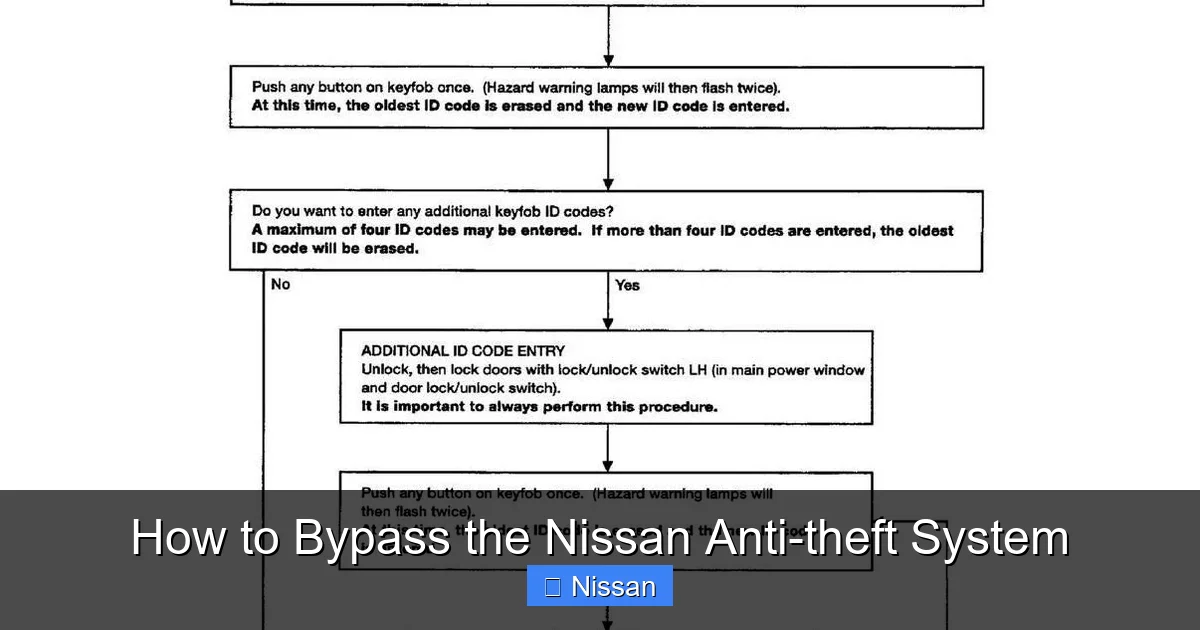
Visual guide about How to Bypass the Nissan Anti-theft System
Image source: i.pinimg.com
If you’re facing an immobilizer lockout and can’t get to a professional right away, there are a few DIY methods you can try. These techniques vary in complexity and risk, so proceed with caution. Always prioritize safety and legality—bypassing the system should only be done for legitimate reasons, such as regaining access to your own vehicle.
Method 1: Use a Spare Key or Fob
The simplest and safest way to bypass the anti-theft system is to use a spare key or fob. If you have a second key that’s already programmed to your car, simply insert it into the ignition or hold it near the start button (for push-to-start models). The system should recognize it and allow the engine to start.
If your spare key is just a physical blade without a chip, it may not work on newer models. However, some older Nissans (pre-2005) allow you to start the car with a non-chipped key if you turn the ignition to the “ON” position and wait a few seconds before cranking. This gives the system time to reset.
Method 2: Reprogram the Key Fob Yourself
Some Nissan models allow you to reprogram a key fob without special tools. This is often called a “self-programming” or “on-board programming” method. While it doesn’t fully bypass the anti-theft system, it can re-sync a fob that’s lost its connection.
Here’s a general process that works on many Nissan vehicles (always check your owner’s manual first):
1. Sit in the driver’s seat and close all doors.
2. Insert the key into the ignition and turn it to “ON” (do not start the engine).
3. Quickly turn the key back to “OFF” and remove it.
4. Repeat this cycle five times within 10 seconds.
5. On the sixth turn, leave the key in the “ON” position.
6. The hazard lights should flash twice, indicating programming mode.
7. Press any button on the fob you want to program.
8. The hazard lights will flash again to confirm success.
9. Turn the key to “OFF” and test the fob.
This method works best with original Nissan fobs and may not work if the immobilizer has fully locked the system.
Method 3: Disconnect the Battery
A hard reset by disconnecting the car battery can sometimes clear temporary glitches in the anti-theft system. This method forces the ECU and immobilizer module to reboot, which may resolve communication errors.
To do this:
1. Turn off the engine and remove the key.
2. Open the hood and locate the battery.
3. Disconnect the negative (-) terminal using a wrench.
4. Wait 10–15 minutes to allow all capacitors to discharge.
5. Reconnect the terminal and try starting the car.
Note: This won’t work if the system is actively blocking the engine due to an unrecognized key. It’s more effective for software hiccups than full immobilizer lockouts.
Method 4: Use an OBD2 Scanner or Diagnostic Tool
If you have access to an OBD2 scanner with immobilizer programming capabilities, you can attempt to reset or reprogram the system yourself. Tools like the Autel MaxiCOM or Foxwell NT510 are popular among DIYers and can communicate directly with the ECU.
Using the scanner, you can:
– Read fault codes related to the immobilizer.
– Clear error messages.
– Program new keys (if supported).
– Reset the anti-theft system after an ECU replacement.
However, these tools can be expensive (often $200–$500), and not all models support key programming. Always follow the manufacturer’s instructions carefully to avoid bricking the ECU.
Method 5: Temporary Bypass with a Resistor or Jumper Wire
This advanced method involves tricking the immobilizer into thinking a valid key is present by mimicking the transponder signal. It requires technical knowledge and should only be attempted by experienced users.
One common technique is to install a resistor with the same resistance as the key’s transponder chip across the immobilizer antenna wires. This can be done near the ignition cylinder. However, this method is unreliable, can damage electronics, and may void your warranty.
Another approach is using a “bypass module” or “immobilizer emulator”—a small device that plugs into the OBD2 port and emulates a valid key signal. These are available online but vary in quality and legality. Some are designed for emergency use, while others are marketed for theft—so choose carefully.
⚠️ Warning: These methods carry significant risks. Incorrect wiring can fry your ECU, and using unauthorized bypass devices may violate local laws. Always consult a professional if you’re unsure.
When to Call a Professional
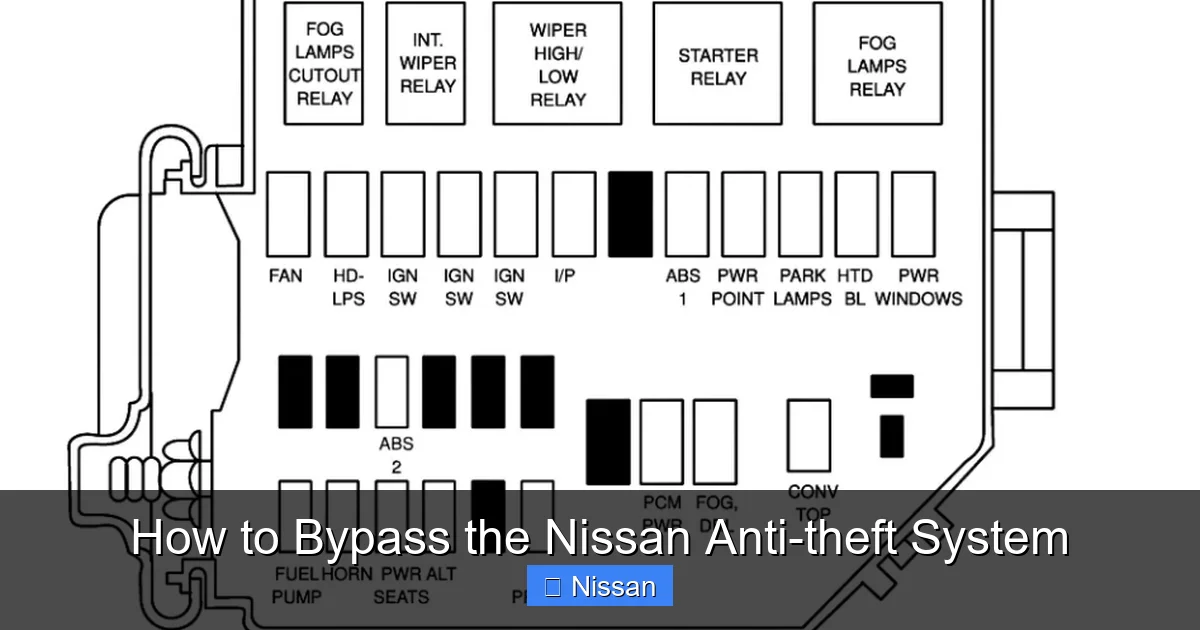
Visual guide about How to Bypass the Nissan Anti-theft System
Image source: 2carpros.com
While DIY methods can be tempting, there are times when calling a professional is the smartest—and safest—choice. Certified locksmiths, dealership technicians, and auto electricians have the tools, training, and access to Nissan’s proprietary software needed to handle complex immobilizer issues.
Dealerships: The Gold Standard
Nissan dealerships have direct access to the manufacturer’s diagnostic systems, such as CONSULT-III or Nissan’s Global Diagnostic System (GDS). These tools can read deep-level fault codes, reprogram keys, and reset the anti-theft system with precision.
If you’ve lost all your keys or need a new fob programmed, the dealership is often the most reliable option. They can order a genuine Nissan key, cut it to match your ignition, and program it to your car’s immobilizer—all in one visit. The downside? It can be expensive, with costs ranging from $150 to $400 depending on the model and location.
Certified Automotive Locksmiths
Many locksmiths specialize in automotive security and can handle Nissan immobilizer issues at a lower cost than dealerships. They use portable programmers like the Advanced Diagnostics Smart Pro or Keyline Ninja to clone or program keys on-site.
A good locksmith can often reprogram a fob in under an hour and may even come to your location. Look for one with experience in Nissan vehicles and positive reviews. Avoid “mobile key services” that lack proper certification—they may use low-quality clones that fail over time.
Auto Electricians and Specialty Shops
If your issue stems from electrical problems—such as a faulty immobilizer antenna, damaged wiring, or a failing ECU—an auto electrician may be your best bet. These technicians can diagnose and repair the root cause rather than just treating the symptom.
For example, if water has damaged the antenna ring around your ignition, a specialist can replace it and re-sync the system. They can also test voltage levels, check for shorts, and ensure all components are communicating properly.
Preventing Future Anti-Theft System Issues
The best way to deal with the Nissan anti-theft system is to avoid problems before they happen. A little prevention can save you time, money, and stress down the road.
Keep Spare Keys Secure
Always have at least one spare key stored in a safe place—like a locked drawer at home or with a trusted family member. Avoid keeping it in your car, as a thief could find it and use it to bypass the system.
If possible, get a second fob programmed when you buy the car. Many dealerships offer discounts on additional keys, and it’s cheaper than emergency programming later.
Maintain Your Key Fob
Replace the battery in your key fob every 1–2 years, even if it still works. A weak battery can cause intermittent communication issues with the immobilizer. Use only high-quality lithium batteries (like CR2032) and avoid cheap knockoffs.
Keep your fob clean and dry. Avoid exposing it to extreme temperatures, water, or magnets, which can damage the internal chip.
Use Genuine or High-Quality Aftermarket Parts
If you need to replace the ECU, ignition switch, or key fob, choose genuine Nissan parts or reputable aftermarket equivalents. Cheap clones may not be compatible with the immobilizer system and can trigger false alarms.
When installing aftermarket electronics, have them done by a professional who understands Nissan’s security protocols. Poor installations are a leading cause of anti-theft system malfunctions.
Update Software Regularly
Some Nissan models receive over-the-air software updates that improve security and fix bugs. Visit your dealership periodically to check for updates, especially if you notice unusual behavior.
Be Cautious with Modifications
Before installing a remote starter, alarm, or performance chip, research whether it’s compatible with your Nissan’s anti-theft system. Some devices require a bypass module or additional programming to work correctly.
Legal and Ethical Considerations
It’s important to emphasize that bypassing the Nissan anti-theft system should only be done for legitimate, legal purposes. Using these techniques to steal a car, access someone else’s vehicle without permission, or disable security for malicious reasons is a crime.
In many jurisdictions, possessing tools designed to bypass immobilizers without authorization is illegal. Even sharing bypass methods online can raise ethical concerns if it enables theft.
Always ensure you’re the legal owner of the vehicle before attempting any bypass. If you’re helping a friend or family member, make sure they have proof of ownership and a valid reason for the procedure.
Conclusion
The Nissan anti-theft system is a powerful tool for protecting your vehicle—but it can also be a source of frustration when it locks you out. Whether you’ve lost your key, replaced the ECU, or encountered a glitch, understanding how the system works and knowing your options can make all the difference.
While DIY methods like using a spare key, reprogramming the fob, or disconnecting the battery can work in a pinch, they come with risks. For complex issues or full immobilizer resets, professional help from a dealership, locksmith, or auto electrician is often the safest and most effective solution.
Remember: prevention is key. Keep spare keys secure, maintain your fob, and avoid incompatible modifications. And always act ethically—bypassing the system should be about regaining access to your own car, not circumventing security for harmful purposes.
With the right knowledge and tools, you can overcome anti-theft challenges and get back on the road with confidence.
Frequently Asked Questions
Can I bypass the Nissan anti-theft system without a key?
No, you cannot legally or safely bypass the system without a valid key or professional assistance. Attempting to do so may damage your vehicle or violate laws. Always use authorized methods or consult a professional.
Will disconnecting the battery reset the anti-theft system?
It may reset temporary glitches, but it won’t bypass the immobilizer if the key isn’t recognized. A full reset often requires reprogramming the key or ECU using diagnostic tools.
How much does it cost to reprogram a Nissan key fob?
Costs vary: dealerships charge $150–$400, while locksmiths may charge $100–$250. Prices depend on the model, location, and whether a new fob is needed.
Can I use a generic OBD2 scanner to reset the anti-theft system?
Most basic scanners can’t reprogram keys. You’ll need an advanced tool with immobilizer support, such as Autel or Foxwell models, and even then, compatibility varies.
What happens if I replace my Nissan’s ECU?
The new ECU won’t recognize your existing keys unless it’s programmed. You’ll need a professional to sync the immobilizer system with your keys.
Is it legal to buy an immobilizer bypass module online?
It depends on your location and intent. Owning such tools may be legal, but using them to steal or tamper with vehicles is not. Always ensure you’re using them ethically and legally.