
Clean Acid Off Car Battery

Cleaning acid off a car battery is essential for vehicle performance and safety. This guide walks you through safe methods, protective gear, and effective cleaning solutions to prevent corrosion and extend battery life.
Key Takeaways
- Safety comes first: Always wear gloves, goggles, and work in a ventilated area when handling battery acid.
- Use the right cleaning agents: Baking soda and water neutralize acid effectively; avoid harsh chemicals.
- Disconnect the battery properly: Remove the negative terminal first to prevent short circuits.
- Scrub gently but thoroughly: Use a wire brush or old toothbrush to clean terminals and surrounding areas.
- Rinse and dry completely: Prevent future corrosion by ensuring all residue is removed and the area is dry.
- Apply protective coating: Use petroleum jelly or terminal protector spray to reduce future buildup.
- Regular maintenance matters: Check your battery every 3–6 months to catch corrosion early.
📑 Table of Contents
Why Cleaning Car Battery Acid Matters
Your car battery is the heart of your vehicle’s electrical system. It powers everything from the ignition to the lights, radio, and climate control. But over time, especially in hot or humid conditions, battery terminals can develop a white, green, or blue crusty buildup. That’s not just dirt—it’s battery acid residue and corrosion. If left unchecked, this buildup can interfere with electrical connections, reduce charging efficiency, and even cause your car to fail to start.
Cleaning acid off a car battery isn’t just about aesthetics. It’s a crucial maintenance task that ensures reliable performance and extends the life of your battery. Corrosion acts like an insulator, blocking the flow of electricity between the battery and your car’s wiring. This can lead to dim lights, slow cranking, or complete electrical failure. Worse, leaking acid can damage surrounding engine components, paint, and even your skin or eyes if you’re not careful.
The good news? Cleaning battery acid is a simple DIY job that takes less than 30 minutes with the right tools and precautions. Whether you’re a seasoned mechanic or a first-time car owner, this guide will walk you through every step—safely and effectively. You’ll learn how to identify acid buildup, choose the best cleaning solutions, and protect your battery from future corrosion. Let’s get started.
Safety First: Protecting Yourself and Your Vehicle
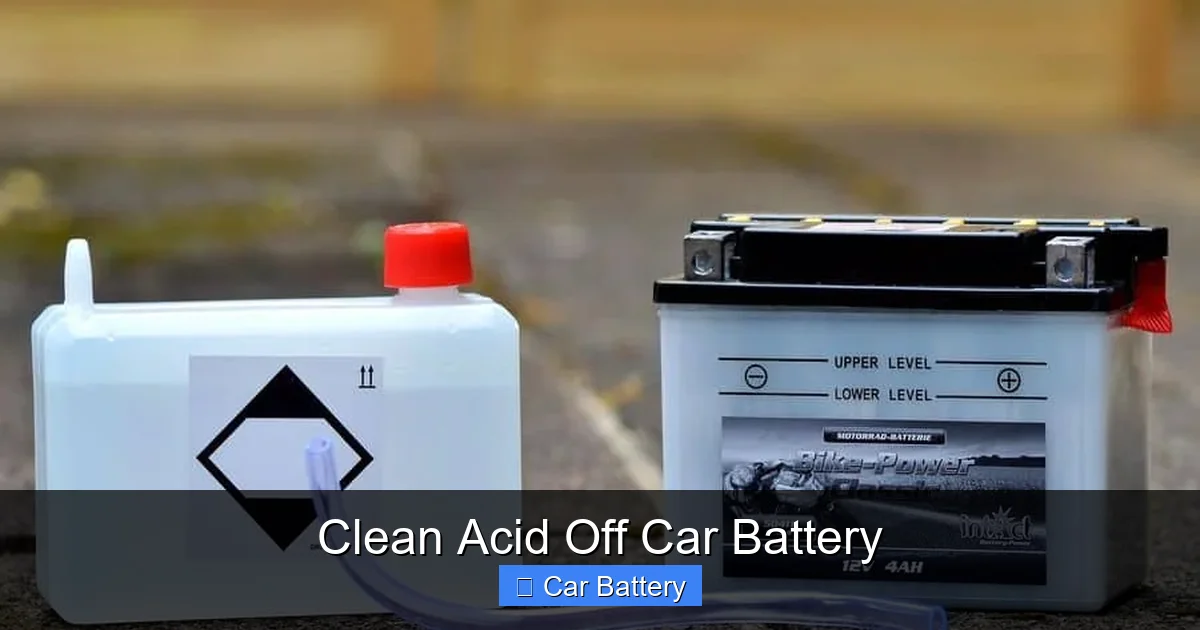
Before you even touch the battery, it’s essential to understand the risks. Car batteries contain sulfuric acid, a highly corrosive substance that can cause severe burns, damage clothing, and ruin paint. Even small amounts can irritate your skin or eyes. That’s why safety isn’t optional—it’s mandatory.
Visual guide about Clean Acid Off Car Battery
Image source: cleanerwiki.com
Essential Safety Gear
Start by gathering the right protective equipment. You’ll need:
- Rubber or nitrile gloves: These protect your hands from acid and corrosion. Avoid latex gloves—they can degrade when exposed to battery chemicals.
- Safety goggles: Acid can splash unexpectedly, especially when disconnecting cables or spraying cleaning solutions. Goggles prevent eye injuries.
- Long sleeves and pants: Cover as much skin as possible to minimize exposure.
- Closed-toe shoes: Avoid sandals or open footwear. Acid can drip or splash onto your feet.
Work in a Safe Environment
Always clean your battery in a well-ventilated area, preferably outdoors or in a garage with the door open. Sulfuric acid can release hydrogen gas, especially when the battery is charging or warm. This gas is flammable and can be harmful if inhaled in large amounts. Avoid working near open flames, sparks, or cigarettes.
Also, make sure your car is turned off and the keys are removed from the ignition. This prevents accidental short circuits when disconnecting the battery cables. If you’re working in a garage, keep a fire extinguisher nearby—just in case.
Handling the Battery Cables
When disconnecting the battery, always remove the negative terminal first. This reduces the risk of sparking near the battery, which could ignite hydrogen gas. Use a wrench that fits the terminal nut snugly to avoid slipping and scratching the battery or surrounding parts.
Once the cables are disconnected, tuck them away from the battery terminals so they don’t accidentally touch and cause a short circuit. Never let the positive and negative cables touch each other while disconnected—this can create a dangerous spark.
Identifying Battery Acid and Corrosion
Not all buildup on your battery is harmful, but most of it is worth cleaning. The most common signs of battery acid and corrosion include:
Visual guide about Clean Acid Off Car Battery
Image source: i.ytimg.com
- White, powdery residue: This is typically lead sulfate or dried sulfuric acid. It often appears around the terminals and cable connections.
- Green or blue crust: This indicates copper sulfate formation, usually where the cable connects to the terminal. It’s a sign of prolonged exposure to acid.
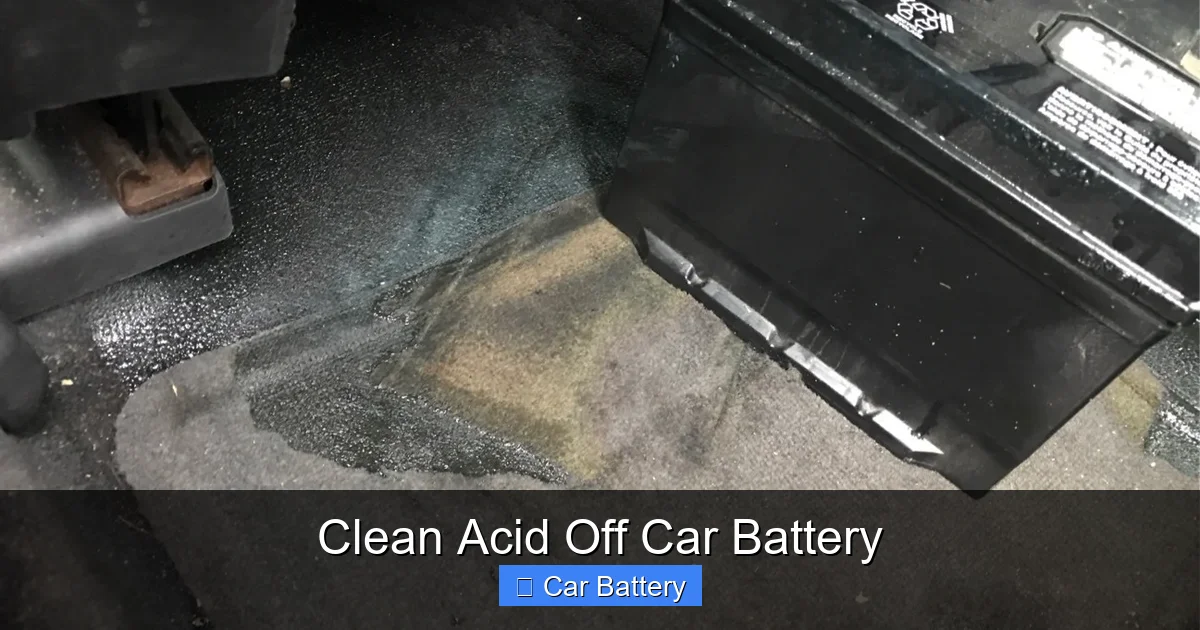
- Flaking or bubbling paint: If the paint around the battery tray is peeling or bubbling, acid may have leaked and damaged the surface.
- Foul smell: A strong, rotten egg odor can indicate hydrogen sulfide gas, which forms when sulfuric acid reacts with metal.
Corrosion doesn’t always mean your battery is failing, but it’s a red flag that maintenance is overdue. Even if your car starts fine, corrosion can slowly degrade performance over time. The sooner you clean it, the better.
When to Clean vs. Replace
Cleaning acid off a car battery is effective for surface corrosion. But if you notice deep pitting on the terminals, cracked battery casing, or frequent dead batteries, it may be time for a replacement. A healthy battery should hold a charge and show minimal buildup after cleaning.
Also, if the battery is more than 3–5 years old, consider having it tested at an auto parts store. Many offer free battery checks that can tell you if it’s still in good condition. Cleaning won’t fix a dying battery—only a replacement will.
Step-by-Step Guide to Cleaning Acid Off Car Battery
Now that you’re prepared and know what to look for, it’s time to clean. Follow these steps carefully to remove acid and corrosion safely and effectively.
Visual guide about Clean Acid Off Car Battery
Image source: i.stack.imgur.com
Step 1: Gather Your Supplies
You’ll need a few simple items, most of which you probably already have at home:
- Baking soda (sodium bicarbonate)
- Water
- Small bowl or container
- Old toothbrush or wire brush
- Wrench or socket set
- Rags or paper towels
- Petroleum jelly or battery terminal protector spray
- Optional: Spray bottle for applying cleaning solution
Baking soda is the star of the show here. It’s a mild base that neutralizes sulfuric acid, turning it into harmless water and salt. This reaction also fizzes slightly, which helps loosen corrosion.
Step 2: Disconnect the Battery
Start by turning off the engine and removing the keys. Open the hood and locate the battery. Identify the negative terminal (marked with a “-” or black cover) and the positive terminal (marked with a “+” or red cover).
Using your wrench, loosen the nut on the negative cable and carefully remove it from the terminal. Place it aside, away from the battery. Then, repeat the process for the positive cable. Always disconnect negative first, positive second.
If the cables are stuck, gently wiggle them back and forth while pulling. Never pry them off with a screwdriver—this can damage the terminal.
Step 3: Make the Cleaning Solution
In a small bowl, mix 1–2 tablespoons of baking soda with enough water to form a thick paste. Stir until smooth. For larger areas or heavy corrosion, you can make a more liquid solution (1 tablespoon baking soda per cup of water) and pour it into a spray bottle for easier application.
This solution is safe, non-toxic, and effective. Avoid using vinegar, ammonia, or commercial cleaners unless specifically designed for batteries—they can damage terminals or leave harmful residues.
Step 4: Apply and Scrub
Dip your toothbrush or wire brush into the baking soda paste and gently scrub the terminals, cable connectors, and surrounding battery case. Focus on areas with visible corrosion or residue.
You’ll notice a fizzing reaction as the baking soda neutralizes the acid. This is normal and indicates the cleaning is working. For stubborn buildup, let the paste sit for 5–10 minutes before scrubbing again.
If you’re using the spray method, spray the solution directly onto the terminals and let it sit for a few minutes. Then scrub with the brush. Be careful not to let the solution drip into the battery cells—most modern batteries are sealed, but it’s still best to avoid excess moisture.
Step 5: Rinse and Dry
Once the corrosion is removed, use a damp rag or paper towel to wipe away the residue. For a thorough rinse, you can use a small amount of clean water on a cloth—just don’t spray water directly onto the battery.
After wiping, use a dry cloth to thoroughly dry the terminals, cables, and battery case. Any remaining moisture can lead to future corrosion, so take your time here.
Step 6: Reconnect the Battery
Reattach the cables in reverse order: positive first, then negative. Tighten the nuts securely, but don’t over-tighten—this can strip the threads or crack the terminal.
Once connected, start your car to ensure everything is working properly. If the engine cranks normally and lights come on, you’re good to go.
Preventing Future Corrosion and Acid Buildup
Cleaning your battery is only half the battle. To keep it in top shape, you need to prevent corrosion from returning. Here are some proven tips:
Apply a Protective Coating
After cleaning and drying the terminals, apply a thin layer of petroleum jelly (Vaseline) or a dedicated battery terminal protector spray. These coatings create a barrier that repels moisture and acid, significantly reducing future buildup.
Petroleum jelly is cheap and effective—just smear a pea-sized amount on each terminal. Terminal protector sprays come in aerosol cans and often include corrosion inhibitors. They’re easy to apply and last longer than jelly.
Use Anti-Corrosion Washers or Pads
These small felt or rubber washers fit between the cable clamp and the terminal. They’re soaked in corrosion inhibitors and can extend the time between cleanings. Many auto parts stores sell them in packs of two.
Simply place the washer on the terminal before reconnecting the cable. They’re especially useful in humid or coastal climates where corrosion happens faster.
Keep the Battery Clean and Dry
Dirt, oil, and moisture accelerate corrosion. Wipe down the battery case and terminals every few months with a dry cloth. If you live in a rainy area, consider installing a battery cover or shield to protect it from splashes.
Check Battery Hold-Down and Vent Caps
A loose battery can vibrate excessively, causing internal damage and acid leaks. Make sure the battery is securely fastened with a hold-down clamp. Also, check that vent caps (if your battery has them) are tight and not cracked.
Sealed maintenance-free batteries don’t have removable caps, but if yours does, ensure they’re properly sealed to prevent acid from escaping.
Monitor Charging System Health
A faulty alternator or voltage regulator can overcharge the battery, causing excess heat and acid evaporation. This leads to faster corrosion. If you notice frequent buildup or a swollen battery case, have your charging system checked by a mechanic.
Common Mistakes to Avoid
Even with the best intentions, it’s easy to make mistakes when cleaning battery acid. Here are some common pitfalls and how to avoid them:
Using the Wrong Cleaning Agent
Avoid using vinegar, bleach, or abrasive cleaners. Vinegar is acidic and can worsen corrosion. Bleach creates toxic fumes when mixed with battery chemicals. Abrasive cleaners can scratch terminals, creating grooves where corrosion can hide.
Stick to baking soda and water—it’s safe, effective, and inexpensive.
Not Wearing Protective Gear
Skipping gloves or goggles might seem harmless, but battery acid can cause serious injury. Always protect yourself, even for quick cleanups.
Reconnecting Cables in the Wrong Order
Always connect positive first, then negative. Reversing the order can cause sparks, damage electronics, or even explode the battery in rare cases.
Over-Tightening Terminal Nuts
Snug is good; tight is not necessary. Over-tightening can crack the terminal or strip the threads, making future removal difficult.
Ignoring the Battery Tray
Corrosion often spreads to the battery tray and hold-down clamp. Clean these areas too, or the problem will return quickly. Use the same baking soda solution and a brush.
Not Drying Thoroughly
Moisture is the enemy. Even a small amount of water left on the terminals can lead to new corrosion within days. Take the time to dry everything completely.
When to Call a Professional
Most battery cleaning jobs are DIY-friendly, but there are times when it’s best to call a mechanic:
- The battery is leaking acid from the case or vents.
- Terminals are cracked, pitted, or severely damaged.
- You’re uncomfortable working with car batteries.
- The battery is under warranty and requires professional service.
- You suspect electrical system issues beyond the battery.
A professional can safely handle hazardous materials, test the battery and charging system, and ensure everything is reinstalled correctly. It’s a small price to pay for peace of mind.
Conclusion
Cleaning acid off a car battery is a simple yet vital task that every car owner should know how to do. It improves performance, prevents electrical issues, and extends the life of your battery. With the right safety gear, a bit of baking soda, and a little elbow grease, you can keep your battery in excellent condition for years.
Remember: safety first, clean thoroughly, and protect your terminals after cleaning. Make it a habit to inspect your battery every few months, especially before long trips or extreme weather. A little maintenance goes a long way in keeping your car running smoothly.
So the next time you see that white crust on your battery terminals, don’t ignore it. Grab your gloves, mix up a paste, and give your battery the care it deserves. Your car—and your wallet—will thank you.
Frequently Asked Questions
Can I use vinegar to clean battery acid?
No, vinegar is acidic and can worsen corrosion. It may also damage terminals over time. Stick to baking soda and water, which safely neutralizes acid.
How often should I clean my car battery?
Check your battery every 3–6 months. Clean it whenever you see visible corrosion or residue, or if your car starts slowly.
Is it safe to clean a battery while the car is running?
No, never clean a battery while the engine is on. Always turn off the car and remove the keys to prevent shocks or short circuits.
What if I get battery acid on my skin?
Rinse the area immediately with plenty of water for at least 15 minutes. Seek medical attention if irritation persists or if a large area is affected.
Can I use a wire brush on battery terminals?
Yes, a wire brush is effective for scrubbing corrosion. Use gentle pressure to avoid damaging the terminal surface.
Will cleaning the battery improve my car’s performance?
Yes, removing corrosion restores proper electrical connections, which can improve starting, charging, and overall electrical system performance.
