
Can Jeep Interiors Get Wet?

Jeep interiors are water-resistant, not waterproof. While they can handle splashes and rain, prolonged or deep water exposure leads to serious risks like electronics failure, mold, and material degradation. Immediate drying and proactive prevention are critical to maintaining your Jeep’s value and functionality. Understanding your specific model’s design and limits is the first step to avoiding costly repairs.
Key Takeaways
- Jeep Interiors Are Not Waterproof: Factory designs manage water but cannot prevent intrusion from prolonged submersion, heavy downpours with windows down, or failed seals.
- Electronics Are a Primary Risk: The infotainment system, wiring harnesses, and control modules located in the dash and door panels are highly vulnerable to short circuits and corrosion.
- Mold and Mildew Thrive in Damp Interiors: Trapped moisture in carpets, seats, and insulation creates a breeding ground for mold, leading to permanent odors and potential health hazards.
- Different Materials React Differently: Leather can stiffen and crack, cloth absorbs and holds moisture longer, and plastics may warp or develop fogging from trapped water vapor.
- Immediate Action is Non-Negotiable: The first 24-48 hours after water exposure are crucial for starting the drying process before mold sets in and corrosion begins.
- Prevention is More Effective Than Restoration: Regular maintenance of seals, drains, and the use of quality all-weather floor mats are the most cost-effective strategies for long-term interior protection.
- Professional Help May Be Required: For extensive water intrusion, especially involving electronics or deep carpet padding, seeking expert detailing and electrical diagnostics is often necessary.
📑 Table of Contents
- Understanding Your Jeep’s Interior Design Philosophy
- Water Resistance vs. Waterproofing: A Critical Distinction
- Common Scenarios That Soak Your Jeep Interior
- The Real Risks of a Wet Interior: Beyond Just Being Damp
- Emergency Response: How to Dry a Wet Jeep Interior
- Proactive Prevention: Your Best Defense Strategy
- Conclusion: Embrace the Adventure, Manage the Moisture
Understanding Your Jeep’s Interior Design Philosophy
Let’s start with the heart of the matter. Jeep engineers design Wranglers, Gladiators, and other models with an “adventure-ready” mindset. This means the interior is built to withstand the elements better than a standard sedan, but it is not designed to be a submarine. The core philosophy is water resistance, not waterproofing. You’ll find drain plugs in the floor, rubber seals around doors and the windshield, and water-resistant coatings on many components. These features handle road spray, a sudden rain shower with the top off, or a messy off-road adventure. However, they are not a guarantee against a forgotten window during a thunderstorm, driving through deep water, or a leaking soft top seal over time.
The Role of Factory Drain Plugs and Channels
One of the most clever design features in any Jeep is its drainage system. If you look under your Jeep, you’ll see small rubber plugs in the floor pans. These are intentional escape routes for water that inevitably finds its way inside during wet conditions. Water that enters through door seals or the cabin air intake is channeled to these plugs and simply drains out onto the ground. This system works brilliantly for small amounts of water. Problems arise when these plugs become clogged with mud, dirt, or debris. A blocked drain plug turns a minor inconvenience into a major problem, trapping water inside the cabin where it soaks into the carpet padding and insulation. Regularly checking and clearing these plugs is a simple, critical maintenance task for every Jeep owner.
Material Choices: From Stain-Resistant Fabrics to Leather
Jeep offers various interior materials, each with its own relationship with water. The standard Stain-Resistant Fabric is a popular choice because it repels light spills and is easy to clean. However, it will absorb and hold significant amounts of water if thoroughly soaked, and the moisture will seep into the pad underneath. Leather, often optional, is more water-resistant on the surface but is not waterproof. Water can seep through seams and stitching, and if left wet, the leather can stiffen, and the underlying foam can mildew. Vinyl and rubberized floor mats are your best friends here; they are impervious to water and contain it to a manageable area. Understanding your specific material helps you set realistic expectations for cleanup and drying.
Water Resistance vs. Waterproofing: A Critical Distinction
This is the most important concept to grasp. A water-resistant interior, like your Jeep’s, is like a good rain jacket. It will keep you dry in a light shower but will eventually soak through in a downpour if you’re standing still. A waterproof interior would be like a diving suit—completely impermeable. Your Jeep’s factory seals, while excellent, will degrade over time due to UV exposure, temperature cycles, and general wear. A seal that was perfect when new might allow a few drops to seep in after five years. Furthermore, the electrical components, vents, and seams are all potential weak points. Aftermarket modifications, such as a soft top replacement or a custom stereo installation, can inadvertently compromise these seals if not done perfectly. Accepting that your Jeep is a tool for adventure, not an aquarium, sets the stage for proper care.

Visual guide about Can Jeep Interiors Get Wet?
Image source: adventurejeep.com
The Impact of Aftermarket Modifications
Many Jeep owners personalize their vehicles. While this is part of the fun, it can create new pathways for water. Installing larger speakers in the dash might require cutting into water-resistant barriers. A poorly fitted aftermarket soft top is a notorious source of leaks. Even something as simple as a poorly sealed windshield after a replacement can lead to chronic moisture problems inside the A-pillars. If you’ve had work done on your Jeep, especially involving the windshield, doors, or top, it’s wise to be extra vigilant after heavy rain. A quick check of the carpet edges and the bottom of the doors for dampness is a good habit.
Real-World Limits: What “Waterproof” Claims Really Mean
You might see marketing terms like “water-resistant flooring” or “marine-grade audio.” These are relative terms. “Marine-grade” means the component can handle high humidity and occasional spray, not that you can submerge it. The Jeep’s IP (Ingress Protection) rating for its electrical systems is typically designed for splashes, not pressure washing or immersion. The moment you see a warning light on the dash after driving through a deep puddle, it’s because a sensor or connection has been exposed to water it wasn’t designed to handle. Knowing these limits helps you avoid situations that are a guaranteed ticket to an expensive repair bill.
Common Scenarios That Soak Your Jeep Interior
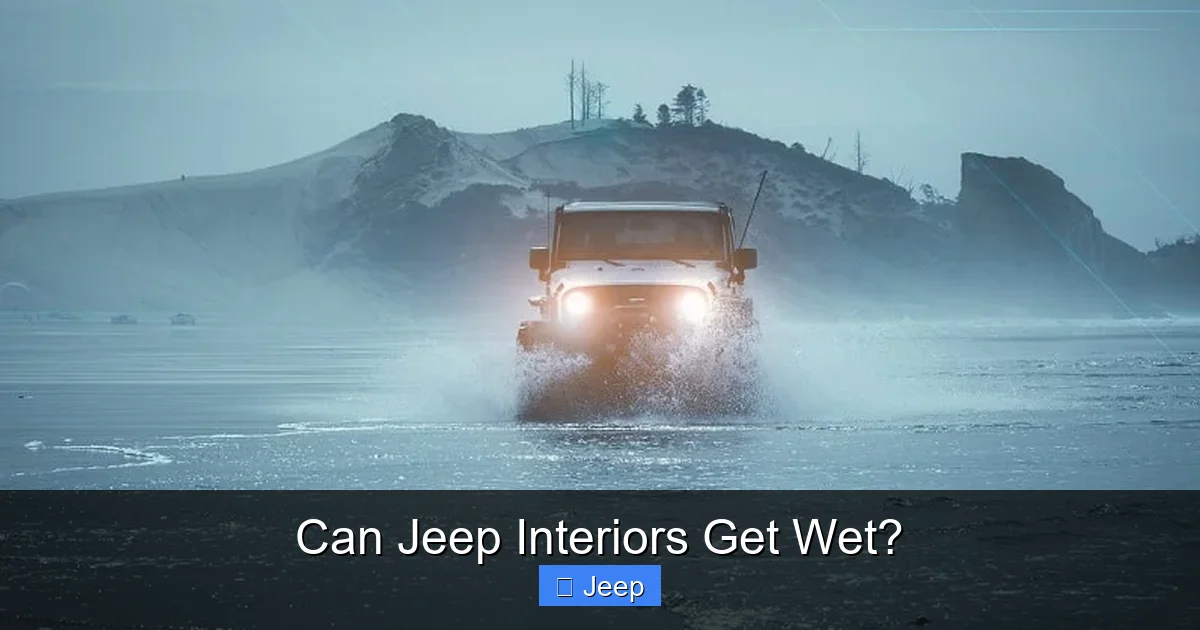
How does water actually get in? It’s rarely one big event and more often a combination of small failures. The most common scenario is the forgotten window. A sudden afternoon shower while your Jeep is parked with the windows or top down is a classic mistake. The next is door seal failure. Over time, the rubber seals around the door frames harden, crack, or lose their elasticity. Water will then wick in along the seam, often dripping onto the floor behind the front seats. This can be a slow, insidious leak that you don’t notice until the carpet padding is saturated and smells musty. Clogged cowl or HVAC drains cause water to back up and enter the cabin through the air vents, soaking the passenger-side footwell. Finally, the obvious one: driving through water that is too deep. Even a Jeep has limits, and water entering through the engine bay can find its way into the cabin via wiring conduits and the firewall.
Visual guide about Can Jeep Interiors Get Wet?
Image source: rigforge.com
The Soft Top Jeep’s Unique Vulnerability
Owners of soft-top Jeeps face a higher probability of water intrusion. The fabric itself is waterproof, but the seams, zippers, and the attachment points to the tub are not. A single loose Velcro strap or a worn zipper can create a channel for rain to pour directly onto the seats. Furthermore, the car wash environment is particularly dangerous. High-pressure soap and water can force its way through seams and around the windshield header seal that are perfectly fine in a gentle rain. Many soft-top owners learn this lesson the hard way after a “convenient” automatic wash. For them, regular inspection and re-sealing of the top are not optional maintenance tasks.
Hidden Leaks: The Cabin Air Intake and HVAC System
One of the sneakiest ways water enters is through the cowl—the area at the base of your windshield where the wipers park. This housing contains the cabin air intake for your HVAC system. There are drains designed to carry away rainwater that enters this area. If these tiny drains clog with leaves and pine needles, water backs up and overflows into the HVAC housing, and from there, it can flood the passenger footwell. You’ll often see this happen after a period of heavy rain followed by a dry spell. The water that was trapped in the cowl finally finds its way inside. This leak is notoriously difficult to locate because the source (the clogged drain) is far from the symptom (the wet carpet).
The Real Risks of a Wet Interior: Beyond Just Being Damp
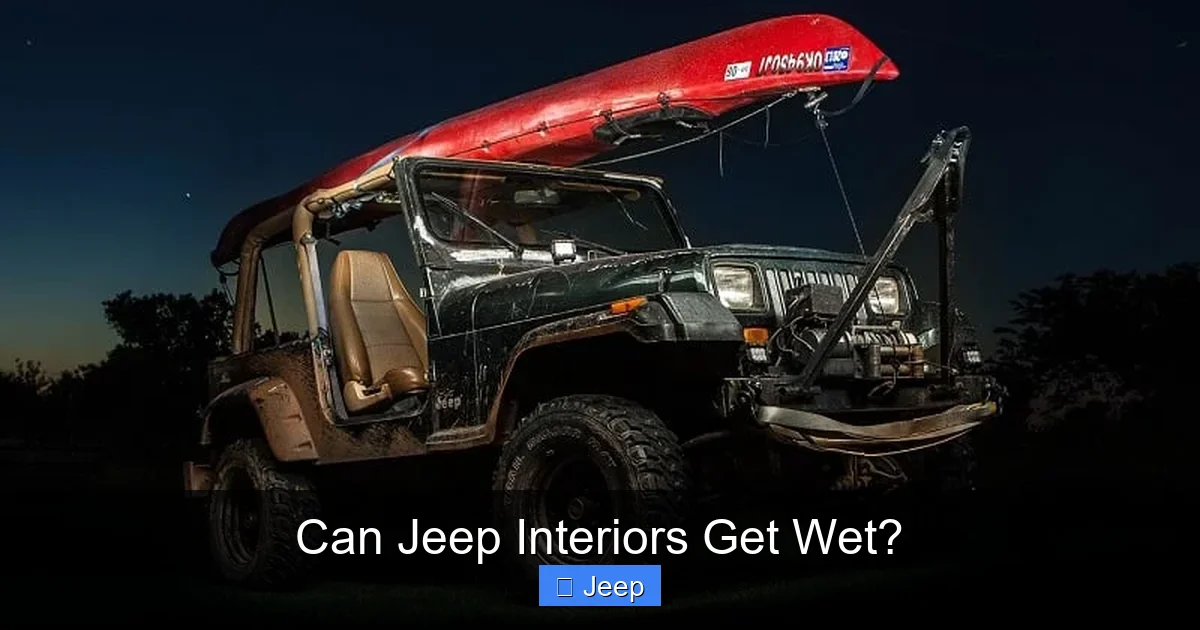
A wet seat is an annoyance. A wet interior is a multi-faceted threat. The most immediate and costly risk is to the vehicle’s electrical system. Modern Jeeps are packed with computers, touchscreens, sensors, and wiring. Water is the universal enemy of electricity. It creates short circuits, causes corrosion on connectors, and can lead to complete module failure. The cost to diagnose and replace a water-damaged body control module or infotainment system can easily run into the thousands. The second major risk is mold and mildew. Carpet padding and sound-deadening materials are like a sponge. Once they absorb water, they take an incredibly long time to dry completely. Within 48-72 hours, mold spores begin to colonize. This leads to a persistent, musty odor that is nearly impossible to eliminate without removing the affected materials. This is not just a smell issue; it’s a health concern for those with allergies or respiratory issues.
Visual guide about Can Jeep Interiors Get Wet?
Image source: rigforge.com
Material Degradation and Permanent Odors
Leather and vinyl can suffer from prolonged moisture. Leather can lose its natural oils, becoming brittle and developing cracks. The stitching can rot. Fabric seats will develop permanent water stains and can shrink or distort. Beyond mold, organic materials in the cabin (think spilled coffee, Food Crumbs from Car Seats the Right Way”>food crumbs, pet hair) will mix with the water and begin to decompose, creating a sour, biological odor that permeates everything. This “bio-film” is deeply embedded and requires aggressive, professional cleaning—often referred to as an ozone or antimicrobial detailing treatment—to eradicate. Simply shampooing the surface does nothing for the contamination trapped in the padding.
Corrosion in Hidden Places
Water, especially if it’s salty (from road de-icing) or muddy, will find its way to metal components you never see. It can collect in seat tracks, under the dashboard, and inside door panels. Over time, this leads to rust on internal brackets, bolts, and frames. While this is a slower process, it compromises the structural integrity of interior components and can make future repairs (like seat removal) a nightmare due to seized, corroded bolts. Preventing this starts with immediate drying and ensuring all water is evacuated from the vehicle’s cavities.
Emergency Response: How to Dry a Wet Jeep Interior
Time is your worst enemy. The moment you discover water, you must act. The first step is removal. Use towels, a wet/dry vacuum, or even a shop vac to extract as much standing water as possible from the seats, floor, and footwells. Do not just wipe the surface; press down and suction to pull water from the padding. Next, ventilation. Open all doors and windows. If it’s a humid day, this helps. If it’s dry, it helps more. Use fans—box fans, floor fans, or even a hair dryer on a cool setting—to circulate air across and under the seats. The goal is to create constant airflow over every damp surface. Pay special attention to the seams of seats and the crevices where the carpet meets the plastic trim. Dehumidifiers are a game-changer if you have access to one. Placing one inside the closed Jeep with the doors shut (after initial water removal) will pull moisture from the air and materials far more efficiently than ambient air.
A Step-by-Step Drying Protocol
1. Extract: Get all free water out. Lift the seats if possible (most Jeep seats are removable) to access the floor beneath. Dry the seat bottoms and backs thoroughly.
2. Circulate: Use multiple fans to create cross-flow. Aim one at the front passenger floor, one at the rear, and one across the seats.
3. Dehumidify: A large-capacity dehumidifier in the cabin for 24-48 hours is ideal.
4. Inspect: After 24 hours, check the carpet padding by pressing firmly. If it feels cool or damp, more time is needed. If it feels room temperature and dry, you may have succeeded.
5. Sanitize: Once completely dry, apply an antimicrobial fabric and carpet cleaner to prevent any latent mold spores from taking hold. This is a crucial final step often skipped.
When to Call the Professionals
If the water was deep enough to reach the electronic control units under the dash or the wiring harnesses under the seats, you need a professional. Do not attempt to start the vehicle if you suspect water has entered these areas. A mechanic or auto electrician needs to disconnect the battery, inspect all connectors, and potentially replace corroded components. For severe saturation where the carpet padding is soaked through, professional extraction and drying with specialized equipment (like an ozone machine to kill mold spores) is often the only way to save the interior. Specialized detailing shops that handle water damage restoration have the tools and experience for this job.
Proactive Prevention: Your Best Defense Strategy
An ounce of prevention is worth a pound of cure, especially with water damage. The most effective strategy is a multi-layered approach. First, maintain your Jeep’s factory defenses. This means regularly applying a UV protectant to door and window seals to keep them supple and prevent cracking. Inspect the soft top (if equipped) for wear on the seams and the condition of the header seal. Keep all cowl and sunroof drains clear of debris. A simple piece of flexible wire used quarterly can prevent a clogged drain. Second, invest in high-quality all-weather floor liners that capture and contain any water that does get in. Brands like WeatherTech or Husky liners are custom-molded for your specific Jeep model and create a tub that holds several quarts of liquid, keeping it away from the carpet and sound deadener. Third, adopt smart habits. Always double-check windows and the top are fully secured before leaving the vehicle. Be mindful of water depth when off-roading; know your Jeep’s official water-fording depth (found in the owner’s manual). After driving through deep water or a car wash, take a moment to feel the carpet behind the front seats for dampness.
The Importance of a “Wetness Check” Routine
Incorporate a quick interior moisture check into your weekly or monthly routine. After washing your Jeep or after a rainstorm, run your hand along the base of the windshield inside the car (the A-pillar area). Feel the carpet at the front and rear footwells. Lift the front seats and check the floor beneath. If you catch a leak early—a few drops of water from a door seal—you can address the source (reseal the door, adjust the latch) before it has a chance to soak in and cause damage. This simple habit is the number one way to avoid major interior water issues.
Strategic Use of Products
Beyond floor liners, consider a few other products. A protective fabric and leather conditioner helps these materials repel light spills and stay pliable. For soft tops, use a dedicated fabric cleaner and a fabric protector spray designed for convertible tops to enhance water repellency. For the windshield and hardtop seals, a silicone-based lubricant (like 303 Aerospace Protectant) keeps them from drying out and cracking. Never use petroleum-based products on rubber seals, as they will degrade them. These products are an inexpensive insurance policy against the elements.
Conclusion: Embrace the Adventure, Manage the Moisture
So, can Jeep interiors get wet? Absolutely. They do it regularly by design. The key takeaway is that your Jeep is a capable, rugged tool built for a lifestyle that often involves water, mud, and open-air thrills. This means water in the cabin is not a sign of a defective vehicle; it’s a potential occupational hazard of ownership. The difference between a Jeep that thrives for years and one that develops chronic musty smells and electrical gremlins comes down to owner knowledge and proactive care. Understand the limits of your interior’s water resistance, recognize the common leak paths, know the critical steps for emergency drying, and—most importantly—build a consistent routine of prevention and inspection. By treating your Jeep’s interior with the same respect you give its drivetrain, you’ll ensure that the fun of open-air driving never gets dampened by a preventable, costly problem. Your adventure is meant to be enjoyed, not spent worrying about a soggy carpet.
Frequently Asked Questions
Can I use a wet/dry vacuum to remove water from my Jeep’s carpet?
Yes, absolutely. A wet/dry vacuum is one of the most effective tools for the initial water extraction phase. Use it to suck up standing water from the surface and press it into the carpet padding to pull out as much moisture as possible before using fans for drying.
Will leaving my Jeep’s windows down slightly prevent interior moisture?
No, this is a dangerous myth. While it might seem to promote airflow, leaving windows cracked allows rain, humidity, and dust to enter freely. It guarantees your interior will get wet during any precipitation. Always ensure windows and tops are fully closed and sealed when parked.
How long does it take for a Jeep interior to dry completely after getting wet?
It depends on the saturation level and climate, but expect a minimum of 24-48 hours with powerful fans and dehumidifiers. Deeply soaked carpet padding can take 3-5 days or longer to dry completely. If you cannot achieve a dry, room-temperature feel in the padding within 48 hours, professional extraction equipment is needed.
My Jeep smells musty after it got wet. Is it mold?
Very likely, yes. A persistent musty or “wet dog” odor after a wet incident is the classic sign of mold or mildew growing in the damp carpet padding or sound deadener. This requires more than just drying; it needs an antimicrobial treatment, often from a professional detailer, to fully eliminate the source of the odor.
Will my car insurance cover interior water damage?
It depends entirely on the cause and your policy. Sudden and accidental water damage (like a hailstorm breaking a window) is typically covered under comprehensive insurance. However, damage from neglect (like a slowly leaking seal you ignored) or from driving through deep water (often considered “failure to avoid” an obstacle) is almost always excluded. Always check with your agent about your specific coverage.
Can water damage to Jeep electronics be repaired, or is it always a full replacement?
It varies. Some connectors and modules can be cleaned with specialized electronic contact cleaner and may survive. However, water causes corrosion that is often microscopic and progressive. Many technicians will recommend replacement of critical modules to ensure long-term reliability, as a corroded connection can fail months later. Early intervention (disconnecting the battery immediately) improves repair chances.
