
Can You Take a Soft Top Jeep Through a Car Wash?

Taking a soft top Jeep through a car wash is possible but risky. High-pressure water, harsh chemicals, and moving brushes can damage the fabric, seals, and zippers. With proper precautions—or by choosing hand washing—you can keep your Jeep clean without compromising its soft top.
Key Takeaways
- Soft tops are vulnerable to damage: The fabric, seals, and zippers can be harmed by high-pressure water, abrasive brushes, and strong detergents commonly used in automatic car washes.
- Touchless car washes are the safest option: If you must use an automatic wash, choose a touchless system with low-pressure settings and avoid wax or undercarriage cycles.
- Hand washing is the best method: Washing your soft top Jeep by hand gives you full control over water pressure, cleaning products, and technique, minimizing the risk of damage.
- Pre-wash prep is essential: Remove loose dirt, inspect for tears, and close all windows and vents before cleaning to prevent water intrusion.
- Use soft top-specific cleaners: Never use household cleaners or degreasers—opt for pH-balanced products designed for vinyl or fabric soft tops.
- Drying and conditioning matter: After washing, gently dry the top and apply a UV protectant to prevent fading, cracking, and mildew.
- Regular maintenance extends lifespan: Clean your soft top every 4–6 weeks and reapply protectant every few months to keep it in top condition.
📑 Table of Contents
- Can You Take a Soft Top Jeep Through a Car Wash?
- Understanding Your Soft Top: What Makes It Vulnerable?
- The Risks of Automatic Car Washes for Soft Top Jeeps
- When Is It Safe to Use a Car Wash?
- The Best Way to Wash Your Soft Top Jeep: Hand Washing
- Maintaining Your Soft Top Between Washes
- What to Do If Your Soft Top Gets Damaged in a Car Wash
- Conclusion: Clean Smart, Not Just Fast
Can You Take a Soft Top Jeep Through a Car Wash?
If you own a soft top Jeep, you’ve probably asked yourself this question more than once: *Can I run my Jeep through the car wash?* After all, it’s convenient, fast, and feels like the easiest way to get that mud, dust, and road grime off your ride. But here’s the catch—your soft top isn’t built like a hardtop or a standard sedan roof. It’s made of flexible fabric or vinyl, held together with zippers, snaps, and seals that can be easily compromised.
The short answer? Yes, you *can* take a soft top Jeep through a car wash—but it’s not always a good idea. While some Jeep owners do it regularly without issues, others have ended up with leaks, torn fabric, or ruined seals. The real question isn’t whether it’s *possible*, but whether it’s *safe*. And the truth is, most automatic car washes—especially those with spinning brushes—pose a real threat to the delicate components of a soft top.
In this guide, we’ll walk you through everything you need to know about washing your soft top Jeep. We’ll cover the risks of automatic car washes, the safest methods for cleaning, and how to maintain your soft top so it lasts for years. Whether you’re a weekend off-roader or a daily driver, keeping your Jeep clean doesn’t have to mean risking damage. With the right approach, you can have a spotless ride and a well-preserved top.
Understanding Your Soft Top: What Makes It Vulnerable?
Visual guide about Can You Take a Soft Top Jeep Through a Car Wash?
Image source: fourwheeltrends.com
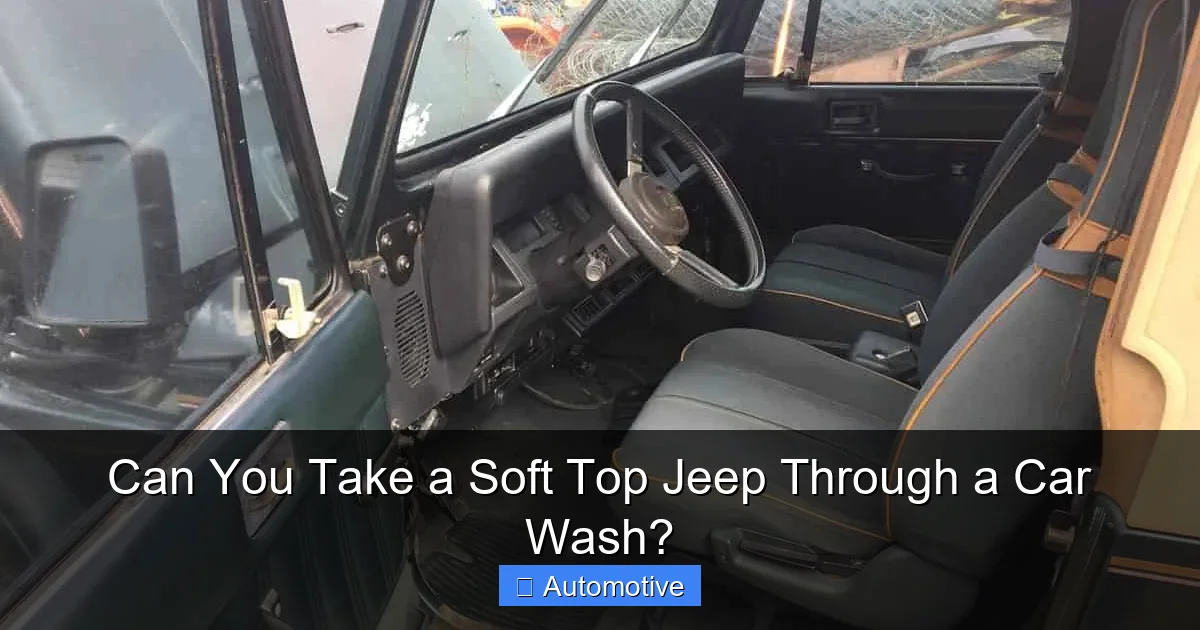
Before we dive into washing methods, it’s important to understand what your soft top is made of and why it’s more delicate than you might think. Most soft tops on Jeeps like the Wrangler are constructed from either vinyl or a multi-layer fabric blend (often called “Haartz” or “Sailcloth”). These materials are designed to be flexible, weather-resistant, and durable—but only when treated properly.
Materials Matter: Vinyl vs. Fabric Soft Tops
Vinyl soft tops are common on older Jeeps and some base models. They’re waterproof, easy to clean, and resistant to UV rays—but they can crack or fade over time if not maintained. Fabric tops, on the other hand, are typically more breathable and offer better insulation. They’re also less prone to cracking in cold weather, but they can absorb water and are more susceptible to mold and mildew if not dried properly.
Both types rely on a network of seals, zippers, and snaps to keep water out. These components are the weak points when it comes to car washes. High-pressure water can force its way under seals, and abrasive brushes can snag zippers or tear fabric. Even the seams, which are stitched or heat-welded, can degrade if exposed to harsh chemicals or excessive force.
Common Weak Points in Soft Tops
Here are the areas most at risk during a car wash:
– **Window seals and zippers:** These are often the first places water leaks occur. Zippers can catch on brushes, and seals can be dislodged by high-pressure sprays.
– **Rear window flap:** The flap that covers the rear window zipper is especially vulnerable. If it’s not secured properly, water can seep in and soak the interior.
– **Door surrounds:** The rubber or foam seals around the doors can be pushed out of place by strong water jets.
– **Top fabric:** Repeated exposure to harsh detergents can break down the protective coating, leading to fading, stiffness, or tears.
Understanding these vulnerabilities helps explain why a seemingly harmless car wash can turn into a costly repair. It’s not just about getting clean—it’s about preserving the integrity of your soft top.
The Risks of Automatic Car Washes for Soft Top Jeeps
Visual guide about Can You Take a Soft Top Jeep Through a Car Wash?
Image source: adventurejeep.com
Now that you know what makes your soft top fragile, let’s talk about why automatic car washes are a gamble. Most commercial car washes—especially the ones with rotating brushes—are designed for hard-bodied vehicles with rigid roofs and sealed windows. They’re not built with soft tops in mind.
High-Pressure Water: A Double-Edged Sword
High-pressure water is great for blasting off dirt, but it can also force water into places it shouldn’t go. When water hits your soft top at high speed, it can:
– Penetrate seams and zippers
– Lift or dislodge seals
– Soak the interior if the top isn’t perfectly watertight
Even if your top is in good condition, a sudden blast from the wrong angle can cause a leak that wasn’t there before. And once water gets inside, it can lead to mold, mildew, or electrical issues if it reaches the cabin.
Abrasive Brushes: The Silent Destroyer
This is where things get really dangerous. Many automatic car washes use large, rotating brushes made of cloth or foam. While they’re effective at scrubbing dirt off hard surfaces, they can be brutal on soft tops.
Imagine a brush spinning at high speed, pressing against your vinyl or fabric roof. It can:
– Snag on zippers or snaps
– Fray or tear the fabric
– Scratch or scuff the surface
– Dislodge the rear window flap
We’ve heard stories of Jeep owners pulling out of a car wash only to find a torn rear window or a zipper that won’t close. In some cases, the damage is so severe that the entire top needs replacement—costing hundreds or even thousands of dollars.
Harsh Chemicals and Detergents
Most car washes use strong detergents to break down grease and grime. While these chemicals work well on paint and glass, they can be too harsh for soft top materials. Over time, exposure to alkaline or acidic cleaners can:
– Break down the protective coating on vinyl
– Cause fabric to weaken or discolor
– Dry out seals, making them brittle
Even “gentle” car wash soaps aren’t always formulated for soft tops. Many contain additives like wax or wax removers that can leave residue or degrade the material.
Undercarriage Spray: A Hidden Danger
Some car washes include an undercarriage rinse to remove salt and debris. While this is great for your frame and suspension, the upward spray can hit the underside of your soft top—especially if it’s not fully secured. This can force water through seams or zippers, leading to interior leaks.
When Is It Safe to Use a Car Wash?
Visual guide about Can You Take a Soft Top Jeep Through a Car Wash?
Image source: automadesimply.com
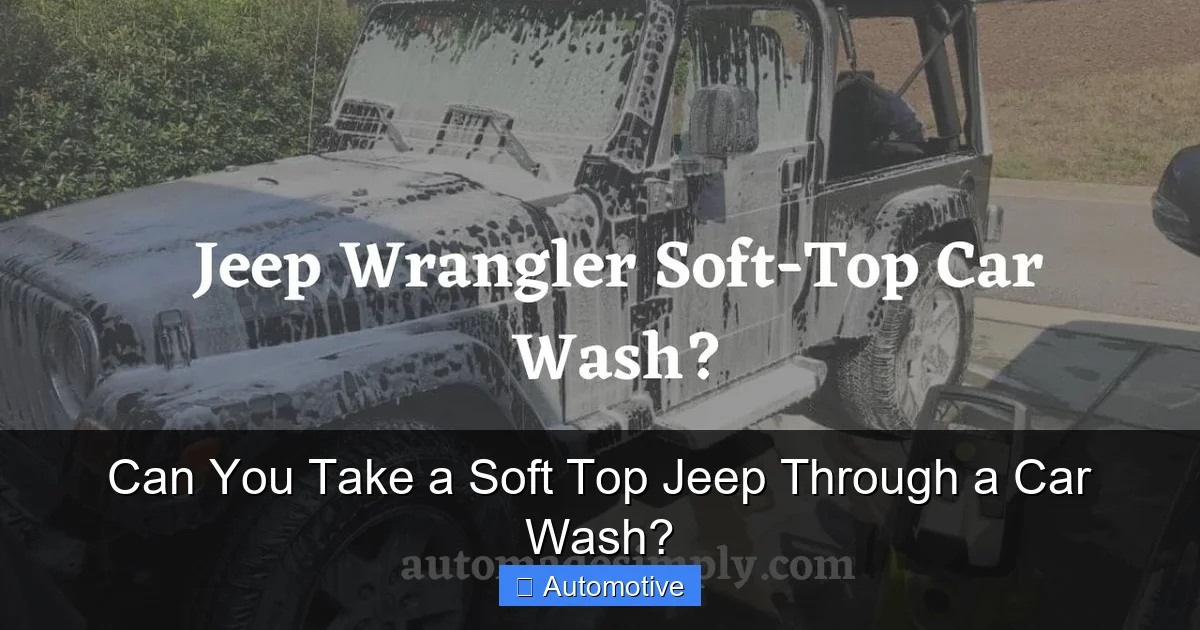
So, does this mean you should never use a car wash? Not necessarily. There are situations where it’s relatively safe—especially if you take precautions.
Touchless Car Washes: The Safest Automatic Option
Touchless car washes use high-pressure water and specialized detergents without any physical contact. Because there are no brushes, the risk of snagging or tearing is significantly reduced. However, they’re not risk-free.
To use a touchless wash safely:
– Choose a reputable facility with adjustable pressure settings
– Avoid the “wax” or “underbody” cycles
– Make sure all windows, vents, and zippers are fully closed
– Inspect the top for existing damage before entering
Even then, it’s best to use touchless washes sparingly—maybe once every few months—and rely on hand washing for regular cleaning.
Self-Serve Bays: More Control, Less Risk
Self-serve car wash bays give you full control over the process. You can choose the pressure, the nozzle, and the cleaning solution. This makes them a better option than full-service automatic washes.
Tips for using a self-serve bay:
– Use the lowest pressure setting that still cleans effectively
– Avoid spraying directly at seams, zippers, or seals
– Use a soft top-safe cleaner (more on that below)
– Rinse thoroughly but gently
With careful technique, a self-serve bay can be a safe way to clean your Jeep without risking damage.
When to Avoid Car Washes Altogether
There are times when you should skip the car wash completely:
– If your soft top has tears, loose seals, or damaged zippers
– After off-roading in mud, sand, or salt—these require more thorough cleaning
– In cold weather, when water can freeze and damage seals
– If you’re unsure about the condition of your top
In these cases, hand washing is the only safe option.
The Best Way to Wash Your Soft Top Jeep: Hand Washing
If you want to protect your soft top and keep it looking great, hand washing is the gold standard. It gives you complete control over every step of the process, from pre-rinsing to drying. And while it takes a bit more time, the peace of mind is worth it.
Step-by-Step Guide to Hand Washing Your Soft Top Jeep
Follow these steps for a safe, effective wash:
1. Gather Your Supplies
You’ll need:
– A bucket
– Soft top cleaner (see recommendations below)
– Two microfiber wash mitts or sponges
– A hose with a gentle spray nozzle
– A soft-bristle brush (for tires and wheels)
– Microfiber drying towels
– UV protectant (for after washing)
2. Park in the Shade
Washing in direct sunlight can cause soap to dry too quickly, leaving streaks. Choose a shaded area or wash early in the morning or late in the afternoon.
3. Rinse the Jeep
Start with a gentle rinse to remove loose dirt and debris. Use a wide spray pattern and avoid high pressure. Pay special attention to the roof, but don’t blast water directly at seams or zippers.
4. Mix the Cleaner
Follow the instructions on your soft top cleaner. Most are diluted with water in a bucket. Never use household cleaners like dish soap or glass cleaner—they can strip protective coatings.
5. Wash from Top to Bottom
Dip your wash mitt into the soapy water and start at the roof. Use gentle, circular motions. Work your way down the sides, hood, and finally the wheels. Use a separate mitt or brush for the wheels to avoid transferring grime to the body.
6. Rinse Thoroughly
Rinse off all soap residue with clean water. Again, use a gentle spray and avoid high pressure on the soft top.
7. Dry the Jeep
Use clean, dry microfiber towels to blot—not rub—the soft top. Rubbing can cause friction and damage the fabric. Dry the rest of the vehicle as usual.
8. Apply UV Protectant
Once the top is completely dry, apply a soft top protectant. This helps repel water, prevent fading, and keep the material flexible. Reapply every 2–3 months or as recommended.
Recommended Soft Top Cleaners
Not all cleaners are created equal. Here are a few trusted options:
– **303 Aerospace Protectant:** Great for vinyl and fabric, provides UV protection
– **RaggTopp Fabric Cleaner & Protectant:** Specifically designed for fabric soft tops
– **Meguiar’s Vinyl & Rubber Cleaner/Conditioner:** Safe for vinyl, restores shine
– **Chemical Guys VSS Signature Series:** pH-balanced and gentle on soft tops
Always test a small, inconspicuous area first to ensure there’s no discoloration or damage.
Maintaining Your Soft Top Between Washes
Washing is just one part of soft top care. Regular maintenance helps prevent damage and extends the life of your top.
Inspect Regularly
Check your soft top every few weeks for:
– Loose or missing snaps
– Torn fabric or seams
– Cracked or brittle seals
– Mold or mildew (especially in humid climates)
Catching problems early can save you from costly repairs.
Keep It Clean
Dirt, pollen, and bird droppings can degrade soft top materials over time. Wipe down the roof with a damp microfiber cloth between washes to remove surface grime.
Store Properly
If you remove your soft top for the summer, store it in a cool, dry place. Lay it flat or hang it to prevent creasing. Avoid folding it tightly, as this can cause permanent wrinkles or cracks.
Use a Soft Top Cover
If you park outside, consider using a soft top cover when the top is down. This protects it from UV rays, rain, and debris.
What to Do If Your Soft Top Gets Damaged in a Car Wash
Even with precautions, accidents happen. If you notice damage after a car wash, act quickly.
Minor Tears or Snags
Small tears in fabric can often be repaired with a soft top patch kit. These kits include adhesive patches that bond to the material. For vinyl, use a vinyl repair kit with color-matched filler.
Leaks or Water Intrusion
If water gets inside, dry the interior thoroughly with towels and a fan. Check for the source of the leak—often a displaced seal or open zipper. Re-secure all closures and consider applying a sealant like silicone-based waterproofing spray.
Severe Damage
If the fabric is torn beyond repair or the frame is damaged, you may need professional help. Contact a Jeep specialty shop or upholstery expert for assessment and replacement options.
Conclusion: Clean Smart, Not Just Fast
So, can you take a soft top Jeep through a car wash? Technically, yes—but it’s not the safest or smartest choice. The risks of high-pressure water, abrasive brushes, and harsh chemicals far outweigh the convenience for most owners.
Instead, opt for hand washing or a touchless car wash when necessary. Take the time to use the right products, inspect your top regularly, and apply protectant to keep it in top shape. Your soft top is more than just a cover—it’s a key part of your Jeep’s identity and functionality.
By treating it with care, you’ll enjoy a clean, dry, and stylish ride for years to come. And when you’re out on the trails or cruising down the highway, you’ll know your Jeep is protected—inside and out.
Frequently Asked Questions
Can I use dish soap to clean my soft top Jeep?
No, dish soap is too harsh and can strip the protective coating from your soft top. It may also leave residue that attracts dirt. Always use a cleaner specifically designed for soft tops.
How often should I wash my soft top Jeep?
Wash your soft top every 4–6 weeks, or more often if you drive in muddy, salty, or dusty conditions. Regular cleaning prevents buildup and extends the life of the material.
Is it safe to use a pressure washer on a soft top?
Only if used carefully. Keep the pressure low (under 1,200 PSI) and use a wide spray pattern. Never aim the nozzle directly at seams, zippers, or seals.
Can I wax my soft top?
No, wax can damage soft top materials and attract dirt. Instead, use a UV protectant designed for vinyl or fabric to maintain shine and prevent fading.
What should I do if my soft top gets moldy?
Clean the affected area with a mixture of water and white vinegar or a soft top cleaner with mildew-fighting properties. Dry thoroughly and apply a protectant to prevent recurrence.
Can I take my soft top Jeep through a touchless car wash every week?
It’s not recommended. Even touchless washes use strong detergents and high-pressure water that can degrade soft top materials over time. Limit automatic washes to once every few months.
