
How to Turn on a Jeep Cherokee with a Key

Turning on a Jeep Cherokee with a key depends on your model year and key type. Older models use a traditional metal key inserted into the ignition, while newer models typically use a keyless entry fob with a push-button start. Always ensure the parking brake is engaged and the vehicle is in Park or Neutral before attempting to start the engine. If your key fob battery dies, you can often still start the vehicle using the hidden emergency key or by placing the fob against the start button.
Key Takeaways
- Identify Your Key Type: Determine if you have a traditional metal key, a key fob with a push-button start, or a key fob with a hidden emergency key. This dictates your starting procedure.
- Safety First: Always apply the parking brake and ensure the transmission is in Park (or Neutral for manual transmissions) before starting the engine.
- Key Fob Presence is Key: For keyless systems, the key fob must be inside the vehicle, typically in your pocket or on the passenger seat, for the engine to start.
- Dead Fob Solution: If the key fob battery is dead, locate the hidden emergency key, insert it into the driver’s door lock to enter, and then press the key fob against the start button to start the engine.
- Steering Wheel Lock: A locked steering wheel can prevent key insertion or turning. Gently wiggle the wheel while turning the key to disengage the lock mechanism.
- Check the Basics: Before assuming a major problem, verify the key fob battery, vehicle battery charge, and that the transmission is in the correct gear.
- Consult Your Manual: Your owner’s manual provides the definitive starting procedure for your specific model year and trim level.
📑 Table of Contents
- Introduction: Your Key to the Adventure
- Understanding Your Jeep Cherokee Key System
- Step-by-Step: Starting with a Traditional Ignition Key
- Step-by-Step: Starting with a Keyless Push-Button System
- The Emergency Plan: Starting When Your Key Fob Battery is Dead
- Troubleshooting Common “Won’t Start” Scenarios
- Special Considerations and Pro Tips
- Conclusion: Confidence Behind the Wheel
Introduction: Your Key to the Adventure
So, you’re standing by your trusty Jeep Cherokee, ready to hit the trail or tackle the daily commute, but the simple act of turning it on feels like a puzzle. Don’t worry—you’re not alone. Many Cherokee owners, especially those new to the model or who’ve just gotten a spare key, find themselves Googling the basics. The process isn’t complicated, but it varies significantly depending on whether your Cherokee rolled off the line in the early 2000s or just last year. This guide will walk you through every method, from the satisfying click of a traditional key to the silent push of a modern start button, ensuring you’re never left wondering how to get your adventure started.
We’ll cover the three primary scenarios: using a standard ignition key, operating a keyless entry fob with push-button start, and the crucial backup plan for a dead key fob battery. We’ll also troubleshoot common hiccups like a steering wheel that won’t budge or a security light that keeps you from going anywhere. By the end, you’ll have the confidence to start your Cherokee under any circumstance. Let’s get that engine purring.
Understanding Your Jeep Cherokee Key System
Before we dive into the “how,” it’s essential to understand the “what.” Jeep Cherokee key systems evolved dramatically over the model’s long production run. Identifying your system is the first step to solving any starting issue.
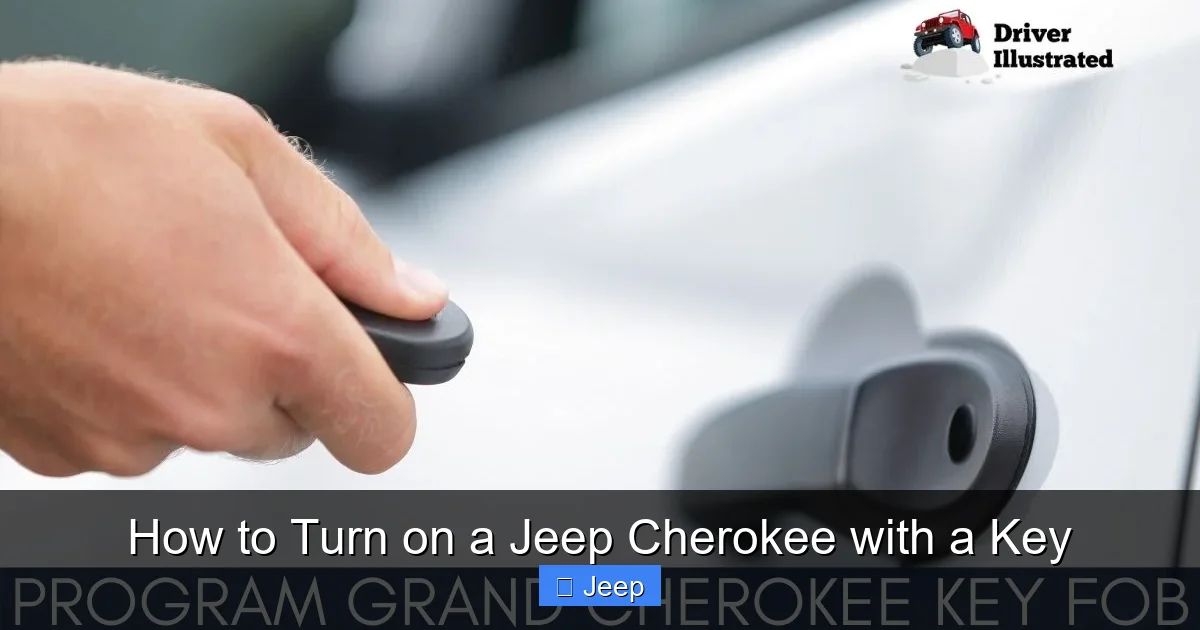
Visual guide about How to Turn on a Jeep Cherokee with a Key
Image source: driverillustrated.com
The Traditional Ignition Key (Pre-2014-ish Models)
If your Cherokee has a physical metal key that inserts directly into a cylindrical ignition switch on the steering column, you have a traditional system. This was standard for many years, including the popular XJ model (1984-2001) and the early KL model years (2014-2018 base trims sometimes still had this option). The steps are straightforward: insert, turn to “ON/RUN,” then to “START.” The ignition lock cylinder is mechanical and connected directly to the steering column lock.
The Keyless Enter ‘n Go™ System with Push-Button Start (2014-Present)
Starting with the reintroduction of the Cherokee (KL) in 2014, Jeep began equipping most models with the keyless system. Instead of a key slot, you have a round “ENGINE START/STOP” button on the dashboard or center console. The key fob, which you carry with you, uses a radio signal to communicate with the car. The car must detect the fob’s presence inside the vehicle for the button to work. This system is convenient but has specific requirements, like the fob being inside the car and the brake pedal being pressed (for automatic transmissions) to initiate start.
The Hybrid System: Key Fob with Hidden Emergency Key
Many modern key fobs for the Cherokee include a small, removable physical key blade tucked inside. This isn’t for starting the engine in normal operation but serves as a backup. You use it to manually unlock the driver’s door if the fob’s battery dies or its electronics fail. Once inside, you typically have a specific procedure to start the car using the dead fob (more on that later). It’s a critical piece of your kit that many owners forget exists until they need it.
Step-by-Step: Starting with a Traditional Ignition Key
For owners of older Cherokees (XJ, WJ, WK, early KL), this is your daily ritual. It’s a tactile, mechanical process that many drivers prefer for its simplicity and lack of reliance on batteries.
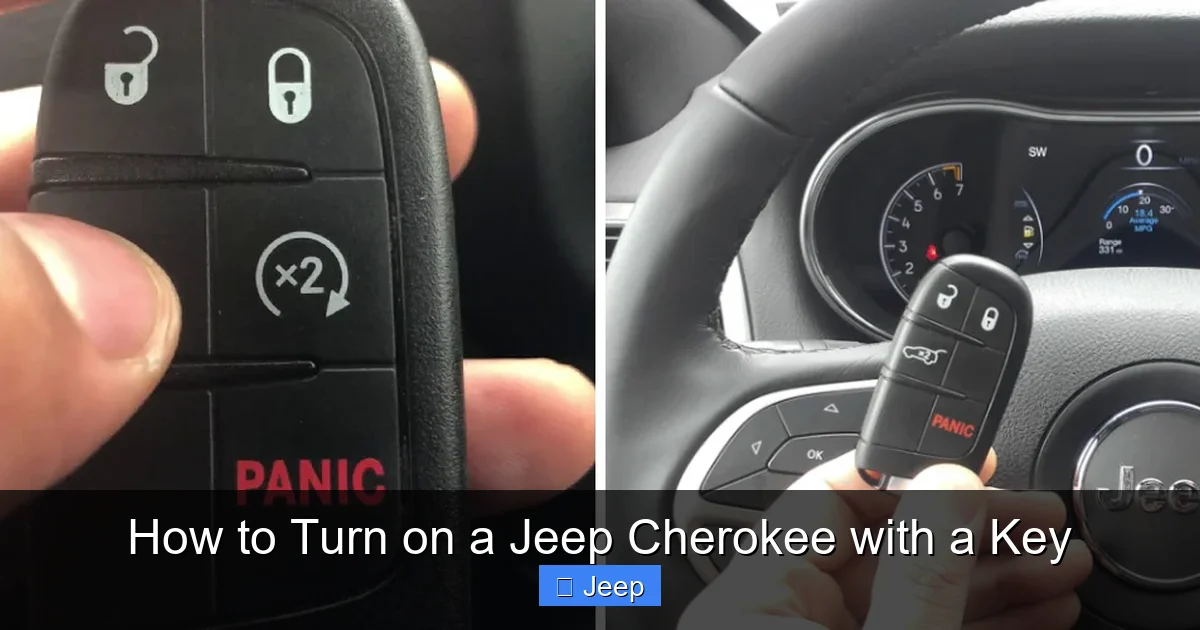
Visual guide about How to Turn on a Jeep Cherokee with a Key
Image source: jeepfixes.com
Preparation and Safety Checks
Before you even touch the key, perform these quick checks. First, ensure your foot is firmly on the brake pedal if you have an automatic transmission. This is a safety interlock—the car won’t start without it. Second, confirm the gear selector is in “Park” (P). For manual transmissions, the clutch pedal must be depressed. Finally, a quick glance at the dash to ensure no warning lights (like the oil pressure or battery light) are illuminated red before you crank is a good habit.
The Starting Sequence
1. Insert the Key: Locate the ignition cylinder on the right side of the steering column. Insert your Jeep key fully. It will only go in one way, matching the notches on the key blade.
2. Turn to “ON/RUN”: Turn the key clockwise to the first position. This is often marked “ON,” “RUN,” or has a battery symbol. You’ll hear a click, and your dashboard lights and gauges will illuminate. This powers up the vehicle’s computer and electrical systems. Keep it here for a second or two to let the fuel pump prime.
3. Crank to “START”: From the “ON” position, turn the key further clockwise to the “START” position. This engages the starter motor. You’ll hear the engine crank. As soon as the engine fires and runs smoothly, release the key. It will spring back automatically to the “ON” position. Do not hold it in the start position for more than a few seconds, as this can overheat the starter.
4. Check Gauges: Once running, verify that oil pressure builds and the voltmeter shows a charging system voltage (usually around 14 volts). Let it idle for 10-20 seconds before driving, especially in cold weather.
What If the Key Won’t Turn?
This is a common issue, often related to the steering wheel lock. If the key won’t insert or turn past the “LOCK” position, try this: Gently turn the steering wheel left and right while slowly attempting to turn the key. The steering lock is designed to engage when the wheels are turned against a curb or the front tires are angled. This slight pressure on the lock mechanism can make it difficult to turn the key. The wiggle relieves that pressure. Also, ensure the transmission is fully in Park. A slightly misaligned gear selector can sometimes prevent the key from turning.
Step-by-Step: Starting with a Keyless Push-Button System
This is the standard for most modern Cherokee (KL) models, especially from 2015 onward in trims above the base. It feels futuristic but has simple rules.
Visual guide about How to Turn on a Jeep Cherokee with a Key
Image source: jeepmodified.com
The Standard Start Procedure
1. Have the Fob With You: The most important rule. The key fob must be physically inside the vehicle. It can be in your pocket, purse, on the seat, or even in the center console cup holder. The car has antennas that detect its presence.
2. Apply the Brake: Press and hold the brake pedal firmly. This is a mandatory safety interlock for automatics.
3. Press the Button: Locate the “ENGINE START/STOP” button, usually on the right side of the steering wheel or on the center console near the shifter. Press it once. You should hear the engine crank and start immediately. The button will illuminate, often changing color (e.g., from white to green or blue) to indicate the engine is running.
4. To Stop the Engine: To turn the engine off, press the button again while the vehicle is in Park. You must have your foot on the brake to restart it.
Starting Without Pressing the Brake (Neutral/Manual)
If your Cherokee has a manual transmission, the procedure differs slightly. With the clutch pedal depressed and the key fob inside, you can press the start button without touching the brake. For automatics, some models allow starting in Neutral if Park is unavailable, but consult your manual—this is less common and not a standard practice.
Important System Notes
If the key fob battery is weak, you might see a message on the dash like “Key Fob Battery Low” or experience intermittent starting. The system may still work if the fob is very close to the start button. For more on how key fobs work and general security tips, you can explore resources on how to turn a car on with a key fob.
The Emergency Plan: Starting When Your Key Fob Battery is Dead
This is a critical skill. A dead 2032 battery in your fob doesn’t mean you’re stranded. The Jeep Cherokee is designed with a backup.
Step 1: Gain Entry with the Hidden Emergency Key
1. Locate the Emergency Key: Flip your key fob over. There’s usually a small slider or button on the back. Press/slide it to release the hidden metal key blade.
2. Unlock the Door: Use this key to manually unlock the driver’s door. There is a small, often circular or rectangular, keyhole in the door handle or just below the exterior door handle trim. Insert the key and turn it to unlock. Note: On some models, you may need to remove a small cap covering this keyhole. Gently pry it off with the key itself or a flat tool.
3. Enter the Vehicle.
Step 2: Starting the Engine with a Dead Fob
Once inside, the process differs from the normal push-button start. The car’s system knows the fob is dead but recognizes the physical key blade as valid for entry only. To start:
1. Place the Fob Against the Start Button: Hold the key fob (with the dead battery) directly against the “ENGINE START/STOP” button. The side with the buttons should be touching the vehicle’s button.
2. Press the Start Button: While holding the fob in place, press the start button with your other hand or with the fob itself. The car’s antenna can sometimes read the fob’s internal chip through proximity, even with a dead battery for the remote functions.
3. Alternative Method (Press Fob into Slot): Some Jeep models have a designated spot, often a small indentation or slot on the steering column or center console near the button. If you see this, place the fob into it and then press the start button.
4. If It Doesn’t Work: Try pressing the start button with the fob while your foot is on the brake. The system may require the brake interlock. If it still fails, the fob’s internal chip may be faulty, or the car’s antenna may have an issue.
Immediate Action: Once the engine is running, get to a safe location and replace the key fob battery immediately. You can usually find instructions for your specific fob model (like a CR2032) online or in your manual. For those who drive different brands, the process for a Nissan key fob battery replacement is very similar.
Troubleshooting Common “Won’t Start” Scenarios
Even with the correct procedure, things can go wrong. Here’s how to diagnose the most frequent problems.
The Security Light is On and Flashing (Immobilizer Issue)
If your dash has a small icon of a car with a key (the security indicator) that is solid or flashing, the engine immobilizer system is active and preventing start. This means the car’s computer isn’t recognizing the key’s unique chip. Causes include: a dead key fob battery (for keyless systems), a damaged fob, a faulty antenna ring around the ignition/button, or a glitch in the system.
- For Key Fobs: Replace the battery first. Try the “hold fob against button” start method.
- For Traditional Keys: Ensure you are using the correct, programmed key for that vehicle. A duplicate key that wasn’t properly cut or programmed won’t work.
- System Reset: Sometimes, locking and unlocking the doors with the fob, then closing all doors and waiting 5 minutes, can reset the system. Consult your manual for a specific “relearn” procedure, which may involve turning the key to “ON” for a set time.
The Key Won’t Turn in the Ignition (Mechanical Jam)
As mentioned, the primary cause is the steering wheel lock. Ensure the wheels are straight. If the key is worn out from years of use, it may no longer engage the tumblers properly. A locksmith or dealership can cut a new key from the vehicle’s VIN. Also, check for debris in the keyway. A can of compressed air can blow out dust or lint.
The Engine Crank But Won’t Start (No Fire)
This means the starter is working, but the engine isn’t igniting. For key-related issues, it’s less common, but if the security system is partially active, it might allow cranking but not fuel/spark delivery. The security light behavior is your clue. If the light is steady on during cranking, the immobilizer is active. If the light is off and it still won’t start, the problem is likely fuel, spark, or air-related (e.g., empty gas tank, clogged filter, bad sensor) and not directly the key.
The Start Button Does Nothing (No Crank, No Sound)
This points to a complete lack of power to the starter circuit. Check: Is the brake pedal pressed? Is the transmission in Park/Neutral? Is the key fob battery completely dead and not in proximity? Is the vehicle’s 12V battery dead (dash lights will be dim or off)? A severely discharged vehicle battery won’t power the ignition system or starter solenoid, even with a good key.
Special Considerations and Pro Tips
Mastering your Cherokee’s start system involves a few extra nuances that save time and prevent frustration.
Key Fob Range and Signal Interference
The keyless system has a limited range, typically 20-30 feet. If you’re trying to start from outside the vehicle with the fob in your hand, it won’t work—the fob must be inside. Signal interference from large metal objects, other key fobs, or strong radio transmitters can sometimes block the signal. If the start button isn’t responding, try placing the fob directly in the cupholder or on the passenger seat, as these locations are often closest to the system’s antenna.
Understanding “Passive Entry” vs. “Push-to-Start”
Some Cherokees have “Passive Entry” where you can lock/unlock the doors by touching the door handle (with the fob in proximity) but still use a traditional key in the ignition. Others have the full “Push-to-Start” system with no key slot. Knowing which you have is key. If your vehicle has door handles with a small ridge or sensor on the back, you have passive entry. If there’s a prominent start button, you have push-to-start.
Replacing and Programming Keys
Lost your only key? This is a serious and costly situation. For traditional keys, a locksmith or dealer can cut a new key from your VIN, but it must be programmed to your vehicle’s immobilizer system by a dealer or specialized locksmith with the proper equipment. For key fobs, you can often buy a blank fob online and have it programmed, or purchase one pre-programmed from the dealer. Always keep a spare made proactively. The process for fixing a key system error on a Nissan shares similarities with Jeep’s immobilizer troubleshooting, highlighting the complexity of these security systems.
Winter and Extreme Conditions
Cold can affect both keys and electronics. Traditional keys can sometimes freeze in the lock cylinder. Use a graphite-based lock lubricant (not oil, which can gum up) before winter hits. For key fobs, cold drains batteries faster. Keep a spare fob or at least its emergency key inside your home, not just in the car. If your car is buried in snow, the fob’s signal may be blocked—clear snow from around the driver’s door handle and front bumper where antennas may be located.
Conclusion: Confidence Behind the Wheel
Turning on your Jeep Cherokee should be an effortless first step to your journey, not a moment of anxiety. Whether you’re turning a classic key, pressing a sleek button, or deploying the emergency key in a pinch, you now have the roadmap. Remember the golden rules: safety interlocks (brake, Park), fob proximity, and the emergency key’s location. When things go wrong, methodically check the security light, battery levels, and steering lock before assuming the worst.
Your Cherokee is built for capability and adventure, and its starting system is designed with your convenience and security in mind. By understanding the “why” behind each step, you empower yourself to handle any key-related situation. Keep this guide handy, store that emergency key somewhere safe (like your wallet), and don’t hesitate to consult your owner’s manual for your specific model year’s nuances. Now, take a deep breath, engage that parking brake, and turn the key or press the button with confidence. The trail—or the office—awaits.
Frequently Asked Questions
What should I do if my Jeep Cherokee key fob battery is completely dead?
Use the hidden emergency key blade to unlock the driver’s door. Once inside, hold the dead key fob directly against the “ENGINE START/STOP” button and press it while your foot is on the brake. The car should recognize the fob’s internal chip and start. Replace the fob battery as soon as possible.
Why is the security light flashing on my dash and preventing start?
A flashing security light means the engine immobilizer system is active and not recognizing your key’s chip. This is often due to a dead key fob battery (for keyless models) or a damaged/unmatched key. Try replacing the fob battery or using the emergency start procedure. If it persists, the key may need reprogramming by a dealer.
My key won’t turn in the ignition. What’s wrong?
The most common cause is the steering wheel lock. Gently turn the steering wheel left and right while attempting to turn the key. This relieves pressure on the lock. Also, ensure the transmission is fully in Park. If the key itself is worn or damaged, it may need replacement.
Can I start my Jeep Cherokee if the key fob is outside the vehicle?
No. For safety and security, the keyless push-button start system requires the key fob to be physically inside the passenger compartment. The car’s antennas must detect it to allow the engine to start. The fob can be in your pocket, a bag, or on a seat.
My steering wheel is locked and I can’t insert the key. How do I fix this?
This is normal when the front wheels are turned and pressing against a curb or the parking pawl. Firmly grip the steering wheel and turn it hard to the left, then to the right, while attempting to insert and turn the key. The lock will disengage, and the key will turn.
What gear do I need to be in to start an automatic Jeep Cherokee?
You must have the gear selector fully in the “Park” (P) position. The engine will not start if the selector is in Drive (D), Reverse (R), or Neutral (N) unless you have a specific manual transmission model. For manuals, the clutch must be depressed.
