
275/55r20 Tire Size in Inches

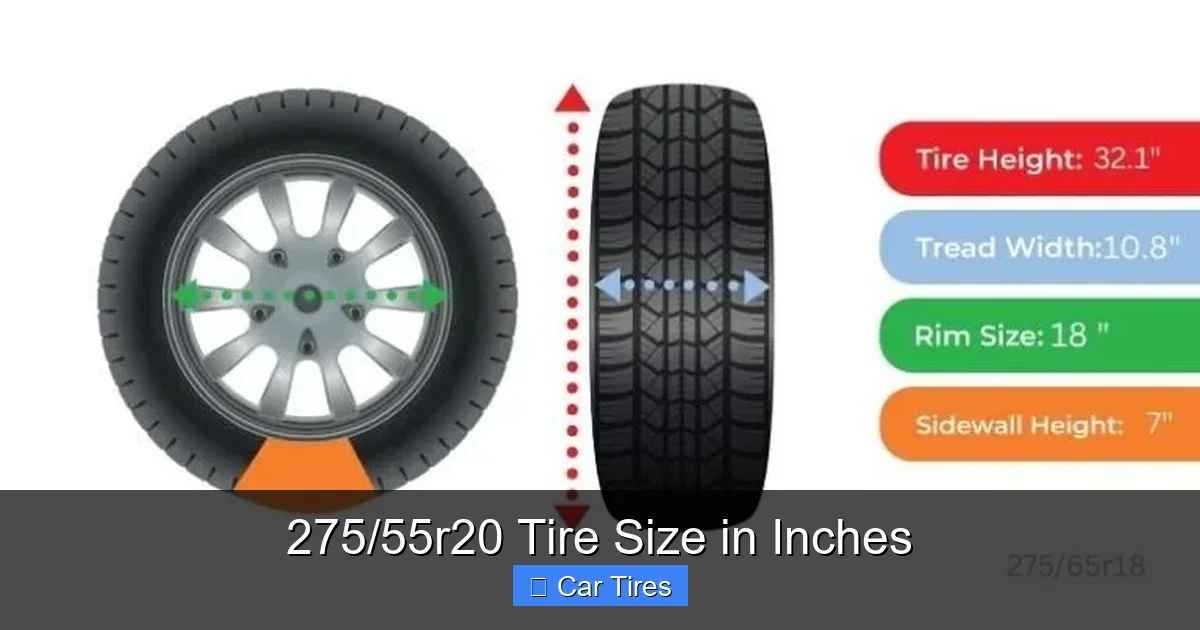
The 275/55R20 tire size is a popular choice for full-size trucks and SUVs, offering a balance of stability, comfort, and aggressive styling. In inches, this tire has an overall diameter of about 31.9 inches, a tread width of 10.8 inches, and a sidewall height of 5.9 inches.
Key Takeaways
- Overall Diameter: The 275/55R20 tire measures approximately 31.9 inches in diameter, making it ideal for vehicles that need a tall, commanding stance.
- Tread Width: With a width of 10.8 inches (275 millimeters), this tire provides excellent grip and stability on both highways and off-road terrain.
- Sidewall Height: The sidewall is about 5.9 inches tall, offering a good balance between ride comfort and responsive handling.
- Wheel Compatibility: This tire is designed for 20-inch wheels, commonly found on trucks like the Ford F-150, Chevrolet Silverado, and Ram 1500.
- Load and Speed Ratings: Most 275/55R20 tires support high load capacities (up to 2,756 lbs per tire) and speed ratings up to 118 mph (S or T rating).
- Versatile Use: Suitable for daily driving, towing, light off-roading, and all-season conditions depending on the tread design.
- Conversion Accuracy: Understanding the inch equivalents helps when comparing tire sizes or upgrading wheels without compromising speedometer accuracy.
📑 Table of Contents
- Understanding the 275/55R20 Tire Size: A Complete Breakdown
- Decoding the Numbers: What Does 275/55R20 Mean?
- 275/55R20 Tire Size in Inches: Full Conversion
- Why Choose 275/55R20 Tires? Benefits and Applications
- Installation, Maintenance, and Upgrading Tips
- Common Misconceptions About 275/55R20 Tires
- Conclusion: Is 275/55R20 Right for You?
Understanding the 275/55R20 Tire Size: A Complete Breakdown
When you’re shopping for new tires, especially for a truck or SUV, you’ve probably come across the mysterious code “275/55R20.” At first glance, it looks like a random string of numbers and letters—but it’s actually a detailed blueprint of the tire’s dimensions. Whether you’re replacing worn-out tires, upgrading for better performance, or just curious about what those numbers mean, understanding the 275/55R20 tire size in inches can save you time, money, and confusion.
This tire size is one of the most popular choices for modern full-size trucks and large SUVs. It strikes a sweet spot between aggressive off-road capability and smooth on-road comfort. But what does it really mean when we convert 275/55R20 into inches? How tall is it? How wide? And why does that matter for your vehicle? In this guide, we’ll break down every part of the 275/55R20 tire size, translate it into easy-to-understand inch measurements, and explain how it affects your driving experience. By the end, you’ll know exactly what you’re getting—and why this size is so widely loved by drivers across the country.
Decoding the Numbers: What Does 275/55R20 Mean?
Let’s start by dissecting the code: 275/55R20. Each number and letter tells you something important about the tire’s design and fitment. Think of it like a recipe—each ingredient plays a role in the final product.
Visual guide about 275/55r20 Tire Size in Inches
Image source: tireblogger.com
The First Number: 275 (Tire Width in Millimeters)
The first number, 275, refers to the tire’s width from sidewall to sidewall, measured in millimeters. So, a 275 tire is 275 mm wide. To convert that to inches, divide by 25.4 (since there are 25.4 mm in an inch). That gives us roughly 10.8 inches. This means the tire is about 10.8 inches wide across the tread—plenty of surface area to grip the road, especially when carrying heavy loads or towing.
A wider tire like this provides better stability, especially at high speeds or when cornering. It also gives your vehicle a more muscular, planted look—perfect for trucks and SUVs that want to make a statement. However, wider tires can slightly reduce fuel efficiency due to increased rolling resistance, so it’s a trade-off between performance and economy.
The Second Number: 55 (Aspect Ratio)
The second number, 55, is the aspect ratio. This is a percentage that tells you how tall the tire’s sidewall is compared to its width. In this case, 55 means the sidewall height is 55% of the tire’s width. So, we take 275 mm × 0.55 = 151.25 mm. Converting that to inches: 151.25 ÷ 25.4 ≈ 5.95 inches. So, the sidewall is about 5.9 inches tall.
The aspect ratio affects ride comfort and handling. A lower number (like 45 or 35) means a shorter sidewall, which improves responsiveness but can make the ride harsher. A higher number (like 65 or 70) means a taller sidewall, which absorbs bumps better but can feel less precise. The 55 aspect ratio in the 275/55R20 is a great middle ground—offering a smooth ride without sacrificing too much handling precision.
The Letter: R (Radial Construction)
The “R” stands for radial construction, which means the tire’s internal layers (or plies) run radially across the tire from bead to bead. This is the standard for modern tires and offers better fuel efficiency, longer tread life, and improved heat dissipation compared to older bias-ply designs. Almost all passenger vehicles today use radial tires, so this isn’t something you need to worry about—just know it’s the right choice.
The Final Number: 20 (Wheel Diameter in Inches)
The last number, 20, is the diameter of the wheel (or rim) that the tire is designed to fit, measured in inches. So, this tire mounts on a 20-inch wheel. This is a common size for trucks and SUVs, especially those with larger brake calipers or a more aggressive stance. A 20-inch wheel gives you a larger contact patch and a more modern, sporty appearance.
275/55R20 Tire Size in Inches: Full Conversion
Now that we’ve broken down each part of the code, let’s put it all together and see what the 275/55R20 tire size looks like in inches. This is especially useful when comparing tire sizes, planning upgrades, or checking clearance in your wheel wells.
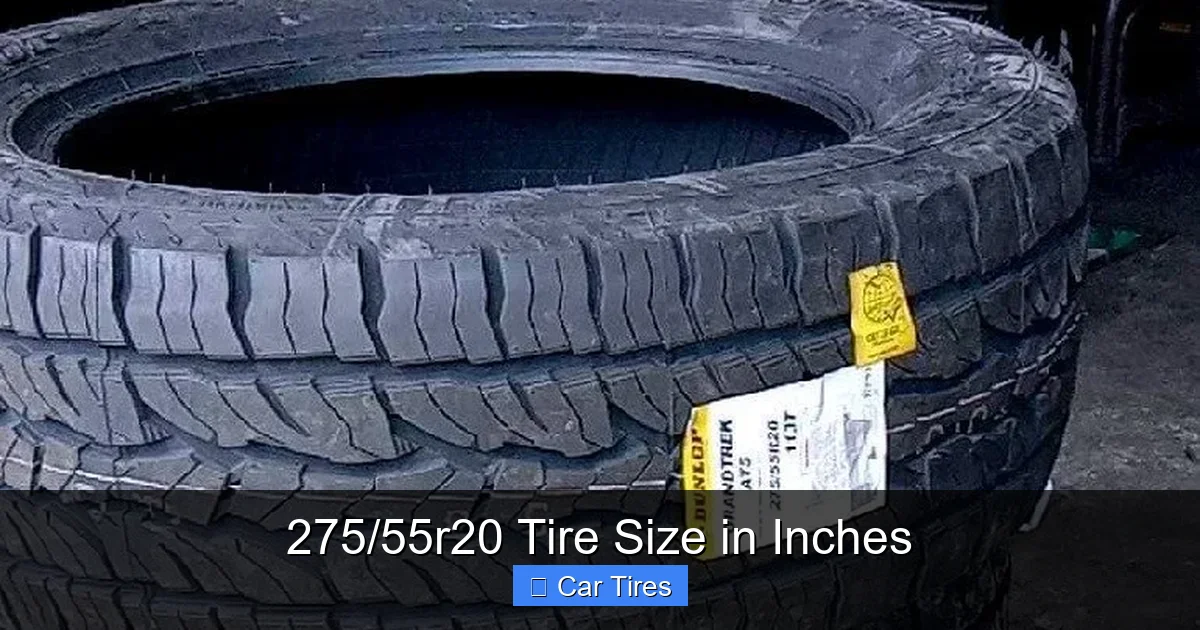
Visual guide about 275/55r20 Tire Size in Inches
Image source: tireblogger.com
Overall Diameter
The overall diameter is the total height of the tire from the ground to the top. To calculate it, you add the wheel diameter (20 inches) to twice the sidewall height (since there’s a sidewall on the top and bottom). We already know the sidewall is about 5.9 inches tall, so:
- Sidewall (top): 5.9 inches
- Sidewall (bottom): 5.9 inches
- Wheel diameter: 20 inches
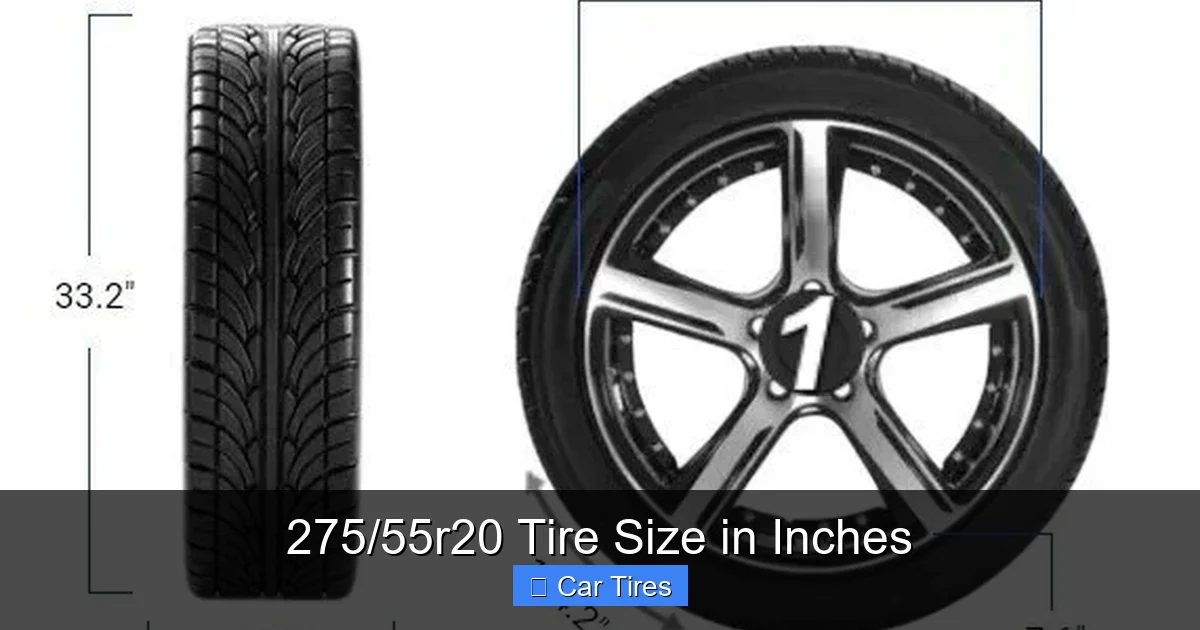
Add them up: 5.9 + 5.9 + 20 = 31.8 inches. Most manufacturers list the 275/55R20 tire as having an overall diameter of approximately 31.9 inches. That’s nearly 2.7 feet tall—giving your vehicle a commanding presence on the road.
Tread Width
As mentioned earlier, the tread width is 275 mm, which converts to about 10.8 inches. This is the part of the tire that actually touches the road. A 10.8-inch-wide tread provides excellent traction, especially in wet or snowy conditions, and helps distribute the vehicle’s weight more evenly. It also contributes to better braking performance and cornering grip.
Sidewall Height
The sidewall height is 5.9 inches (151.25 mm). This is the distance from the wheel’s edge to the tread. A 5.9-inch sidewall is tall enough to absorb bumps and potholes, making for a comfortable ride, but not so tall that it feels sloppy during quick maneuvers. It’s a great balance for drivers who want both comfort and control.
Circumference and Revolutions Per Mile
The circumference of the tire is how far it travels in one full rotation. For the 275/55R20, the circumference is approximately 100.2 inches (or about 8.35 feet). This means the tire rotates about 637 times per mile. This number is important because it affects your speedometer and odometer readings. If you change tire sizes without adjusting for this, your speedometer could be off—showing you’re going 60 mph when you’re actually going 62, for example.
Most modern vehicles can handle slight variations, but if you’re significantly increasing or decreasing tire size, you may need to recalibrate your speedometer or use a tuner to correct the readings.
Why Choose 275/55R20 Tires? Benefits and Applications
So, why do so many drivers choose the 275/55R20 tire size? It’s not just about the numbers—it’s about what those numbers deliver in real-world performance. This tire size is a favorite among truck and SUV owners for several practical reasons.
Visual guide about 275/55r20 Tire Size in Inches
Image source: tireblogger.com
Ideal for Full-Size Trucks and SUVs
The 275/55R20 is a perfect fit for vehicles like the Ford F-150, Chevrolet Silverado 1500, Ram 1500, Toyota Tundra, and GMC Sierra. These trucks often come with 20-inch wheels as standard or optional upgrades, and the 275/55R20 size provides the right balance of load capacity, ride quality, and aesthetics. It’s also common on large SUVs like the Ford Expedition, Chevrolet Tahoe, and Cadillac Escalade.
Excellent Load Capacity
Most 275/55R20 tires are rated for high load capacities—often up to 2,756 pounds per tire (load index 118). This means a set of four can support over 11,000 pounds, making them ideal for towing trailers, hauling cargo, or carrying heavy loads. If you use your truck for work or recreation, this tire size gives you the strength you need without sacrificing comfort.
All-Season and All-Terrain Options
You can find 275/55R20 tires in a variety of tread patterns and compounds to suit your driving needs:
- All-Season Tires: Great for everyday driving in mild climates. They offer good traction in rain and light snow, with a focus on comfort and longevity.
- All-Terrain Tires: Designed for light off-roading, these have deeper treads and reinforced sidewalls. They handle gravel, mud, and snow better than all-season tires, while still being quiet on the highway.
- Mud-Terrain Tires: For serious off-road enthusiasts, these have aggressive tread patterns for maximum grip in mud, rocks, and sand. They’re louder on pavement but unbeatable in tough conditions.
Improved Handling and Stability
The wide tread and moderate sidewall height of the 275/55R20 contribute to better handling, especially at highway speeds. The tire resists flexing during cornering, giving you more confidence when merging or changing lanes. It also helps reduce body roll, making your vehicle feel more planted and secure.
Aesthetic Appeal
Let’s be honest—part of the reason people choose this tire size is how it looks. A 275/55R20 tire on a 20-inch wheel gives your truck or SUV a bold, aggressive stance. It fills out the wheel wells nicely and enhances the overall appearance. Whether you’re going for a rugged off-road look or a sleek, modern style, this tire size delivers.
Installation, Maintenance, and Upgrading Tips
Once you’ve chosen your 275/55R20 tires, proper installation and maintenance are key to getting the most out of them. Here are some practical tips to keep in mind.
Professional Installation
Always have your tires installed by a certified technician. They’ll ensure the tires are mounted correctly, balanced, and aligned. Improper installation can lead to vibration, uneven wear, and even safety issues. Most shops also offer free rotation and inspection services, so take advantage of them.
Tire Pressure Monitoring
The recommended tire pressure for 275/55R20 tires is usually between 35 and 40 PSI, but always check your vehicle’s door jamb sticker or owner’s manual for the exact number. Underinflated tires wear out faster and reduce fuel efficiency. Overinflated tires can lead to a harsh ride and reduced traction. Use a quality tire pressure gauge and check pressure at least once a month.
Regular Rotation and Alignment
Rotate your tires every 5,000 to 7,500 miles to promote even wear. Front and rear tires wear differently, especially on rear-wheel-drive or four-wheel-drive vehicles. Regular alignment checks (every 10,000 miles or after hitting a pothole) help prevent uneven tread wear and extend tire life.
Upgrading from Stock Tires
If you’re upgrading from a smaller tire size (like 265/60R18), the 275/55R20 is a great step up. It’s slightly taller and wider, which improves ground clearance and stability. Just make sure your wheel wells have enough clearance—especially if you’re adding larger wheels or lift kits. Also, check that your speedometer is accurate after the change.
Winter and Off-Road Considerations
If you live in a snowy area, consider switching to winter tires in colder months. While all-season 275/55R20 tires handle light snow, dedicated winter tires offer far better grip and safety. For off-roading, all-terrain or mud-terrain tires are the way to go—just be prepared for a slightly rougher ride and more road noise.
Common Misconceptions About 275/55R20 Tires
Despite their popularity, there are a few myths and misunderstandings about 275/55R20 tires. Let’s clear them up.
“Bigger Tires Always Mean Better Performance”
Not necessarily. While larger tires can improve ground clearance and traction, they can also strain your suspension, reduce fuel economy, and affect handling if not properly matched to your vehicle. The 275/55R20 is a smart upgrade for most trucks, but going too big can cause problems.
“All 275/55R20 Tires Are the Same”
Far from it. Tires vary widely in tread design, rubber compound, load rating, and speed rating. A budget all-season tire won’t perform like a premium all-terrain tire. Always read reviews and choose a tire that matches your driving style and needs.
“You Can’t Use These Tires in Winter”
Many 275/55R20 tires are all-season rated and perform well in light snow. However, for heavy snow or ice, winter tires are still the best choice. Don’t assume your all-season tires will handle everything.
Conclusion: Is 275/55R20 Right for You?
The 275/55R20 tire size is a versatile, high-performance option that works exceptionally well for full-size trucks and SUVs. When converted to inches, it offers an overall diameter of about 31.9 inches, a tread width of 10.8 inches, and a sidewall height of 5.9 inches—delivering a perfect blend of comfort, stability, and style. Whether you’re driving on the highway, towing a trailer, or exploring off the beaten path, this tire size gives you the confidence and capability you need.
Understanding the inch equivalents helps you make informed decisions when buying, upgrading, or maintaining your tires. It ensures compatibility, maintains speedometer accuracy, and helps you get the best performance from your vehicle. So, the next time you see “275/55R20” on a tire sidewall, you’ll know exactly what it means—and why it’s such a great choice for so many drivers.
Frequently Asked Questions
What is the diameter of a 275/55R20 tire in inches?
The overall diameter of a 275/55R20 tire is approximately 31.9 inches. This includes the 20-inch wheel and two sidewalls, each about 5.9 inches tall.
How wide is a 275/55R20 tire in inches?
A 275/55R20 tire is 275 millimeters wide, which converts to about 10.8 inches. This is the width of the tread that contacts the road.
What vehicles use 275/55R20 tires?
This tire size is commonly used on full-size trucks and SUVs like the Ford F-150, Chevrolet Silverado, Ram 1500, Toyota Tundra, and GMC Sierra, often with 20-inch wheels.
Can I use 275/55R20 tires for off-roading?
Yes, especially if you choose all-terrain or mud-terrain versions. These tires offer better grip on dirt, gravel, and mud while still being drivable on pavement.
Will 275/55R20 tires affect my speedometer?
Slightly, but usually not enough to require recalibration. The tire’s circumference is close to stock sizes, so most vehicles will maintain accurate speedometer readings.
How much weight can a 275/55R20 tire support?
Most 275/55R20 tires have a load index of 118, meaning each tire can support up to 2,756 pounds. A full set can handle over 11,000 pounds.
