
235 85 R16 Tire Size

The 235 85 R16 tire size is a popular choice for light trucks, SUVs, and off-road vehicles, offering a balance of load capacity, ride comfort, and rugged performance. With a wide tread and tall sidewall, it delivers excellent traction on and off the road, making it ideal for towing, hauling, and adventure driving.
[FEATURED_IMAGE_PLACEHODEL]
Key Takeaways
- Common Fitment: The 235 85 R16 size is widely used on trucks like the Ford F-250, Chevrolet Silverado 2500, and Toyota Tacoma, as well as SUVs and overlanding rigs.
- Load and Speed Ratings: Most 235 85 R16 tires come with load ranges E or F, supporting heavy loads, and speed ratings from L (75 mph) to Q (99 mph), suitable for highway and off-road use.
- Tire Dimensions: This size has a diameter of about 31.7 inches, a width of 9.3 inches, and a sidewall height of 7.9 inches, providing a tall, stable footprint.
- Off-Road and All-Terrain Performance: Due to its large sidewall and aggressive tread options, it excels in mud, snow, and rocky terrain while maintaining decent on-road manners.
- Fuel Efficiency and Ride Comfort: Wider than stock tires on some vehicles, it may slightly reduce fuel economy but improves grip and ride smoothness over rough surfaces.
- Replacement and Upgrade Options: Available in all-season, all-terrain, mud-terrain, and winter variants, giving drivers flexibility based on driving needs and climate.
- Proper Inflation and Maintenance: Maintaining correct tire pressure is critical for safety, longevity, and performance, especially when carrying heavy loads or driving off-road.
📑 Table of Contents
Understanding the 235 85 R16 Tire Size
When it comes to choosing the right tire for your truck or SUV, size matters—literally. The 235 85 R16 tire size is one of the most versatile and widely used options in the light-duty and heavy-duty vehicle market. Whether you’re hauling a trailer, exploring backcountry trails, or just commuting daily, this tire size strikes a smart balance between capability and comfort. But what does “235 85 R16” actually mean? Let’s break it down in simple terms.
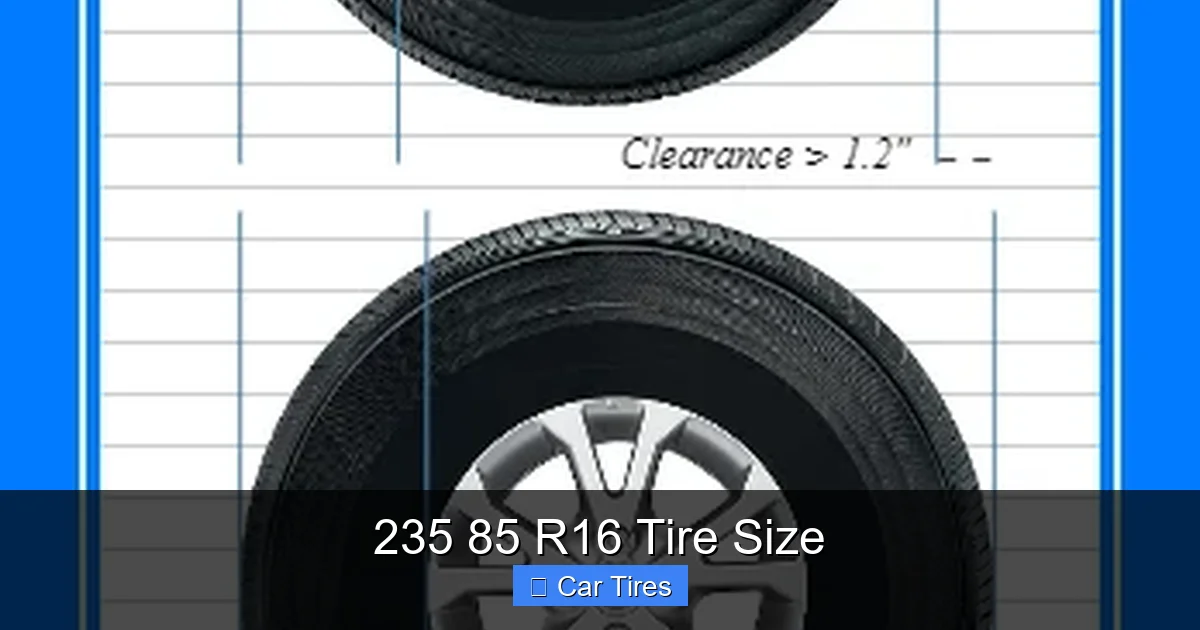
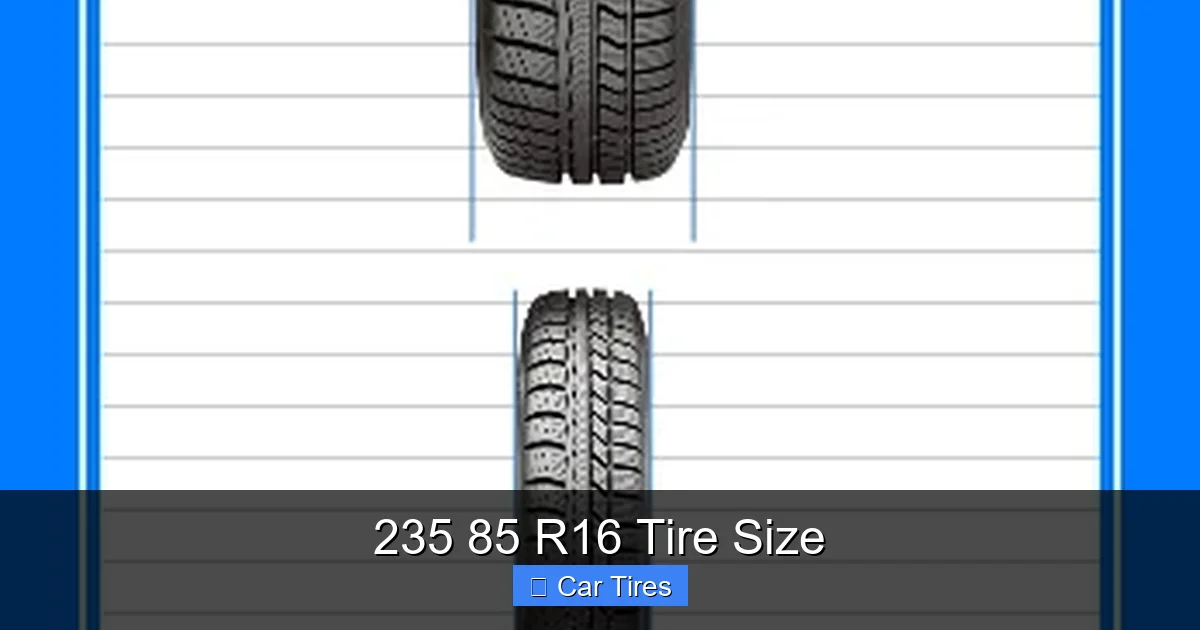
The first number, 235, refers to the tire’s width in millimeters from sidewall to sidewall. That’s about 9.3 inches wide—plenty of surface area to grip the road or dirt. The second number, 85, is the aspect ratio, meaning the sidewall height is 85% of the tire’s width. So, 85% of 235mm gives you a sidewall that’s roughly 199.75mm tall, or about 7.9 inches. The letter R stands for radial construction, which is the standard for modern tires, offering better fuel efficiency, heat dissipation, and tread life. Finally, the 16 indicates the wheel diameter in inches—this tire fits a 16-inch rim.
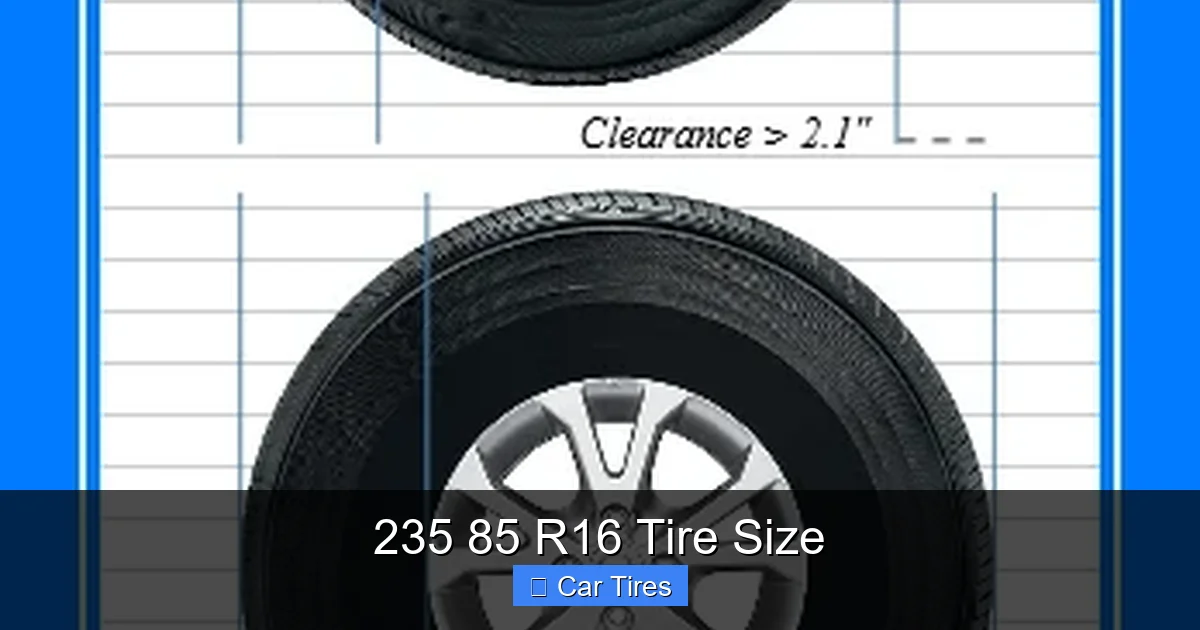
Put it all together, and the 235 85 R16 tire has an overall diameter of approximately 31.7 inches. That’s taller than many standard passenger car tires but shorter than some larger off-road sizes like 35-inch tires. This makes it a great middle ground—big enough to handle rough terrain and heavy loads, but not so large that it causes clearance issues or requires major suspension modifications.
Why Choose 235 85 R16 Tires?
So why do so many drivers opt for the 235 85 R16 tire size? The answer lies in its versatility. This size is commonly found on a wide range of vehicles, from full-size pickup trucks to rugged SUVs and overlanding builds. It’s a favorite among those who need durability without sacrificing everyday drivability.
Visual guide about 235 85 R16 Tire Size
Image source: tire-calc.com
One of the biggest advantages of this tire size is its load-carrying capacity. Most 235 85 R16 tires are rated for Load Range E (10-ply equivalent) or even Load Range F (12-ply), meaning they can handle serious weight. This makes them ideal for towing boats, campers, or trailers, as well as carrying heavy cargo. Whether you’re a contractor hauling tools or a weekend warrior loading up gear for a camping trip, these tires are built to take the strain.
Another benefit is the tall sidewall. With nearly 8 inches of sidewall height, the 235 85 R16 offers excellent cushioning over bumps, potholes, and uneven terrain. This translates to a smoother, more comfortable ride—especially important on long drives or when driving on gravel roads and trails. The extra flex in the sidewall also helps absorb impacts, reducing the risk of damage from rocks or debris.
Additionally, this tire size is widely available in various tread patterns and performance types. Whether you need all-season traction for city driving, aggressive mud-terrain treads for off-roading, or winter-ready snow tires for icy conditions, there’s a 235 85 R16 option for you. This flexibility makes it a practical choice for drivers who face changing weather and road conditions throughout the year.
Common Vehicles That Use 235 85 R16 Tires
The 235 85 R16 tire size is a popular factory and aftermarket fitment for many trucks and SUVs. It’s often used as an upgrade from smaller stock sizes or as a direct replacement for vehicles originally equipped with this dimension. Here are some of the most common vehicles that use or can accommodate 235 85 R16 tires:
Visual guide about 235 85 R16 Tire Size
Image source: tire-calc.com
Full-Size Pickup Trucks
Trucks like the Ford F-250 and F-350 Super Duty, Chevrolet Silverado 2500HD and 3500HD, and Ram 2500 and 3500 often come with 235 85 R16 tires as an option or can be easily upgraded to this size. These trucks are built for heavy-duty work, and the 235 85 R16 provides the strength and stability needed for towing and hauling. Many owners choose this size when upgrading from smaller tires to improve ground clearance and load capacity.
SUVs and Off-Road Vehicles
SUVs such as the Toyota 4Runner, Nissan Armada, and Ford Expedition can also benefit from 235 85 R16 tires, especially when equipped with lift kits or leveling kits. These vehicles often see mixed use—daily driving, family trips, and weekend adventures—making the versatility of this tire size a major plus. Overlanding enthusiasts, in particular, love this size for its balance of comfort and capability on long, remote journeys.
Commercial and Fleet Vehicles
Beyond personal use, the 235 85 R16 is also common on commercial vans, service trucks, and fleet vehicles. Its durability and load rating make it a reliable choice for businesses that depend on their vehicles for daily operations. Whether it’s a plumbing van, delivery truck, or utility vehicle, this tire size helps ensure consistent performance and reduced downtime.
Aftermarket and Custom Builds
Many drivers upgrade to 235 85 R16 tires as part of a custom build or suspension lift. This size offers a noticeable increase in height and width compared to stock tires, giving vehicles a more aggressive stance and improved off-road performance. With the right wheels and alignment, it’s a popular choice for lifted trucks and trail-ready SUVs.
Performance Characteristics of 235 85 R16 Tires
When evaluating any tire, it’s important to consider how it performs in real-world conditions. The 235 85 R16 tire size shines in several key areas, making it a top pick for drivers who demand reliability and versatility.
Visual guide about 235 85 R16 Tire Size
Image source: tire-calc.com
Off-Road Capability
Thanks to its tall sidewall and wide footprint, the 235 85 R16 excels in off-road environments. The extra flex in the sidewall allows the tire to conform to uneven terrain, improving traction on rocks, mud, and sand. Many all-terrain and mud-terrain tires in this size feature aggressive tread patterns with deep grooves and large lugs, designed to bite into loose surfaces and self-clean as you drive.
For example, a BFG KO2 All-Terrain or Cooper Discoverer STT Pro in 235 85 R16 can handle everything from forest service roads to rocky mountain trails. The larger contact patch and reinforced sidewalls also reduce the risk of punctures and cuts, which is crucial when driving in remote areas where help may be far away.
On-Road Comfort and Handling
Despite its rugged capabilities, the 235 85 R16 doesn’t sacrifice on-road comfort. The tall sidewall absorbs road imperfections, resulting in a quieter and smoother ride compared to lower-profile tires. This is especially noticeable on highways and city streets, where potholes and expansion joints can jar smaller tires.
Handling is also surprisingly good for a tire of this size. While it may not feel as sharp as a performance tire on a sports car, it offers stable steering and predictable cornering for a truck or SUV. Many drivers report improved confidence when towing or driving in windy conditions, thanks to the tire’s wide stance and solid grip.
Load and Towing Performance
One of the standout features of the 235 85 R16 is its ability to handle heavy loads. With Load Range E or F ratings, these tires can support thousands of pounds per tire. This makes them ideal for towing trailers, fifth wheels, or boat trailers, as well as carrying heavy payloads in the bed of a truck.
Proper inflation is critical when using these tires for heavy-duty tasks. Underinflated tires can overheat, wear unevenly, and even fail under stress. Most manufacturers provide a load inflation table that specifies the correct PSI based on the weight being carried. Always check your tire pressure before long trips or when loading up for a job.
Fuel Economy and Rolling Resistance
It’s no secret that larger, wider tires can impact fuel economy. The 235 85 R16 is heavier and has more rolling resistance than smaller stock tires, which may lead to a slight decrease in miles per gallon. However, the difference is often minimal—especially if you choose a tire with low rolling resistance technology.
All-terrain tires like the Goodyear Wrangler DuraTrac or Michelin LTX A/T2 are designed to balance off-road performance with fuel efficiency. They use advanced rubber compounds and tread designs to reduce drag without sacrificing grip. For drivers who prioritize mileage, these options are worth considering.
Types of 235 85 R16 Tires Available
One of the best things about the 235 85 R16 tire size is the variety of options available. Depending on your driving needs, climate, and vehicle use, you can choose from several tire types—each designed for specific conditions.
All-Season Tires
All-season 235 85 R16 tires are a great all-around choice for drivers who face mild to moderate weather conditions. They offer reliable traction in rain, light snow, and dry pavement, making them ideal for daily commuting and light hauling. These tires typically have a symmetrical tread pattern and are built for long tread life and quiet operation.
Examples include the BFGoodrich Advantage T/A Sport LT and Continental TerrainContact H/T. They’re a smart pick if you want one tire that can handle most situations without frequent changes.
All-Terrain Tires
All-terrain tires are the sweet spot for drivers who split their time between pavement and off-road trails. They feature more aggressive tread than all-season tires but are still quiet and comfortable on the highway. The 235 85 R16 size is especially popular in this category, with models like the BFG KO2, Cooper Discoverer AT3, and Goodyear Wrangler Duratrac leading the pack.
These tires are perfect for weekend adventurers, overlanders, and anyone who wants a capable tire without going full mud-terrain. They handle dirt roads, gravel, light mud, and snow with ease, while still offering decent tread life and on-road manners.
Mud-Terrain Tires
For serious off-roading, mud-terrain tires in 235 85 R16 are hard to beat. These tires have deep, widely spaced lugs that dig into soft terrain and self-clean as you drive. They’re built for extreme conditions—think deep mud, rocky trails, and steep inclines.
Popular options include the Mickey Thompson Baja Boss M/T, Nitto Trail Grappler, and Maxxis Razr MT. Keep in mind that mud-terrain tires are louder on the highway and may wear faster on pavement. They’re best suited for drivers who prioritize off-road performance over daily comfort.
Winter and Snow Tires
If you live in a region with harsh winters, a dedicated snow tire in 235 85 R16 can make a huge difference in safety and performance. Winter tires use softer rubber compounds that stay flexible in cold temperatures, providing better grip on ice and snow.
Brands like Nokian, Cooper, and General Tire offer winter-specific models in this size. While they’re not needed year-round in milder climates, they’re essential for safe driving in snowy or icy conditions.
Installation, Maintenance, and Safety Tips
Choosing the right 235 85 R16 tire is only half the battle—proper installation and maintenance are key to getting the most out of your investment. Here are some essential tips to keep your tires performing at their best.
Professional Installation
Always have your tires installed by a qualified technician. This ensures proper mounting, balancing, and alignment. Improper installation can lead to vibration, uneven wear, and even tire failure. Most tire shops also offer free rotation and inspection services, which can extend the life of your tires.
Regular Tire Rotations
Tire rotation every 5,000 to 7,000 miles helps ensure even wear across all four tires. Front and rear tires wear differently due to weight distribution and steering forces. Rotating them extends tread life and maintains consistent performance.
Check Tire Pressure Monthly
Tire pressure affects safety, fuel economy, and tread wear. Check your tire pressure at least once a month and before long trips. Use a reliable gauge and refer to the vehicle manufacturer’s recommended PSI, which is usually listed on a sticker inside the driver’s door jamb. Don’t rely on the number printed on the tire sidewall—that’s the maximum pressure, not the recommended one.
Inspect for Damage and Wear
Regularly inspect your tires for cuts, bulges, punctures, and uneven wear patterns. Look for signs of underinflation (wear on the edges) or overinflation (wear in the center). If you notice any issues, have them checked by a professional immediately.
Wheel Alignment and Balancing
Poor alignment can cause rapid or uneven tire wear. If your vehicle pulls to one side or you notice feathering on the tread, it’s time for an alignment. Balancing ensures smooth operation at high speeds and reduces vibration.
Seasonal Tire Changes
If you use winter tires, swap them out in the spring and store them properly. Keep tires in a cool, dry place away from sunlight and ozone sources like motors or heaters. Use tire totes or stack them horizontally to prevent deformation.
Conclusion
The 235 85 R16 tire size is a powerhouse option for drivers who need strength, versatility, and reliability. Whether you’re towing a heavy load, exploring remote trails, or just commuting to work, this tire size delivers the performance and durability you need. Its wide availability, range of tread options, and compatibility with popular trucks and SUVs make it a smart choice for a wide variety of drivers.
From all-season comfort to aggressive off-road capability, the 235 85 R16 can handle it all—when properly selected, installed, and maintained. By understanding your driving needs and choosing the right tire type, you can maximize safety, performance, and longevity. So whether you’re upgrading your current setup or replacing worn-out tires, consider the 235 85 R16—it might just be the perfect fit for your vehicle and lifestyle.
Frequently Asked Questions
What does 235 85 R16 mean?
The 235 85 R16 tire size means the tire is 235 millimeters wide, has a sidewall height that’s 85% of the width, uses radial construction, and fits a 16-inch wheel. This results in a tire with a diameter of about 31.7 inches.
Can I put 235 85 R16 tires on my truck?
Yes, if your truck has 16-inch wheels and enough clearance. This size is common on trucks like the Ford F-250, Chevy Silverado 2500, and Ram 2500. Check your owner’s manual or consult a tire professional to confirm fitment.
Are 235 85 R16 tires good for off-roading?
Absolutely. The tall sidewall and wide tread provide excellent traction on dirt, mud, and rocks. All-terrain and mud-terrain versions are especially popular for off-road use.
Do 235 85 R16 tires affect fuel economy?
They may slightly reduce fuel economy due to increased weight and rolling resistance, but the impact is usually minor. Choosing low-rolling-resistance models can help minimize the difference.
What load rating should I look for in a 235 85 R16 tire?
For heavy-duty use, choose Load Range E (10-ply) or F (12-ply). These ratings support higher weights and are ideal for towing, hauling, and commercial use.
How often should I check the pressure in my 235 85 R16 tires?
Check tire pressure at least once a month and before long trips. Proper inflation is critical for safety, performance, and tire life, especially when carrying heavy loads.