
How to Fix the Tire Pressure Sensor

Is your tire pressure sensor light on and you’re not sure why? Don’t ignore it—this guide walks you through diagnosing and fixing the tire pressure sensor step by step. Whether it’s a dead battery, sensor damage, or a simple reset issue, we’ll help you get back on the road safely and confidently.
Key Takeaways
- Understand how the TPMS works: Your car’s tire pressure monitoring system uses sensors to detect low pressure and alert you via a dashboard light.
- Common causes of sensor failure: Dead batteries, physical damage, corrosion, or software glitches can trigger false warnings.
- Reset the system after tire changes: Always reset the TPMS after inflating tires or rotating them to prevent false alerts.
- Use a TPMS scan tool: A dedicated scanner helps diagnose faulty sensors and reprogram new ones accurately.
- Replace sensors when necessary: Most TPMS sensors last 5–10 years; replace them if they fail or show inconsistent readings.
- Check for leaks and damage: A slow leak might mimic sensor failure—inspect tires and valves before replacing parts.
- Seek professional help if unsure: Complex reprogramming or internal sensor issues are best handled by a qualified mechanic.
📑 Table of Contents
Why Your Tire Pressure Sensor Light Is On (And What It Means)
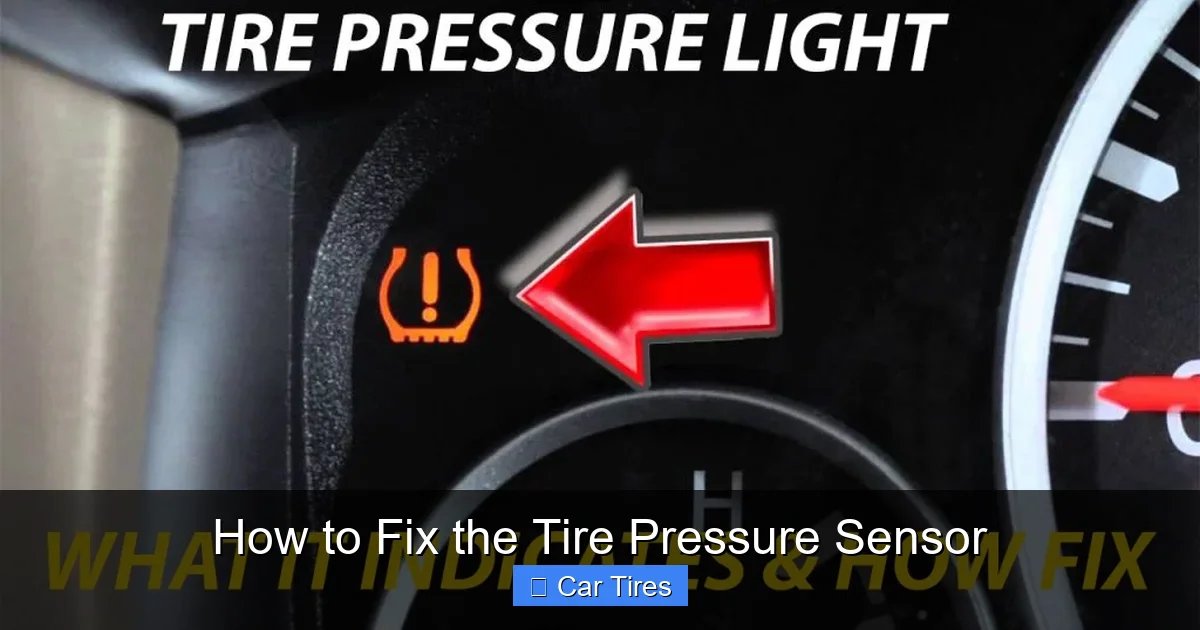
You’re driving along, and suddenly that little yellow light shaped like a horseshoe with an exclamation point lights up on your dashboard. It’s the tire pressure monitoring system (TPMS) warning, and it’s trying to tell you something important. But what exactly does it mean, and should you panic?
The TPMS is designed to keep you safe. It monitors the air pressure in your tires and alerts you when one or more tires are significantly underinflated—typically 25% below the recommended level. Low tire pressure can lead to poor fuel efficiency, uneven tire wear, reduced handling, and even blowouts at high speeds. So yes, that little light is a big deal.
But here’s the thing: the light doesn’t always mean your tires are flat. Sometimes, it’s triggered by a faulty sensor, a dead battery inside the sensor, or even a software glitch. In colder weather, tire pressure naturally drops, which can also set off the warning. The key is not to ignore it, but to investigate calmly and methodically.
How the Tire Pressure Monitoring System Works
Modern vehicles use one of two types of TPMS: direct or indirect. Most cars today use the direct TPMS, which relies on small sensors mounted inside each tire (usually attached to the valve stem or wheel rim). These sensors measure the actual air pressure and temperature, then transmit that data wirelessly to your car’s computer.
The indirect TPMS, on the other hand, doesn’t use physical sensors. Instead, it uses the wheel speed sensors from the anti-lock braking system (ABS) to detect differences in tire rotation. If one tire is spinning faster than the others (a sign of low pressure), the system triggers the warning light.
Direct systems are more accurate and provide real-time data, which is why they’re standard on most new vehicles. But because they rely on battery-powered sensors, they can fail over time. Understanding which system your car uses is the first step in fixing the tire pressure sensor.
Common Reasons the TPMS Light Comes On
Before you start replacing parts or visiting the mechanic, it’s important to rule out simple causes. Here are the most common reasons your tire pressure sensor light might be on:
- Low tire pressure: The most obvious cause. Check each tire with a manual gauge—don’t rely solely on the TPMS reading.
- Temperature changes: Cold weather causes air to contract, lowering tire pressure. A drop of 10°F can reduce pressure by 1–2 PSI.
- Faulty or dead sensor: TPMS sensors have internal batteries that last 5–10 years. Once the battery dies, the sensor stops transmitting.
- Damaged sensor: Potholes, curbs, or tire mounting errors can crack or break the sensor.
- Corrosion or dirt: Moisture and road grime can build up around the valve stem, interfering with the signal.
- Software or system glitch: Sometimes, the car’s computer just needs a reset after a tire rotation or battery disconnect.
For example, if you recently had your tires rotated and the light came on afterward, it might just need a reset. But if the light stays on even after inflating the tires properly, you likely have a sensor issue.
Step-by-Step Guide to Diagnosing the Problem
Now that you know what could be causing the issue, let’s walk through how to diagnose it like a pro. The goal is to pinpoint whether the problem is with the tires, the sensors, or the system itself.
Visual guide about How to Fix the Tire Pressure Sensor
Image source: tirepressurefault.com
Step 1: Check Tire Pressure Manually
Don’t trust the TPMS reading alone. Use a reliable tire pressure gauge to check each tire. Compare the reading to the recommended PSI listed on the driver’s side door jamb or in your owner’s manual. If one tire is significantly lower, it might just need air.
Pro tip: Check tire pressure when the tires are cold (before driving or after sitting for a few hours). Heat from driving increases pressure, giving a false reading.
Step 2: Inspect for Visible Damage
Look closely at each tire and valve stem. Are there cracks, bulges, or nails stuck in the tread? Is the valve stem bent or leaking? A damaged valve can mimic a sensor failure.
If you see a slow leak, try spraying soapy water around the valve and tire bead. Bubbles will form where air is escaping. This helps you decide whether to repair the tire or replace the sensor.
Step 3: Use a TPMS Scan Tool
This is where things get technical. A TPMS scan tool (like the Autel MaxiTPMS or Foxwell NT510) can read the status of each sensor, including battery life, signal strength, and pressure readings.
Simply plug the tool into your OBD2 port or hold it near each tire. It will tell you which sensor is malfunctioning and whether it’s a communication issue or a hardware failure. Some advanced tools can even reprogram new sensors.
If you don’t own a scan tool, many auto parts stores (like AutoZone or O’Reilly) offer free TPMS diagnostics. Just drive in and ask—they’ll hook you up in minutes.
Step 4: Check for System Reset Needs
After inflating tires or rotating them, your car may need a TPMS reset. This tells the system to recognize the new pressure levels or sensor positions.
Some cars have a reset button under the dash or in the settings menu. Others require a specific sequence: inflate tires, drive at 50 mph for 10 minutes, then turn the car off and on. Check your owner’s manual for exact steps.
How to Fix the Tire Pressure Sensor
Once you’ve diagnosed the issue, it’s time to fix it. The solution depends on the root cause, but here are the most effective fixes.
Visual guide about How to Fix the Tire Pressure Sensor
Image source: i.ytimg.com
Fix 1: Inflate or Adjust Tire Pressure
If the tires are low, simply add air using a compressor. Most gas stations have them, or you can buy a portable one for home use. Inflate each tire to the recommended PSI, then recheck with your gauge.
After inflating, drive the car for a few minutes. The TPMS should recalibrate and turn off the light. If it doesn’t, proceed to the next step.
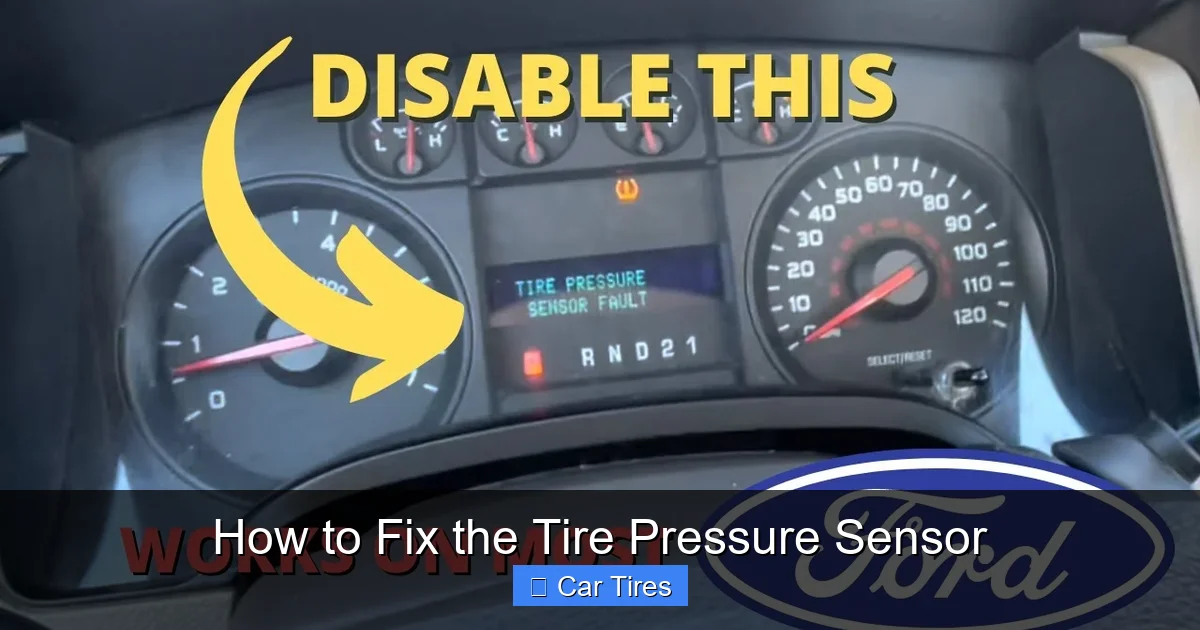
Fix 2: Reset the TPMS System
Many TPMS issues are resolved with a simple reset. Here’s how to do it on most vehicles:
- Turn the ignition to “on” (don’t start the engine).
- Press and hold the TPMS reset button (usually under the steering column) until the light blinks three times.
- Release the button, start the car, and drive for 10–15 minutes.
On newer cars, the reset may be in the infotainment system. Go to Settings > Vehicle > Tire Pressure > Reset. Follow the prompts.
If the light turns off, great! If not, the sensor may be faulty.
Fix 3: Clean or Replace the Valve Stem
Corrosion or dirt around the valve stem can block the sensor signal. Remove the valve core (using a valve core tool), clean it with a wire brush, and reinstall it. Apply a small amount of silicone grease to prevent future corrosion.
If the valve stem is cracked or damaged, replace it. Most auto shops can do this quickly, or you can buy a replacement kit online.
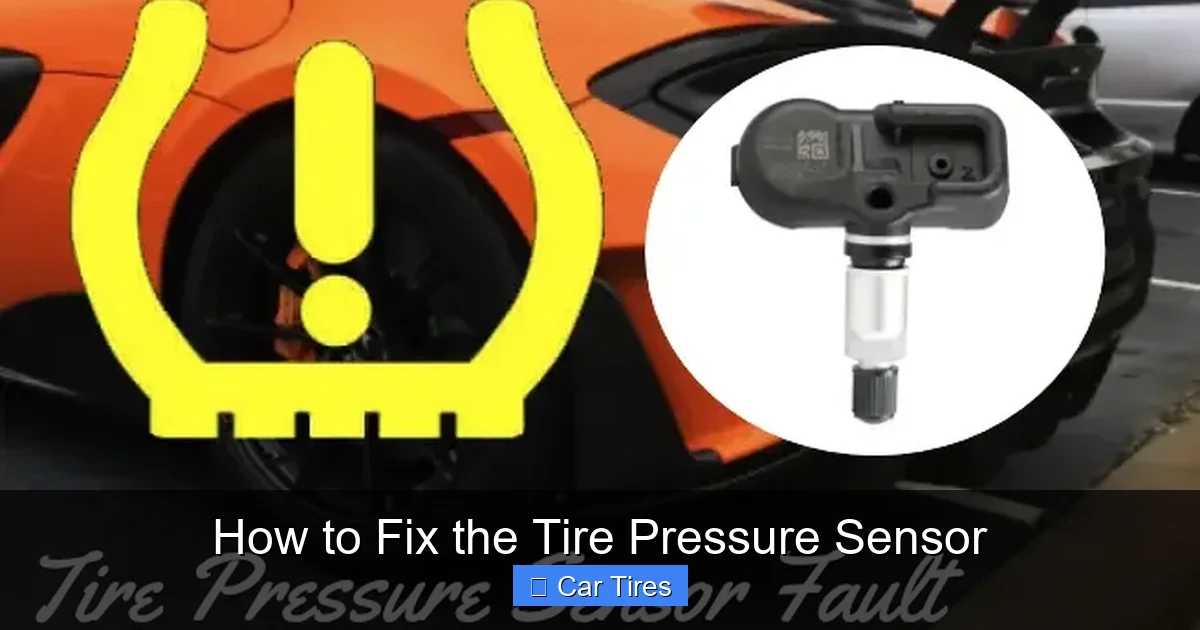
Fix 4: Replace a Faulty TPMS Sensor
If the sensor is dead or damaged, replacement is the only option. Here’s what you need to know:
- Buy the right sensor: Sensors are vehicle-specific. Check your make, model, and year, and match the sensor ID or frequency (usually 315 MHz or 433 MHz).
- Install during tire service: Sensors are best replaced when tires are removed. Most mechanics can install them while balancing the wheels.
- Reprogram the sensor: New sensors must be programmed to your car’s computer. This requires a TPMS tool or a professional scan.
Cost-wise, expect to pay $50–$150 per sensor, plus labor. Some vehicles require all four sensors to be replaced at once, especially if they’re old.
Fix 5: Address Temperature-Related Fluctuations
If the light comes on only in cold weather, it’s likely due to natural pressure drop. Inflate your tires to the recommended PSI when cold, and consider adding 1–2 PSI in winter for safety.
Some drivers install nitrogen in their tires to reduce pressure fluctuations, though regular air works fine for most people.
When to Call a Professional
While many TPMS fixes are DIY-friendly, some situations call for expert help. Don’t hesitate to visit a trusted mechanic if:
Visual guide about How to Fix the Tire Pressure Sensor
Image source: youramazingcar.com
- You’re unsure how to use a TPMS scan tool.
- The sensor needs reprogramming and you don’t have the right equipment.
- Multiple sensors are failing at once.
- You suspect an electrical issue with the car’s computer.
- You’re not comfortable removing tires or handling sensors.
Professional shops have advanced tools and experience with complex TPMS systems. They can also check for hidden issues like wiring faults or module failures.
What to Expect at the Shop
When you take your car in, the technician will likely:
- Scan all sensors for errors.
- Check tire pressure and condition.
- Inspect valve stems and sensor mounts.
- Replace or reprogram faulty sensors.
- Reset the system and test-drive the vehicle.
Ask for a detailed report so you understand what was done and why. This helps prevent future issues and builds trust with your mechanic.
Preventing Future TPMS Problems
An ounce of prevention is worth a pound of cure. Here’s how to keep your tire pressure sensors working smoothly for years:
Regular Tire Maintenance
Check tire pressure monthly using a quality gauge. Rotate tires every 5,000–7,500 miles to ensure even wear. Inspect for damage during oil changes or car washes.
Protect Sensors During Service
When getting new tires or wheels, remind the technician to handle TPMS sensors carefully. Improper mounting can crack the sensor or damage the antenna.
Replace Sensors Proactively
If your car is over 7 years old, consider replacing all four sensors as a preventive measure. This avoids sudden failures and ensures accurate readings.
Use Quality Parts
Avoid cheap aftermarket sensors. OEM (original equipment manufacturer) or reputable brands like Schrader or Huf are more reliable and last longer.
Keep the System Updated
Some newer cars receive software updates that improve TPMS performance. Check with your dealer during routine service.
Final Thoughts: Stay Safe and Informed
Fixing the tire pressure sensor doesn’t have to be scary or expensive. With the right tools and knowledge, most issues can be resolved at home. The key is to act quickly, diagnose accurately, and not ignore that little warning light.
Remember, your tires are the only part of your car touching the road. Keeping them properly inflated isn’t just about avoiding a dashboard light—it’s about safety, performance, and peace of mind. Whether you’re inflating tires in your driveway or replacing a sensor at the shop, you’re taking control of your vehicle’s health.
So the next time that TPMS light comes on, don’t panic. Grab your gauge, check the pressure, and follow the steps in this guide. You’ve got this.
Frequently Asked Questions
Why is my tire pressure sensor light on when my tires are fine?
This could be due to a dead sensor battery, a system glitch, or temperature changes. Use a manual gauge to confirm pressure, then try resetting the system or scanning for sensor errors.
Can I drive with the TPMS light on?
You can drive short distances, but it’s not safe long-term. Low pressure increases the risk of blowouts and reduces fuel efficiency. Check and fix the issue as soon as possible.
How often should I replace TPMS sensors?
Most sensors last 5–10 years. Replace them if the battery dies, the sensor is damaged, or you’re doing a full tire service on an older vehicle.
Do I need a special tool to reset the TPMS?
Some cars have a reset button, while others require a scan tool. Check your owner’s manual or use a TPMS scanner for accurate results.
Can I replace just one TPMS sensor?
Yes, you can replace individual sensors. However, if multiple sensors are old, consider replacing all four to avoid future failures.
Will a tire shop reprogram new sensors for free?
Some shops include reprogramming in the service fee, while others charge extra. Ask upfront to avoid surprises.