
Cost of a New Car Battery

Replacing a car battery isn’t just about the sticker price—labor, battery type, and vehicle compatibility all affect the final cost. Most drivers pay between $100 and $300 for a standard battery, but luxury or high-performance models can cost much more.
Key Takeaways
- Average cost range: Most new car batteries cost between $100 and $300, including parts and installation.
- Battery type matters: Flooded lead-acid, AGM, and lithium-ion batteries vary significantly in price and performance.
- Labor adds up: Professional installation typically costs $20–$100, depending on location and vehicle complexity.
- Warranty coverage: Look for batteries with 3–5 year warranties to protect your investment.
- DIY vs. professional install: You can save on labor by replacing the battery yourself—if you’re comfortable with basic tools.
- Climate impact: Extreme temperatures shorten battery life, so consider climate-specific models in hot or cold regions.
- Hidden costs: Some vehicles require reprogramming or system resets after battery replacement, adding to the total expense.
📑 Table of Contents
- How Much Does a New Car Battery Really Cost?
- What Factors Affect the Cost of a New Car Battery?
- Types of Car Batteries and Their Price Ranges
- Where to Buy a Car Battery and How to Save Money
- DIY vs. Professional Installation: What’s the Best Choice?
- How to Extend the Life of Your Car Battery
- Conclusion: Making the Smart Choice
How Much Does a New Car Battery Really Cost?
If your car won’t start and the dashboard lights flicker like a disco ball, you might be facing the dreaded moment: it’s time for a new car battery. But before you panic at the auto shop counter, it helps to know what you’re really paying for. The cost of a new car battery isn’t a one-size-fits-all number. It depends on your vehicle, where you live, the type of battery you need, and whether you’re doing it yourself or paying a mechanic.
Most drivers can expect to spend between $100 and $300 for a standard replacement. That includes the battery itself and professional installation. But if you drive a luxury vehicle, an electric car, or something with advanced electronics, that price tag can climb well above $500. And if you’re not careful, hidden fees like disposal charges or system resets can sneak into the final bill.
The good news? With a little knowledge, you can avoid overpaying and choose the right battery for your needs. This guide breaks down everything you need to know about the cost of a new car battery—from types and brands to installation tips and long-term savings.
What Factors Affect the Cost of a New Car Battery?
Visual guide about Cost of a New Car Battery
Image source: carfitexperts.com
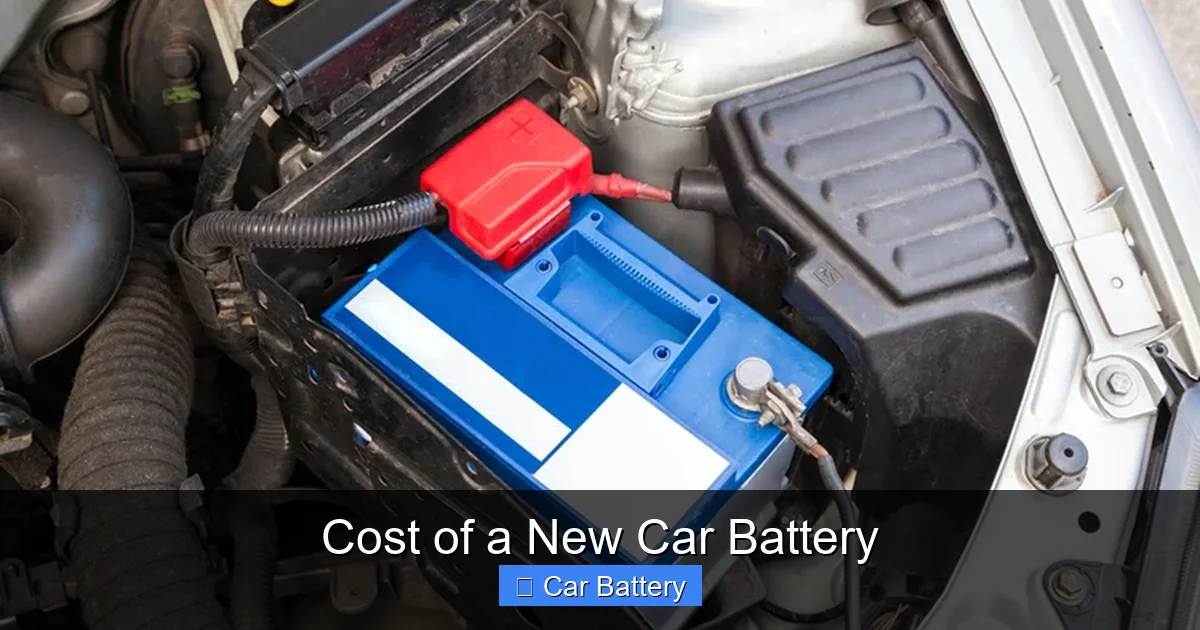
Several key factors influence how much you’ll pay for a new car battery. Understanding these can help you make a smarter, more budget-friendly decision.
Battery Type and Technology
Not all car batteries are created equal. The three main types—flooded lead-acid, absorbed glass mat (AGM), and lithium-ion—vary in price, performance, and lifespan.
Flooded lead-acid batteries are the most common and affordable, typically costing $100–$200. They’re reliable for everyday driving but don’t handle extreme conditions or high electrical demands as well as newer technologies.
AGM batteries, on the other hand, are more expensive—usually $200–$400—but offer better performance. They’re sealed, maintenance-free, and ideal for vehicles with start-stop systems, advanced electronics, or frequent short trips. AGM batteries also last longer and recharge faster.
Lithium-ion batteries are the priciest option, often exceeding $500. They’re lightweight and efficient, commonly found in electric and hybrid vehicles. While they offer excellent energy density, they’re not typically used in standard gasoline-powered cars due to cost and compatibility issues.
Vehicle Make and Model
Your car’s make and model play a big role in battery pricing. Luxury brands like BMW, Mercedes-Benz, and Audi often require specialized batteries with higher cold cranking amps (CCA) and advanced features. These can cost $300–$600 or more.
Even among mainstream vehicles, some models need larger or more powerful batteries. For example, trucks and SUVs with big engines or towing packages may require higher-capacity batteries, which come at a premium.
Additionally, some modern cars have complex electrical systems that require specific battery types. Installing the wrong one can cause warning lights, system errors, or even damage to your vehicle’s computer.
Climate and Usage Conditions
Where you live affects both battery life and cost. In cold climates, you’ll need a battery with a high CCA rating to start your engine in freezing temperatures. These batteries often cost more—sometimes $50–$100 extra—but they’re essential for reliability.
Conversely, hot climates can shorten battery life due to increased evaporation and internal corrosion. In these areas, sealed AGM batteries are often recommended, which again adds to the cost.
Driving habits also matter. If you frequently take short trips or leave electronics running (like dash cams or phone chargers), your battery works harder and may need to be replaced more often. Investing in a higher-quality battery upfront can save money in the long run.
Brand and Warranty
Brand reputation and warranty coverage can significantly impact price. Well-known brands like Optima, Interstate, DieHard, and Bosch often charge a premium for reliability and customer support.
But that extra cost often comes with better warranties. Many premium batteries offer 3–5 year full replacement warranties, meaning you can get a free replacement if the battery fails within that time. Cheaper, off-brand batteries may only offer 1–2 years of coverage.
When comparing prices, always check the warranty terms. A slightly more expensive battery with a longer warranty might be a smarter investment than a cheap one that fails after 18 months.
Installation and Labor Costs
Even if you buy the battery yourself, installation can add $20–$100 to the total cost. Most auto parts stores offer free installation if you purchase the battery from them. But if you go to a dealership or independent mechanic, labor charges apply.
Dealerships tend to be the most expensive, often charging $80–$150 for installation. Independent shops are usually cheaper, around $40–$80. Some quick-lube chains and national auto centers (like Firestone or Midas) offer competitive rates, especially with coupons or promotions.
Keep in mind that some vehicles require more than just swapping out the old battery. Modern cars with start-stop systems, keyless entry, or advanced driver-assistance features may need the battery registered or the system reset after replacement. This can add $50–$100 in diagnostic and programming fees.
Types of Car Batteries and Their Price Ranges
Visual guide about Cost of a New Car Battery
Image source: lzd-img-global.slatic.net
Choosing the right battery type is crucial—not just for performance, but for cost. Here’s a breakdown of the most common types and what you can expect to pay.
Flooded Lead-Acid Batteries
These are the traditional, wet-cell batteries found in most older and budget-friendly vehicles. They’re affordable, widely available, and easy to install.
Price range: $100–$200
Best for: Daily drivers, older vehicles, and drivers in moderate climates
Pros: Low cost, reliable, widely compatible
Cons: Requires maintenance (topping off water), shorter lifespan, not ideal for high-demand systems
Example: A standard Honda Civic or Toyota Camry typically uses a flooded lead-acid battery. You can find a quality replacement for around $120–$160 at most auto parts stores.
Absorbed Glass Mat (AGM) Batteries
AGM batteries use a fiberglass mat to absorb the electrolyte, making them spill-proof and maintenance-free. They’re more durable, recharge faster, and handle deep discharges better than flooded batteries.
Price range: $200–$400
Best for: Vehicles with start-stop systems, luxury cars, and drivers in extreme climates
Pros: Longer lifespan, better performance, no maintenance
Cons: Higher cost, not always compatible with older vehicles
Example: A BMW 3 Series or Ford F-150 with a start-stop system will likely require an AGM battery. Expect to pay $250–$350 for a quality unit.
Lithium-Ion Batteries
These are the high-tech batteries used in electric and hybrid vehicles. They’re lightweight, energy-dense, and long-lasting—but come with a hefty price tag.
Price range: $500–$2,000+
Best for: EVs, hybrids, and performance vehicles
Pros: Lightweight, long lifespan, excellent efficiency
Cons: Very expensive, requires specialized charging and management systems
Example: A Tesla Model 3 or Toyota Prius uses a lithium-ion battery pack. Replacing the main traction battery can cost thousands, though 12V auxiliary batteries (used for electronics) are cheaper, around $200–$400.
Enhanced Flooded Batteries (EFB)
EFB batteries are a step up from standard flooded batteries, designed for vehicles with mild start-stop systems. They’re more durable and recharge faster than traditional batteries.
Price range: $150–$250
Best for: Entry-level start-stop vehicles (e.g., some Volkswagen or Hyundai models)
Pros: Better than standard flooded, more affordable than AGM
Cons: Not as durable as AGM, shorter lifespan under heavy use
Where to Buy a Car Battery and How to Save Money
Visual guide about Cost of a New Car Battery
Image source: tontio.com
Knowing where to shop can make a big difference in the final cost of your new car battery. Here are the most common options—and how to get the best deal.
Auto Parts Stores
Retailers like AutoZone, Advance Auto Parts, O’Reilly Auto Parts, and NAPA are popular choices. They offer a wide selection, competitive pricing, and often include free installation and battery testing.
Many stores also provide free battery recycling, so you don’t have to worry about disposing of the old one. Some even offer price matching, so you can shop around and still get the best deal in-store.
Tip: Sign up for store loyalty programs or email newsletters to receive coupons and discounts. A 10–15% off coupon can save you $20–$40 on a $200 battery.
Dealerships
Buying from a dealership ensures you get an OEM (original equipment manufacturer) battery that’s specifically designed for your vehicle. This is ideal for luxury or high-tech cars.
However, dealerships are usually the most expensive option. You might pay $50–$100 more than at an auto parts store, plus higher labor fees.
When to choose a dealership: If your car is under warranty, requires a specific battery type, or has complex electronics that need professional calibration.
Online Retailers
Websites like Amazon, RockAuto, and Walmart offer batteries at discounted prices. You can often find deals 10–20% lower than in-store prices.
But be cautious: Shipping costs, return policies, and installation logistics can add complexity. Also, make sure the battery is compatible with your vehicle—check the specifications carefully.
Tip: Some online retailers partner with local shops for installation. For example, you can order a battery from Amazon and have it installed at a nearby Firestone for a small fee.
Independent Mechanics and Local Shops
Local garages often offer competitive pricing and personalized service. They may also be more flexible with labor rates or willing to match online prices.
Ask for quotes from 2–3 shops to compare. Some mechanics include free diagnostics or system checks with battery installation.
DIY vs. Professional Installation: What’s the Best Choice?
One of the biggest cost-saving decisions is whether to install the battery yourself or pay a professional.
DIY Installation: Save on Labor
Replacing a car battery is one of the easiest DIY car repairs. Most batteries are located under the hood and held in place with a simple bracket. You’ll need basic tools: a wrench or socket set, gloves, and safety glasses.
Steps:
1. Turn off the engine and remove the key.
2. Disconnect the negative (black) terminal first, then the positive (red).
3. Remove the battery hold-down clamp.
4. Lift out the old battery (they’re heavy—use proper lifting technique).
5. Clean the terminals and tray with a wire brush.
6. Place the new battery in the tray, secure it, and reconnect the terminals (positive first, then negative).
7. Start the car and check for warning lights.
Time required: 15–30 minutes
Cost savings: $20–$100 in labor
Tip: Take a photo of the battery and connections before removing the old one. This helps ensure you reconnect everything correctly.
When to Hire a Professional
While DIY is simple for most cars, some vehicles require extra steps:
– Battery registration: Some European cars (e.g., BMW, Mercedes) need the new battery registered with the car’s computer to avoid error messages.
– System resets: Hybrid or electric vehicles may need software updates or system resets.
– Trunk or under-seat batteries: Some cars have batteries in hard-to-reach locations.
If you’re unsure, consult your owner’s manual or ask a professional. Paying $50–$100 for expert installation can prevent costly mistakes.
How to Extend the Life of Your Car Battery
A new battery is an investment—so why not make it last? With proper care, you can avoid premature failure and save money over time.
Regular Maintenance
Even maintenance-free batteries benefit from occasional checks:
– Inspect terminals for corrosion (white or green buildup). Clean with a baking soda and water solution.
– Ensure the battery is securely mounted to prevent vibration damage.
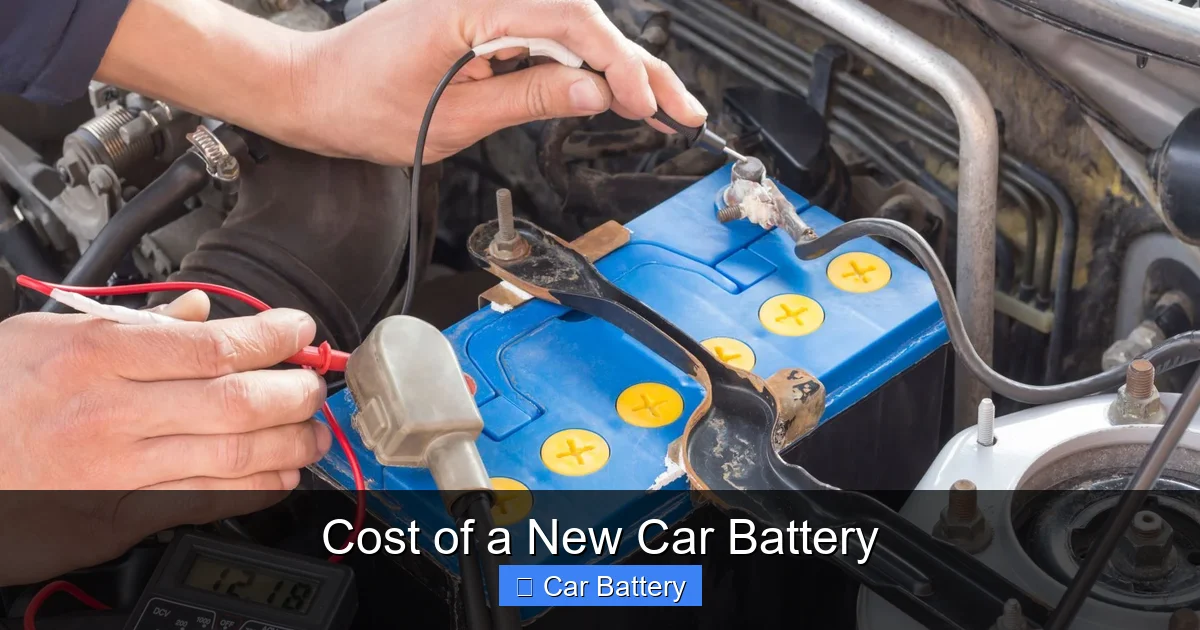
– Check the charging system with a multimeter or at an auto parts store.
Driving Habits
Short trips don’t allow the alternator to fully recharge the battery. If you only drive 5–10 minutes at a time, consider taking longer drives weekly or using a battery maintainer.
Avoid leaving lights, radios, or phone chargers on when the engine is off. Parasitic drain can slowly kill your battery over time.
Extreme Temperatures
In cold weather, park in a garage when possible and use a battery blanket if you live in a very cold climate.
In hot weather, park in the shade or use a reflective windshield cover to reduce under-hood heat.
Battery Testing
Most auto parts stores offer free battery testing. Get your battery checked annually, especially before winter. A weak battery can fail when you need it most.
Conclusion: Making the Smart Choice
The cost of a new car battery isn’t just about the price tag—it’s about value, reliability, and long-term savings. While you might be tempted to go for the cheapest option, investing in a quality battery with a good warranty can save you money and headaches down the road.
Most drivers will pay between $100 and $300 for a standard replacement, but luxury vehicles, advanced electronics, and climate needs can push that higher. By understanding the factors that affect cost—battery type, vehicle compatibility, installation, and warranty—you can make an informed decision that fits your budget and driving needs.
Whether you choose to install it yourself or hire a pro, the key is preparation. Test your battery regularly, maintain it properly, and replace it before it leaves you stranded.
A car battery is a small part of your vehicle, but it plays a huge role in your daily life. Spend wisely, drive confidently, and never get caught with a dead battery again.
Frequently Asked Questions
How often should I replace my car battery?
Most car batteries last 3–5 years, depending on climate, driving habits, and battery type. Extreme temperatures and frequent short trips can shorten lifespan. Get your battery tested annually after the 3-year mark.
Can I install a car battery myself?
Yes, replacing a car battery is a simple DIY task for most vehicles. You’ll need basic tools and about 20 minutes. Just remember to disconnect the negative terminal first and reconnect it last to avoid sparks.
Why is my new battery dying quickly?
A new battery may fail early due to a faulty alternator, parasitic drain, or improper installation. Have your charging system tested to rule out underlying issues.
Do I need to reprogram my car after replacing the battery?
Some modern vehicles—especially European models—require battery registration or system resets after replacement. Check your owner’s manual or consult a mechanic to avoid warning lights or performance issues.
Are AGM batteries worth the extra cost?
AGM batteries are worth it if you drive a vehicle with start-stop technology, advanced electronics, or live in extreme climates. They last longer and perform better under high demand, justifying the higher price.
Can I recycle my old car battery?
Yes, most auto parts stores and recycling centers accept old car batteries for free. They contain lead and acid, which are hazardous and must be disposed of properly. Recycling also recovers materials for new batteries.
