
275/50r20 Tire Size

The 275/50R20 tire size is a popular choice for large SUVs, crossovers, and light-duty trucks, offering a balance of stability, comfort, and aggressive styling. With a wide tread and moderate sidewall, it delivers confident handling on highways and light off-road conditions while enhancing your vehicle’s stance.
If you drive a large SUV or a capable crossover, chances are you’ve come across the tire size 275/50R20. It’s a common sight on modern vehicles that demand both presence and performance. But what does that string of numbers and letters actually mean? And why is this particular size so popular among drivers who want a blend of comfort, capability, and curb appeal?
Let’s break it down in simple terms. The “275” refers to the tire’s width in millimeters—so it’s a fairly wide tire, which helps with grip and stability. The “50” is the aspect ratio, meaning the sidewall height is 50% of the tire’s width. That gives you a moderate sidewall, not too tall (which can feel floaty) and not too short (which can feel harsh). The “R” stands for radial construction—the standard for modern tires—and the “20” indicates it fits a 20-inch wheel. Put it all together, and you’ve got a tire that’s built for vehicles that need to look tough, ride smoothly, and handle confidently.
This tire size has become a go-to for automakers and drivers alike because it strikes a sweet spot. It’s wide enough to provide excellent contact with the road, which improves braking and cornering. At the same time, the 50-series sidewall offers enough cushion to absorb bumps without sacrificing responsiveness. Whether you’re cruising down the highway, navigating city streets, or taking a weekend trip down a gravel road, the 275/50R20 is designed to keep you in control and comfortable.
Key Takeaways
- Common Fitment: The 275/50R20 is widely used on vehicles like the Ford Explorer, Jeep Grand Cherokee, and Chevrolet Tahoe.
- Performance Balance: Offers a smooth ride, good traction, and responsive handling thanks to its wide footprint and 50-series sidewall.
- Load and Speed Ratings: Typically rated for high load capacities (up to 2,756 lbs per tire) and speed ratings from S (112 mph) to V (149 mph).
- All-Season Dominance: Most 275/50R20 tires are all-season, but winter and performance variants are available for specific needs.
- Fuel Efficiency Considerations: Wider tires can slightly reduce fuel economy due to increased rolling resistance—choose low-rolling-resistance models to offset this.
- Replacement Tips: Always replace in sets of four and ensure proper alignment to maximize tread life and safety.
- Brand Variety: Top brands like Michelin, Bridgestone, Goodyear, and Pirelli offer reliable 275/50R20 options for different driving styles.
📑 Table of Contents
Understanding the 275/50R20 Tire Size
When you see “275/50R20” stamped on a tire’s sidewall, it’s not just a random code—it’s a detailed blueprint of the tire’s dimensions and capabilities. Let’s decode each part so you can understand exactly what you’re getting.
The first number, 275, is the section width. This is the width of the tire from sidewall to sidewall, measured in millimeters. A 275mm width is considered wide, which means more rubber touches the road. That translates to better traction, especially during acceleration and cornering. It also gives your vehicle a more aggressive, planted look—something many SUV and truck owners appreciate.
Next is the aspect ratio: 50. This number represents the height of the tire’s sidewall as a percentage of its width. So, 50% of 275mm is 137.5mm. That’s the distance from the wheel rim to the tread. A 50-series sidewall is shorter than, say, a 60 or 65 series, which means less flex and more precise steering feedback. However, it’s not as stiff as a 40 or 35 series, so you still get a decent amount of comfort over bumps and potholes.
The “R” stands for radial construction. Nearly all modern tires are radials, meaning the internal layers (or plies) run radially across the tire from bead to bead. This design improves durability, heat dissipation, and fuel efficiency compared to older bias-ply tires.
Finally, the “20” is the wheel diameter in inches. This tire is made to fit a 20-inch rim, which is common on mid-size to full-size SUVs and crossovers. Larger wheels like this often come with lower-profile tires, which enhance the vehicle’s sporty appearance and handling.
Why This Size Is So Popular
The 275/50R20 strikes a balance that few other sizes can match. It’s wide enough for confident handling but not so wide that it becomes impractical for daily driving. It’s low-profile enough to feel connected to the road, yet still tall enough to absorb road imperfections.
This size is especially popular on vehicles that are designed to look rugged but still prioritize on-road comfort. Think of the Ford Explorer, Jeep Grand Cherokee, Chevrolet Traverse, and even luxury models like the Lincoln Aviator or Cadillac XT6. These vehicles often come factory-equipped with 275/50R20 tires because they deliver the right mix of performance, comfort, and style.
Another reason for its popularity is availability. Because so many vehicles use this size, tire manufacturers produce a wide range of options—from budget-friendly all-seasons to high-performance summer tires and even all-terrain models. This gives drivers plenty of choices based on their driving habits, climate, and budget.
Common Vehicles That Use 275/50R20 Tires

Visual guide about 275/50r20 Tire Size
Image source: tireblogger.com
If you’re considering this tire size, you’re in good company. Many popular SUVs and crossovers are designed to run on 275/50R20 tires, either as standard equipment or as an upgrade option. Here’s a look at some of the most common vehicles that use this size.
Ford Explorer
The Ford Explorer, especially in higher trims like the Limited, ST, or Platinum, often comes with 20-inch wheels and 275/50R20 tires. These models are built for families who want space, comfort, and a touch of performance. The wide tires help the Explorer feel stable at highway speeds and give it a commanding presence on the road.
Jeep Grand Cherokee
The Grand Cherokee is known for its blend of off-road capability and on-road refinement. Many trims, particularly the Overland and Summit, come with 275/50R20 tires. These tires provide excellent grip on pavement and are capable enough for light off-roading, making them ideal for drivers who want versatility.
Chevrolet Tahoe and GMC Yukon
Full-size SUVs like the Tahoe and Yukon often use 275/50R20 tires, especially in higher-end configurations. These vehicles are built for towing, hauling, and long-distance comfort. The wide tires help with stability when carrying heavy loads or towing trailers, while the moderate sidewall keeps the ride smooth.
Lincoln Aviator and Cadillac XT6
Luxury SUVs in this segment frequently use 275/50R20 tires to match their premium positioning. These tires are often paired with advanced suspension systems to deliver a quiet, comfortable ride. Brands like Michelin and Pirelli offer high-end models in this size that emphasize noise reduction and long tread life.
Other Models
You’ll also find this tire size on vehicles like the Nissan Pathfinder, Toyota Highlander (in certain trims), and even some performance-oriented models like the Dodge Durango SRT. Essentially, if a vehicle is designed to look bold, handle well, and carry passengers in comfort, there’s a good chance it uses 275/50R20 tires.
Performance and Handling Characteristics
Visual guide about 275/50r20 Tire Size
Image source: tireblogger.com
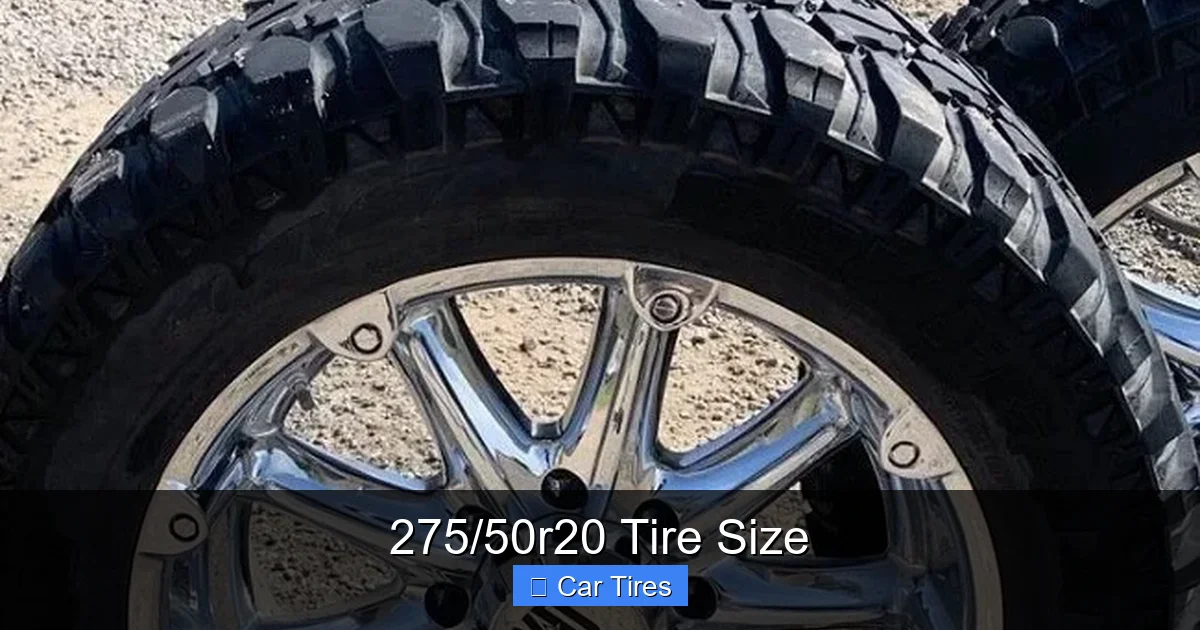
One of the biggest advantages of the 275/50R20 tire size is how it affects your vehicle’s performance. Let’s dive into what you can expect in terms of handling, ride quality, and overall driving experience.
Stability and Cornering
Thanks to its wide tread, the 275/50R20 provides a large contact patch with the road. This means more grip during cornering, which translates to better control and confidence when taking turns at speed. Whether you’re merging onto a highway or navigating a winding mountain road, these tires help keep your vehicle planted.
The 50-series sidewall also plays a role. It’s short enough to minimize flex during aggressive maneuvers, so steering feels direct and responsive. You’ll notice less body roll compared to taller sidewalls, which is especially helpful in SUVs that can feel top-heavy.
Ride Comfort
While low-profile tires are often associated with a harsher ride, the 50-series sidewall still offers a decent amount of cushion. It’s not as soft as a 65-series tire, but it’s far from the jarring feel of a 35-series performance tire. Most drivers find the ride quality to be smooth and comfortable, even on rough roads.
Of course, ride comfort also depends on the tire model and your vehicle’s suspension. Tires with advanced tread compounds and noise-reducing technology—like the Michelin Premier LTX—can make a big difference in cabin comfort.
Braking and Traction
Wider tires generally provide shorter braking distances, especially on dry pavement. The increased contact area allows for more friction, which helps your vehicle stop faster. In wet conditions, look for tires with deep grooves and siping (tiny slits in the tread) to improve water evacuation and reduce hydroplaning risk.
All-season 275/50R20 tires typically offer solid traction in light snow and rain, but if you live in an area with heavy winter weather, consider dedicated winter tires or all-terrain models with the Three-Peak Mountain Snowflake (3PMSF) rating.
Fuel Efficiency and Rolling Resistance
It’s worth noting that wider tires can have slightly higher rolling resistance, which may reduce fuel economy by a small margin—usually 1–2 mpg. However, many modern 275/50R20 tires are designed with low-rolling-resistance compounds to offset this. If fuel efficiency is a priority, look for models labeled as “fuel-efficient” or “eco-friendly.”
Types of 275/50R20 Tires Available
Visual guide about 275/50r20 Tire Size
Image source: tireblogger.com
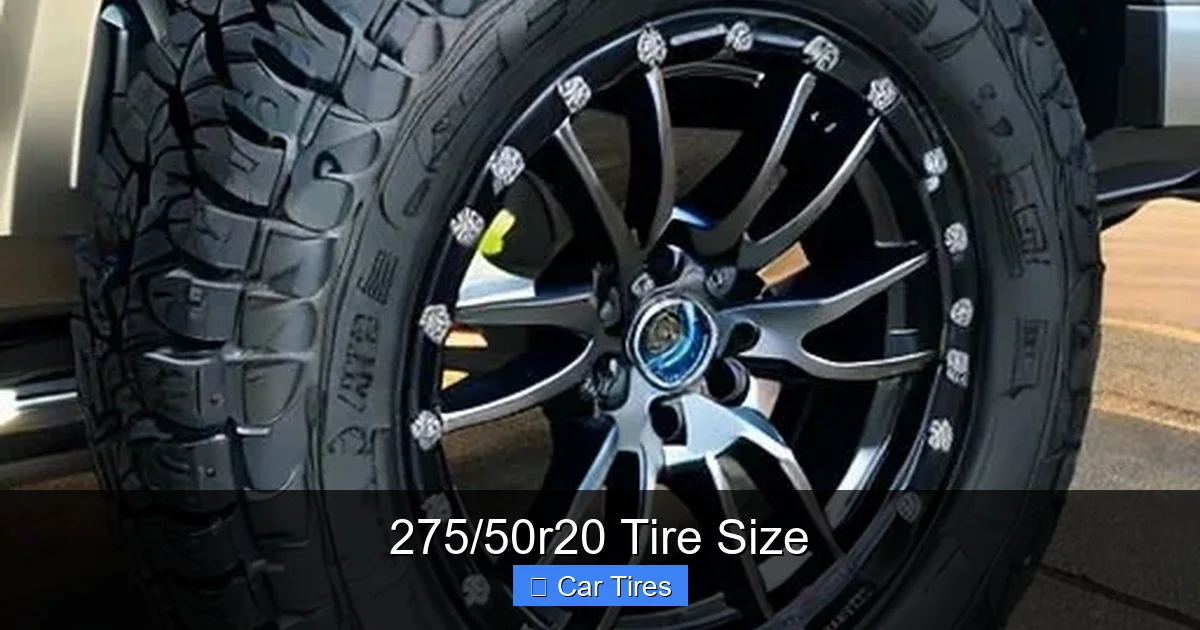
Not all 275/50R20 tires are created equal. Depending on your driving needs, climate, and vehicle type, you’ll want to choose the right category. Here are the main types available.
All-Season Tires
These are the most common type and are designed to perform well in a variety of conditions—dry, wet, and light snow. They offer a good balance of tread life, comfort, and performance. Popular models include the Michelin Defender LTX, Bridgestone Dueler H/L Alenza, and Goodyear Assurance MaxLife.
All-season tires are ideal for drivers who want one set of tires for year-round use and don’t face extreme weather. They’re quiet, durable, and provide reliable handling in most situations.
All-Terrain Tires
If you take your SUV off the beaten path, all-terrain tires are a great choice. They have more aggressive tread patterns for better grip on dirt, gravel, and light mud. Models like the BFGoodrich All-Terrain T/A KO2 and the Nitto Ridge Grappler are available in 275/50R20.
These tires are tougher and more durable but may be slightly noisier on pavement. They’re perfect for weekend adventurers who want capability without sacrificing daily drivability.
Performance and Summer Tires
For drivers who prioritize handling and speed, performance tires offer superior grip and responsiveness. These are typically used on sportier SUVs like the Dodge Durango SRT or performance trims of the Ford Explorer.
Summer tires provide excellent dry and wet traction but are not suitable for cold weather or snow. Examples include the Pirelli Scorpion Verde and the Continental ExtremeContact DWS06.
Winter Tires
If you live in a region with harsh winters, dedicated winter tires are the safest option. They use softer rubber compounds that stay flexible in cold temperatures, providing better grip on snow and ice. Look for the 3PMSF symbol to ensure they meet severe snow service standards.
Touring and Highway Tires
These tires are optimized for long-distance comfort, quiet operation, and long tread life. They’re ideal for families who frequently travel or commute. The Michelin Premier LTX and the Bridgestone Dueler H/P Sport are excellent examples.
How to Choose the Right 275/50R20 Tire
With so many options available, picking the right 275/50R20 tire can feel overwhelming. Here are some practical tips to help you make the best choice for your needs.
Consider Your Driving Habits
Ask yourself: Where do you drive most? If you stick to city streets and highways, an all-season touring tire is likely your best bet. If you frequently drive on unpaved roads or take weekend trips to the mountains, an all-terrain tire might be worth the investment.
Check Load and Speed Ratings
Always make sure the tire you choose meets or exceeds your vehicle’s required load and speed ratings. These are listed in your owner’s manual or on the driver’s side door jamb. For example, if your vehicle requires a load index of 113 and a speed rating of V, don’t settle for anything less.
Read Reviews and Ratings
Look at customer reviews and professional ratings from sources like Consumer Reports, Tire Rack, or Edmunds. Pay attention to comments about tread life, noise, wet traction, and comfort. Real-world feedback can be more helpful than marketing claims.
Think About Tread Life and Warranty
Tread life varies widely between models. Some tires are rated for 60,000 miles, while others may only last 40,000. Check the manufacturer’s mileage warranty and consider the cost per mile when comparing prices.
Don’t Forget About Installation and Alignment
Even the best tire won’t perform well if it’s not installed correctly. Always have your tires mounted and balanced by a professional. Also, get a wheel alignment after installation to ensure even wear and optimal handling.
Consider Seasonal Needs
If you live in a four-season climate, all-season tires are convenient. But if you experience heavy snow or extreme heat, you might benefit from seasonal tire changes. Winter tires in cold months and all-season or performance tires in warmer months can significantly improve safety and performance.
Maintenance Tips for 275/50R20 Tires
To get the most out of your 275/50R20 tires, regular maintenance is key. Here’s how to keep them in top condition.
Check Tire Pressure Monthly
Underinflated tires wear unevenly, reduce fuel economy, and increase the risk of blowouts. Use a reliable tire pressure gauge and check pressure when the tires are cold. Refer to your vehicle’s recommended PSI, usually found on the door jamb or in the manual.
Rotate Tires Every 5,000 to 7,000 Miles
Regular rotation helps ensure even tread wear. Front and rear tires wear at different rates, especially on front-wheel-drive or all-wheel-drive vehicles. Follow your vehicle manufacturer’s recommended rotation pattern.
Inspect for Damage and Wear
Look for cuts, bulges, cracks, or embedded objects. Also, check tread depth using a penny or tread depth gauge. If the tread is worn down to 2/32 of an inch, it’s time to replace the tires.
Keep Wheels Balanced and Aligned
Vibration or pulling to one side can indicate a balance or alignment issue. Have your wheels checked if you notice these symptoms. Proper alignment also prevents uneven wear and extends tire life.
Clean Tires Regularly
Dirt, brake dust, and road grime can degrade rubber over time. Use a mild soap and water to clean your tires, and avoid harsh chemicals that can damage the sidewall.
Conclusion
The 275/50R20 tire size is a versatile and popular choice for drivers who want a blend of performance, comfort, and style. Whether you’re driving a rugged SUV, a luxury crossover, or a capable family hauler, this tire size delivers confident handling, a smooth ride, and a bold appearance.
From understanding the dimensions to choosing the right type and maintaining them properly, there’s a lot to consider—but the effort pays off in safety, performance, and longevity. With so many high-quality options from trusted brands, you’re sure to find a 275/50R20 tire that fits your vehicle and your lifestyle.
So the next time you’re shopping for tires, don’t just look at the price—look at the whole package. Consider your driving habits, climate, and vehicle needs. And remember: the right tire can make all the difference in how your vehicle feels on the road.
Frequently Asked Questions
What does 275/50R20 mean?
The 275/50R20 tire size means the tire is 275 millimeters wide, has a sidewall height that’s 50% of the width, uses radial construction, and fits a 20-inch wheel. This size is common on SUVs and crossovers for its balance of performance and comfort.
Can I use 275/50R20 tires on any 20-inch wheel?
No, the wheel must have the correct width and offset to safely accommodate a 275/50R20 tire. Always check your vehicle’s specifications or consult a tire professional before making changes.
Are 275/50R20 tires good for snow?
All-season 275/50R20 tires offer decent performance in light snow, but for heavy snow or icy conditions, dedicated winter tires with the 3PMSF rating are recommended for better safety and traction.
How long do 275/50R20 tires last?
Tread life varies by model and driving habits, but most quality 275/50R20 tires last between 40,000 and 70,000 miles. Regular maintenance like rotation and proper inflation can extend their lifespan.
Can I replace only two tires with 275/50R20?
It’s best to replace all four tires at once to maintain even wear and handling. If you must replace only two, install them on the rear axle and ensure they match the existing tires in size and type.
Do 275/50R20 tires affect fuel economy?
Yes, wider tires like the 275/50R20 can slightly reduce fuel economy due to increased rolling resistance. Choosing low-rolling-resistance models can help minimize this impact.