
245/75r16 Tire Height

The 245/75R16 tire height is approximately 30.5 inches, making it a popular choice for light trucks, SUVs, and off-road vehicles. This versatile size balances ground clearance, load capacity, and ride comfort, offering a practical upgrade from stock tires without requiring major suspension modifications.
Key Takeaways
- Exact Height: A 245/75R16 tire measures about 30.5 inches in diameter, providing a noticeable lift over smaller stock tires.
- Ideal for Trucks and SUVs: This size is commonly used on Ford Rangers, Toyota Tacomas, Jeep Wranglers, and full-size SUVs like the Chevy Tahoe.
- Load Range Options: Available in Load Range C, D, and E, offering varying load capacities for different towing and hauling needs.
- Off-Road Friendly: The taller sidewall and aggressive tread patterns make it a solid choice for light to moderate off-roading.
- Speedometer Accuracy: Installing 245/75R16 tires may slightly affect speedometer readings; recalibration is recommended for accuracy.
- Fuel Economy Impact: Larger tires can reduce fuel efficiency by 1–2 MPG due to increased rolling resistance and weight.
- Easy Fitment: Most vehicles with 16-inch wheels can accommodate this size without fender trimming or suspension lifts.
📑 Table of Contents
Understanding the 245/75R16 Tire Size
When you’re shopping for new tires, the numbers on the sidewall can feel like a secret code. But once you crack it, choosing the right tire becomes much easier. The size “245/75R16” might look confusing at first, but each part tells you something important about the tire’s dimensions and capabilities. Let’s break it down so you can understand exactly what you’re getting—and why the 245/75R16 tire height matters for your vehicle.
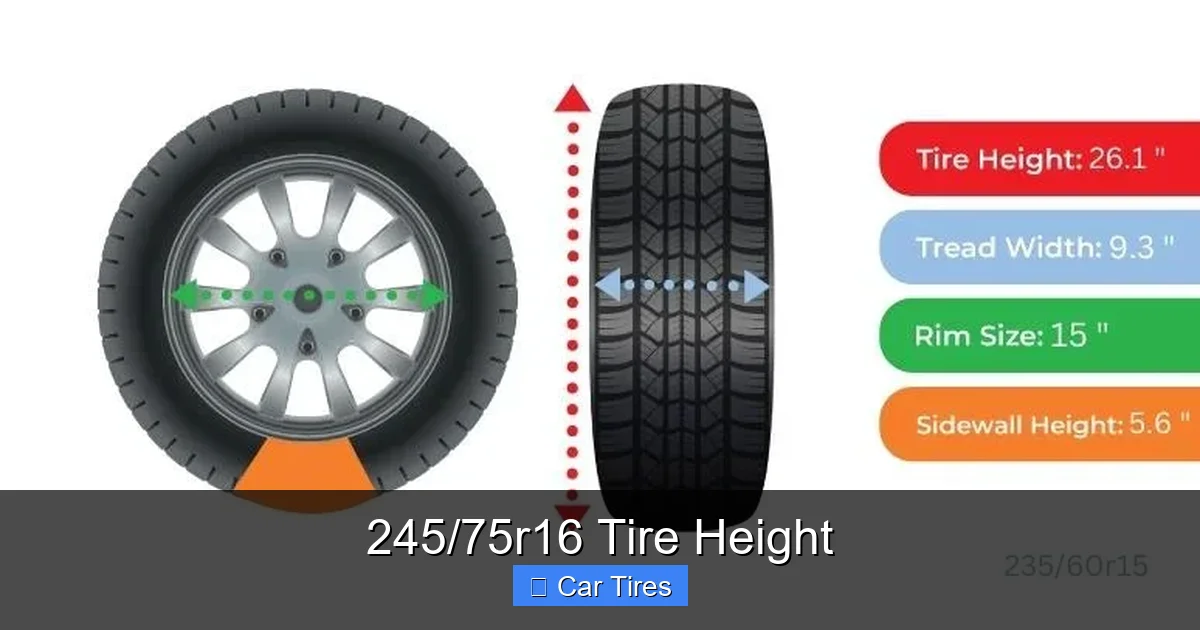
The first number, 245, refers to the tire’s width in millimeters. That’s how wide the tire is from sidewall to sidewall when mounted and inflated. The second number, 75, is the aspect ratio—this means the height of the sidewall is 75% of the tire’s width. So, in this case, the sidewall height is about 184 millimeters (245 x 0.75). The “R” stands for radial construction, which is the standard for modern tires, and the “16” indicates the wheel diameter in inches that the tire is designed to fit.
How to Calculate Tire Height
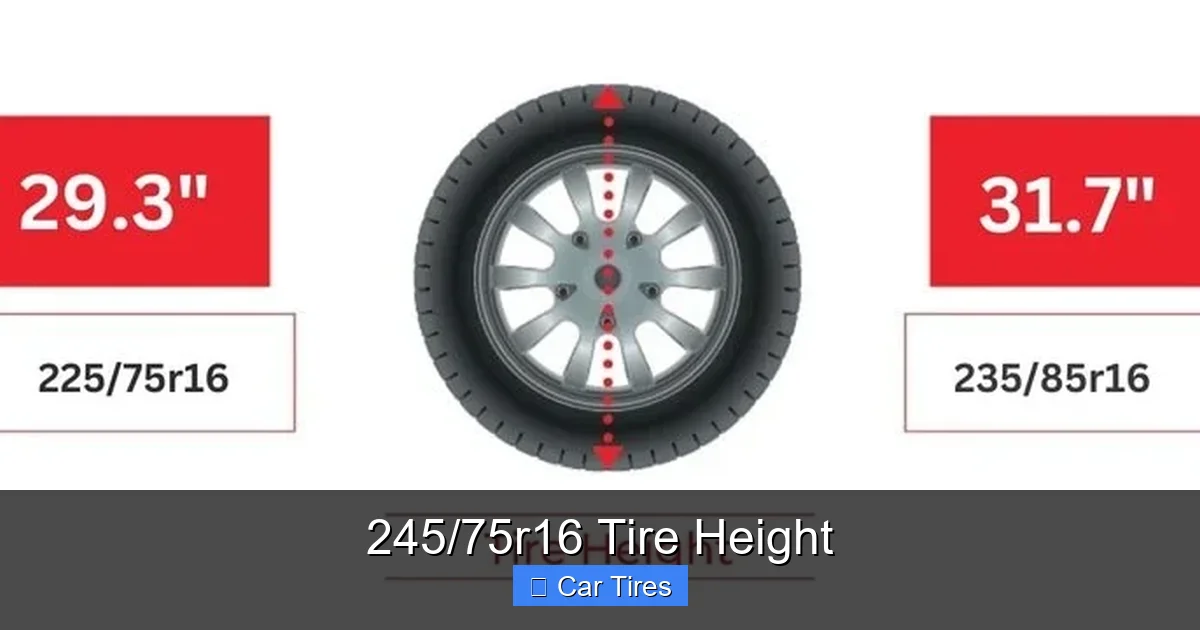
To find the overall 245/75R16 tire height, you need to calculate the total diameter. Start by converting the sidewall height from millimeters to inches. Since there are 25.4 millimeters in an inch, divide 184 mm by 25.4, which gives you roughly 7.24 inches. Because a tire has two sidewalls—one on the top and one on the bottom—you multiply that by two: 7.24 x 2 = 14.48 inches. Then add the wheel diameter: 14.48 + 16 = 30.48 inches. Round that up, and you get an approximate 245/75R16 tire height of 30.5 inches.
This calculation is crucial because tire height affects everything from your speedometer accuracy to ground clearance. A 30.5-inch tire is significantly taller than many factory-installed options, especially on compact trucks and SUVs. For example, a stock 225/70R16 tire is only about 28.4 inches tall—over two inches shorter. That difference might not sound like much, but it can change how your vehicle handles, accelerates, and even how it looks on the road.
Why Tire Height Matters
So why should you care about the 245/75R16 tire height? Because it directly impacts your driving experience. A taller tire increases your vehicle’s ground clearance, which is a big deal if you drive on rough roads, trails, or snowy terrain. More clearance means less risk of scraping the undercarriage on rocks, curbs, or deep potholes. It also gives your vehicle a more aggressive, rugged stance—something many truck and SUV owners love.
But it’s not just about looks. The taller sidewall on a 245/75R16 tire also provides a softer, more comfortable ride. The extra rubber acts like a cushion, absorbing bumps and vibrations better than a low-profile tire. This is especially noticeable on long highway drives or uneven country roads. However, that comfort comes with a trade-off: taller sidewalls can feel a bit less responsive during sharp turns or quick maneuvers. It’s a balance between comfort and precision.
Common Vehicles That Use 245/75R16 Tires
The 245/75R16 tire size is a favorite among drivers of light-duty trucks, SUVs, and off-road vehicles. Its combination of height, width, and load capacity makes it a versatile choice for a wide range of models. Whether you’re driving a daily commuter or a weekend warrior, chances are this tire size could be a great fit.
Visual guide about 245/75r16 Tire Height
Image source: tireblogger.com
Popular Truck Models
Many mid-size and full-size trucks come equipped with 16-inch wheels, and the 245/75R16 is a common upgrade or replacement option. For example, the Ford Ranger, especially older models from the 1990s and early 2000s, often used this size as a factory option or popular aftermarket choice. The Toyota Tacoma also frequently uses 245/75R16 tires, particularly on base trims or when owners want a bit more height without going to a full 33-inch tire.
Full-size trucks like the Chevrolet Silverado 1500, GMC Sierra, and Ford F-150 sometimes use this size on lighter-duty configurations or when equipped with 16-inch wheels instead of the more common 17- or 18-inch options. It’s also a go-to for fleet vehicles, work trucks, and contractors who need durability and load capacity without the bulk of larger tires.
SUVs and Off-Road Vehicles
SUVs like the Jeep Wrangler TJ and YJ models are well-known for using 245/75R16 tires, especially in off-road trims. The Wrangler’s short wheelbase and high clearance make it a natural match for this tire size. Many Jeep owners choose 245/75R16 tires with aggressive tread patterns for better traction on dirt, mud, and rocks. The 30.5-inch height gives them enough lift to tackle moderate trails without needing a suspension lift.
Other SUVs, such as the Chevrolet Tahoe, GMC Yukon, and older Ford Explorers, also use this size, particularly in base or fleet configurations. These vehicles benefit from the tire’s balance of comfort, load capacity, and road presence. Even some full-size vans, like the Ford E-Series, use 245/75R16 tires for their durability and ability to handle heavy loads.
Why This Size Is a Sweet Spot
One reason the 245/75R16 tire is so popular is that it strikes a great balance between size and practicality. It’s tall enough to improve off-road capability and ground clearance, but not so large that it requires major modifications. Most vehicles with 16-inch wheels can fit this size without rubbing against the fenders or suspension components, especially if you’re replacing a similar-sized stock tire.
It’s also widely available from major tire brands like Goodyear, Michelin, BFGoodrich, and Cooper. You can find everything from all-season highway tires to rugged all-terrain and mud-terrain options in this size. That means you can tailor your choice to your driving needs—whether you’re commuting to work or exploring backcountry trails.
Performance Benefits of 245/75R16 Tires
Choosing the right tire isn’t just about looks or size—it’s about how your vehicle performs in real-world conditions. The 245/75R16 tire offers several performance advantages that make it a smart choice for many drivers. From improved traction to better load capacity, this size delivers where it counts.
Visual guide about 245/75r16 Tire Height
Image source: trucktirereviews.com
Enhanced Off-Road Capability
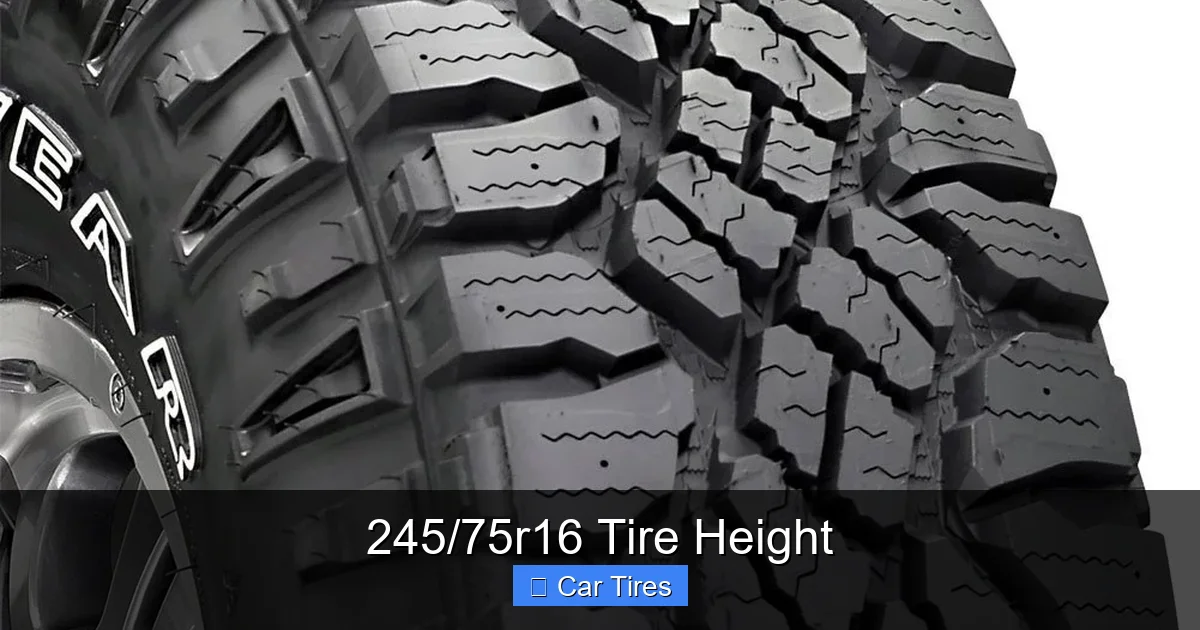
If you enjoy off-roading, even casually, the 245/75R16 tire height gives you a real advantage. The extra 2–3 inches of diameter compared to smaller stock tires means more clearance over obstacles. That’s especially helpful when navigating rocky trails, deep ruts, or snow-covered roads. The taller sidewall also flexes more, helping the tire conform to uneven terrain and maintain contact with the ground.
Many all-terrain and mud-terrain tires in this size feature aggressive tread patterns with large lugs and deep grooves. These designs channel mud, snow, and water away from the contact patch, improving grip in slippery conditions. For example, the BFGoodrich All-Terrain T/A KO2 in 245/75R16 is a favorite among off-roaders for its durability and traction. It’s built to handle everything from desert runs to forest trails.
Improved Load Capacity
Another key benefit of the 245/75R16 tire is its load range options. These tires are available in Load Range C (6-ply), D (8-ply), and E (10-ply), each offering different weight capacities. Load Range E tires, for instance, can support up to 3,080 pounds per tire when properly inflated. That makes them ideal for towing trailers, hauling heavy cargo, or driving fully loaded SUVs.
This is especially important for work trucks and fleet vehicles. A contractor using a pickup to transport tools, equipment, or materials needs tires that won’t fail under pressure. The 245/75R16 size provides that reliability without requiring a larger, heavier tire that could hurt fuel economy or handling.
Comfort and Ride Quality
The taller sidewall of the 245/75R16 tire also contributes to a smoother, more comfortable ride. Low-profile tires, like those on sports cars or luxury sedans, have stiff sidewalls that transmit more road noise and impact to the cabin. In contrast, the extra rubber in a 245/75R16 tire acts as a shock absorber, reducing the jarring feel of potholes, speed bumps, and rough pavement.
This is a big plus for daily drivers who spend long hours on the road. Whether you’re commuting to work or taking a road trip, a comfortable ride makes a big difference. And because this size is still relatively modest compared to giant off-road tires, it doesn’t sacrifice too much in terms of handling or responsiveness.
Fuel Economy Considerations
Of course, no tire upgrade is without trade-offs. One downside of larger tires like the 245/75R16 is their impact on fuel economy. The increased weight and rolling resistance mean your engine has to work harder to move the vehicle, which can reduce gas mileage by 1–2 MPG. That might not sound like much, but over time, it adds up—especially if you drive a lot.
However, the difference isn’t always dramatic. If you’re upgrading from a slightly smaller tire, the drop in fuel economy might be minimal. And if the new tires are more efficient in other ways—like lower rolling resistance or better aerodynamics—the impact could be even smaller. It’s also worth noting that driving habits, vehicle maintenance, and road conditions play a bigger role in fuel economy than tire size alone.
Installation and Compatibility Tips
Before you buy a set of 245/75R16 tires, it’s important to make sure they’ll fit your vehicle properly. While this size is generally compatible with most 16-inch wheel setups, there are a few things to check to avoid problems down the road.
Visual guide about 245/75r16 Tire Height
Image source: tireblogger.com
Checking Wheel Well Clearance
The first step is to measure the space in your wheel wells. The 245/75R16 tire height of 30.5 inches is taller than many stock tires, so you need to ensure there’s enough room for the tire to spin freely without rubbing against the fender, suspension, or brake components. This is especially important if your vehicle has limited suspension travel or aftermarket modifications.
A good rule of thumb is to have at least 0.5 to 1 inch of clearance between the tire and any part of the vehicle when the suspension is fully compressed. You can test this by installing one tire and bouncing the vehicle to simulate rough driving conditions. If you hear rubbing or see scuff marks, you may need to adjust your suspension or choose a slightly smaller tire.
Speedometer and Odometer Accuracy
Another important consideration is how the larger tire affects your speedometer and odometer readings. Because the 245/75R16 tire has a larger circumference, it covers more ground per revolution than a smaller tire. That means your speedometer will read slightly slower than your actual speed. For example, if your speedometer says 60 mph, you might actually be going 62 mph.
This discrepancy can also affect your odometer, causing it to underreport the distance you’ve traveled. Over time, this could lead to missed maintenance intervals or inaccurate trip calculations. The best solution is to recalibrate your speedometer using a tuner or by visiting a professional shop. Many modern vehicles allow for speedometer adjustments through the onboard computer or with aftermarket modules.
Load Rating and Inflation Pressure
Always check the load rating and recommended inflation pressure for your 245/75R16 tires. The load range (C, D, or E) determines how much weight the tire can safely carry. Overloading your tires can lead to overheating, blowouts, or reduced handling. Make sure the load rating matches or exceeds your vehicle’s requirements.
Proper inflation is just as important. Underinflated tires wear unevenly, reduce fuel economy, and increase the risk of failure. Overinflated tires can lead to a harsh ride and reduced traction. Check your tire pressure regularly, especially before long trips or when carrying heavy loads. Most vehicles have a recommended pressure listed on a sticker inside the driver’s door jamb.
Choosing the Right 245/75R16 Tire for Your Needs
With so many tire options available in the 245/75R16 size, it’s important to choose the right one for your driving style and conditions. Not all tires are created equal, and the best choice depends on how you use your vehicle.
All-Season vs. All-Terrain vs. Mud-Terrain
All-season tires are a great choice for drivers who primarily stick to paved roads. They offer a balance of comfort, quietness, and wet-weather traction. Brands like Michelin and Goodyear offer reliable all-season options in this size that are perfect for daily commuting and highway driving.
All-terrain tires, like the Cooper Discoverer AT3 or Falken Wildpeak A/T3W, are designed for mixed use. They handle well on pavement but also provide solid performance on dirt, gravel, and light trails. They’re a popular choice for truck and SUV owners who want versatility without going full off-road.
Mud-terrain tires, such as the Mickey Thompson Baja MTZ or Nitto Trail Grappler, are built for serious off-roading. They have deep, aggressive treads that excel in mud, rocks, and sand. However, they tend to be noisier on the highway and wear faster on pavement. Choose these if you frequently tackle challenging terrain.
Brand and Price Considerations
Price can vary widely depending on the brand, tread design, and load range. Premium brands like Michelin and BFGoodrich often cost more but offer better durability, warranty, and performance. Budget-friendly options from brands like General, Hankook, or Westlake can be good values, especially for light-duty use.
Don’t forget to factor in installation, balancing, and alignment costs. Some retailers offer package deals that include these services, which can save you money. Also, check for rebates or promotions—many tire manufacturers run seasonal sales that can significantly reduce the final price.
Warranty and Tread Life
Look for tires with a good treadwear warranty. Most all-terrain and all-season tires in this size offer 50,000 to 60,000 miles of coverage. Higher treadwear numbers (like 600 or 700) indicate longer-lasting rubber compounds. Keep in mind that aggressive driving, harsh conditions, and improper inflation can reduce actual tread life.
Also, consider the tire’s warranty against defects and road hazards. Some brands offer free replacement for the first year or a certain number of miles if the tire is damaged by a puncture or impact. This can be a lifesaver if you drive on rough roads or off-highway trails.
Maintaining Your 245/75R16 Tires
Once you’ve installed your new 245/75R16 tires, proper maintenance is key to getting the most out of them. A little care goes a long way in extending tread life, improving safety, and maintaining performance.
Regular Inspections
Make it a habit to inspect your tires monthly. Look for signs of uneven wear, cracks in the sidewall, bulges, or embedded objects like nails or glass. Uneven wear can indicate alignment issues, improper inflation, or suspension problems. Catching these early can prevent more serious issues down the road.
Rotation and Balancing
Tire rotation every 5,000 to 7,000 miles helps ensure even wear across all four tires. Front tires tend to wear faster due to steering and braking forces, so rotating them to the rear can extend overall tread life. Balancing should be done whenever you install new tires or if you notice vibrations at highway speeds.
Alignment Checks
Poor alignment causes rapid and uneven tire wear, especially on the edges. If your vehicle pulls to one side or the steering wheel is off-center, it’s time for an alignment check. This is especially important after hitting a pothole or curb, or if you’ve recently installed new suspension components.
Proper Storage
If you switch to seasonal tires, store your 245/75R16 tires properly. Keep them in a cool, dry place away from direct sunlight and ozone sources like motors or generators. Use tire covers or stack them horizontally to prevent flat spots. Inflate them to the recommended pressure before storage.
Conclusion
The 245/75R16 tire height of approximately 30.5 inches makes it a smart, versatile choice for a wide range of vehicles. Whether you drive a truck, SUV, or off-road rig, this size offers a great balance of ground clearance, comfort, and capability. It’s tall enough to improve off-road performance and give your vehicle a more commanding presence, yet compact enough to fit most 16-inch wheel setups without major modifications.
From daily commuting to weekend adventures, the right 245/75R16 tire can enhance your driving experience. Just remember to consider factors like load range, tread type, and speedometer calibration to get the best results. With proper maintenance and the right choice for your needs, these tires can deliver reliable performance for tens of thousands of miles.
Frequently Asked Questions
What is the exact height of a 245/75R16 tire?
The 245/75R16 tire height is approximately 30.5 inches in diameter. This is calculated by adding the wheel size (16 inches) to twice the sidewall height (about 7.24 inches each).
Will 245/75R16 tires fit my truck or SUV?
Most vehicles with 16-inch wheels can accommodate 245/75R16 tires, including Ford Rangers, Toyota Tacomas, and Jeep Wranglers. Always check wheel well clearance to avoid rubbing.
Do larger tires like 245/75R16 affect fuel economy?
Yes, larger tires can reduce fuel economy by 1–2 MPG due to increased weight and rolling resistance. The impact depends on driving habits and vehicle type.
Do I need to recalibrate my speedometer with 245/75R16 tires?
Yes, because the larger tire covers more ground per revolution, your speedometer may read slower than actual speed. Recalibration ensures accurate readings.
What load range should I choose for 245/75R16 tires?
Choose Load Range C for light-duty use, D for moderate loads, and E for heavy towing or hauling. Match the load range to your vehicle’s requirements.
Can I use 245/75R16 tires for off-roading?
Absolutely. This size is popular for off-roading due to its height, sidewall flex, and availability in all-terrain and mud-terrain tread patterns.