
Tire Pressure Sensor Fault After Tire Change

Getting a tire pressure sensor fault after tire change is common but fixable. This issue usually stems from sensor damage, improper installation, or a system that needs recalibration. With the right steps, you can restore accurate readings and keep your TPMS working smoothly.
Key Takeaways
- Sensor Damage During Installation: Tire pressure sensors can get cracked or dislodged when tires are removed or mounted, especially with improper tools or techniques.
- Improper Sensor Reinstallation: Failing to reattach or tighten the sensor correctly after a tire change can trigger a fault warning.
- Need for TPMS Reset or Relearn: Most vehicles require a reset or relearn procedure after tire changes to sync the sensors with the onboard computer.
- Dead or Weak Sensor Batteries: TPMS sensors run on batteries that last 5–10 years; a weak battery may cause intermittent or persistent faults.
- Incorrect Sensor Type or Compatibility: Using aftermarket or mismatched sensors can lead to communication errors with your vehicle’s system.
- Environmental or Interference Issues: Extreme temperatures or electronic interference can temporarily disrupt sensor signals.
- Professional Diagnosis Recommended: If the fault persists, a certified technician can scan the system and identify hidden issues.
📑 Table of Contents
- Why You’re Seeing a Tire Pressure Sensor Fault After Tire Change
- Understanding Your TPMS: How It Works
- Common Causes of TPMS Faults After Tire Service
- How to Fix a Tire Pressure Sensor Fault After Tire Change
- Preventing TPMS Faults in the Future
- When to Replace TPMS Sensors
- Real-Life Example: Sarah’s Tire Change Nightmare
- Conclusion
Why You’re Seeing a Tire Pressure Sensor Fault After Tire Change
So, you just got new tires—or maybe you rotated them—and now your dashboard is lit up like a Christmas tree with a tire pressure sensor fault warning. You check the tire pressure manually, and everything looks fine. So why is the light still on?
You’re not alone. This is one of the most common issues drivers face after a tire change. The Tire Pressure Monitoring System (TPMS) is designed to alert you when tire pressure drops below safe levels, but it’s also surprisingly sensitive to changes during tire service. Even a routine tire rotation or replacement can throw it off.
The good news? Most of these faults are temporary and fixable. The bad news? Ignoring them can lead to inaccurate readings, reduced fuel efficiency, uneven tire wear, and even safety risks. Understanding what causes these faults—and how to resolve them—can save you time, money, and stress.
In this guide, we’ll walk you through the most common reasons for a tire pressure sensor fault after tire change, how to troubleshoot them, and when it’s time to visit a professional. Whether you’re a DIY enthusiast or just want to know what your mechanic is talking about, this article has you covered.
Understanding Your TPMS: How It Works
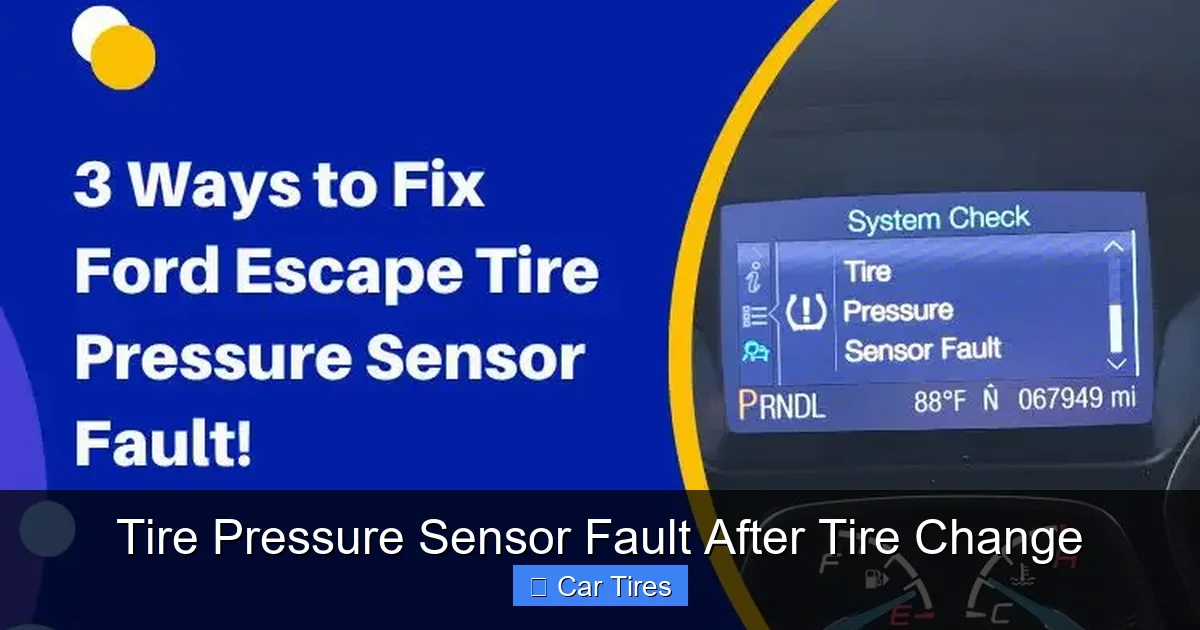
Visual guide about Tire Pressure Sensor Fault After Tire Change
Image source: tirescamp.com
Before we dive into fixes, let’s quickly cover how your TPMS actually works. There are two main types of systems: direct and indirect.
Direct TPMS
Most modern vehicles use a direct TPMS. This system relies on small sensors mounted inside each tire, usually attached to the valve stem or wheel band. These sensors measure the actual air pressure and temperature inside the tire and transmit that data wirelessly to your car’s computer.
Each sensor has a unique ID, and the system knows which sensor belongs to which wheel. When pressure drops—say, below 25 PSI—the sensor sends an alert, and your dashboard warning light comes on.
Indirect TPMS
Some older or budget-friendly vehicles use an indirect TPMS. This system doesn’t have physical sensors in the tires. Instead, it uses the wheel speed sensors from the anti-lock braking system (ABS) to detect changes in tire rotation speed. A underinflated tire rotates faster than a properly inflated one, so the system infers low pressure based on that difference.
While indirect systems are cheaper and require less maintenance, they’re also less accurate and can’t tell you the exact pressure in each tire.
Why TPMS Matters After a Tire Change
Now, here’s the key point: any time you remove a tire—whether for rotation, repair, or replacement—you risk disrupting the TPMS. With direct systems, the physical sensor might get damaged. With both types, the system may lose track of which sensor is where, especially if tires are rotated.
That’s why a tire pressure sensor fault after tire change is so common. The system is essentially saying, “Hey, I’m confused. I don’t recognize this sensor, or it’s not sending data.” And until you clear that confusion, the warning light will stay on.
Common Causes of TPMS Faults After Tire Service
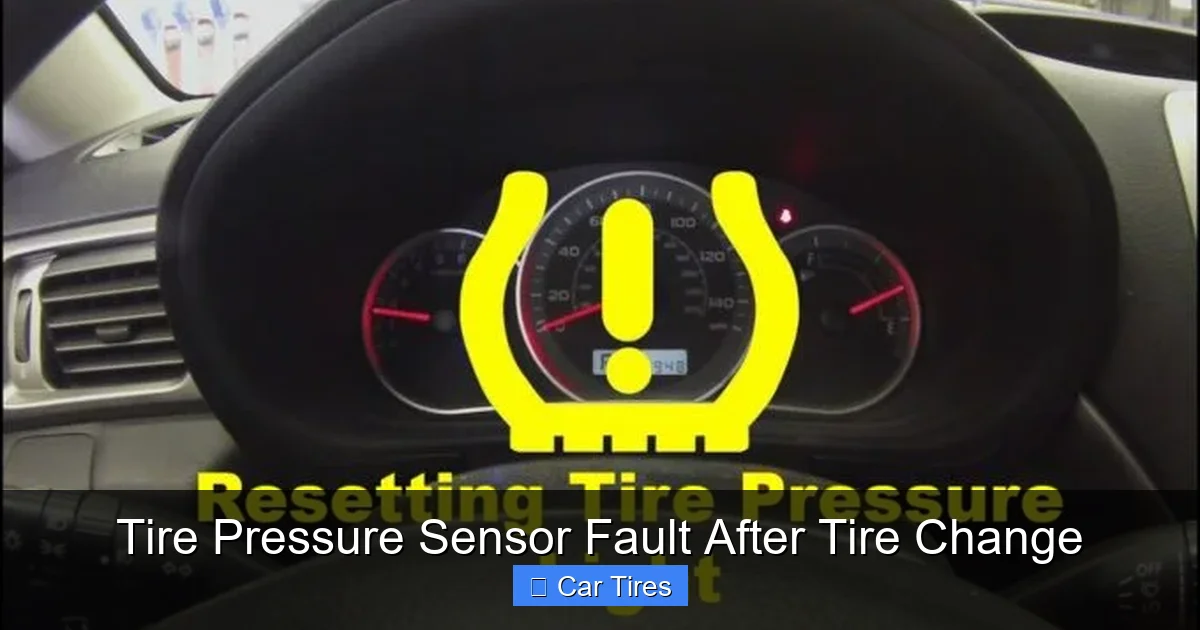
Visual guide about Tire Pressure Sensor Fault After Tire Change
Image source: tirepressurefault.com
Let’s break down the most frequent reasons you might see a tire pressure sensor fault after tire change. Knowing the cause is half the battle.
1. Physical Damage to the Sensor
This is the #1 culprit. TPMS sensors are small, delicate devices. During tire removal, the tire iron or bead breaker can accidentally hit the sensor, cracking the housing or damaging the internal electronics.
For example, imagine a technician using a metal tire spoon to pry the tire off the rim. If they’re not careful, the tool can scrape or crush the sensor mounted near the valve stem. Even a small crack can let moisture in, corroding the sensor and killing it.
We’ve seen cases where a sensor looked fine from the outside but was completely non-functional due to internal damage. That’s why it’s crucial to use proper tools and techniques during tire changes.
2. Improper Sensor Reinstallation
After the tire is off, the sensor needs to be carefully removed and reinstalled. If it’s not seated correctly, tightened properly, or aligned with the valve stem, it won’t function.
A common mistake is over-tightening the sensor nut. This can strip the threads or crack the sensor body. On the flip side, under-tightening can let the sensor wobble, causing signal loss or premature wear.
Also, some sensors are designed to be mounted in a specific orientation. If they’re installed upside down or at an angle, they may not transmit data reliably.
3. Sensor Battery Failure
TPMS sensors are powered by small lithium batteries that typically last 5 to 10 years. If your car is older or the sensors haven’t been replaced in a while, the battery might be dying.
A weak battery can cause intermittent faults—like the light coming on one day and off the next. Or it might cause the sensor to stop transmitting altogether, triggering a persistent fault.
After a tire change, a dying sensor might finally give up the ghost. So even if the sensor wasn’t damaged during service, the timing could be coincidental.
4. Need for TPMS Reset or Relearn
This is a big one. Many drivers assume that once the tires are back on, the system will automatically recognize them. But that’s not always true.
Most vehicles require a TPMS reset or relearn procedure after tire changes, especially if the tires were rotated. This tells the car’s computer which sensor is now in which position.
For example, if you rotated your tires from front to back, the sensor that was on the front left is now on the rear left. The system needs to update its records. If you don’t do this, it may show incorrect pressure readings or trigger a fault.
Some cars have a simple reset button under the dashboard. Others require a scan tool or a specific sequence of actions (like turning the key, pressing the brake, or driving at a certain speed).
5. Using the Wrong Sensor Type
Not all TPMS sensors are created equal. Some are OEM (original equipment manufacturer), while others are aftermarket. If your mechanic installed a universal or incompatible sensor, it might not communicate properly with your vehicle.
For instance, a sensor designed for a Ford might not work with a Toyota, even if it fits physically. The communication protocol, frequency, or encryption could be different.
Also, some aftermarket sensors require programming before installation. If that step is skipped, the sensor won’t pair with your car.
6. Environmental or Interference Issues
Extreme cold or heat can affect sensor performance. In winter, sensors may struggle to transmit signals through thick snow or ice buildup. In summer, high temperatures can drain battery life faster.
Additionally, electronic interference from nearby devices—like cell phones, radios, or even other vehicles—can temporarily disrupt TPMS signals. This is rare, but it can happen.
How to Fix a Tire Pressure Sensor Fault After Tire Change
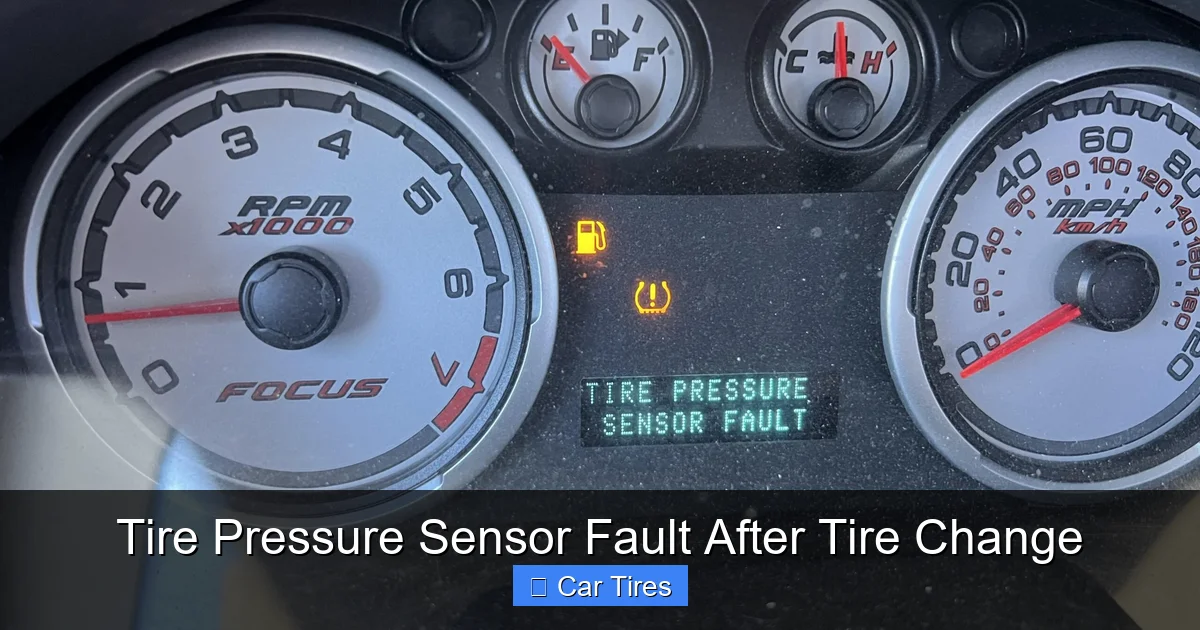
Visual guide about Tire Pressure Sensor Fault After Tire Change
Image source: mrtirerack.com
Now that you know the causes, let’s talk solutions. Here’s a step-by-step guide to resolving the issue.
Step 1: Check Tire Pressure Manually
Before assuming the sensor is faulty, double-check the actual tire pressure with a reliable gauge. Sometimes, the warning light comes on because one tire is genuinely low—even if it looks fine.
Pressures can drop due to temperature changes, leaks, or slow punctures. Inflate all tires to the recommended PSI (found on the driver’s door jamb or in the owner’s manual).
Step 2: Drive the Vehicle
In some cases, the system just needs time to recalibrate. Drive the car for 10–15 minutes at speeds above 30 mph. This allows the sensors to wake up and transmit data.
Many modern TPMS systems are “passive” and only send signals when the car is moving. So a short drive might be all it takes to clear the fault.
Step 3: Perform a TPMS Reset
If the light is still on, try a manual reset. The method varies by vehicle, but here are some common approaches:
– **Reset Button:** Look for a TPMS reset button under the dashboard or near the steering column. Press and hold it until the light blinks or turns off.
– **Key Cycle Method:** Turn the ignition to “on” (don’t start the engine), then press and hold the TPMS reset button. Wait for the horn to chirp or the light to flash.
– **Drive Cycle:** Some cars require you to drive at a specific speed (e.g., 50 mph) for a certain distance (e.g., 10 minutes) to reset the system.
Check your owner’s manual for the exact procedure.
Step 4: Use a TPMS Scan Tool
If a manual reset doesn’t work, you may need a TPMS scan tool. These devices can read sensor IDs, check battery levels, and force a relearn procedure.
You can buy a basic TPMS tool for around $50–$100, or visit a tire shop or dealership. Many offer free TPMS checks.
The tool will tell you if a sensor is dead, weak, or not communicating. It can also help you reprogram new sensors.
Step 5: Inspect the Sensors
If you’re comfortable removing the wheels, inspect each sensor for visible damage. Look for cracks, corrosion, or loose connections.
Check the valve stem for leaks. A damaged valve core can cause slow leaks and trigger false warnings.
If you find a damaged sensor, it will need to be replaced. Most sensors cost $50–$150 each, plus labor.
Step 6: Visit a Professional
If you’ve tried everything and the fault persists, it’s time to see a mechanic or tire specialist. They have advanced diagnostic tools and can pinpoint issues like:
– Internal sensor failure
– Wiring problems
– Faulty TPMS control module
– Software glitches
They can also perform a full system relearn and ensure all sensors are properly programmed.
Preventing TPMS Faults in the Future
An ounce of prevention is worth a pound of cure. Here’s how to avoid tire pressure sensor faults after your next tire change.
Choose a Reputable Tire Shop
Not all shops are created equal. Look for one with certified technicians who specialize in TPMS. Ask if they use TPMS-safe tools and procedures.
A good shop will:
– Use plastic or nylon tire spoons instead of metal
– Inspect sensors before and after service
– Perform a TPMS reset or relearn
– Offer a warranty on sensor work
Ask About Sensor Condition
Before the tires are removed, ask the technician to check the sensors. If any are cracked, corroded, or have low battery, replace them proactively.
It’s cheaper to replace a sensor during a tire change than to fix a fault later.
Keep Records
Note the age of your TPMS sensors. If they’re over 7 years old, consider replacing them preventively. Most manufacturers recommend replacement every 5–10 years.
Use OEM or High-Quality Aftermarket Sensors
Don’t skimp on sensors. OEM parts are the safest bet, but high-quality aftermarket sensors from brands like Schrader, Huf, or Denso are also reliable.
Avoid cheap, unbranded sensors—they often fail quickly.
Regular Maintenance
Check tire pressure monthly, even if the TPMS light isn’t on. Proper inflation extends tire life, improves fuel economy, and reduces strain on sensors.
Also, inspect valve stems for damage or leaks during routine checks.
When to Replace TPMS Sensors
Sometimes, a tire pressure sensor fault after tire change means it’s time for new sensors. Here’s how to know.
Age of the Sensor
If your car is 7+ years old and you’ve never replaced the sensors, they’re likely nearing the end of their life. Batteries degrade over time, and internal components wear out.
Frequent Faults
If the TPMS light comes on often—even after resets—it’s a sign the sensor is failing. Intermittent signals or no signals at all indicate a weak or dead battery.
Visible Damage
Cracks, corrosion, or loose mounts are clear signs the sensor needs replacement. Don’t wait for a total failure.
After a Major Tire Incident
If you’ve had a flat, blowout, or curb impact, inspect the sensors. Even if they look fine, internal damage may have occurred.
Replacing all four sensors at once can be costly ($200–$600), but it ensures consistent performance and avoids future faults.
Real-Life Example: Sarah’s Tire Change Nightmare
Let’s look at a real scenario. Sarah took her 2018 Honda CR-V to a local tire shop for a rotation. The next morning, the TPMS light was on.
She checked the pressure—all tires were at 32 PSI, the recommended level. She drove to work, but the light stayed on.
Frustrated, she returned to the shop. The technician used a scan tool and found that the rear left sensor wasn’t transmitting. Upon inspection, they discovered the sensor was cracked—likely damaged during tire removal.
They replaced the sensor, performed a relearn procedure, and the light went off. Total cost: $120.
The lesson? Even a simple tire rotation can damage sensors if not done carefully. And a quick scan tool check could have saved Sarah a return trip.
Conclusion
A tire pressure sensor fault after tire change is annoying, but it’s rarely a sign of a serious problem. In most cases, it’s caused by sensor damage, improper installation, or a system that needs recalibration.
By understanding how your TPMS works and following the right steps—checking pressure, resetting the system, using a scan tool, or replacing faulty sensors—you can resolve the issue quickly and safely.
The key is not to ignore the warning. While it might be tempting to just cover the light with tape, doing so puts you at risk of driving on underinflated tires, which can lead to blowouts, poor handling, and reduced fuel economy.
Instead, treat the fault as a signal to take action. Whether you fix it yourself or visit a professional, addressing the issue promptly will keep your TPMS accurate and your ride smooth.
And remember: prevention is always better than cure. Choose a trusted tire shop, maintain your sensors, and stay on top of tire care. Your car—and your peace of mind—will thank you.
Frequently Asked Questions
Why does my TPMS light come on after a tire change?
The TPMS light often comes on after a tire change because the sensors may have been damaged during removal or installation, or the system needs to be reset to recognize the new tire positions. It’s a common issue and usually fixable.
Can I drive with a tire pressure sensor fault?
Yes, you can drive, but it’s not recommended. The fault means your TPMS isn’t monitoring tire pressure accurately, so you won’t know if a tire is underinflated, which can lead to safety risks or tire damage.
How much does it cost to fix a TPMS sensor fault?
Costs vary. A simple reset is free or low-cost. Replacing a sensor typically costs $50–$150 per sensor, plus labor. A full system relearn at a shop may cost $50–$100.
Do I need to replace all four TPMS sensors at once?
No, you only need to replace the faulty ones. However, if your sensors are old (7+ years), replacing all four at once can prevent future issues and save on labor costs.
Can I reset my TPMS myself?
Yes, many vehicles allow manual reset using a button or key cycle. Check your owner’s manual for instructions. For complex systems, a scan tool may be needed.
Will a TPMS fault affect my car’s performance?
Not directly, but it can lead to driving on underinflated tires, which reduces fuel efficiency, increases tire wear, and compromises handling and safety. Always address the fault promptly.