
Why Is My Bmw Smoking Under the Hood?

Seeing smoke or vapor from your BMW’s engine bay is a serious warning sign that requires immediate attention. It typically indicates fluid (oil, coolant) leaking onto hot engine components, an overheating condition, or an electrical fault. Continuing to drive can cause catastrophic engine failure. The color and smell of the smoke are crucial clues for diagnosis, but the only safe course of action is to stop the vehicle, let it cool, and have it inspected by a qualified BMW specialist.
Key Takeaways
- Safety First: Never ignore smoke from the engine bay. Pull over safely, turn off the engine, and wait at least 30 minutes for it to cool before opening the hood.
- Color is a Clue: Blue/gray smoke means burning oil. Thick white smoke usually means burning coolant. Black smoke points to a rich fuel mixture or fire.
- Common Culprits: The most frequent causes are oil leaks (valve cover gasket, oil filter housing), coolant leaks (thermostat housing, water pump), and overheating.
- Overheating Link: An overheating engine is a prime suspect, as extreme heat can cause fluids to vaporize instantly. This is often tied to coolant loss or a failing cooling system component.
- Electrical Fires are Rare but Serious: A distinct burning plastic smell with thin, blue-ish smoke can indicate an electrical short or melting wiring harness.
- Diagnosis Requires a Pro: While you can note the smoke color, pinpointing the exact source (e.g., a cracked turbocharger seal vs. a leaking camshaft gasket) needs a mechanic’s expertise and tools.
- Prevention is Key: Regular BMW-specific maintenance, including timely fluid changes and inspection of common failure points like gaskets and hoses, is the best defense against this scary symptom.
📑 Table of Contents
- Introduction: A Panic-Inducing Sight
- Decoding the Smoke: What Color Is It?
- The Most Common BMW-Specific Causes
- What To Do IMMEDIATELY When You See Smoke
- The Diagnostic Process: How a BMW Specialist Finds the Source
- Repair Pathways: From Gasket to Overhaul
- Prevention: Your Best Defense Against a Smoking BMW
- Conclusion: Don’t Gamble with Your BMW
Introduction: A Panic-Inducing Sight
You’re driving your BMW, the Ultimate Driving Machine, and you notice a wisp of smoke curling out from under the hood. Your heart skips a beat. This isn’t a minor annoyance; it’s a loud, visual scream from your engine compartment saying something is desperately wrong. “Why is my BMW smoking under the hood?” is one of the most urgent questions a owner can ask, and the answer is rarely simple. Unlike a dashboard warning light, smoke is a symptom of an active problem, often involving extreme heat or fluid contact with hot surfaces.
BMWs, especially modern ones with complex, tightly-packed turbocharged engines, are精密 machines where even a small leak can hit a very hot exhaust manifold or turbocharger, vaporizing instantly into alarming smoke. The cause can range from a relatively minor (but still urgent) gasket leak to a precursor of complete engine destruction. This guide will walk you through exactly what that smoke means, the most common BMW-specific causes, what you must do the moment you see it, and how to get it fixed correctly.
Decoding the Smoke: What Color Is It?
The first and most important piece of diagnostic information you can provide to a mechanic is the color of the smoke. Different fluids burn differently, creating distinct vapors. Here’s your quick-reference guide.
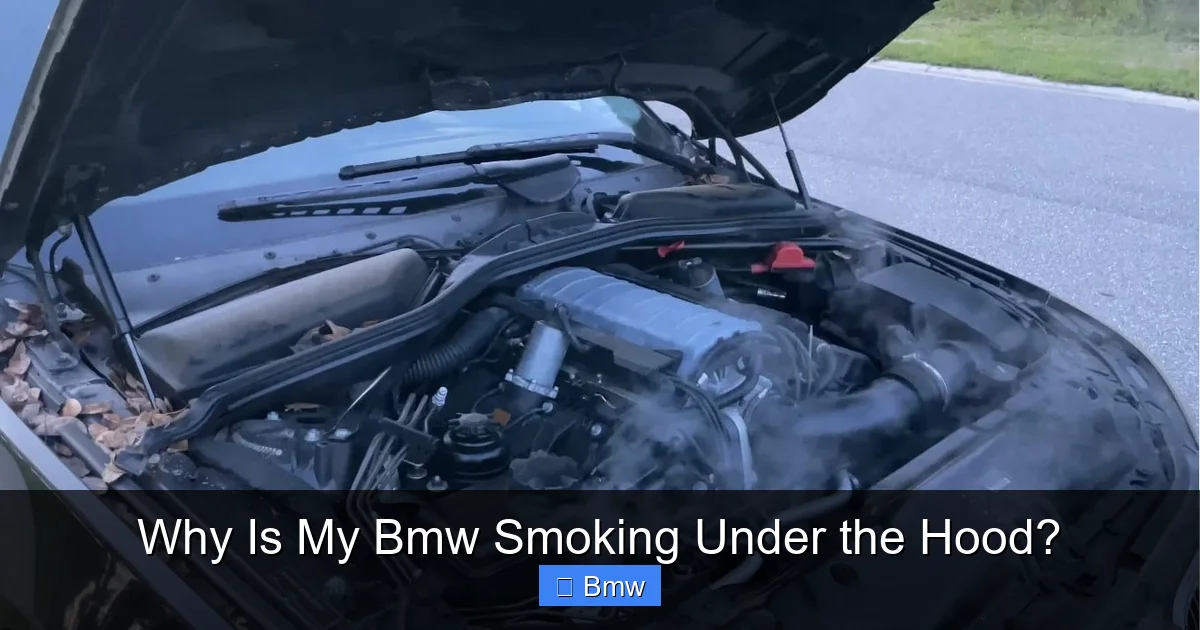
Visual guide about Why Is My Bmw Smoking Under the Hood?
Image source: richsautobodyshop.com
Blue or Gray Smoke: The Oil Burner
This is the most common type of “smoke” (often more of a vapor) from a BMW. It usually means engine oil is finding its way onto a hot part and burning off. The source can be external (a leak dripping onto the engine) or internal (oil entering the combustion chamber).
- External Leak: A valve cover gasket is a classic culprit on many BMW inline-6 and V8 engines. Oil seeps out, runs down the side of the engine, and hits the hot exhaust manifold. You might also see it from a leaking oil filter housing gasket, a faulty oil cooler seal, or a leaking turbocharger oil return line. The smoke will often have a distinct, acrid burning oil smell.
- Internal Burn: If the blue smoke is accompanied by a loss of oil between changes and comes out the tailpipe (especially under acceleration), the oil is burning inside the engine. Worn piston rings, damaged valve stem seals, or a failing turbocharger (where oil seals leak into the intake) are prime suspects. Turbo-related blue smoke is very common on higher-mileage BMWs with original turbos.
Thick White Smoke or Vapor: The Coolant Crisis
This is often the most alarming sight. A large, continuous billow of sweet-smelling white smoke/vapor is almost always coolant (antifreeze) boiling over onto the engine. The source is a pressurized leak in the cooling system.
- Common Sources: The plastic thermostat housing on many BMWs is notorious for cracking. A leaking water pump (especially on models with electric water pumps), a cracked coolant reservoir, or a ruptured hose can spray coolant directly onto the hot engine or exhaust. A failing head gasket can also force coolant into the cylinders, creating white smoke from the exhaust, but this is less common from *under* the hood unless the leak is massive.
- The Overheating Connection: A coolant leak directly causes overheating. If your BMW is also showing a temperature warning or you notice the coolant level dropping rapidly, this is your likely scenario. An overheating engine can exacerbate any leak, creating more vapor. You can learn more about the specific symptoms of an overheating BMW in our detailed guide here.
Black Smoke or Flames: The Emergency
This is less common but represents an immediate, extreme danger.
- Black, sooty smoke suggests a very rich fuel mixture, possibly from a failed fuel injector or pressure regulator, dumping raw fuel onto a hot exhaust. It will smell like unburned gasoline.
- Flames or thin, blue-ish smoke with a sharp, chemical smell indicate an electrical fire. A shorted wire, failing alternator, or melting sensor connector is burning. If you see flames, shut the engine off immediately, evacuate the vehicle, and call emergency services. Do not open the hood if you suspect fire, as it can feed oxygen and worsen the blaze.
The Most Common BMW-Specific Causes
Now let’s get into the engine-specific parts that fail most often on BMWs, leading to the smoking symptoms described above.
Visual guide about Why Is My Bmw Smoking Under the Hood?
Image source: daveandraysauto.com
Oil System Leaks (The #1 Suspect)
BMW engines, particularly the popular N46, N47, N52, N55, and B48 families, have several known weak points.
- Valve Cover Gaskets: The rubber seals on the aluminum valve covers harden and crack over time, especially with heat cycles. Oil drips directly onto the exhaust manifolds. This is a classic, very frequent cause of blue smoke under the hood on 3-Series, 5-Series, and X5 models from the mid-2000s onward.
- Oil Filter Housing Gasket: Located on the front of the engine, this gasket fails regularly. Oil can spray forward and hit the hot exhaust downpipe or turbocharger. You might also see oil dripping from the bottom of the housing.
- Turbocharger Oil Seals: Both the supply and return lines to the turbo can develop leaks. More critically, the internal seals within the turbo itself can wear, allowing oil to be sucked into the intake tract, causing blue smoke from the tailpipe *and* potentially external leaks if the return line is compromised.
- Camshaft Plug Seals: On some engines, the plugs at the end of the camshafts have seals that can leak oil onto the valve train and exhaust.
Cooling System Failures
BMW’s use of plastic and composite materials in the cooling system saves weight but creates a lifespan issue.
- Thermostat Housing: The plastic housing on the water pump/thermostat assembly cracks with age and heat. This is a top cause of rapid coolant loss and white smoke/steam. The leak is often at the thermostat itself or where the housing meets the engine block.
- Water Pump: The electric water pumps on many modern BMWs (F-series, G-series) can fail, either stopping coolant flow (causing overheating and potential steam) or leaking from the bearing seal. The pump is often located in a position where a leak will drip directly onto the hot exhaust.
- Expansion Tank (Coolant Reservoir): The plastic tank becomes brittle. Cracks can appear at the bottom or around the pressure cap, causing a slow or sudden loss of coolant. Pressure can force coolant out as a fine spray, creating vapor when it hits the engine.
- Lower Radiator Hose & Pipe: The plastic connector pipes where the hose attaches are failure points. A slow leak here might not drip but will vaporize on the hot engine.
Other Potential Sources
- Power Steering Fluid: While less common, a leaking power steering pump or hose can spray fluid onto a hot exhaust. It has a distinct, slightly oily smell and burns with a white-ish smoke.
- Fuel Injector Seals: A leaking injector can drip raw gasoline onto the intake manifold or cylinder head. This is dangerous and will cause a strong fuel smell and black smoke.
- PCV (Crankcase Ventilation) System: A faulty PCV valve or clogged system can cause excessive crankcase pressure, forcing oil vapor out of seals and gaskets, contributing to oil burning and smoke.
What To Do IMMEDIATELY When You See Smoke
Your actions in the first 60 seconds are critical for your safety and your engine’s survival.
Visual guide about Why Is My Bmw Smoking Under the Hood?
Image source: cdn.thedailyautomotive.com
Step 1: Assess and Pull Over Safely
If you see significant smoke or vapor, signal and move to the right shoulder or a safe, well-ventilated area away from traffic. Do not stop in a tunnel or under an overpass if possible.
Step 2: Shut Off the Engine
Turn the key to the off position. Do not open the hood immediately. Let the engine cool for at least 30-45 minutes. The smoke is coming from fluid hitting something extremely hot (often 500°F+). Opening the hood can cause a flare-up if there’s an oil or fuel leak, and you risk severe burns from steam or hot metal.
Step 3: Check for Obvious Dangers (After Cooling)
Once cooled, carefully lift the hood. Look for:
- Large puddles of fluid (green/orange coolant, brown/black oil).
- Active drips or sprays (be cautious of residual pressure in cooling system).
- Discolored, burnt areas on metal components.
- Melted or charred wiring or plastic parts.
- The smell: sweet (coolant), acrid (oil), chemical (electrical), gasoline (fuel).
Step 4: Do NOT Attempt a “Quick Fix”
Do not try to add coolant or oil while the engine is hot and smoking. You could cause a thermal shock (cracking a hot engine block with cold coolant) or get burned by erupting steam. The goal is to identify the symptom, not treat the disease, roadside.
Step 5: Call for Professional Help
This is not a “drive it to the shop” situation unless the smoke is a tiny, occasional wisp and you can see a very minor, slow drip. If there is active, continuous smoking, the vehicle should be towed. Driving with a major coolant leak guarantees overheating and a seized engine. Driving with an oil leak can lead to rapid internal wear and failure. If you’re ever in doubt about whether your car is safe to drive after seeing smoke, the answer is no. Understanding oil leak patterns can help you communicate the issue clearly to your tow truck driver and mechanic.
The Diagnostic Process: How a BMW Specialist Finds the Source
When your car arrives at a reputable independent BMW shop or dealer, the technicians follow a systematic process.
Visual Inspection & Pressure Testing
The first step is a thorough, top-down inspection with the engine cool. They’ll look for the tell-tale signs: wetness, crusty residue, discoloration, and the path of any drips. For coolant leaks, they will pressure test the cooling system with a specialized tool to force coolant out of the weak point. For oil leaks, they might use a fluorescent dye added to the oil, then use a UV light to trace the leak’s origin after a short run.
Smoke Machine Test
For elusive vacuum leaks (which can cause a lean condition and overheating) or to check the crankcase ventilation system, a “smoke machine” is invaluable. It pumps harmless smoke into the intake or crankcase and shows where it escapes, pinpointing leaks in hoses, gaskets, and the PCV system.
Scanning for Codes & Live Data
A BMW-specific diagnostic scanner (like ISTA, Autel, or Launch) is used to read any stored engine, transmission, or cooling system fault codes. They will also monitor live data: coolant temperature, oil pressure, fuel trims, and turbocharger parameters. An overheating-related code or abnormal oil pressure reading can direct the investigation.
Component-Specific Tests
If turbocharger failure is suspected (common with blue smoke), they will check for shaft play and inspect the oil feed/return lines. If an internal engine oil burn is suspected, a compression test or leak-down test may be performed to assess the health of the piston rings and valve seals.
Repair Pathways: From Gasket to Overhaul
The repair depends entirely on the diagnosed source. Here’s what you might be facing.
The Common & Manageable: Gaskets & Hoses
Replacing a valve cover gasket, oil filter housing gasket, or a cracked coolant hose is a standard, labor-intensive but straightforward repair for a BMW specialist. Parts cost varies, but the labor is the major factor due to the tight engine bay. These repairs, while not cheap, are routine and will permanently solve the leak if done correctly with quality parts.
The Costly & Complex: Turbocharger & Internal Engine
If the turbocharger itself is the source (shaft seal leak), you’re looking at a turbo rebuild or replacement. This is a significant repair, often costing several thousand dollars. If the diagnosis points to internal engine wear (piston rings, valve guides), you are facing an engine rebuild or replacement—the most severe and expensive outcome. This is why catching and fixing an external oil leak early is so critical; it prevents the oil from burning and causing internal carbon buildup and wear.
The Systemic Issue: Overheating
If the smoking was caused by an overheating event (from a coolant leak or a failed thermostat/water pump), the repair must address the root cooling system failure. Furthermore, an overheating event can cause secondary damage: a warped cylinder head, blown head gasket, or damaged sensors. The repair scope can expand quickly. Understanding why an engine overheats is crucial, as the AC system places extra load on the cooling system, and a pre-existing weakness can be exposed.
Prevention: Your Best Defense Against a Smoking BMW
Smoke under the hood is a failure. The goal is to prevent the failure from ever happening.
- Adhere to BMW’s Maintenance Schedule: This isn’t just about oil changes. It’s about replacing coolant every 4 years (it degrades), inspecting/replacing the thermostat and water pump preemptively on high-mileage cars, and checking all belts and hoses.
- Use the Correct Fluids: Always use BMW-approved LL-01 or LL-04 engine oil and the correct type of coolant (usually G48 or HT-12). Generic or wrong-spec fluids can degrade seals and gaskets prematurely.
- Listen and Smell: During your regular drives, be aware of new sounds (ticking from an exhaust leak, whining from a failing turbo) and smells (sweet coolant, burning oil). Catching a small leak early, before it hits a hot surface and starts smoking, saves thousands.
- Regular Visual Checks: Once a month, with the engine cold, open the hood and check for any signs of fresh wetness around the valve cover, oil filter housing, and cooling system components. Look at the ground where you park for fresh drips.
- Address Small Leaks Immediately: A small oil leak that leaves a few drops on the driveway is not “normal.” It is the beginning of the problem that will eventually cause smoke. Have it diagnosed and fixed.
Conclusion: Don’t Gamble with Your BMW
Smoke from under your BMW’s hood is your car’s most desperate cry for help. It is a symptom of a mechanical failure in progress, and time is the enemy. The color of the smoke is your first clue—blue for oil, white for coolant, black for fuel or fire—but it is not a definitive diagnosis. The underlying cause could be a simple, if expensive, gasket replacement, or it could be the first sign of a turbocharger failure or a severely overheating engine. The universal rule is simple: stop driving, let it cool, and get it to a qualified BMW technician for a proper diagnosis. Do not top off fluids and continue driving. Do not ignore a small wisp of smoke, as it will almost certainly become a larger, more damaging problem. Investing in a correct, professional repair now is the only way to protect your engine, your safety, and the significant investment you’ve made in your BMW. Your driving pleasure depends on a healthy engine, and a smoking engine is a sick engine that needs immediate, expert care.
Frequently Asked Questions
Is it safe to drive my BMW if there’s a little smoke coming from under the hood?
No, it is not safe. Even a small amount of smoke indicates fluid is contacting a very hot surface. Continuing to drive can quickly turn a minor leak into a major fire hazard or cause irreversible engine damage from oil starvation or overheating. You should pull over safely, shut off the engine, and have the vehicle towed to a repair shop.
What does blue smoke from my BMW engine mean?
Blue or gray smoke means engine oil is burning. The most common causes are external oil leaks (like a valve cover gasket or oil filter housing gasket) dripping onto the hot exhaust manifold, or internal issues like worn piston rings, valve stem seals, or a failing turbocharger with leaking oil seals. The presence of a strong burning oil smell is a key indicator.
My BMW is blowing white smoke from under the hood and smells sweet. What is it?
Thick, sweet-smelling white smoke is almost certainly coolant (antifreeze) boiling over onto hot engine parts. This points to a pressurized leak in your cooling system. The most frequent culprits are a cracked plastic thermostat housing, a leaking water pump, or a cracked coolant reservoir. This is often accompanied by overheating and a dropping coolant level.
Could a smoking engine be related to my BMW overheating?
Absolutely. Overheating is a primary cause of smoking. An engine running too hot can cause oil to thin and burn more easily, and it will instantly vaporize any coolant that leaks onto it. Conversely, a coolant leak is the most common *cause* of overheating. If your BMW is smoking and the temperature gauge is in the red or you see a warning, the two problems are directly linked and extremely urgent.
How much does it typically cost to fix a smoking BMW?
The cost varies wildly based on the source. Replacing a valve cover gasket might cost $800-$1,500. Fixing a thermostat housing or water pump could be $1,000-$2,500. A turbocharger replacement can range from $3,000 to $6,000+. An internal engine failure from prolonged oil burning or overheating can mean a full engine replacement, costing $10,000 or more. This is why early diagnosis is so financially critical.
Can I prevent my BMW from developing this problem?
Yes, through vigilant, BMW-specific maintenance. This includes strictly adhering to fluid change intervals (using only approved oils and coolants), proactively replacing known wear items like thermostats and water pumps on older high-mileage models, and performing regular visual inspections for fresh oil or coolant leaks. Addressing a small, slow leak immediately is the single best way to prevent it from becoming a smoking, catastrophic failure.
