Why Do Tesla Roofs Turn Orange?

Contents
- 1 Key Takeaways
- 2 📑 Table of Contents
- 3 The Allure and the Annoyance of Tesla’s Glass Roof
- 4 The Science of the Tint: It’s Not Just Dyed Glass
- 5 The Culprit: UV Degradation and Chemical Breakdown
- 6 Which Tesla Roofs Are Most Affected?
- 7 Prevention: Shielding Your Roof Before It’s Too Late
- 8 Solutions: What To Do If Your Roof Is Already Orange
- 9 Conclusion: A Manageable Cosmetic Flaw in an Otherwise Brilliant Design
- 10 Frequently Asked Questions

Car Fog Light Bulb
Car Phone Holder

Car Tire Inflator

Steering Wheel Cover
Tesla’s glass roofs can develop an orange or brown tint over time due to the degradation of their infrared-reflective coating from prolonged UV and heat exposure. This effect is most commonly reported on older Model S and Model X vehicles with the standard all-glass roof. While primarily cosmetic, understanding the cause helps owners take preventive steps like using ceramic coatings or seeking warranty replacements when applicable. It’s not a safety issue but a known material aging concern.
Key Takeaways
- The orange tint is caused by UV damage: The specialized coating on Tesla’s glass roofs breaks down over years of sun exposure, creating a permanent discoloration that resembles a brownish-orange hue.
- Primarily affects older Model S and X: Models from approximately 2016-2020 with the standard factory-tinted glass roof are most susceptible, though some Model 3/Y glass roofs can also be impacted.
- It’s a cosmetic issue, not a structural one: The discoloration does not affect the roof’s structural integrity, waterproofing, or safety features like the reinforced glass.
- Prevention is possible with protection: Applying a high-quality ceramic coating or a paint protection film (PPF) to the exterior glass can significantly slow down UV degradation.
- Warranty replacements may be an option: Tesla has acknowledged the issue and, in some cases, has replaced affected roofs under the vehicle’s New Vehicle Warranty or a specific service bulletin.
- Aftermarket solutions exist: For vehicles out of warranty, a professional re-tinting or full roof replacement are the only ways to fully correct the discoloration.
- Regular care helps maintain appearance: Gentle, pH-neutral cleaning and avoiding abrasive tools will preserve the remaining coating integrity on affected roofs.
📑 Table of Contents
- The Allure and the Annoyance of Tesla’s Glass Roof
- The Science of the Tint: It’s Not Just Dyed Glass
- The Culprit: UV Degradation and Chemical Breakdown
- Which Tesla Roofs Are Most Affected?
- Prevention: Shielding Your Roof Before It’s Too Late
- Solutions: What To Do If Your Roof Is Already Orange
- Conclusion: A Manageable Cosmetic Flaw in an Otherwise Brilliant Design
The Allure and the Annoyance of Tesla’s Glass Roof
One of the most iconic and celebrated design features of modern Tesla vehicles is the expansive, panoramic glass roof. It bathes the cabin in natural light, creates an airy, open feel unlike any traditional car, and contributes to the sleek, futuristic aesthetic that makes Teslas stand out on the road. Owners love it for the sense of connection to the outside world it provides. But over time, a peculiar and frustrating issue can emerge: the once-crystal-clear or factory-tinted glass can begin to take on a persistent, unwanted orange or brownish hue. This isn’t a temporary stain from bird droppings or tree sap; it’s a permanent change in the glass itself. So, why do Tesla roofs turn orange? The answer lies in a perfect storm of material science, relentless sun exposure, and the very technology designed to keep you cool.
This article will dive deep into the phenomenon, separating myth from reality. We’ll explore the specific coating technology Tesla uses, identify which models and years are most affected, explain the precise chemical process behind the discoloration, and provide actionable advice on prevention, warranty claims, and repair options. Whether you’re a current Tesla owner noticing this change or a prospective buyer wondering about long-term durability, understanding this issue is key to maintaining your vehicle’s pristine appearance.
The Science of the Tint: It’s Not Just Dyed Glass
Decoding Tesla’s Infrared-Reflective (IR) Coating
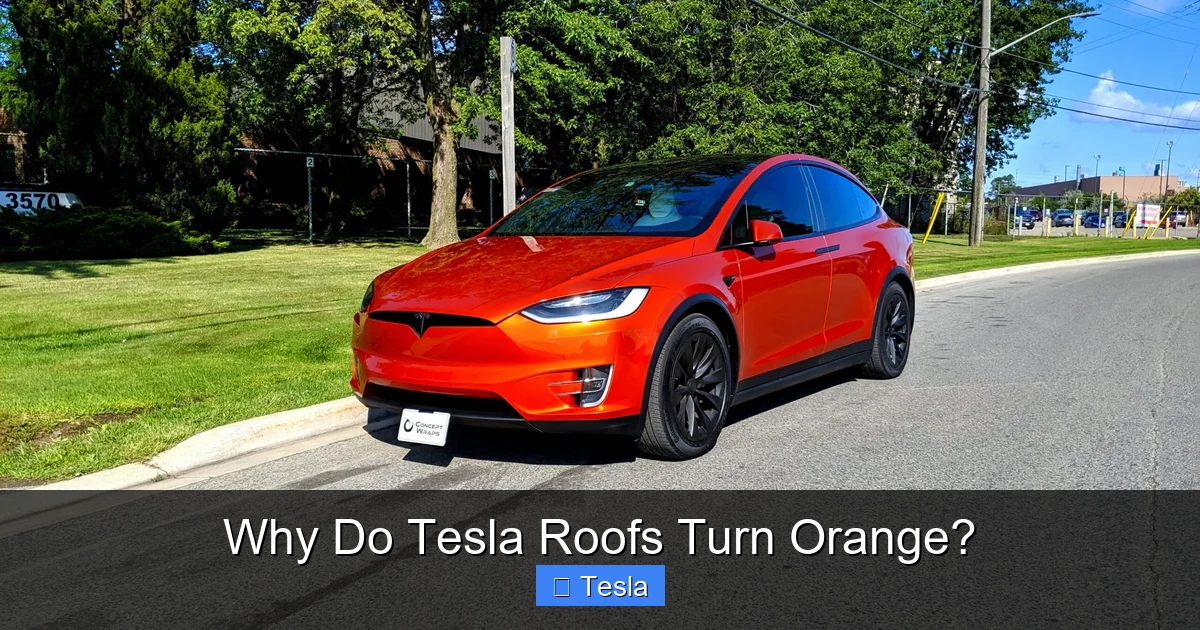
To understand the orange roof, you must first understand what’s on the glass. Tesla’s panoramic roofs are not simply tinted glass like you might find on a privacy limousine. Instead, they use a sophisticated multi-layered laminated safety glass. The magic—and the eventual problem—lies in a very thin, clear or lightly tinted coating applied to the inner layer of this laminate. This is an infrared-reflective (IR) coating, sometimes called a “solar control” or “low-E” coating.
Visual guide about Why Do Tesla Roofs Turn Orange?
Image source: conceptwraps.ca
Its primary job is functional: to reflect infrared radiation from the sun. IR rays are the primary carriers of heat. By reflecting these rays away, the coating dramatically reduces the greenhouse effect inside the cabin, keeping the car cooler on hot days and reducing the load on the air conditioning system, which saves battery power in an electric vehicle. This is a critical feature for efficiency and comfort. The coating is applied using advanced sputtering or vapor deposition processes in a factory cleanroom, creating a microscopically thin metallic oxide layer—often based on materials like silver or other compounds—that is transparent to visible light but highly reflective to IR wavelengths.
The Vulnerable Layered Structure
The roof glass is a sandwich: two layers of glass with a plastic interlayer (usually PVB or SentryGlass) in between for safety, holding shards together if shattered. The IR-reflective coating is applied to the *inner surface* of the outer glass pane, before the lamination process. This placement protects it from direct weather and car wash abrasion to some degree, but it is still exposed to the full fury of the environment through the outer glass. Over years of relentless ultraviolet (UV) radiation, extreme temperature cycling (from freezing winters to scorching summers), and atmospheric moisture, this delicate metallic coating begins to break down chemically.
The Culprit: UV Degradation and Chemical Breakdown
How Sunlight Attacks the Coating
The sun emits a full spectrum of radiation. While the IR coating is designed to reflect infrared, it is not impervious to ultraviolet (UV) light. UV rays have much higher energy than visible or infrared light. Over thousands of hours of exposure, this high-energy UV radiation penetrates the outer glass and bombards the metallic oxide coating. This energy is enough to break the chemical bonds within the coating material itself.

Visual guide about Why Do Tesla Roofs Turn Orange?
Image source: i.ytimg.com
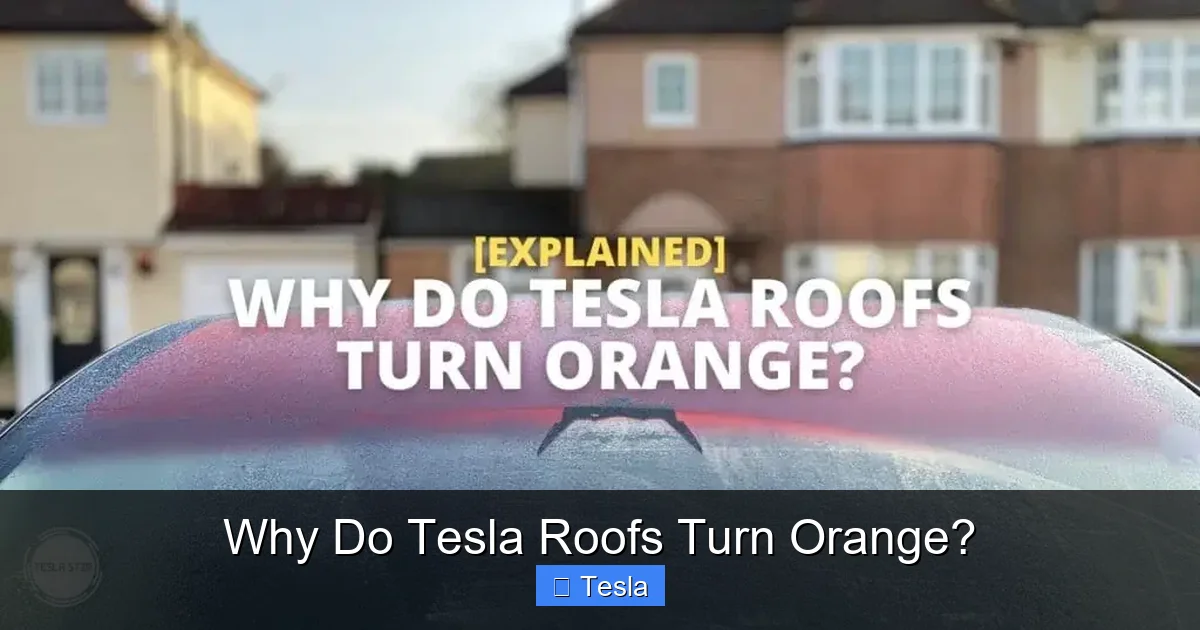
As the precise engineered structure of the metallic oxide layer degrades and becomes amorphous (loses its ordered crystalline structure), its optical properties change. It stops reflecting IR as efficiently and begins to absorb more of the visible light spectrum, particularly in the blue and green wavelengths. The light it reflects and transmits back into the cabin and to the eyes of onlookers shifts. The colors that are *not* absorbed (the complementary colors) become more prominent. The degradation process often results in the transmission and reflection of more light in the yellow, orange, and red parts of the spectrum. The cumulative effect is a roof that looks stained with a permanent, hazy orange or sepia tone from both the inside and outside.
Heat and Thermal Cycling: The Accelerant
UV radiation is the primary chemical culprit, but extreme heat acts as a powerful accelerant. Tesla glass roofs, especially on dark-colored cars, can reach very high temperatures. Heat increases the rate of chemical reactions (like oxidation and degradation) through the Arrhenius equation—simply put, things break down faster when hot. Furthermore, the daily thermal cycle—expanding in the day’s heat and contracting in the cool night—puts mechanical stress on the brittle, now-degraded coating layer. This micro-stress can cause cracking and flaking, exacerbating the uneven, discolored appearance. A car parked year-round in a high-UV, high-heat climate like Arizona, Florida, or Texas will almost certainly see this phenomenon appear faster and more severely than one garaged in a milder, cloudier region.
Which Tesla Roofs Are Most Affected?
The Classic Case: Model S and Model X (2016-2020)
The issue is most widely reported and documented on the second-generation Model S (2016-2020 refresh) and Model X (2016-2020 refresh) equipped with the standard all-glass roof. These models used a specific formulation of the IR coating that, while effective initially, proved to be less stable under long-term UV exposure than later iterations. Thousands of owner reports on forums like TMC (Tesla Motors Club) and Reddit chronicle the gradual onset of the orange tint, typically becoming noticeable after 3-5 years of ownership. The effect is often more pronounced on the front section of the roof, which receives the most direct sun, creating a two-tone appearance with a darker (more orange) front and a slightly lighter rear.
Visual guide about Why Do Tesla Roofs Turn Orange?
Image source: teslastir.com
Model 3 and Model Y: A Different Story
The glass roofs on the Model 3 and Model Y are structurally different. They use a single, larger piece of laminated glass with a different, more modern IR coating application. While not immune, the rate and severity of the orange discoloration appear to be significantly lower on these platforms. This suggests Tesla refined the coating chemistry and application process for its higher-volume models. However, owners of early-production Model 3s (2017-2019) have occasionally reported similar issues, indicating the problem may not be entirely eradicated. The larger panoramic roof on the Model Y is a point of interest, but as of now, widespread reports of severe orange tint are less common than with the older Model S/X.
Factors That Influence Severity
- Geography & Climate: Constant, intense sun (high UV index) is the number one accelerator.
- Parking Habits: Vehicles parked outdoors 24/7 will degrade faster than those garaged.
- Car Color: Dark-colored cars absorb more heat, leading to higher roof temperatures and faster thermal degradation.
- Maintenance: Using harsh chemicals, abrasive cleaners, or rough scrub pads on the glass can micro-scratch the surface and potentially damage the fragile coating layer, speeding up deterioration.
Prevention: Shielding Your Roof Before It’s Too Late
If you own a Tesla with a glass roof, the best strategy is proactive protection. Once the coating has chemically degraded, the color change is permanent. You cannot wash or polish it away. Therefore, the focus must be on slowing the UV assault before significant damage occurs.
The Gold Standard: Professional Ceramic Coating
A high-quality, professional-grade ceramic coating applied to the *exterior* of the glass roof is the single most effective preventive measure. Ceramic coatings are liquid polymers that chemically bond to the surface, forming an ultra-thin, sacrificial layer of hardness and, crucially, UV resistance. They block a high percentage of UV rays (often 99%+) from ever reaching the underlying factory IR coating. Think of it as a high-SPF sunscreen for your car’s roof. A properly applied ceramic coating will last 2-5 years on glass (depending on product and maintenance) and can be reapplied. It also provides hydrophobic properties, making the glass easier to clean and helping water and contaminants bead and roll off. This is not a DIY project for best results; improper application can lead to high spots, streaking, and reduced effectiveness. Always seek a reputable detailer experienced with ceramic coatings on glass.
Paint Protection Film (PPF): The Physical Barrier
For ultimate, albeit more expensive, protection, a clear Paint Protection Film (PPF), also known as a clear bra, can be installed on the roof. PPF is a thick, thermoplastic urethane film that is physically applied to the surface. It provides a robust barrier against not just UV but also stone chips, scratches, and chemical stains. Because it’s a physical film, it can be removed and replaced without any residue if it becomes damaged or aged. A full roof wrap in premium, hydrophobic PPF is the most comprehensive defense but comes with a significant cost and a slight potential for edge-lifting or yellowing over many years if a low-quality film is used.
Smart Parking and Routine Care
While not a complete solution, simple habits help. Whenever possible, park in a garage or under a shade structure. If you must park outside, consider a high-quality, breathable car cover designed for your specific model. For cleaning, use only dedicated automotive glass cleaners or a simple mixture of distilled water and isopropyl alcohol (70% or less) with a clean, soft microfiber towel. Avoid household glass cleaners (like Windex), which often contain ammonia that can degrade coatings and window tints over time. Never use abrasive pads or scrub vigorously.
Solutions: What To Do If Your Roof Is Already Orange
Step 1: Confirm and Document
First, ensure the tint is indeed a coating degradation and not a surface contaminant. Have the car professionally washed. If the orange hue remains, it’s likely the coating. Take clear, well-lit photos from inside and outside the car on a sunny day. Document your vehicle’s VIN, production date, and mileage. Check your Tesla app or vehicle info for the exact build date.
Step 2: Investigate Warranty Coverage
This is your first and best avenue for a free fix. Tesla has historically been responsive to this issue, recognizing it as a premature material failure. Search for any official Tesla Service Bulletins (SBs) related to “glass roof discoloration” or “panoramic roof tint degradation” for your specific model year. Even without a specific SB, you can schedule a service appointment through the Tesla app. Present your documentation and photos. Be polite but firm, citing the prevalence of the issue in the community. Tesla service centers have, in many cases, replaced the entire glass roof assembly under the New Vehicle Limited Warranty (which covers 4 years or 50,000 miles, whichever comes first) or out of goodwill, especially for vehicles still within 5-6 years of production. Success is not guaranteed, but it’s absolutely worth pursuing. You might also reference our guide on how to lock your Tesla to ensure all vehicle systems are in order before visiting service.
Step 3: Out-of-Warranty Repair Options
If Tesla denies a warranty replacement or your vehicle is older, you have three main paths:
- Tesla Service Center Replacement: You can pay for a new OEM (original equipment manufacturer) glass roof from Tesla. This is the most expensive option but ensures perfect fit, finish, and warranty on the new part. Costs can range from $2,000 to $5,000+ for the part plus labor.
- Third-Party Glass Shop: A reputable auto glass shop that specializes in Tesla can sometimes source and install an OEM-equivalent or aftermarket glass roof for less money. Ensure they use quality glass and proper urethane adhesives designed for the structural glass in Teslas.
- Complete Re-Tinting (Last Resort): Some specialized window tint shops claim they can remove the degraded outer layer of the laminated glass (via heavy polishing) and apply a new, high-performance ceramic tint film to the exterior. This is a controversial method. Risks include damaging the already-fragile glass, creating optical distortion, and the film eventually failing or peeling. It is generally not recommended as a first choice but may be the only affordable option for some.
Conclusion: A Manageable Cosmetic Flaw in an Otherwise Brilliant Design
The phenomenon of Tesla roofs turning orange is a classic case of a high-tech material meeting the relentless, unyielding power of the sun. It stems from a well-intentioned engineering solution—the heat-rejecting IR coating—that, in some early implementations, was not fully tested against the decade-plus timescale of car ownership. For affected owners, it’s a definite eyesore that detracts from the beautiful, open-air experience the glass roof is meant to provide.
However, it is crucial to maintain perspective. This is, at its core, a cosmetic degradation. It does not compromise the roof’s structural strength, its waterproof integrity, or the safety of the vehicle. The laminated glass remains safe. The key takeaways are clear: if you own an at-risk model, invest in preventive ceramic coating or PPF now. If the damage is done, pursue warranty service aggressively. If that fails, budget for a replacement. While frustrating, it’s a known, solvable problem. By staying informed and proactive, you can protect your investment and continue to enjoy the unparalleled cabin experience that makes a Tesla, a Tesla. For more on maintaining your vehicle’s interior and exterior, explore our resources on why car oil turns black and other upkeep topics.
Frequently Asked Questions
Is the orange tint on my Tesla roof dangerous or a safety hazard?
No, it is not a safety hazard. The discoloration is a cosmetic issue caused by the degradation of the outer IR-reflective coating. The laminated glass structure itself remains intact and safe. The roof’s structural integrity and crash safety are not compromised.
Can I polish or buff the orange tint out of my Tesla roof?
No, you cannot. The orange color is embedded within the metallic coating itself, which is bonded to the inner layer of the outer glass pane. It is a chemical degradation, not a surface stain. Aggressive polishing will only damage the glass and likely make the problem worse.
Will Tesla fix my orange roof for free if it’s out of warranty?
It’s possible but not guaranteed. Tesla has shown goodwill in replacing roofs for vehicles slightly beyond the formal warranty period, especially if you can demonstrate the issue is a known premature failure. However, the official warranty typically covers 4 years/50,000 miles. Out-of-warranty replacements will be at your expense.
How much does it cost to replace a Tesla glass roof out of pocket?
Replacement costs vary widely. A direct Tesla service center replacement for the part and labor can range from $3,000 to $6,000 or more. Using a specialized third-party auto glass shop might reduce the cost to $2,000 – $4,000. Always get multiple quotes.
If I apply a ceramic coating now, will it fix the existing orange tint?
No. A ceramic coating is a preventive measure applied to the *exterior* surface. It will not reverse the chemical breakdown that has already occurred inside the laminated glass. It can, however, protect any remaining good coating from further UV damage and prevent the tint from getting worse more quickly.
Which Tesla models are least likely to develop an orange roof?
Newer Model 3 and Model Y vehicles (produced from approximately 2021 onward) appear to use a more stable IR coating and have significantly fewer widespread reports of severe orange discoloration. The current Model S and Model X (2021+ “Palladium” refresh) also use an updated glass assembly, though long-term data (5+ years) is still being collected.